




Product packaging inserts do greater than hold items in place-- they safeguard, present, educate, and affect the unboxing experience. This guide breaks down insert kinds, materials, style choices, sustainability, and useful selection standards.
A well-designed insert can prevent a $300 product from rattling inside an inflexible box, turn an ordinary opening sequence into a branded presentation, or eliminate the uncomfortable moment when a premium product gets here loose inside expensive product packaging. But the reverse is likewise true: a severely chosen insert adds product, cost, setting up time, and waste without solving a significant packaging issue.
So what really makes a product packaging insert worth spending for?
That is the concern we should begin with– not which place looks nicest in an item photograph, but which place does the required mechanical, visual, commercial, and environmental task with the least unnecessary complexity.
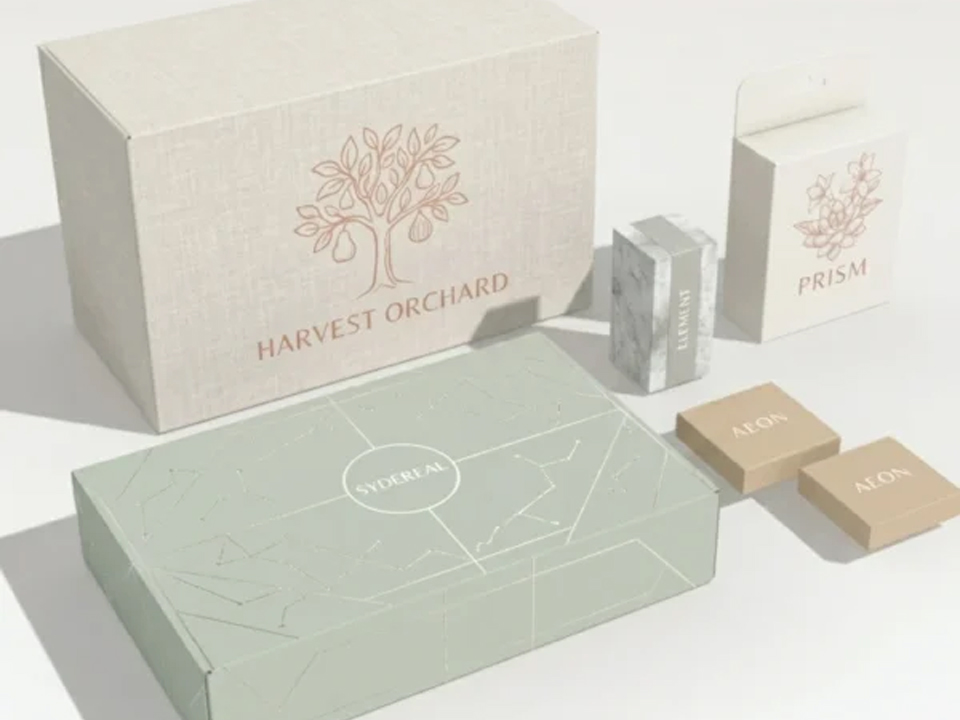
Product packaging inserts are inner elements placed inside a product bundle to hold, protect, separate, screen, organize, or interact information regarding the packaged item.
They can be made from paperboard, molded pulp, foam, corrugated board, plastic, textile, EVA, or various other products, depending on the product’s weight, geometry, frailty, discussion demands, and product packaging framework.
The easiest instance is a paperboard insert that stops a bottle from moving.
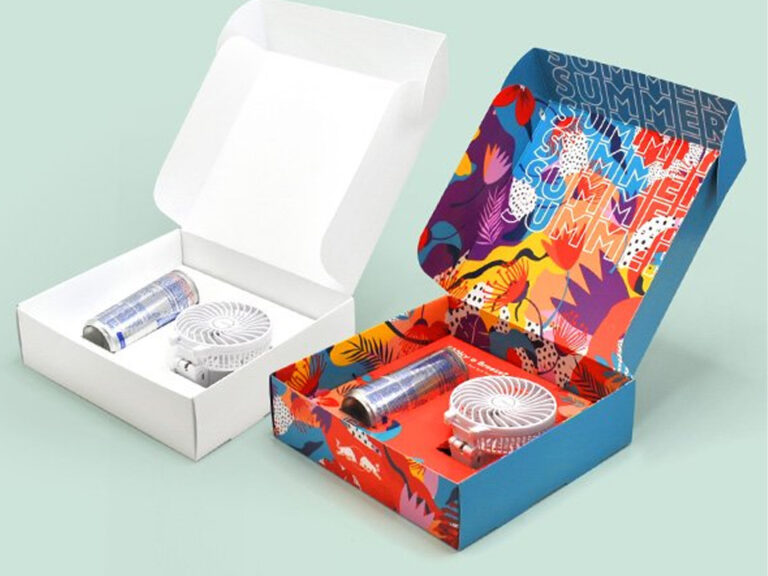
A more sophisticated example is a personalized die-cut insert that places a number of elements at exact angles while leaving the product noticeable when the box opens up.
And then there are inserts created largely for presentation: a raised display screen system, a velvet-lined dental caries, a personalized foam cradle, or a pop-up paper structure.
The difference matters.
An insert isn’t immediately important since it is custom-made. If a conventional folded up paperboard structure shields the item sufficiently, investing more on CNC-cut foam or molded plastic might simply be packaging theater.
Packaging inserts do numerous tasks concurrently.
| Place feature | Regular goal | Typical materials | Best matched for |
|---|---|---|---|
| Protection | Prevent motion, scratches, influence | Foam, formed pulp, paperboard | Delicate products |
| Positioning | Keep components in a dealt with location | Die-cut paperboard, foam | Multi-part products |
| Presentation | Develop a costs opening experience | Paperboard, textile, foam | High-end products |
| Organization | Different devices and parts | Paperboard, built pulp | Sets and sets |
| Information | Explain usage, treatment, warranty, or brand name tale | Printed paperboard | Customer products |
| Show | Present the item quickly on opening up | Stiff board, paperboard, foam | Retail and gifting |
| Branding | Strengthen aesthetic identity | Printed paperboard, material | Premium product packaging |
The tough reality is that brand names typically ask the insert to do way too much.
They desire protection, high-end, sustainability, very easy setting up, inexpensive, portable delivery, strong branding, and an amazing unboxing experience– all inside one part.
Physics often tends to differ.
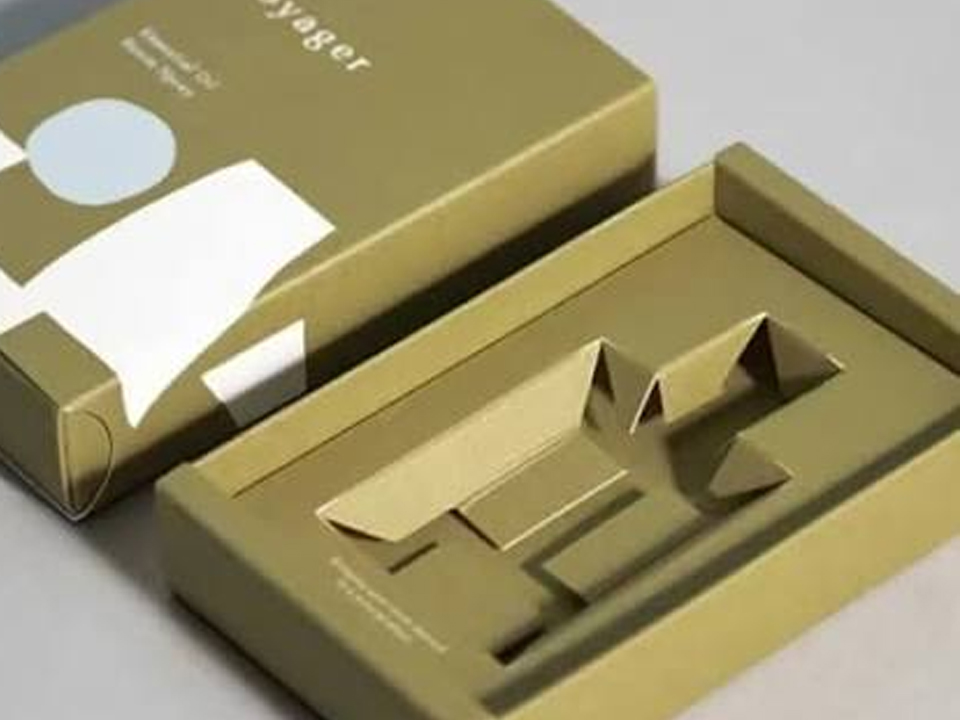
There is no global “ideal” insert. There are only inserts that fit certain products, product packaging frameworks, and industrial objectives.
Paperboard is often the initial material worth evaluating due to the fact that it combines fairly low material intricacy with outstanding printing and transforming possibilities.
Die-cut paperboard inserts can create pockets, tabs, divider panels, systems, and securing structures without needing a separate plastic tray.
For products that are moderately durable and fairly lightweight, this can be a reliable solution.
But do not perplex inexpensive material with affordable design. A paperboard insert with 10 folds, numerous securing tabs, tight resistances, and hands-on setting up can come to be surprisingly expensive.
Built pulp is significantly appropriate where brand names want a fiber-based alternative to conventional plastic or foam structures.
Its major benefit is structural formability: a pulp insert can be molded around a product rather than requiring the item to conform to a generic dental caries.
The catch?
Surface finish, dimensional resistances, tooling, moisture sensitivity, and the aesthetic demands of costs products all require to be taken into consideration.
A molded-pulp insert that looks appropriate inside a mass-market consumer bundle may not supply the coating expected from a luxury fashion jewelry box.
Foam inserts continue to be very reliable for products needing padding, positioning, or a high degree of dimensional control.
EVA foam, as an example, is often used where a product needs a precise tooth cavity and a clean discussion.
The drawback is equally obvious: material selection, recyclability, lamination, adhesives, and end-of-life separation can complicate sustainability claims.
Foam isn’t immediately poor.
It is simply not instantly the appropriate solution.
Thermoformed plastic trays can provide precise dental caries and repeatable production at range.
For complex products, plastic can provide exceptional dimensional consistency and impact resistance. Nevertheless, the product packaging industry is dealing with increasing stress to minimize unnecessary material, improve recyclability, and minimize difficult-to-separate parts.
The EU’s Packaging and Packaging Waste Regulation reflects that instructions: the guidelines highlight minimizing unnecessary product packaging, boosting recyclability, boosting recycled material, and restricting substances of concern. Consilium +1
That indicates a plastic insert should currently be assessed versus the entire packaging system– not simply its device rate.
Material inserts are especially valuable for jewelry, watches, style accessories, cosmetics, and gift packaging where tactile experience carries business value.
Velour, microfiber, leather-look products, and other fabric finishes can make the interior feel significantly extra extravagant.
But there is a trade-off.
A textile-wrapped insert can create a premium aesthetic while at the same time increasing material layers and assembly needs. If sustainability belongs to the item positioning, the construction must be analyzed honestly as opposed to evaluated exclusively by the appearance of the finished box.
Product choice ought to begin with the item.
Not the Pinterest board.
A hefty glass bottle calls for various design from a silk headscarf. A metal accessory needs different surface area security from a printed pamphlet. A collectible product may need precise positioning, while an advertising gift might simply require splitting up and discussion.
I normally assess 5 variables initially:
After that I consider manufacturing.
This order issues since making the insert around producing benefit rather than product needs frequently develops unnecessary compromises.
The box and insert need to be dealt with as one packaging system.
A drawer-style inflexible box, as an example, normally creates a various opening series from a magnetic rigid box. A hinged discussion box creates another. The insert has to deal with the method the consumer accesses the item, not simply in shape inside the available internal measurements.
As an example, a rigid apparel drawer present box with leather-style pull tab produces an evident opportunity for a layered presentation: the cabinet motion itself enters into the reveal.
A distinctive rigid leather accessory gift box with aluminum foil logo steps the focus toward tactile high-end and aesthetic consistency, where an insert should reinforce rather than compete with the exterior surface.
And a house-shaped inflexible jewelry box with dual doors and drawers shows one more concept: uncommon product packaging geometry develops uncommon insert demands.
Package dictates the choreography.
Neglect that, and the insert ends up being a barrier.
Begin with the item dimensions, however don’t stop there.
Measure the item’s size, width, elevation, weight, center of gravity, get in touch with surfaces, and at risk areas. Then establish whether the product requires immobilization, padding, separation, display, or simply company.
Afterwards, ask a much less glamorous question: exactly how will the insert be assembled?
An attractive insert that takes 45 seconds of manual work per plan can become more costly than anticipated when manufacturing reaches tens of hundreds of systems.
Next, review shipping.
A product packaging insert might work completely in a showroom and fall short during circulation because the item consistently experiences resonance, compression, goes down, and temperature level modifications.
Ultimately, check out disposal.
The EU’s 2024 packaging rules explicitly approached lessening packaging weight and volume, increasing reuse, and reducing materials of concern. Consilium
So “lasting insert” ought to never imply simply “paper insert.”
The whole structure issues.
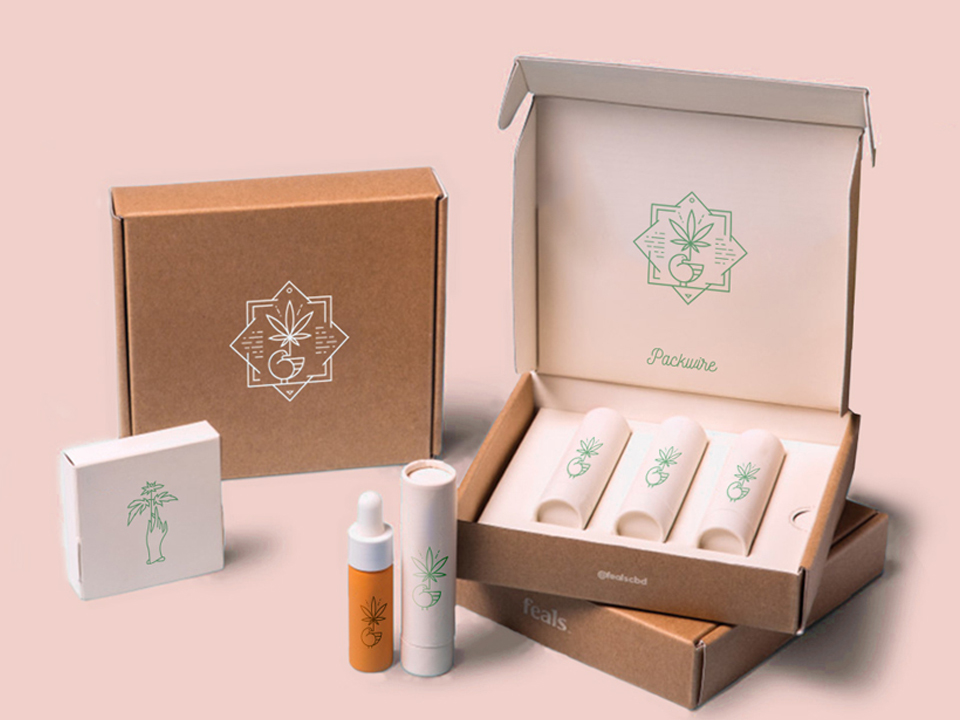
“Ideal” is a harmful word in product packaging.
There is no universal champion.
For a lightweight style device, a folded paperboard insert may provide enough positioning with exceptional printability. For a vulnerable collectible, accuracy foam may provide better protection. For exceptional fashion jewelry, a fabric-lined tooth cavity may be justified since the tactile presentation belongs to the regarded worth.
Think about a inflexible fashion accessory box with clear plastic screen cover. The transparent lid transforms the product packaging demand: the item can be seen before opening, suggesting the insert becomes part of the display screen architecture instead of merely hidden interior defense.
Similarly, a red rigid hinged presentation box with pop-up paper display shows how an insert can end up being an energetic presentation system.
That’s a various task.
And various tasks require different design.
Personalized inserts cost even more to make and make, yet “personalized” isn’t automatically synonymous with “costs.”
A common insert can make good sense when:
Customized product packaging inserts become extra engaging when:
There is an additional aspect makers sometimes underrate: future SKU growth.
If ten items share similar dimensions, designing one adaptable insert design might be a lot more affordable than developing 10 totally independent frameworks.
This is where packaging discussions usually come to be also aesthetic.
An insert transforms the internal plan geometry, which transforms the amount of material called for, setting up actions, container usage, storage space requirements, and possibly shipping efficiency.
The EU reported that product packaging waste generated in 2023 got to approximately 178 kg per person, according to information consequently published by Eurostat; paper and cardboard stood for 40.4% of complete packaging waste in that dataset. European Commission
That number isn’t proof that a particular insert is good or poor.
It is proof that packaging decisions happen at massive accumulation scale.
And the regulative direction is becoming much more demanding. The EU’s packaging policies entered into pressure in 2025, with arrangements applying on a phased basis from August 2026 and more comprehensive recyclability demands arranged for 2030. Setting
For brand names selling right into Europe, insert layout for that reason should have focus a lot previously in item advancement.
There is no honest global price.
Put expense depends on product, measurements, tooling, printing, ending up, amount, assembly, tooth cavities, resistances, and whether the insert is supplied level or pre-assembled.
An easy die-cut paperboard insert may have an extremely various business economics from a multi-layer EVA structure covered in textile.
The right calculation is not:
Insert system price = product packaging expense.
It is:
Complete insert cost = material + tooling + converting + setting up + storage space + delivery impact + damage danger + disposal factors to consider.
That broader calculation can create counterintuitive results.
A somewhat a lot more expensive insert that lowers item activity and damages may cost much less total. Alternatively, a wonderfully developed insert that includes unnecessary setting up can ruin margin.
The very first blunder is designing the insert after package.
The 2nd is designing the box after the product is already secured right into production.
The 3rd is thinking thicker ways much safer.
It doesn’t.
Defense depends upon geometry, material properties, contact points, compression actions, supporting characteristics, and distribution problems– not simply material density.
An additional typical blunder is disregarding elimination.
If clients need to battle with an insert to eliminate an item, the product packaging has fallen short at the final stage of the experience.
And then there is over-packaging.
An insert that exists mostly to make a vacant box look complete isn’t solving a packaging issue. It is producing one.
This is entitled to candid therapy.
A paper insert isn’t automatically environmentally more effective merely because it is paper.
Product origin, finishes, adhesives, inks, manufacturing energy, transport, weight, recyclability, and end-of-life facilities all issue.
Furthermore, a plastic part isn’t immediately indefensible since it is plastic. If a meticulously crafted component stops duplicated item damage or allows considerable material decrease somewhere else, its total system influence should have analysis.
The European Payment’s present product packaging structure specifically presses makers toward less wasteful packaging, higher recyclability, recycled web content, and minimized use of unneeded product. Setting +1
The useful lesson is easy: measure the product packaging system, not the marketing adjective printed alongside it.
If I were reviewing an insert for a new product today, I would certainly use this sequence:
Action 1: Specify the item danger.. What can break, scratch, bend, leakage, action, or become visually damaged?
Action 2: Specify the presentation purpose.. Does the consumer requirement to see the item immediately, discover it slowly, or remove it from a very organized presentation?
Step 3: Select the product family members.. Paperboard, molded pulp, foam, plastic, fabric, or a hybrid framework.
Tip 4: Layout around setting up.. Specify exactly how the insert gets to the product packaging line and the amount of secs drivers have to manage it.
Tip 5: Test circulation.. Research laboratory appearance is not transportation performance.
Step 6: Test customer communication.. Can the consumer get rid of the item conveniently? Can they place it back?
Step 7: Examine end-of-life.. Can products be separated? Can the plan go into the desired recycling stream?
Tip 8: Calculate complete expense.. Don’t quit at the insert quotation.
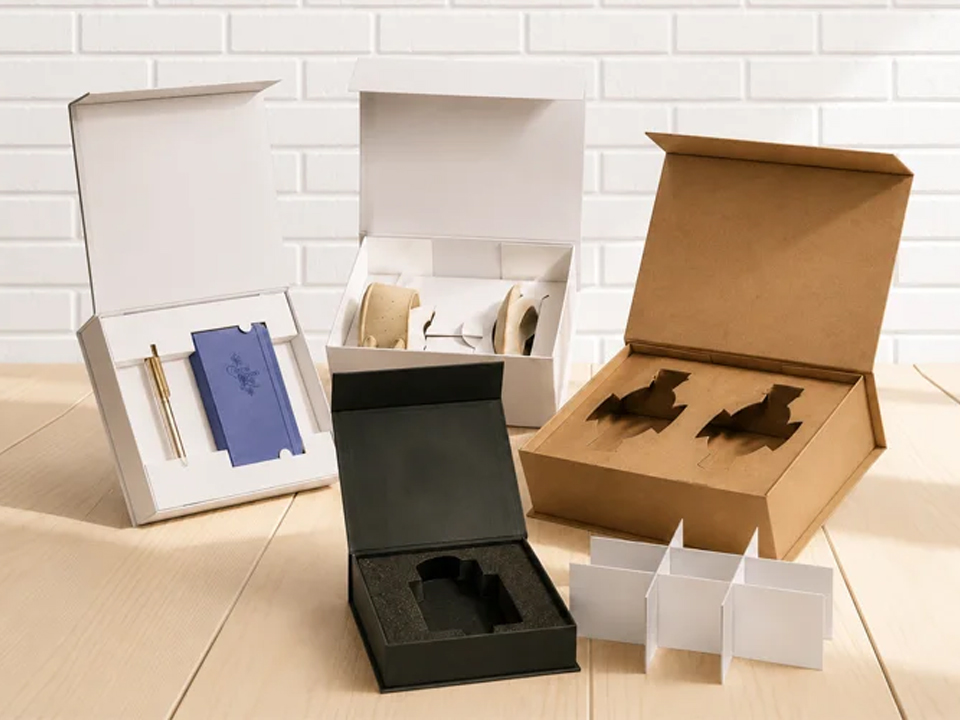
The toughest packaging inserts don’t seem like engineering elements.
They really feel willful.
A high-end accessory can rest inside an organized tooth cavity that guides the client’s eye. A fragrance plan can utilize layered building to produce expectancy. A collectible can be positioned like a display as opposed to product.
Also functional product packaging can benefit.
Consider an incense stick drawer box with printed sleeve and ribbon. The opening mechanism, sleeve, bow, internal company, and product presentation can operate as one continual experience as opposed to a collection of unconnected product packaging elements.
That is where packaging design and brand name style overlap.
The instructions of traveling is rather clear.
Less unneeded material.
More focus to recyclability.
More deliberate material choice.
More pressure to justify every part.
The 2024 EU product packaging contract included reduction targets of 5% by 2030, 10% by 2035, and 15% by 2040 for product packaging waste, along with requirements worrying recyclability, recycled material, and compounds of issue. Europäisches Parlament
That doesn’t imply every brand name will certainly abandon premium inserts.
It implies exceptional product packaging needs to end up being extra willful.
A sophisticated insert isn’t the one with one of the most worldly.
It is the one that achieves the called for security, presentation, and capability with a defensible quantity of product and manufacturing intricacy.
Product packaging inserts are interior packaging elements created to hold, secure, organize, present, or interact information regarding a product inside its external plan. They may be made from paperboard, molded pulp, foam, plastic, fabric, or mixes of these materials, depending on the product and packaging requirements.
The most effective product packaging insert product relies on the item’s weight, frailty, geometry, presentation requirements, making quantity, and disposal considerations. Paperboard works well for numerous light-weight products, while molded pulp, foam, plastic, and fabric structures may be much better when cushioning, precision positioning, or costs discussion is required.
Pick product packaging inserts by assessing product defense, internal measurements, discussion needs, setting up labor, distribution problems, manufacturing quantity, product compatibility, and end-of-life factors to consider. The insert ought to be engineered as component of the total packaging specialized security, distinctive discussion, or company of several parts. They can warrant their extra layout and tooling expenses when they reduce damage, enhance the customer experience, simplify setting up, or create a packaging structure system instead of chosen solely for appearance or device rate.
Personalized product packaging inserts are worth considering when a product calls for exact positioning, specialized defense, distinct presentation, or organization of numerous components. They can warrant their additional design and tooling prices when they minimize damage, boost the consumer experience, simplify assembly, or develop a packaging framework that typical inserts can not offer.
Paper packaging inserts can commonly go into paper recycling streams when they are made from ideal fiber-based products and are not heavily infected or integrated with difficult-to-separate products. Recyclability depends upon the details building and construction, finishings, adhesives, inks, regional recycling infrastructure, and applicable product packaging regulations.
The major kinds of packaging inserts include paperboard inserts, molded pulp inserts, foam inserts, plastic trays, corrugated inserts, fabric-lined inserts, and hybrid frameworks. Each kind supplies various mixes of padding, positioning, discussion, manufacturability, cost, and end-of-life features.
Product packaging inserts can enhance the unboxing experience by managing item positioning, exposing items in a calculated sequence, separating devices, including published messaging, and creating a costs presentation. Their effectiveness depends upon whether the framework makes opening and product removal less complicated rather than simply adding aesthetic complexity.
Packaging insert cost varies considerably according to product, dimensions, tooling, printing, ending up, order amount, assembly requirements, and producing complexity. A meaningful expense comparison ought to consist of tooling, labor, storage, delivery results, and potential product-damage reduction as opposed to comparing only the estimated unit price.
Product packaging inserts are simple to underestimate.
They’re concealed.
Up until they aren’t.
The moment a product rattles, arrives harmed, looks cheap, becomes hard to get rid of, or generates unneeded product packaging waste, the insert stops being an invisible element and comes to be an organization trouble.
We should therefore stop asking, “Which insert looks costs?”
Ask something harder.
What does this item in fact need?
From there, material, framework, printing, padding, presentation, assembly, and sustainability decisions become a lot easier to warrant.
For brand names developing premium product packaging, the next action is to assess the insert and external box with each other. Discover the magnetic dice collection agency display box with custom foam insert as an example of how a product-specific dental caries can combine security with discussion.
The best packaging inserts don’t merely load empty space.