-
Business Email info@xdpackaging.com
-
Hotline +86 135 3401 0101
-
Factory Address Xinfa Group Industrial Building, Gushu 1st Road, Shenzhen
Custom Retail Box Packaging for Standout Products
The right box does more than hold an item. It protects merchandise, presents it clearly, and gives shoppers a reason to notice your brand. Explore retail packaging for cosmetics, apparel, accessories, gifts, food items, electronics, and more. Choose a box structure, material, and finish that match your sales setting, budget, and packing process.
What Is a Retail Box and What Does It Do?
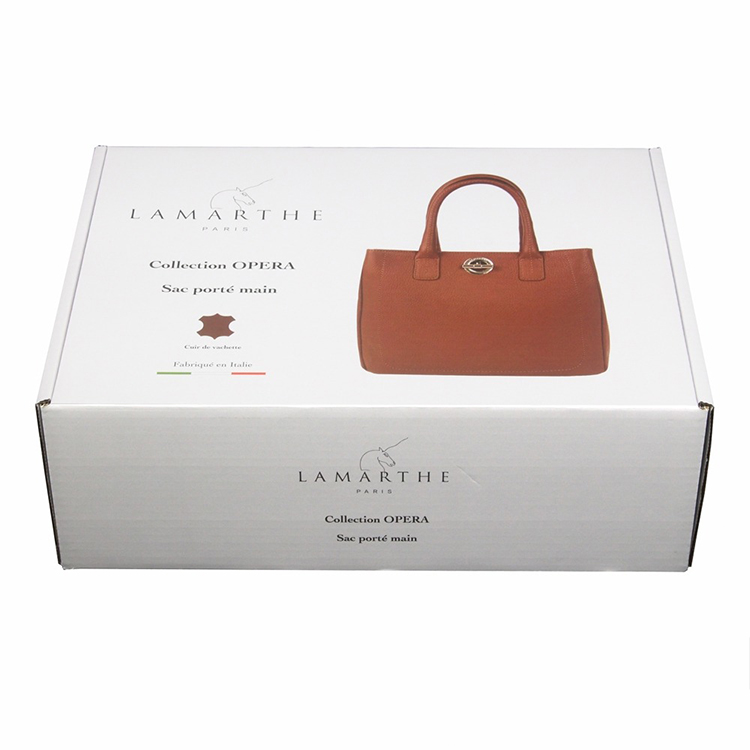
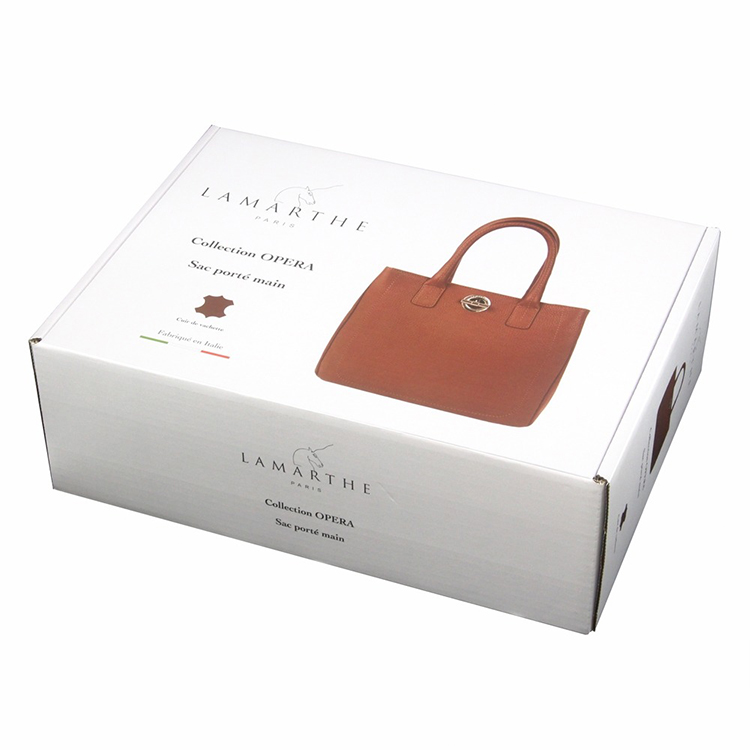
A retail box is a consumer-facing container designed to present, protect, and promote a product on a shelf, display table, or checkout counter. Unlike a plain shipping carton, the box can carry graphics, instructions, prices, and marketing details that help a customer understand what’s inside.
Good box planning considers dimensions, weight, fragility, and route to sale. A close fit limits movement, supports an attractive presentation, and leaves room for legible information.
Explore Custom Rigid Gift & Presentation Boxes
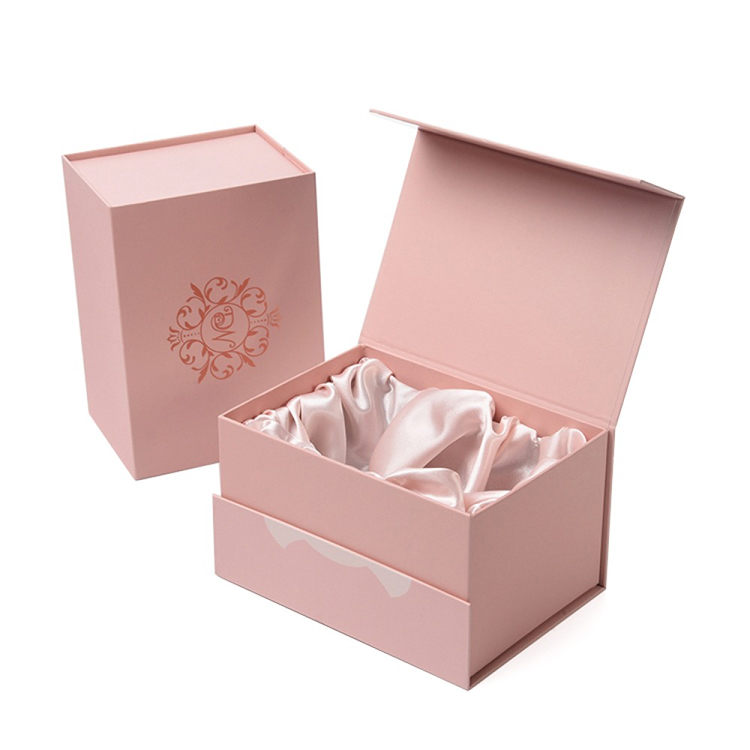
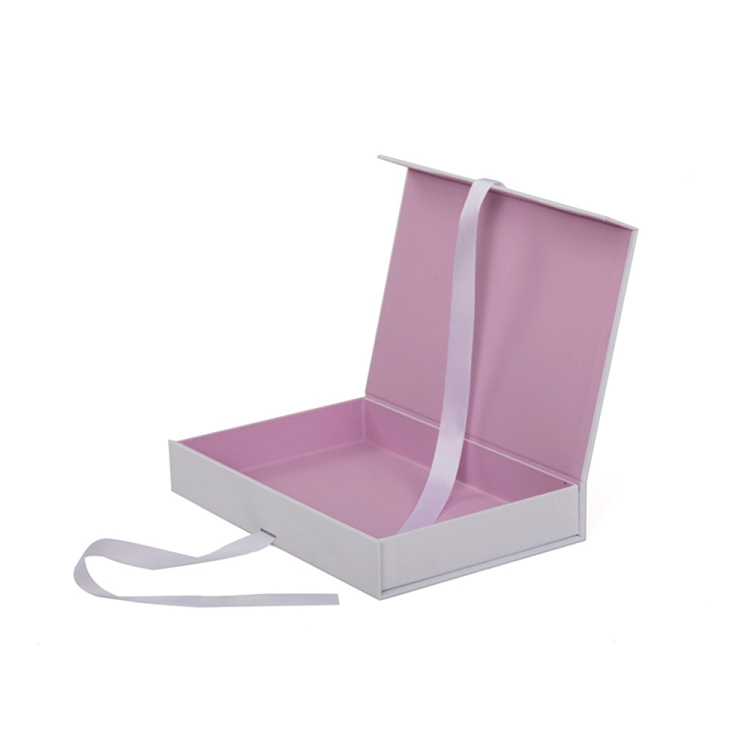
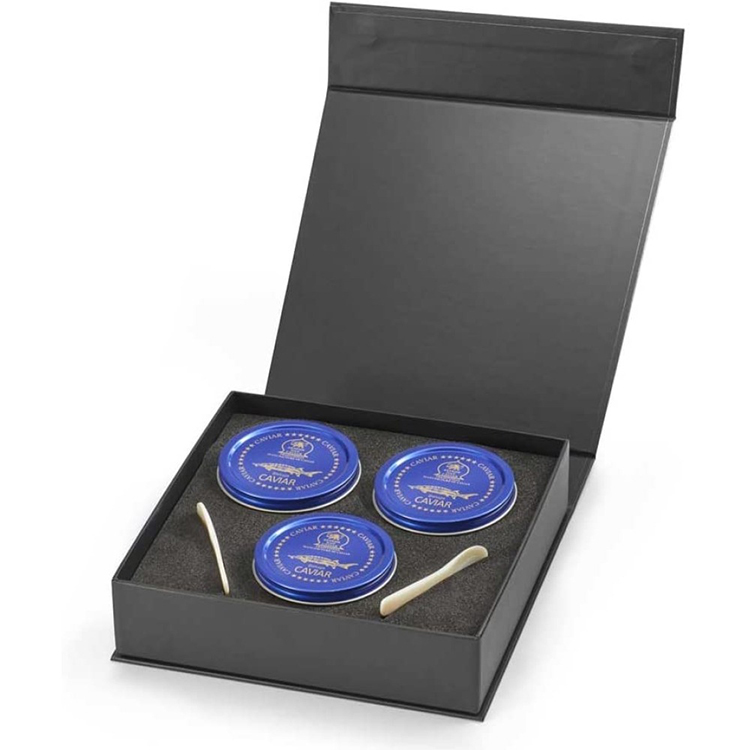
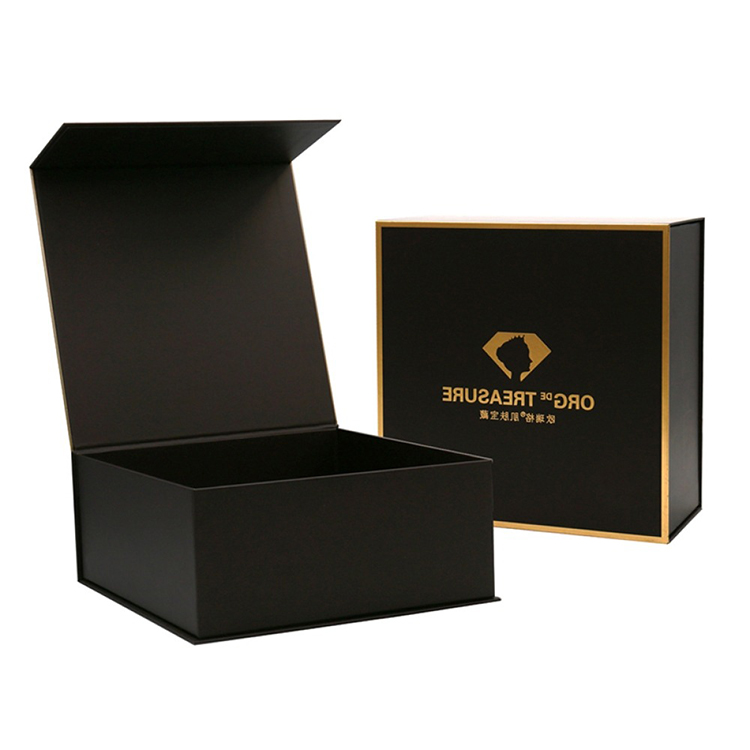
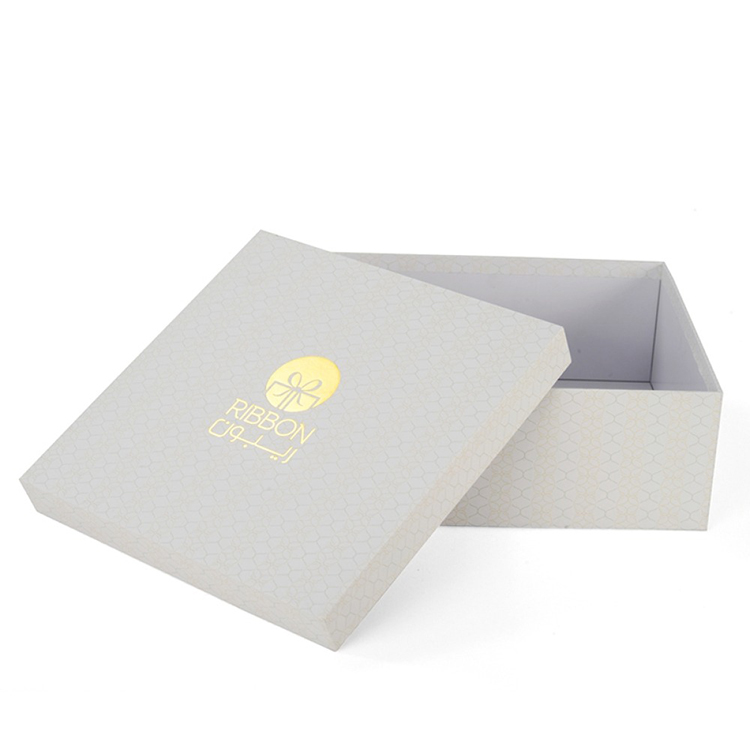
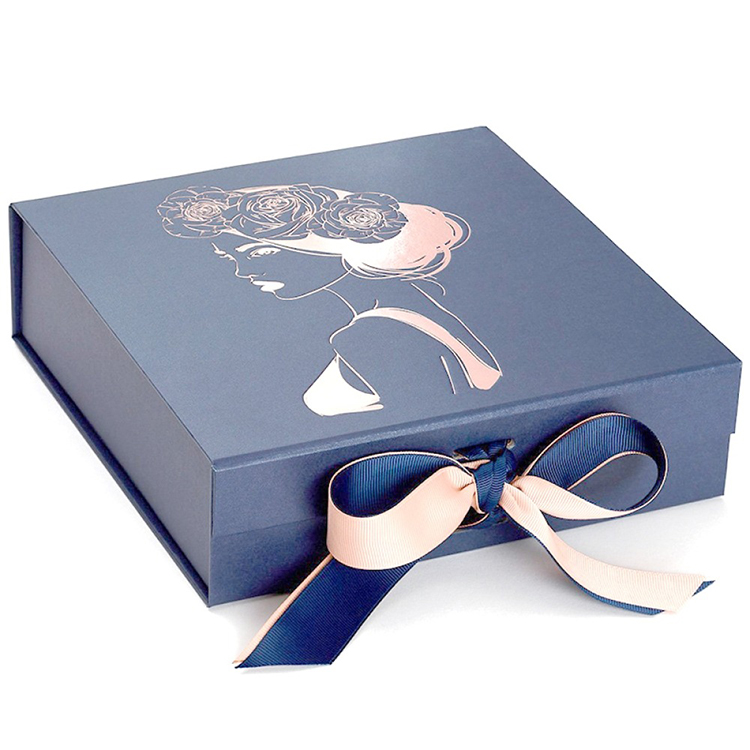
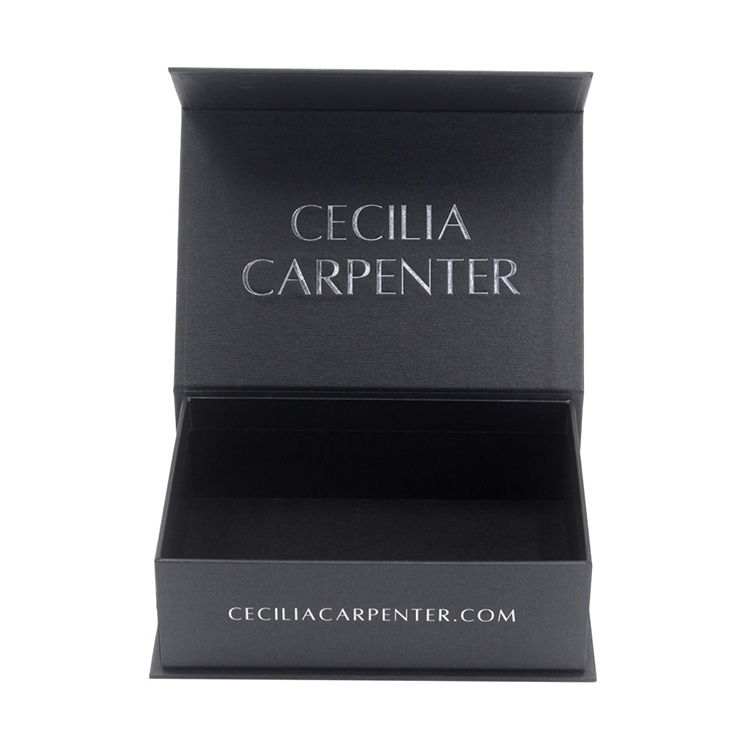
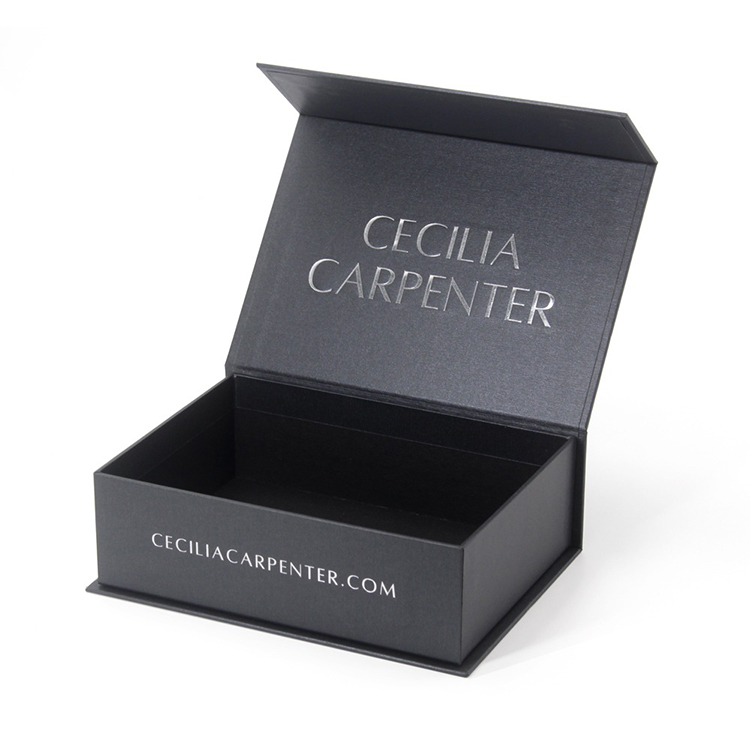
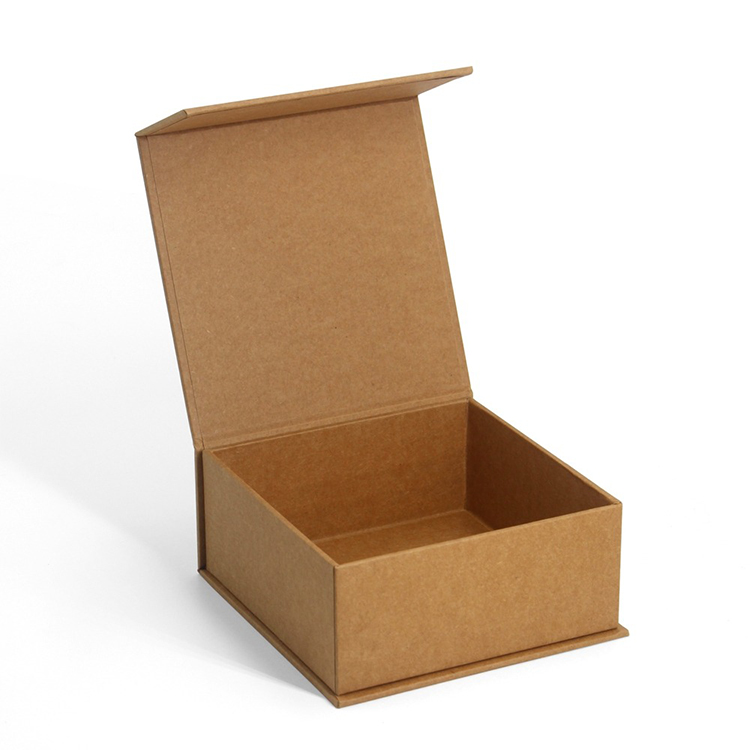
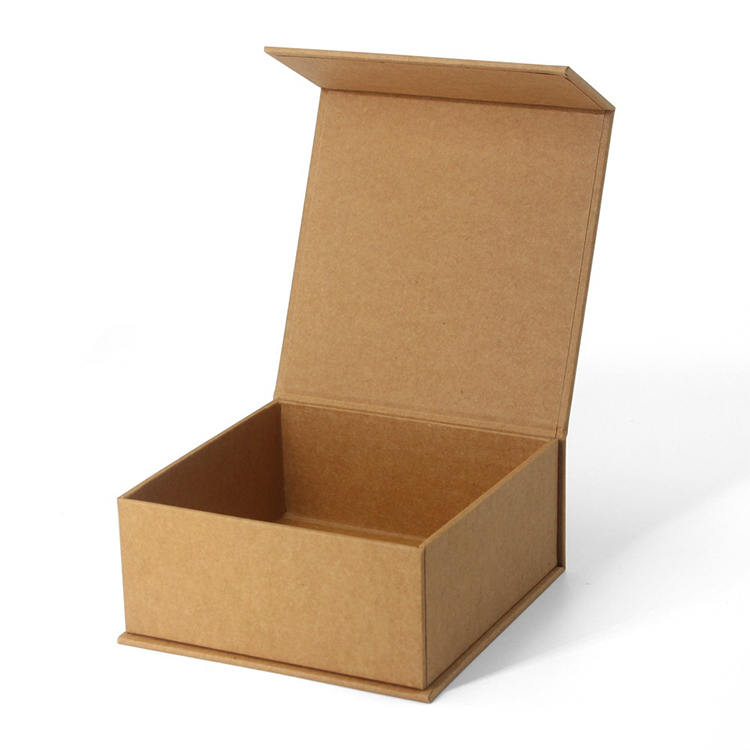
Browse custom boxes in hinged-lid, magnetic-closure, two-piece, mailer, and ribbon-tied styles. Compare printed designs, foil logos, satin linings, foam inserts, and other presentation details for gifts, fashion accessories, specialty products, and branded launches.
How Can You Customize the Box Design?
Tailor dimensions, board grade, closure, inserts, artwork, and exterior treatment to the item. Start with its exact size and orientation; then decide whether the box needs a window, divider, handle, locking tab, or protective insert.
Organize color, logo placement, and messaging clearly. Let the front identify the product, use side panels for details, and reserve the back for instructions. A structural sample can confirm fit before a larger run.
Which Box Materials Suit Gift, Apparel, Jewelry, and Food Uses?
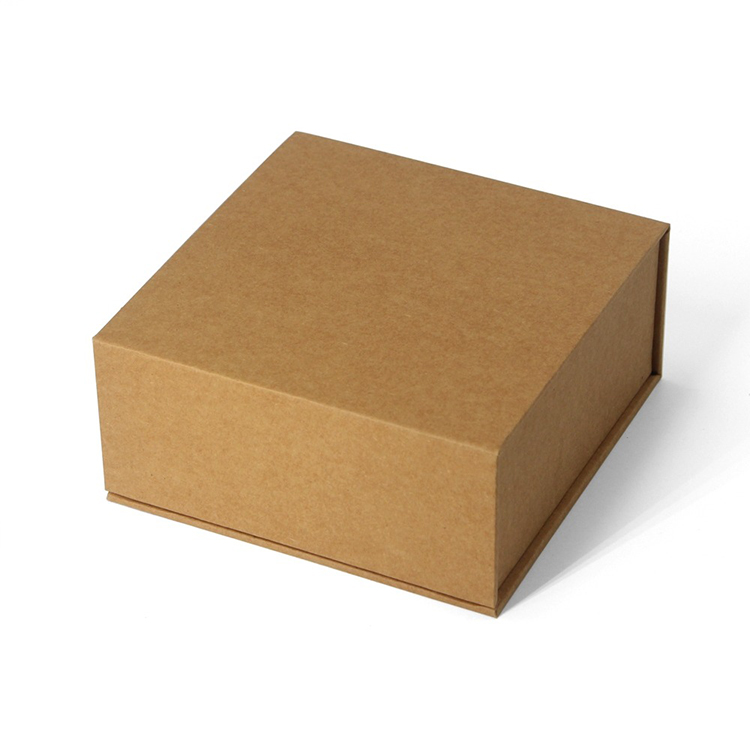
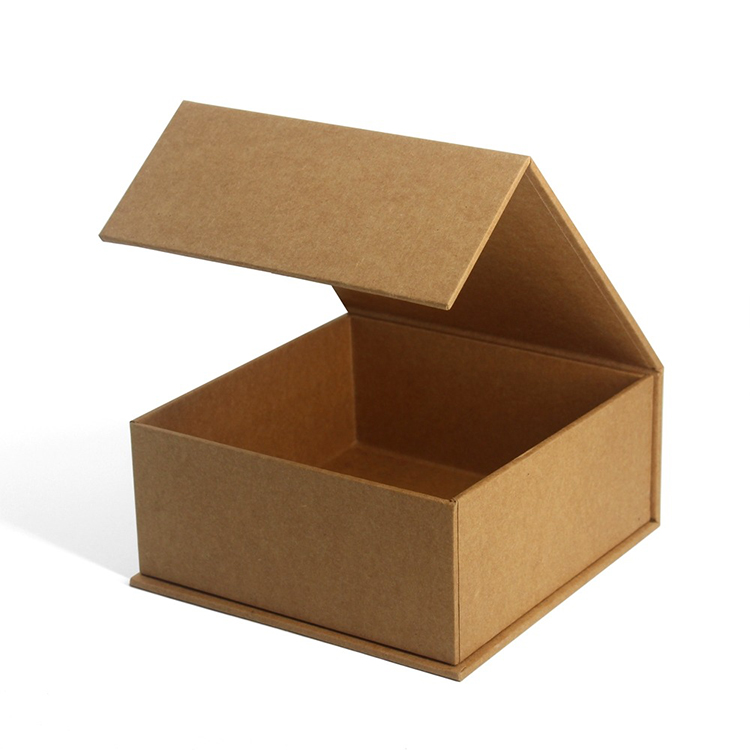
Paperboard, rigid board, kraft, and corrugate serve different needs. Paperboard suits folding cartons; rigid board gives gift and jewelry presentations more structure; kraft offers natural-looking fibers; and corrugate adds cushioning and stacking strength.
For apparel boxes or decorative gift packaging, compare surface smoothness, fold quality, and print results. For food, confirm that substrates, ink, coatings, adhesives, liners, and inserts suit the intended contact and conditions. Check applicable food-contact requirements with qualified suppliers. If disposal matters, ask which components local programs can recycle.
Which Box Style Fits Your Product?
The best structure depends on weight, protection needs, opening experience, and where the item will be sold.
| Box format | Common uses | Why buyers choose it |
|---|---|---|
| Folding carton | Lightweight shelf goods | Ships flat and supports detailed graphics |
| Tuck-end box | Cosmetics, small electronics, and similar goods | Simple assembly with practical end closures |
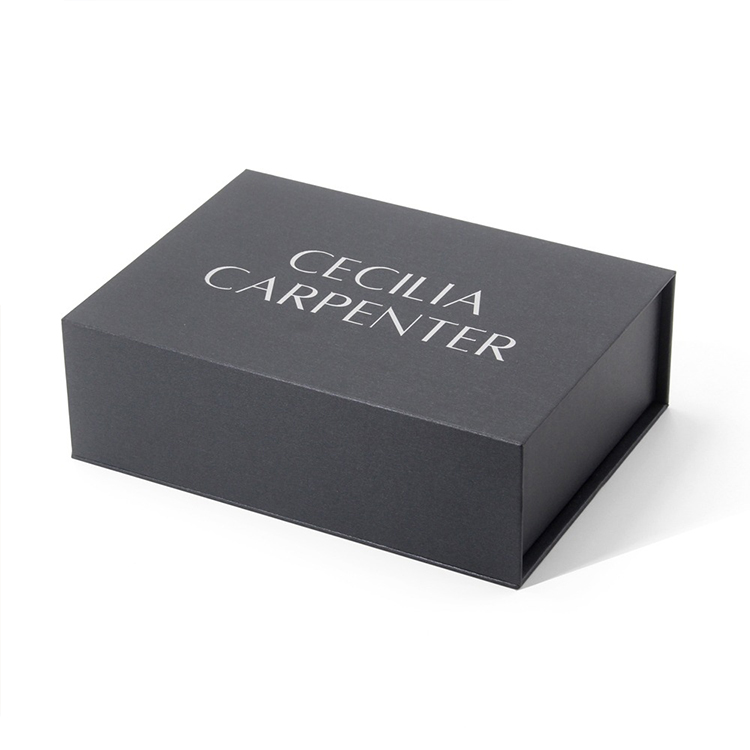
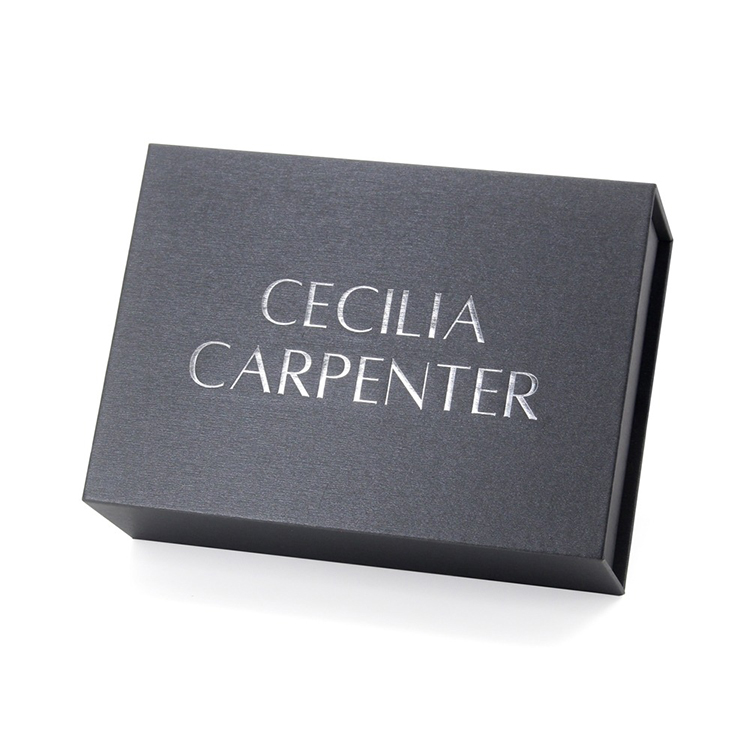
| Two-piece rigid box | Premium gift boxes and jewelry boxes | Separate lid and base create a deliberate reveal |
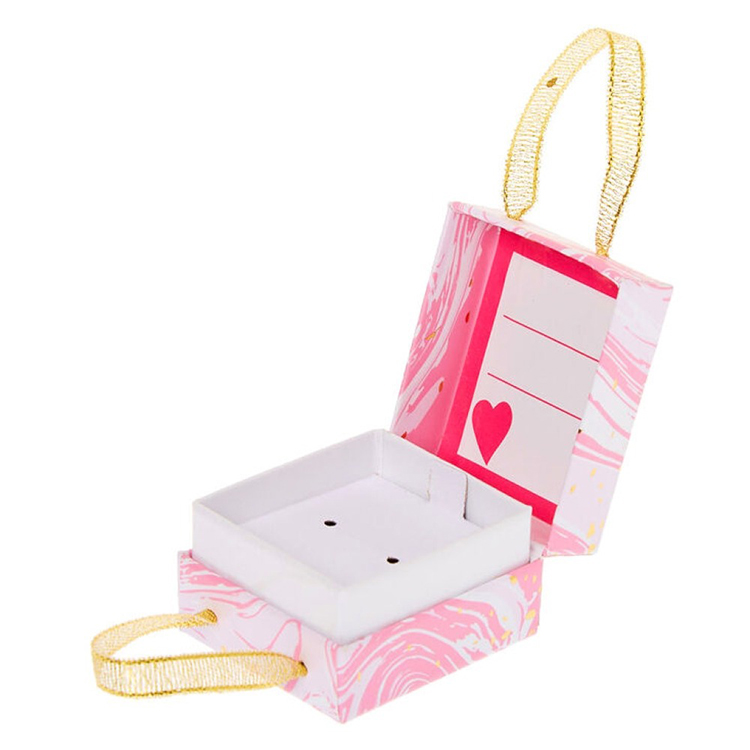
| Gable boxes | Gifts, favors, and carry-out items | Built-in handle offers convenient carrying |
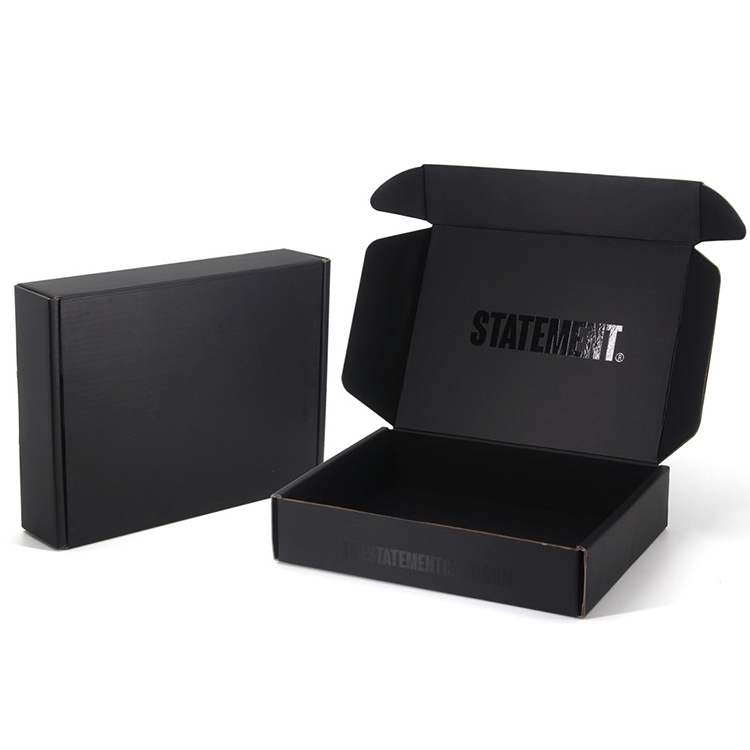
| Corrugated box | Heavier or fragile goods | Sturdy construction adds protection and can convert into a display |
Apparel boxes suit folded garments, while cardboard boxes with inserts can hold components in position. Match each box to how you pack, transport, open, and merchandise the item.
How Does Display Packaging Improve Retail Visibility?
Display packaging organizes goods where shoppers can see and reach them. A countertop unit or PDQ-style box can place small products in high-traffic areas, while a tiered display tray keeps multiple items visible instead of hiding them behind the front row.
A header-card box extends the back panel for a logo, price, instructions, or promotional message. Confirm that the display opens easily, stays stable when partially empty, and fits its shelf or counter. The box should improve visibility without blocking essential information.
What Affects Wholesale Pricing, Ordering, and Shipping?
Wholesale pricing is shaped by dimensions, material, printed coverage, finish, tooling, inserts, quantity, assembly, and shipping destination. More elaborate construction or production steps may change both cost and turnaround, so provide complete specifications when requesting an estimate.
Before ordering, ask which artwork files are needed, whether prototypes are available, and when the schedule begins. Review the sample with the actual item, test the pack sequence, and confirm case dimensions. Customer service should explain proofing, freight assumptions, and specification changes.

Which Printing and Finish Choices Make a Box Attractive?
Printing and finishing determine how artwork looks and feels on the chosen stock. Offset, digital, and flexographic methods suit different graphics, materials, and volumes. Ask which process fits your box specification and quality expectations.
Consider these box treatments:
Gloss or matte coating for sheen and surface character
Foil stamping for metallic accents
Spot UV to highlight selected graphics
Embossing or debossing for texture
Aqueous coating where the specification calls for it
Ask for color targets and a high-quality proof. Paper tone and production method can influence the result.
Which retail box style is right for my product?
Consider the product’s size, weight, fragility, presentation, and sales channel. Folding cartons suit many lightweight shelf products, rigid boxes create a more substantial gift presentation, and corrugated board provides added rigidity and cushioning for heavier or fragile items.
What information is needed for an accurate custom box quote?
Provide the product dimensions and weight, required box quantity, preferred material, artwork coverage, finishing choices, inserts, delivery destination, and target schedule. Sharing complete specifications helps the supplier recommend a suitable structure and identify the main factors affecting production costs.
Can I request a sample before full production?
Ask whether the supplier offers material swatches, blank structural prototypes, printed proofs, or production samples. A physical sample lets you check fit, assembly, opening experience, color, and artwork placement before approving a larger order. Sample availability, cost, and lead time vary by supplier.
Which printing and finishing options should I compare?
Compare offset, digital, and flexographic printing according to the material, artwork, order volume, and desired result. Finishing options may include matte or gloss coatings, foil stamping, embossing, debossing, and spot UV. Request a proof because paper tone and coating can affect the final color.
How do I know whether a retail box is suitable for food products?
Food packaging requires more than choosing paperboard that looks appropriate. Confirm that every substrate, coating, ink, adhesive, liner, and insert is suitable for the intended food contact and conditions of use. The FDA explains that the regulatory status of each substance in a food-contact article must be considered.
Retail Boxes FAQ: Five Questions to Ask Before Ordering
Choosing retail packaging involves more than selecting an attractive design. These answers will help you compare box structures, prepare for a quote, review samples, evaluate printing options, and confirm special requirements.