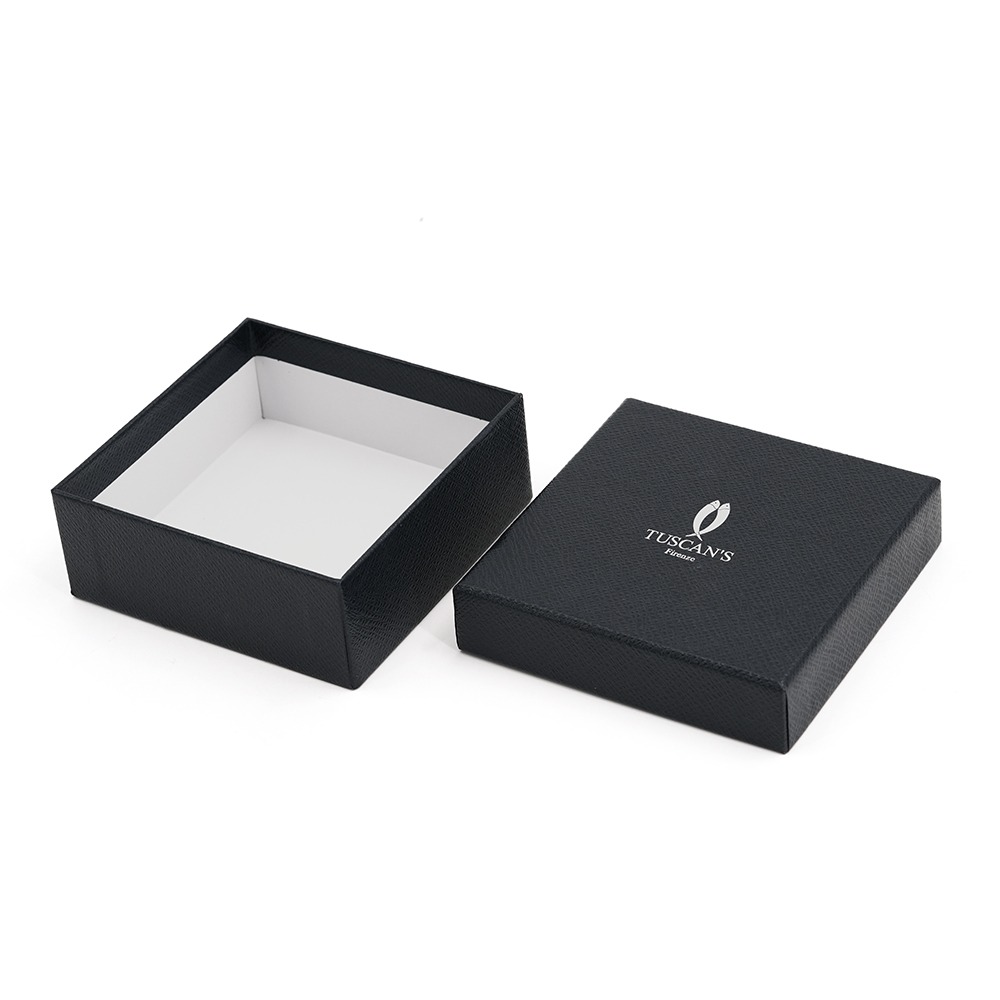
Textured Paper for Custom Packaging

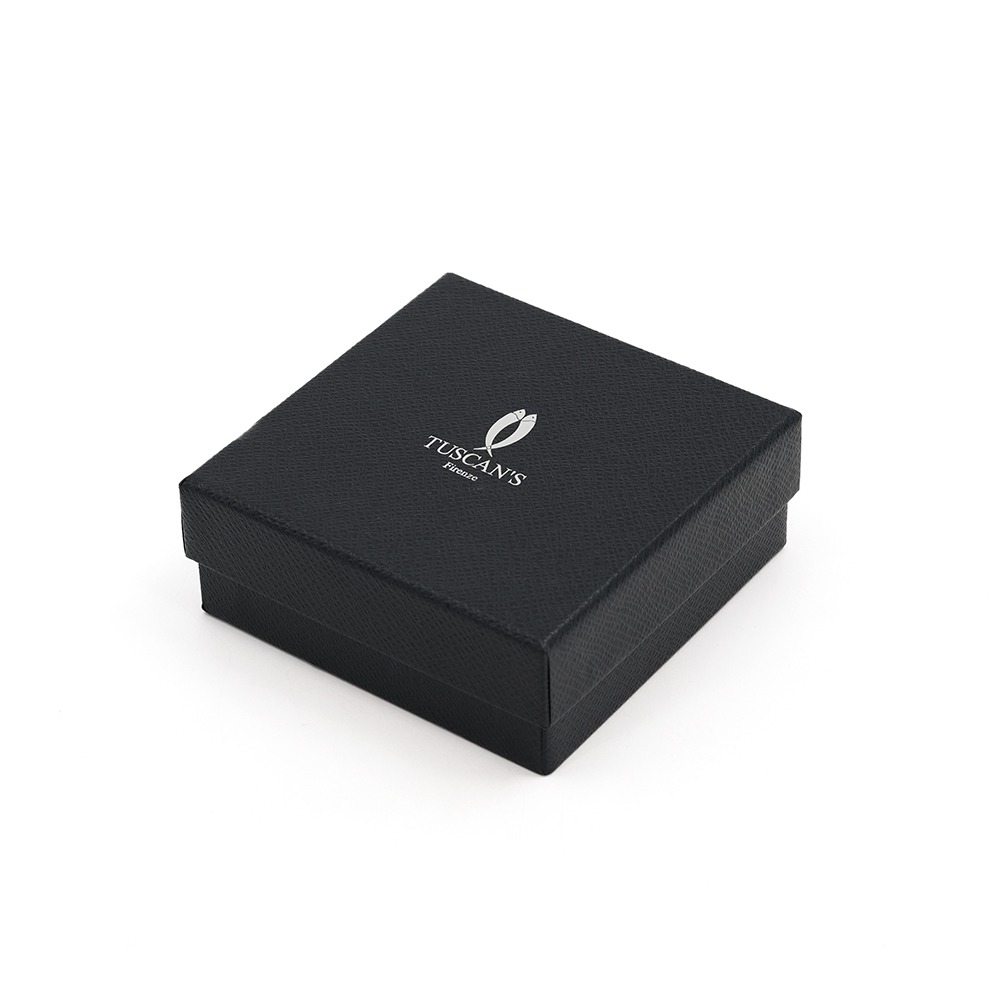
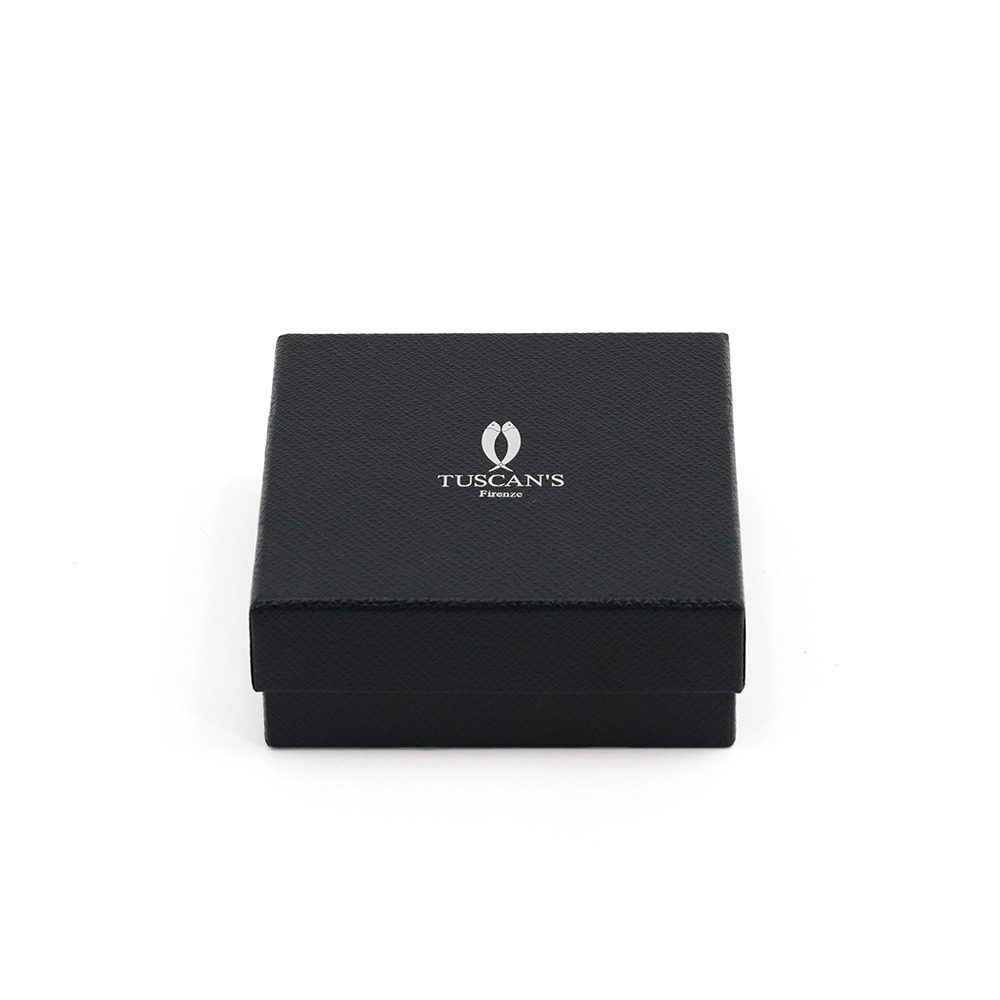
Textured paper gives custom paper packaging a deliberate tactile identity. Used as a wrap or surface layer over paperboard, it can make custom boxes feel tailored, natural, restrained, or decorative. Balance with print detail, box structure, handling, and budget.

Request a Textured Paper Sample or Quote to compare surfaces against your artwork and packaging format.

What Is Textured Paper?

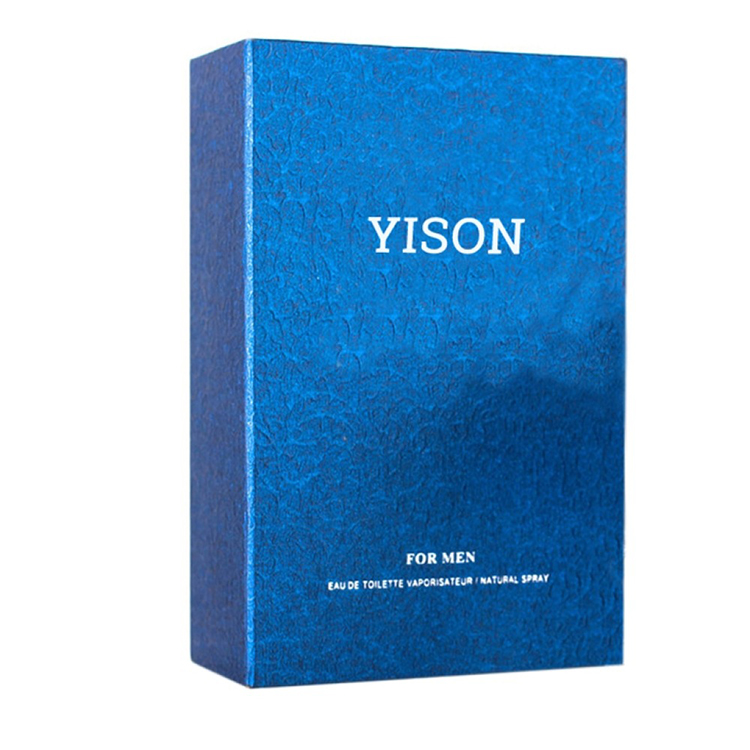
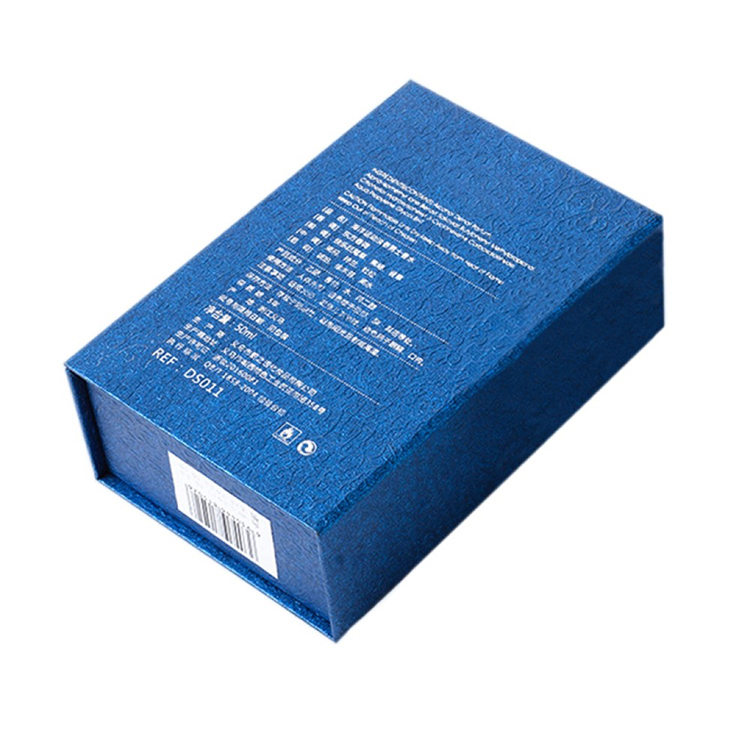
Textured paper is paper with a deliberately raised, indented, or patterned surface that adds visual depth and tactile character. The texture may be formed during papermaking, as with linen, laid, or felt finishes, or applied later by embossing a pattern into the sheet. It is commonly used as a wrap or surface layer for premium packaging.

Papermaking texture is built into the sheet; embossed paper receives a pressed pattern afterward. The distinction affects texture depth, print contact, folding, and the way light moves across the package.

Custom Textured Paper Packaging for Branded Products

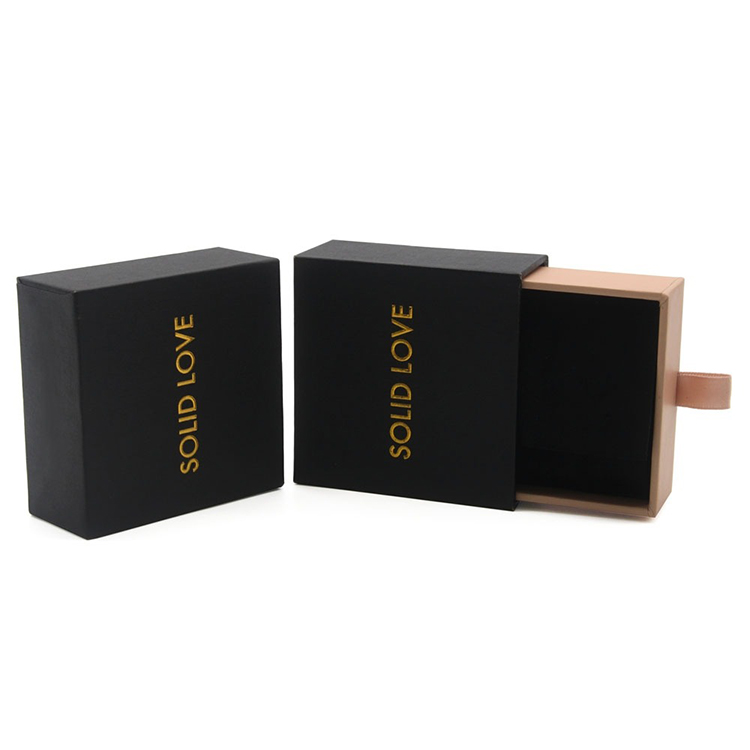
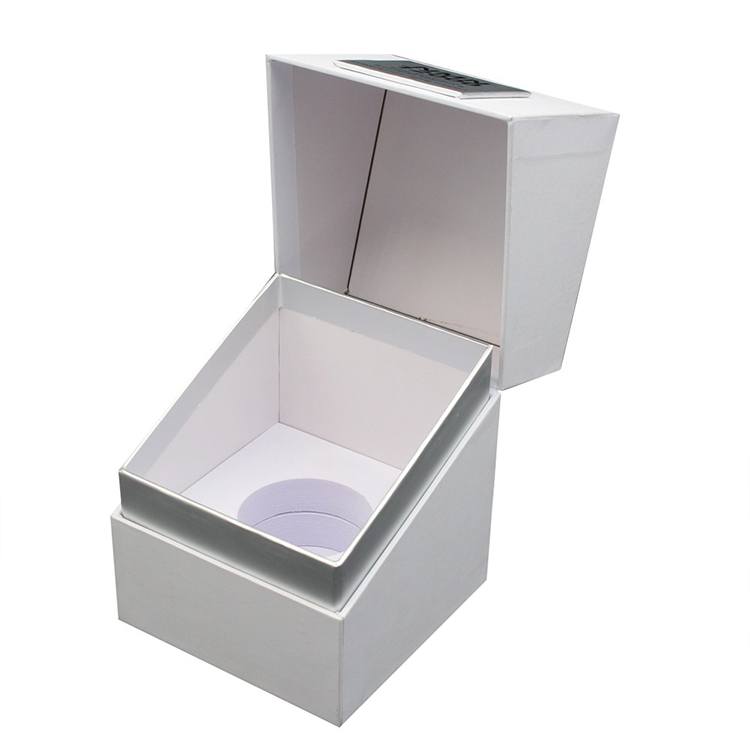
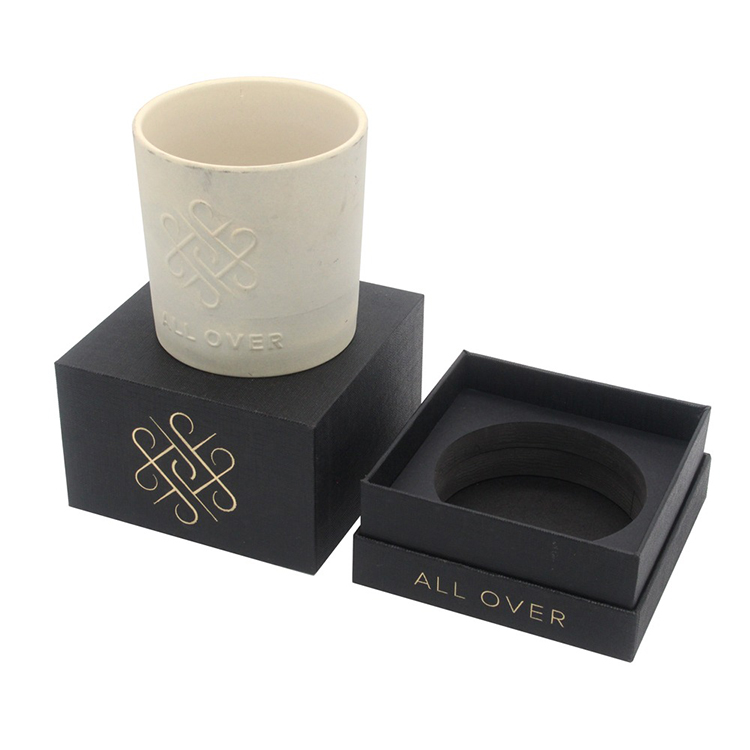
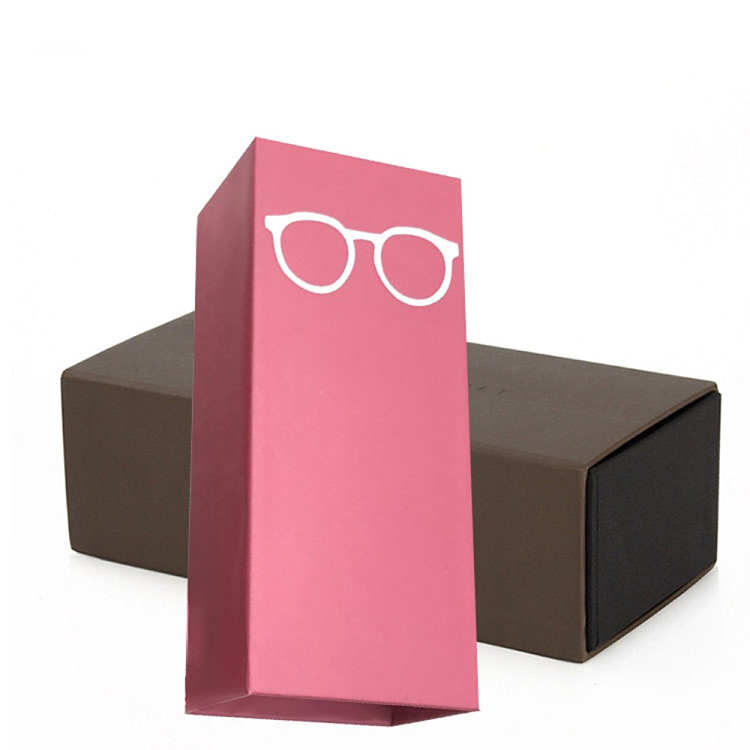
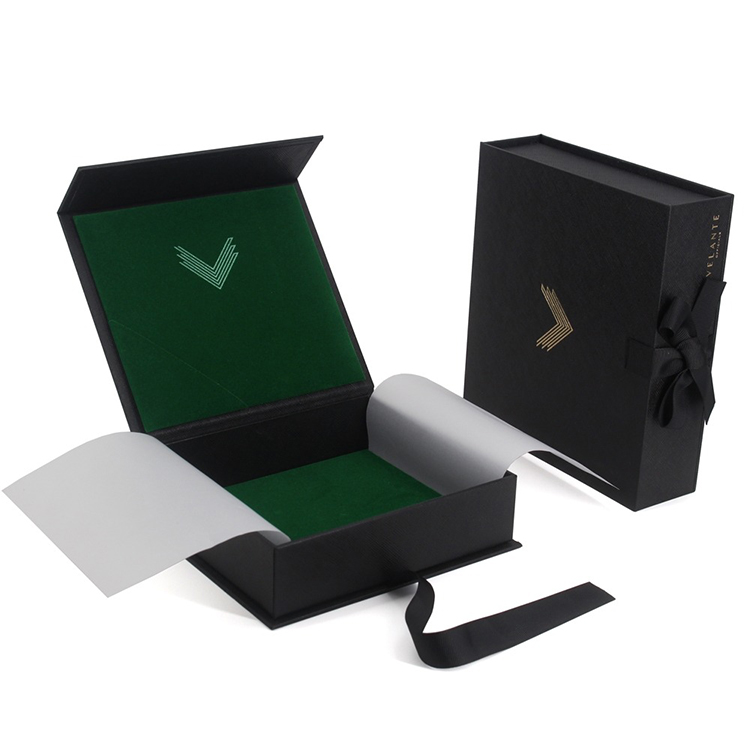
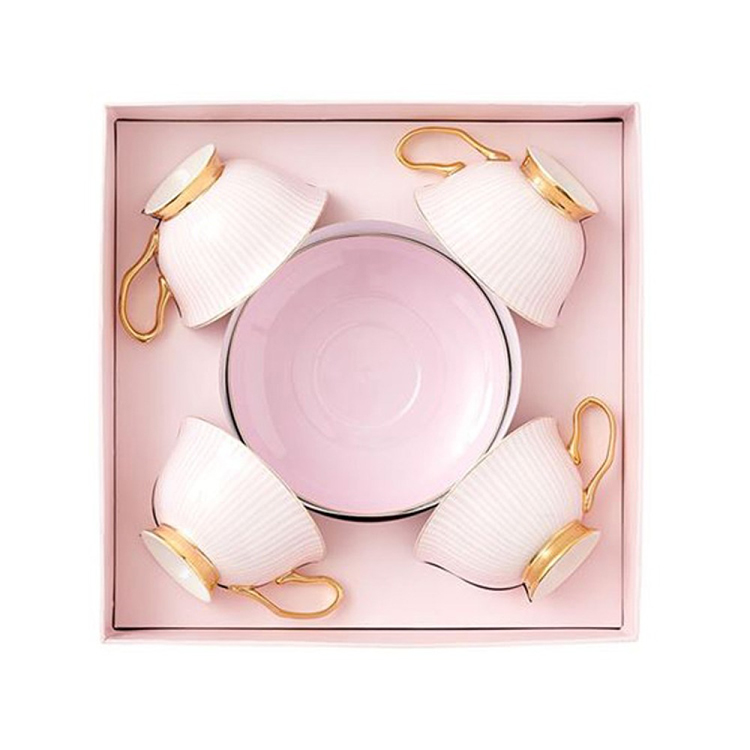
Explore custom rigid gift boxes for perfume, jewelry, supplements, candles, eyewear, electronics, and tableware. Compare textured wraps, foil-stamped logos, magnetic and drawer structures, window designs, ribbon closures, and protective inserts for your packaging project.

Where Does Textured Paper Work in Packaging?

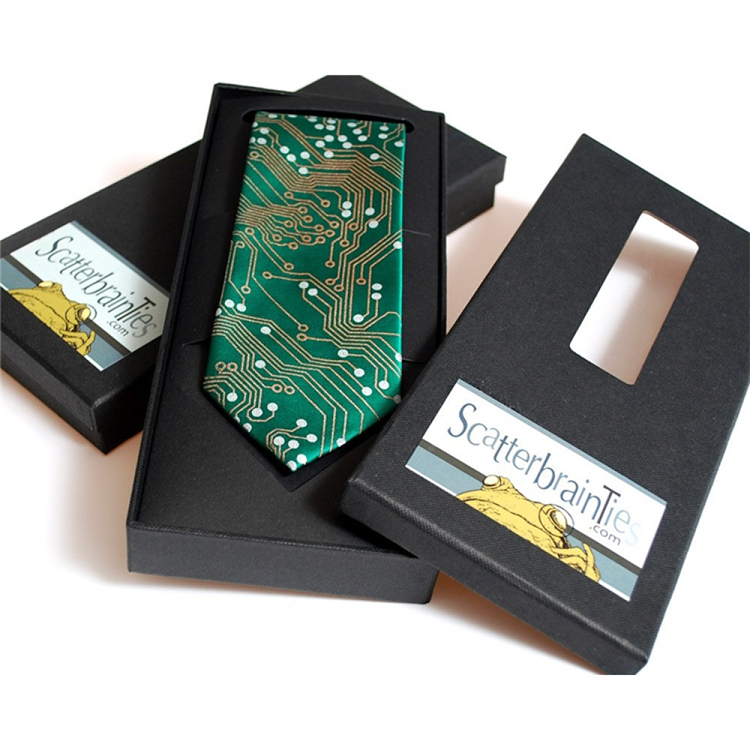
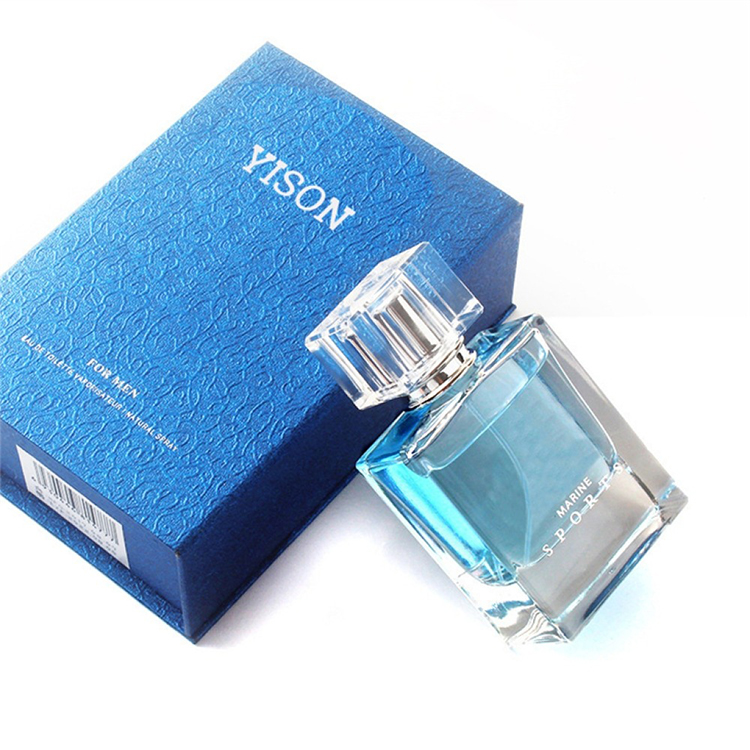
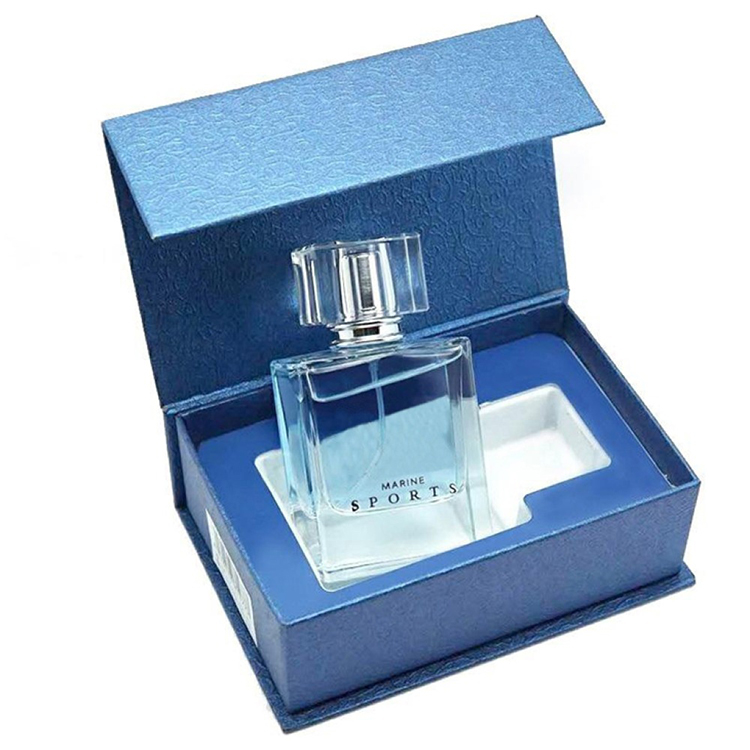
Textured wraps suit rigid luxury boxes, magnetic boxes, drawer boxes, lid-and-base boxes, and selected folding boxes. Applications include cosmetic packaging, perfume boxes, jewelry packaging, presentation boxes, retail bags, invitations, and branded stationery.

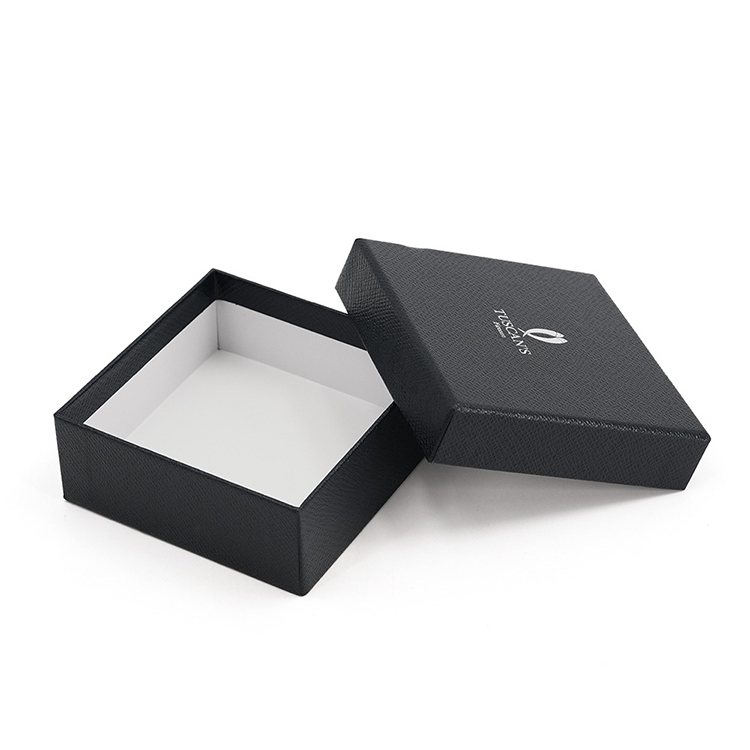
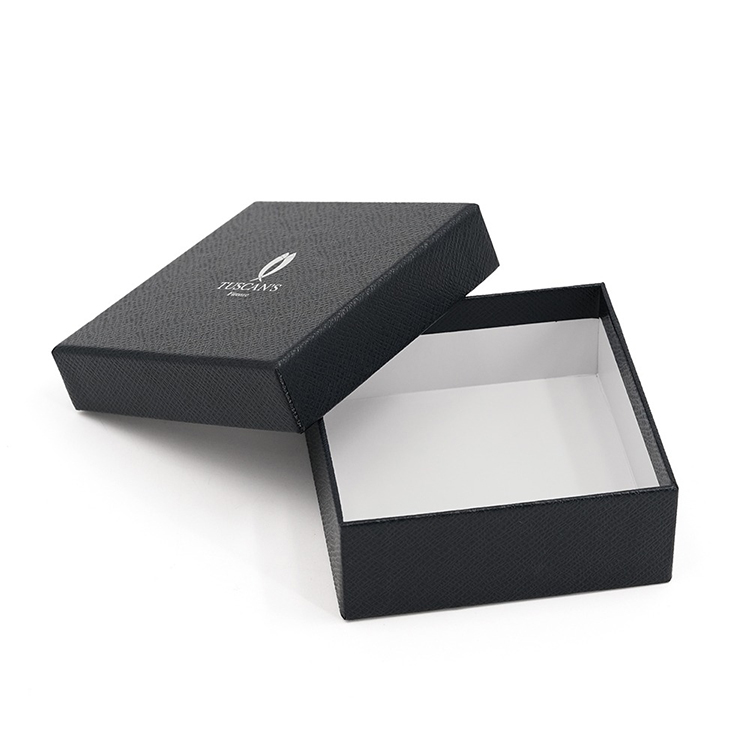
For rigid packaging, the paper is typically wrapped over paperboard, so the wrap, board, edge treatment, and adhesive method must work together. Folding formats also require checks for grain direction, crease behavior, scuff visibility, and ink coverage.


Build a Complete Custom Packaging Specification

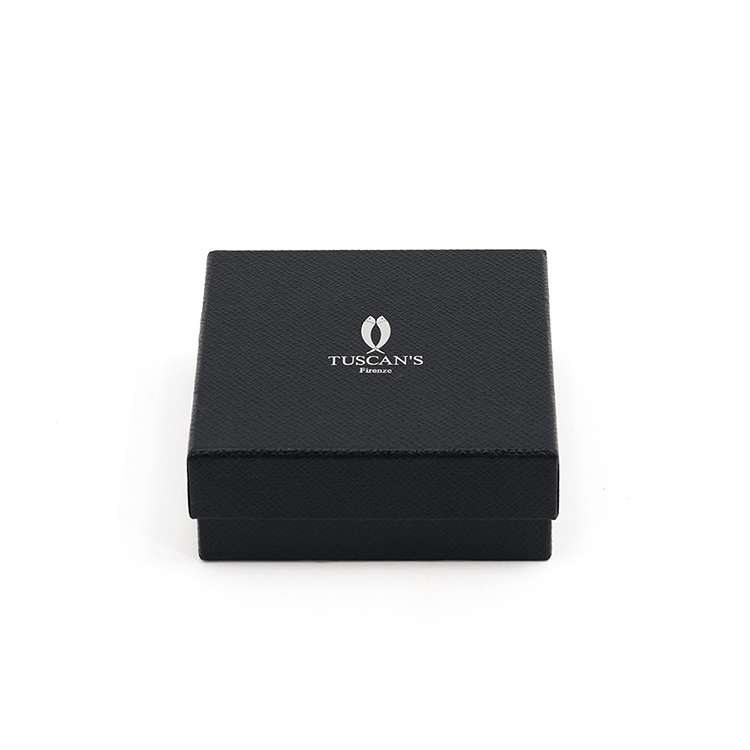
Xing Dian Packaging can coordinate texture, paper color, size, structure, graphics, labels, and logo finishing. A pale linen wrap with blind debossing communicates differently from dark felt paper with metallic foil stamping, even on the same box structure.

Share the dieline or product dimensions, box style, brand colors, artwork, insert needs, and target quantity. If the stock is undecided, describe the desired tactile effect and request comparable options for magnetic, drawer, lid-and-base, folding, or other custom boxes.

Which Paper Texture Fits Your Brand?

TextureVisual and tactile effectDesign direction
LinenFine woven crosshatchTailored, classic
LaidSubtle parallel linesRefined, understated
FeltSoft, irregular grainWarm, natural
HammeredUneven, faceted reliefDecorative, light-catching
DimpledRepeating depressionsModern, rhythmic
EmbossedPressed standard or custom patternGraphic, brand-led

Color and texture scale can change the result. Compare material samples under the lighting in which the finished packaging will be viewed.

How Will Texture Affect Printing and Finishing?

Texture changes how artwork meets the surface, making a physical proof important.

  • Ink coverage: Deep peaks and valleys can make solid colors look less even; test fine text and large dark areas.

  • Hot foil stamping: Shallow textures may allow cleaner contact, while deep relief can create breaks. Confirm foil, die, heat, and pressure by sampling.

  • Embossing, debossing, and letterpress: Added relief competes with the base texture, so scale and position need clear hierarchy.

  • Coating and lamination: A coating may alter shade, sheen, adhesion, or tactile depth. Check compatibility on the selected stock.

Performance depends on the exact paper, artwork, process, and equipment. Approve a representative printed sample before production.

What is textured paper, and how is it used in packaging?

Textured paper has a visible or tactile surface such as linen, laid, felt, hammered, dimpled, or embossed. Packaging manufacturers commonly use it as a wrap or facing material over paperboard for gift boxes, cosmetic packaging, perfume boxes, jewelry boxes, retail bags, and presentation packaging.

Choose according to the intended brand character and artwork. Linen and laid finishes create a structured, understated appearance; felt textures feel softer and more organic; hammered and dimpled papers produce stronger visual relief. Review physical samples because color, lighting, and texture scale can change the final appearance.

Yes, but the result depends on the selected paper and texture depth. Deep textures can affect ink coverage and foil contact, while embossing or debossing may flatten part of the original surface. Paper manufacturers recommend testing textured stocks because they can absorb more ink than smooth paper and may require specific production adjustments. Neenah Paper’s printing guidance also identifies foil stamping, embossing, and die-cutting as compatible techniques, subject to the chosen paper.

Yes. Xing Dian Packaging’s supplier profile states that samples are available upon request, with arrangements depending on project complexity. Ask for relevant material swatches first, followed by a structural or printed sample when necessary. Confirm the texture, color, print coverage, foil appearance, folds, box fit, and surface finish before approving production. View the verified supplier profile.

Provide the box style, finished dimensions, expected quantity, preferred texture and color, artwork, printing method, logo finish, insert requirements, and delivery destination. Xing Dian Packaging can then confirm suitable materials, customization options, sampling arrangements, pricing, and the project schedule.

Textured Paper Packaging FAQs for Custom Box Customers

Get clear answers about textured paper types, printing and finishing compatibility, material samples, customization options, and quotation requirements for branded paper packaging.