-
Business Email enquiry@xdpackaging.com
-
Hotline +86 135 3401 0101
-
Factory Address Xinfa Group Industrial Building, Gushu 1st Road, Shenzhen
Boxes by Materials: Choosing the Right Material for Packaging
The main categories are paperboard and cardstock for printed retail packs, rigid board for premium gift presentation, kraft paper—an often-brown paper stock—for a natural surface, and corrugated board for delivery protection. The packaging box material you choose affects strength, print quality, structure, packed weight, and cost. This guide helps brands, retailers, e-commerce businesses, and purchasing managers match performance and appearance to the product, sales channel, and shipping route.
What Types of Box Material Are Used in Packaging?
Most paper-based boxes and packaging use paperboard, rigid board, or corrugated board. Each family suits different types of packaging: lightweight retail display, high-end presentation, or protective transit.
Paperboard is a compact sheet made from pulp, often based on wood pulp or recovered fibre. Rigid formats use dense board with a paper wrap. Corrugate combines flat liners with a waved centre. This wide range of materials helps buyers balance graphics, strength, weight, and packaging cost across different materials.
Custom Packaging Boxes for Every Product
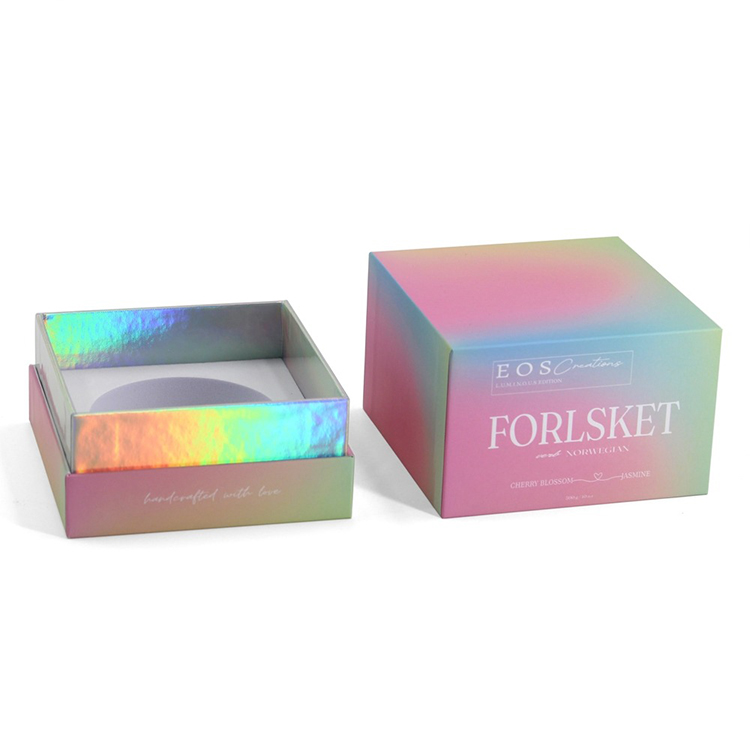
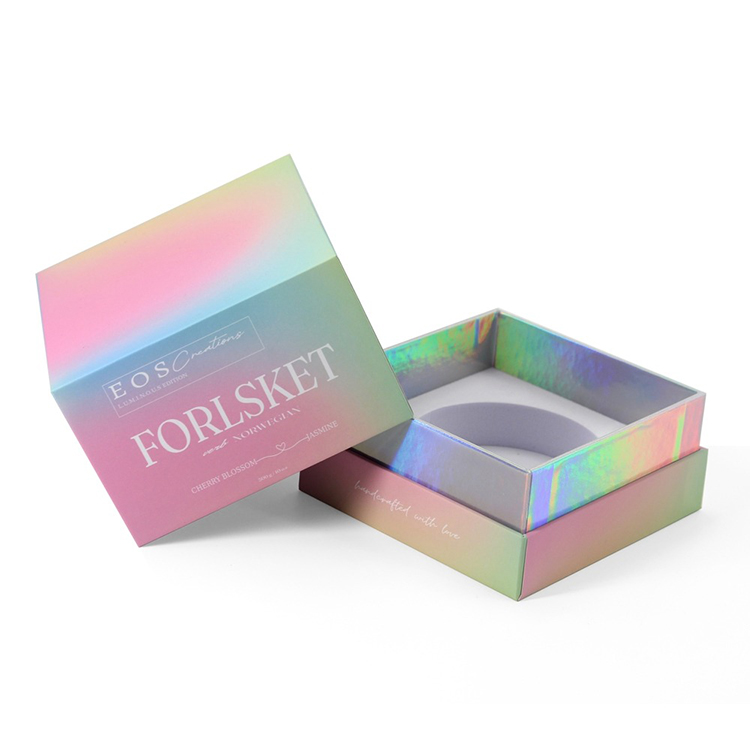
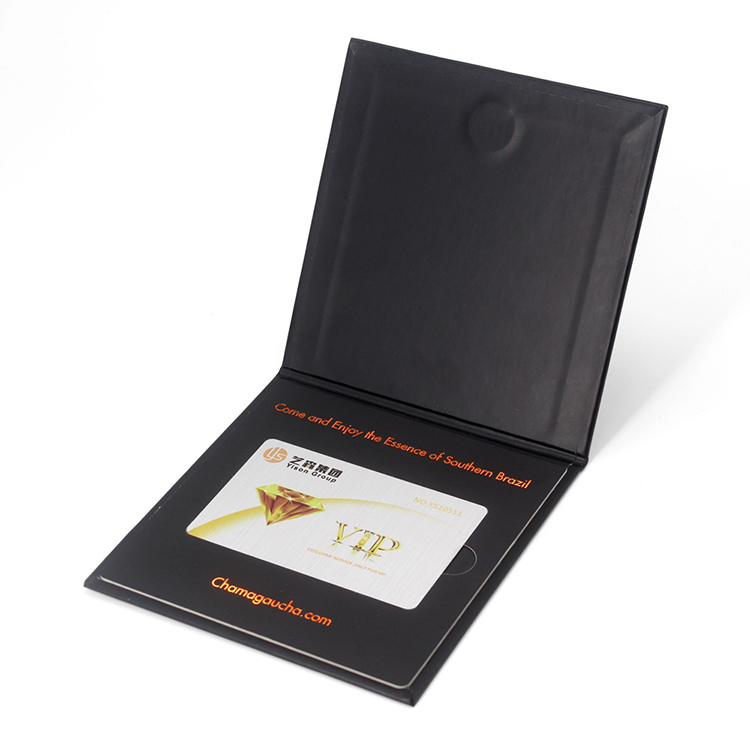
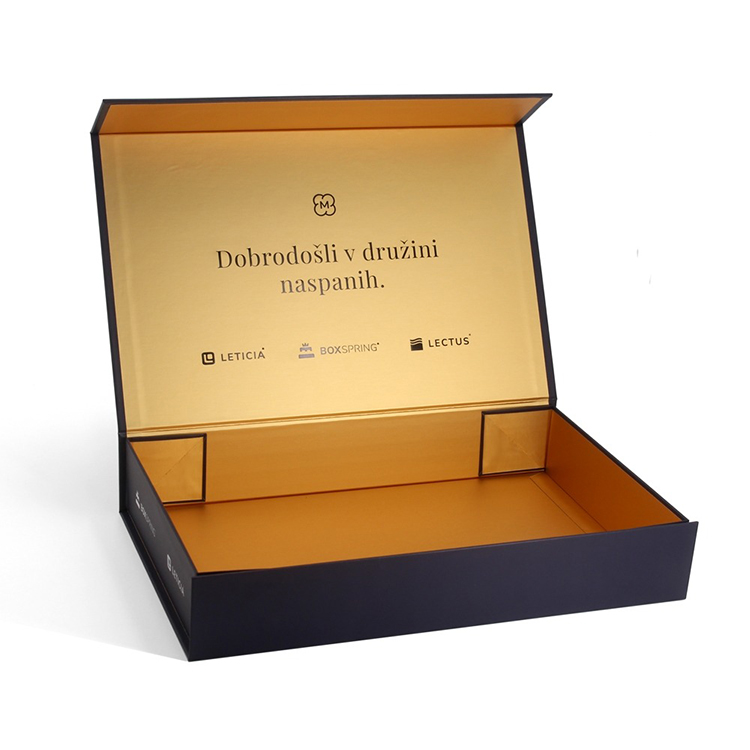
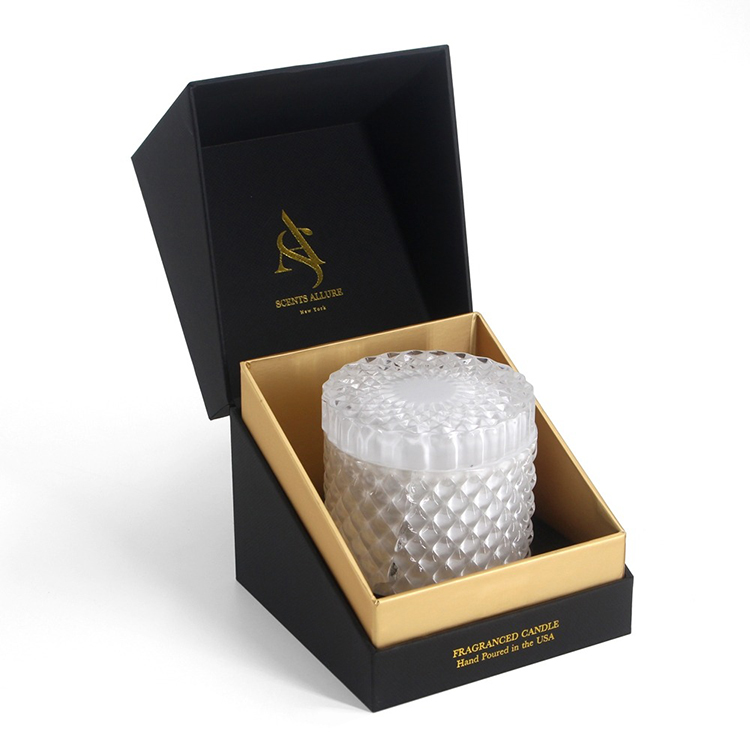
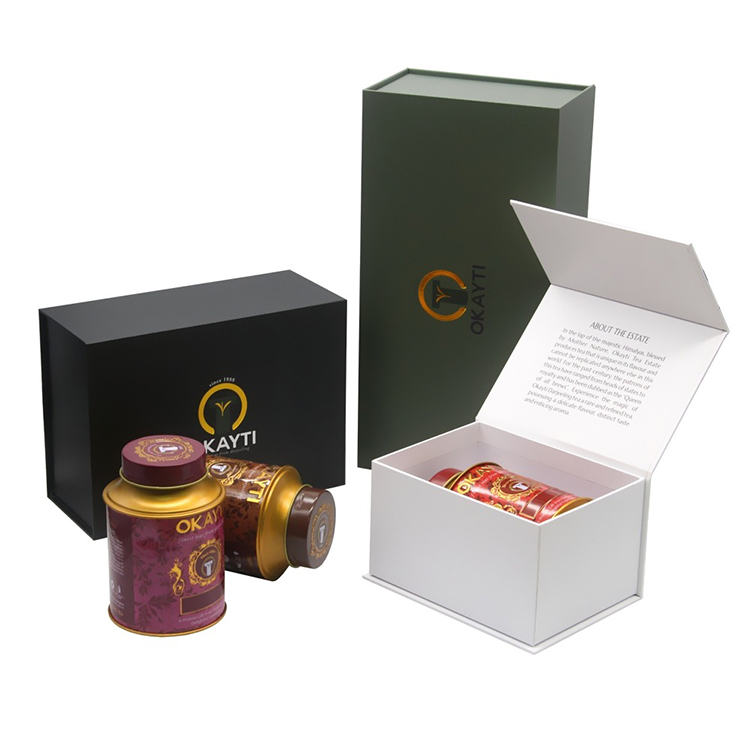
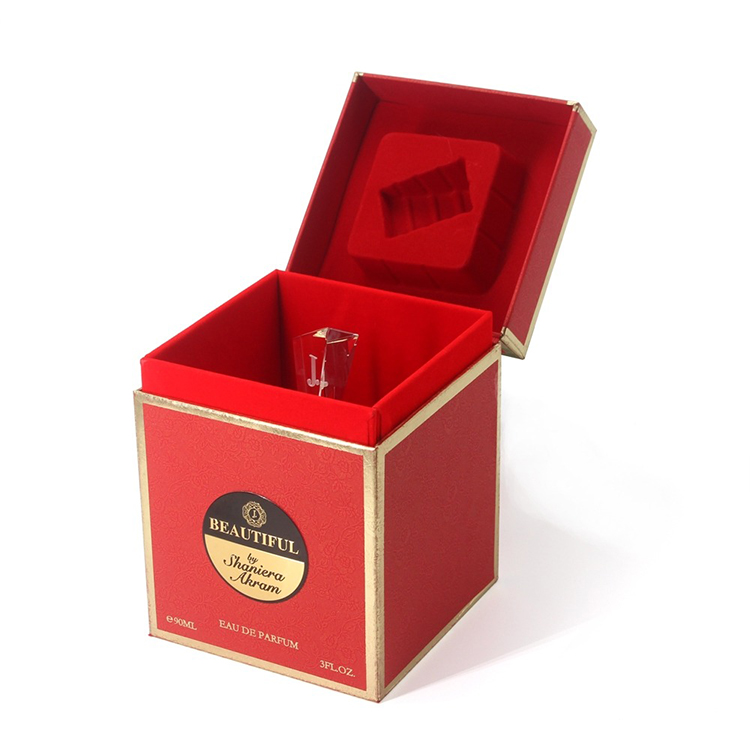
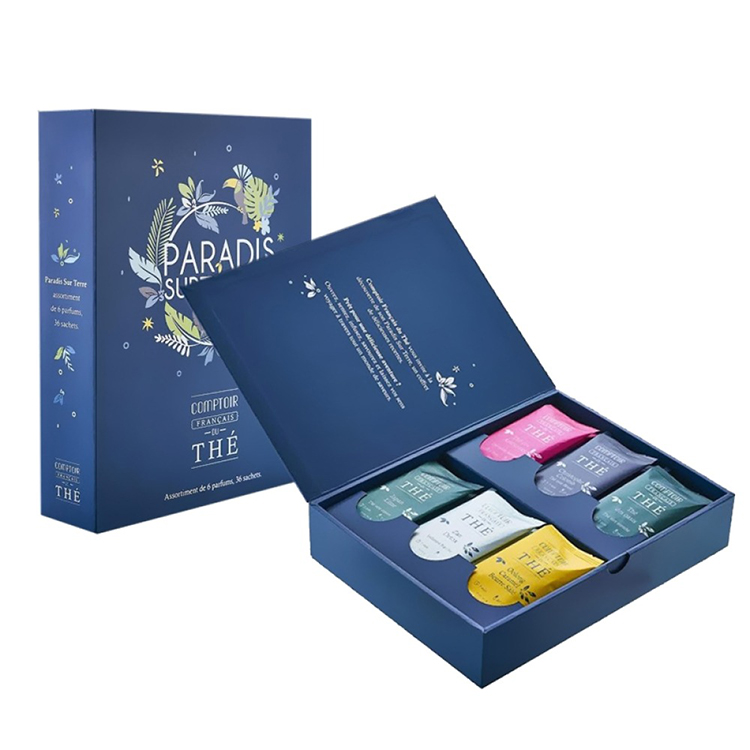
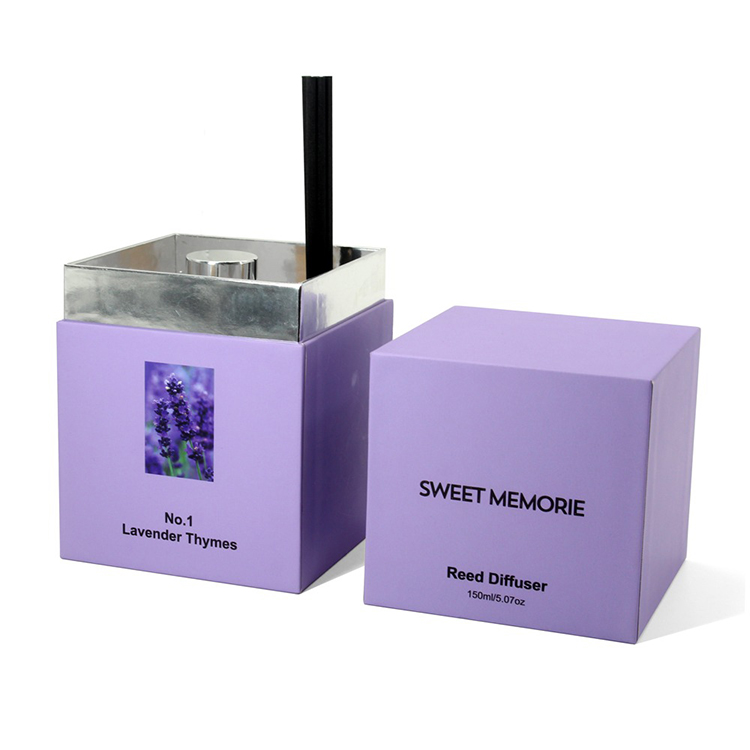
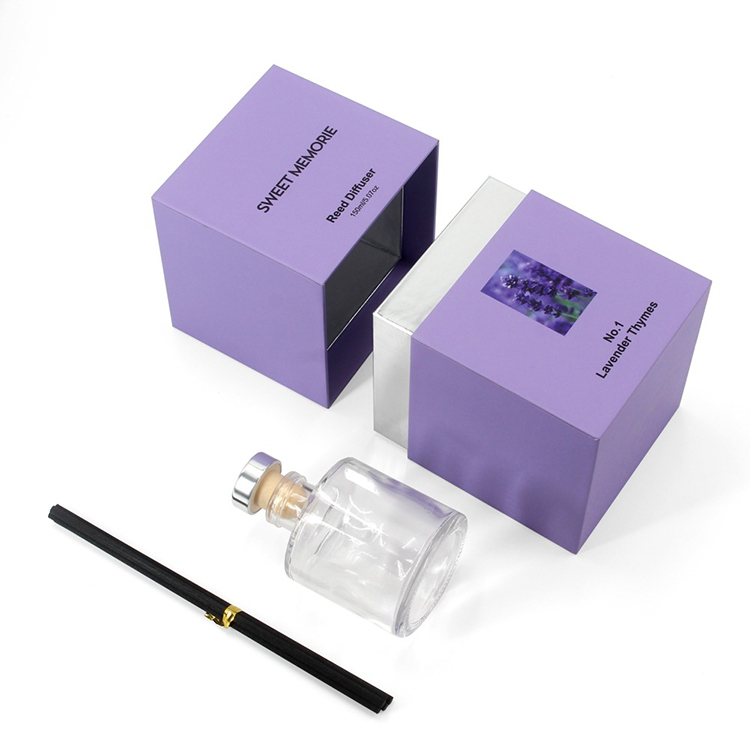
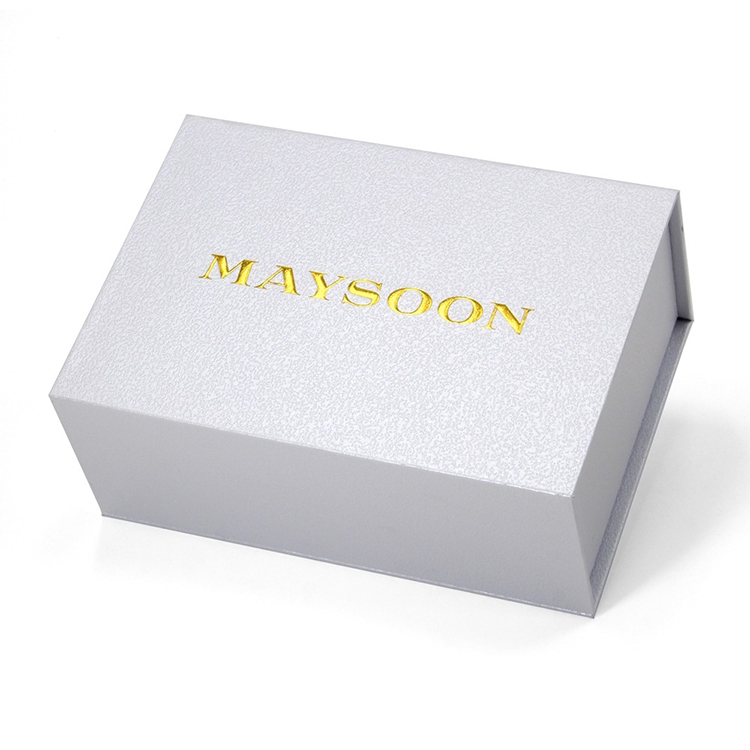
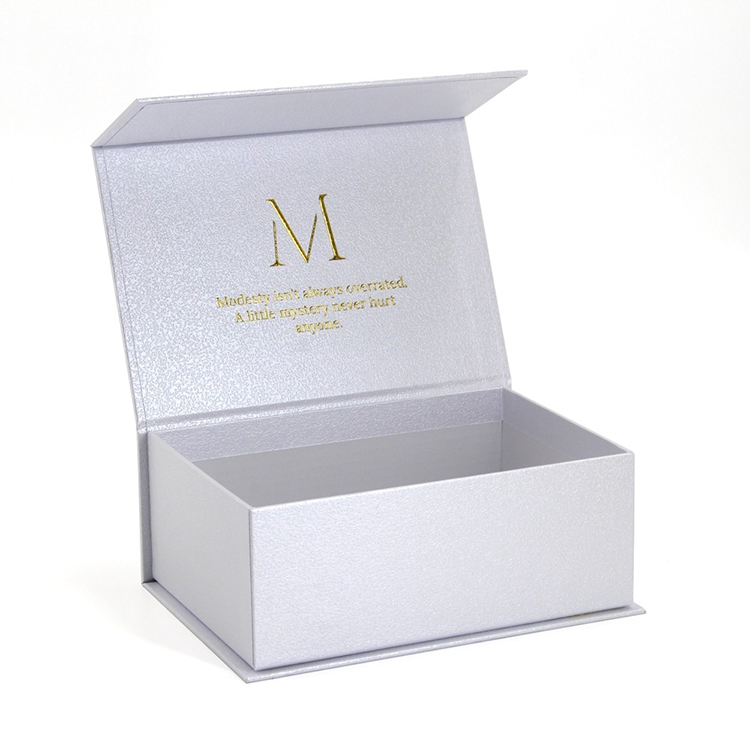
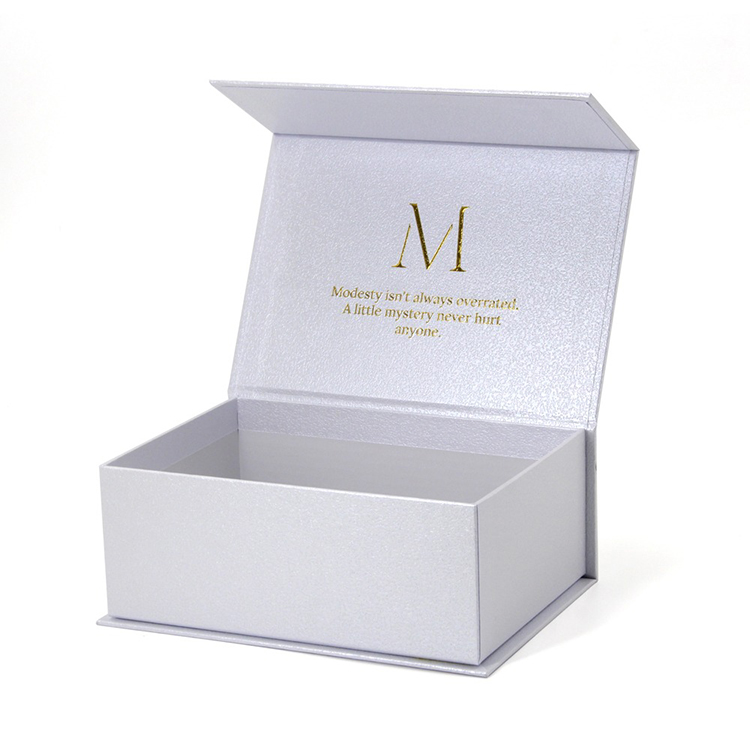
Explore custom rigid, magnetic, drawer, and gift boxes for fragrance, cosmetics, jewelry, electronics, apparel, and more. Compare box structures, inserts, printing, and finishes to find the right packaging solution for your product and brand.
Which Paperboard, Cardstock, SBS, Coated Board, or Kraft Fits Retail Display?
Paperboard and cardstock fit printed retail packaging where low weight and a clean folding structure matter. SBS is a solid bleached sulfate board with a smooth white surface for colour reproduction; coated paperboard adds a print-receptive finish, while unbleached kraft gives a natural brown appearance.
Folding carton stock can suit retail boxes, cosmetic packaging, and some food packaging, subject to product-specific compliance and barrier requirements. Kraft boxes can communicate a simple, natural look, but “natural” does not automatically mean eco-friendly. Recycled paperboard may show colour variation or offer different stiffness. Final caliper and grammage depend on size, contents, structure, and testing.
Why Use Rigid Box Greyboard or Chipboard for Gift Packaging?
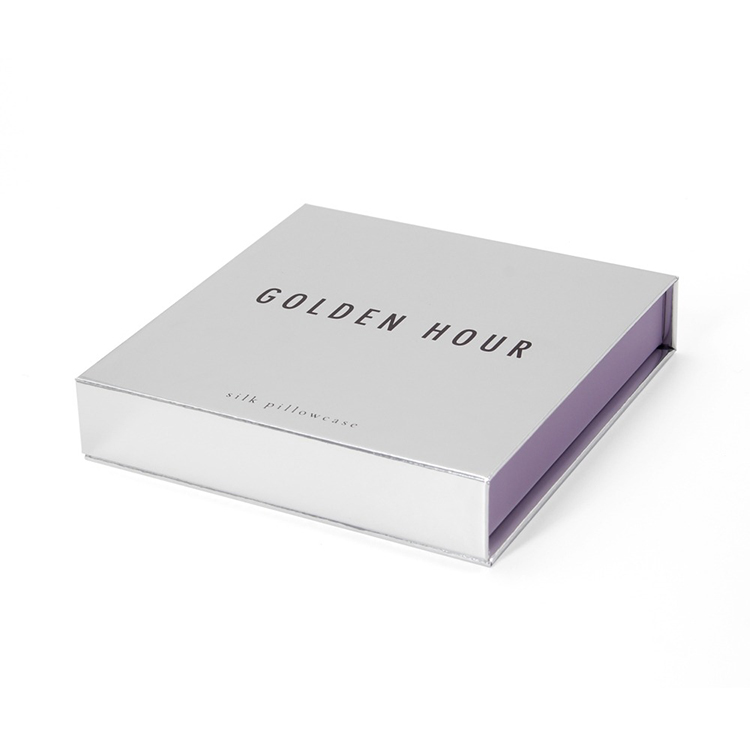
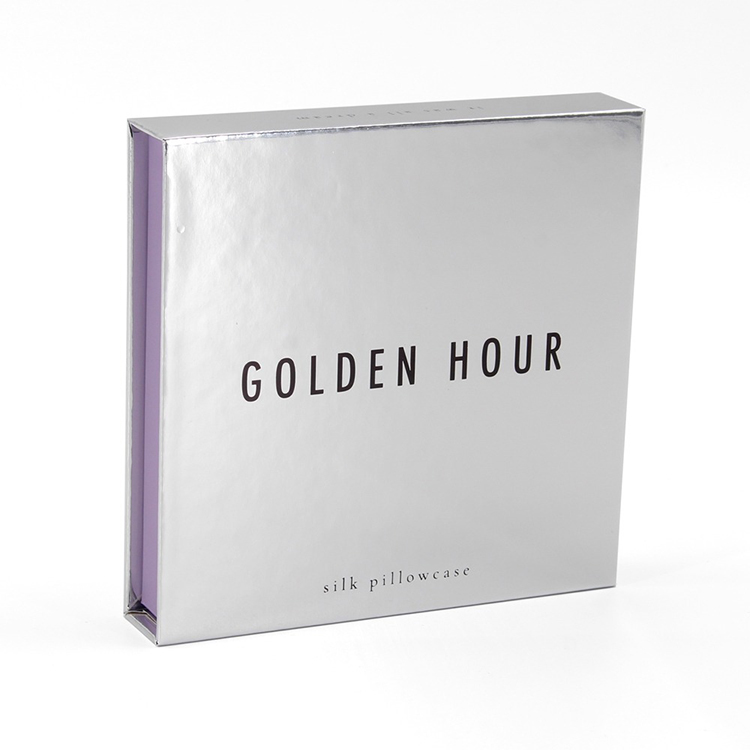
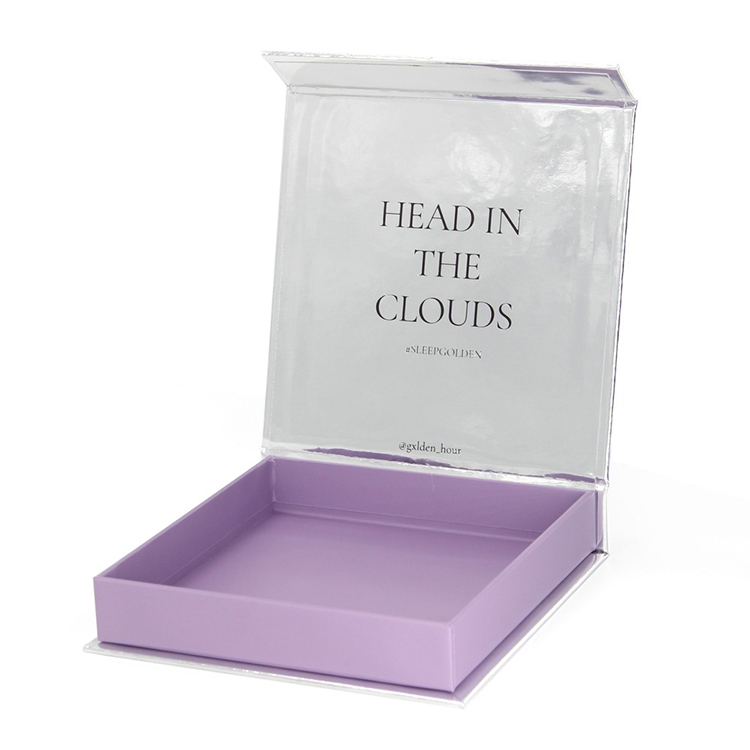
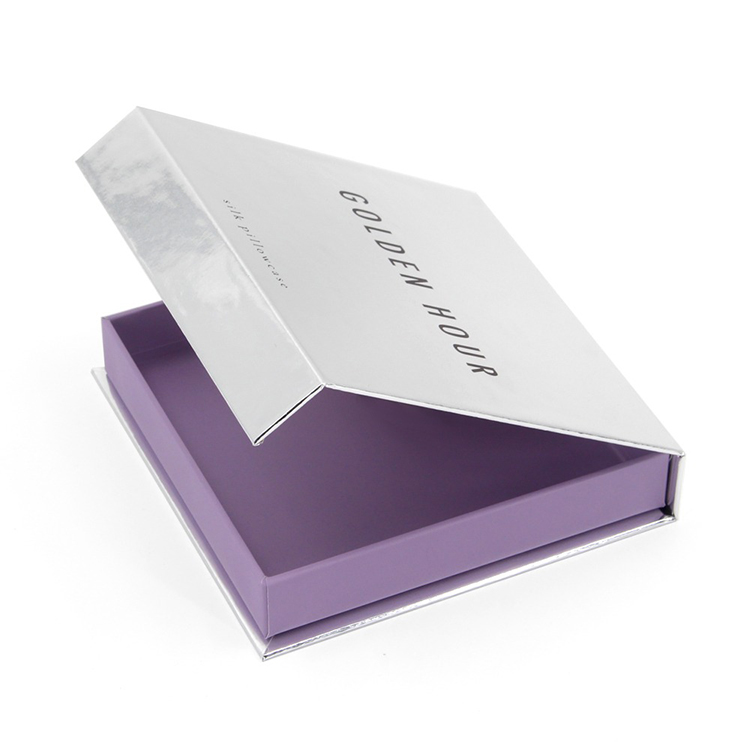
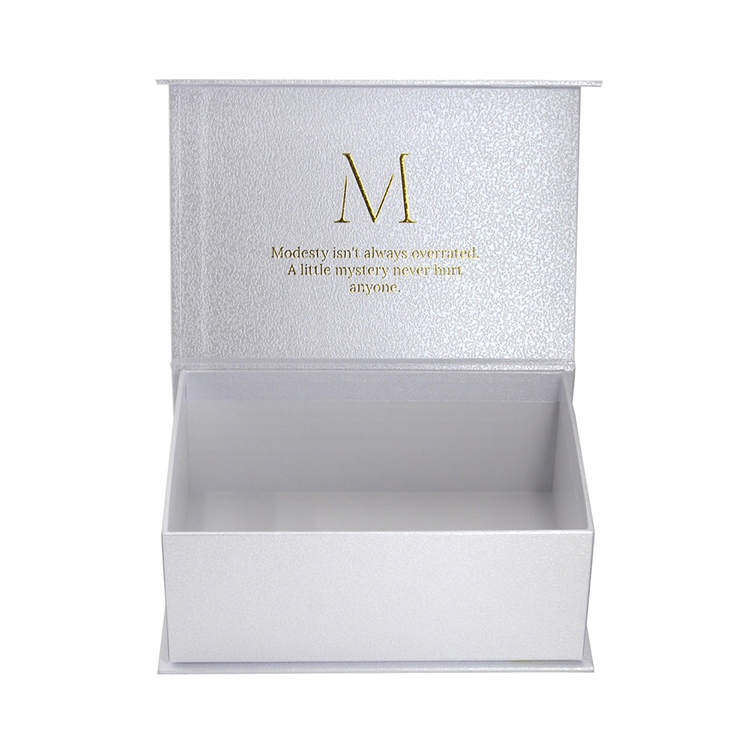
A rigid box uses dense greyboard or chipboard that keeps its shape rather than folding flat. The board is typically wrapped with printed or decorative paper, making it visually appealing for luxury packaging, jewelry boxes, presentation sets, and specialty boxes.
Rigid construction supports a deliberate unboxing experience and works with magnetic, drawer, or lid-and-base formats. It is heavier and usually uses more material than a folding carton, so buyers should weigh presentation against freight volume, assembly, and budget. Inserts, tissue paper, and closures should be specified alongside the outer gift box.
Which Packaging Material Best Matches Each Application?
The right box material depends on the product, channel, presentation target, and distribution risk. Use this comparison as a shortlist, then confirm the material used through samples and testing.
| Material | Best For | Protection Level | Visual Style | Key Consideration |
|---|---|---|---|---|
| Cardstock/SBS | Retail display and folding boxes | Light | Smooth, print-led | Best for lighter products |
| Kraft | Natural-look product packaging | Light | Brown, understated | Print colour may shift |
| Rigid grey board | Premium gift sets | Medium | Structured, refined | More weight and volume |
| E/F-grade corrugate | Online orders | Medium | Printable, practical | Validate fit and crush strength |
| Corrugated boxes | Delivery of heavy products | High | Transport-focused | Test board grade and structure |
How Do Weight, Shipping, Presentation, and Budget Guide Material Selection?
Start with product weight and fragility, then assess shipping method, retail display, and budget. A light folding packaging box may work at the point of sale, while a direct-to-consumer pack needs protection against drops, vibration, and compression.
For retail display, prioritise print surface and shelf proportions. For delivery, choose a structure with enough clearance for inserts but no avoidable empty volume. A premium gift may justify denser board, while efficient mailer formats can be ideal for e-commerce and subscription services. Sampling reveals how the chosen material influences box manufacturing, assembly, storage, and total landed cost.
Which Printing and Specialty Papers Create a Distinctive Finish?
Printing establishes colour and information; finishes adjust touch, sheen, durability, and brand cues. Common packaging options include a matte or gloss laminate, emboss details, a foil stamp, textured paper, metallic paper, and other decorative stocks.
Decoration must suit the substrate and structure. Fine graphics often reproduce cleanly on SBS, while kraft can soften colour contrast. A laminate may improve scuff resistance but can affect the environmental impact and whether a pack is recyclable in local systems. Claims about sustainable packaging or eco-friendly boxes should consider coatings, adhesives, material combinations, and available collection infrastructure.
Why Ask Shenzhen Xing Dian Yin Lian for Packaging Guidance?
Custom guidance connects structure, graphics, finishing, packing, and transport into one packaging solution. Shenzhen Xing Dian Yin Lian Paper Packaging Co., Ltd. publicly lists Gift Boxes, Magnetic Boxes, Drawer Boxes, Lid and Base Boxes, and Folding Boxes, giving buyers relevant structural starting points for packaging products and the right packaging.
Share your application and preferred box packaging format so the team can discuss suitable packaging needs and practical choices. To request a quotation for custom packaging boxes, provide your product type, box dimensions, quantity, preferred material, printing requirements, and destination.

How do I choose the right box material for my product?
Start with the product’s weight, fragility, dimensions and shipping method. Paperboard works well for lightweight retail products, rigid board supports premium presentation, and corrugated board provides additional cushioning and compression resistance for delivery. Your budget, desired appearance and storage requirements should also guide the final specification.
What is the difference between paperboard, rigid board, kraft and corrugated cardboard?
Paperboard is a lightweight, printable material commonly used for folding cartons. Rigid board is a dense, non-collapsible material often wrapped with decorative paper for gift boxes. Kraft offers a natural brown appearance, while corrugated cardboard places fluted paper between linerboards to improve cushioning and structural strength. Fibre Box Association
Which box material is best for e-commerce shipping?
Corrugated cardboard is generally the first material to consider for e-commerce shipping because its fluted construction combines rigidity with cushioning. E-flute and F-flute can suit compact printed mailers, while heavier products may require stronger single-wall or multi-wall constructions. The final board grade should be confirmed through samples and transit testing. Fibre Box Association
Can printing and premium finishes be applied to every material?
Most paper-based materials support printing and decorative finishes, but the result varies by surface and box structure. Options can include matte or gloss laminate, foil stamping, embossing, textured paper and metallic paper. Buyers should request a physical sample because colour, detail and finish adhesion may appear different on SBS, kraft, rigid-box wraps and corrugated board.
What information should I provide when requesting a custom box quotation?
Provide the product type, finished box dimensions, order quantity, preferred material, box structure, artwork, printing requirements, special finishes, inserts and destination. Shenzhen Xing Dian Yin Lian Paper Packaging Co., Ltd. publicly lists Gift Boxes, Magnetic Boxes, Drawer Boxes, Lid and Base Boxes, and Folding Boxes as its main categories, offering relevant starting points for discussing a custom specification. Official supplier page

Box Material FAQs for Custom Packaging Customers
Get practical answers about paperboard, rigid board, kraft and corrugated boxes, including material selection, printing options, shipping protection and quotation requirements.