



Not sure about the box structure, materials, inserts, or production feasibility? Our engineering team can review your requirements and recommend a practical packaging solution.
Share your box type, size, quantity, materials, printing, and delivery requirements. Our sales team will help you prepare a clear quotation and sourcing plan.
Have questions about cooperation, production capabilities, large-volume orders, or long-term sourcing? Talk directly with our managing team before you leave.

Paper packaging sustainability data gives procurement and ESG teams the evidence needed to compare fiber-based formats responsibly. Our approach documents recycled content, itemizes every material component, reports recyclability limitations, and quantifies material reduction against an approved baseline—so buyers can evaluate claims, meet supplier requirements, and source packaging with confidence.
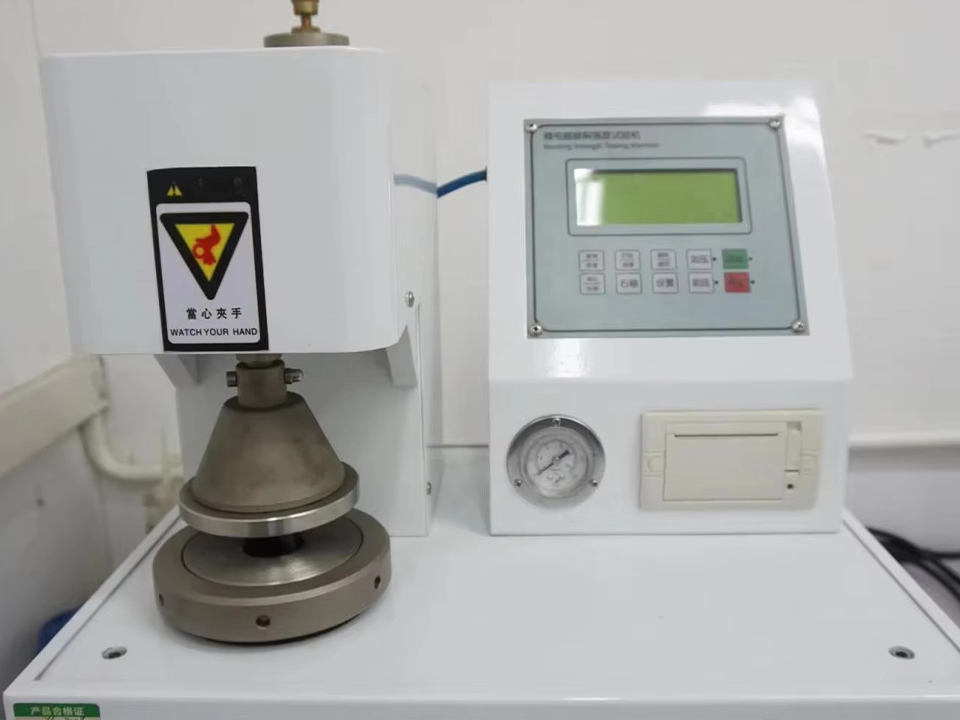
Seven QC inspectors manage 14 checkpoints spanning incoming material inspection, in-process control and final shipment inspection. Our production flow covers laminating, hot stamping, die-cutting, V-grooving, gluing, vision locating, forming, assembly, QC and packing.
Seven QC inspectors manage 14 checkpoints spanning incoming material inspection, in-process control and final shipment inspection. Our production flow covers laminating, hot stamping, die-cutting, V-grooving, gluing, vision locating, forming, assembly, QC and packing.
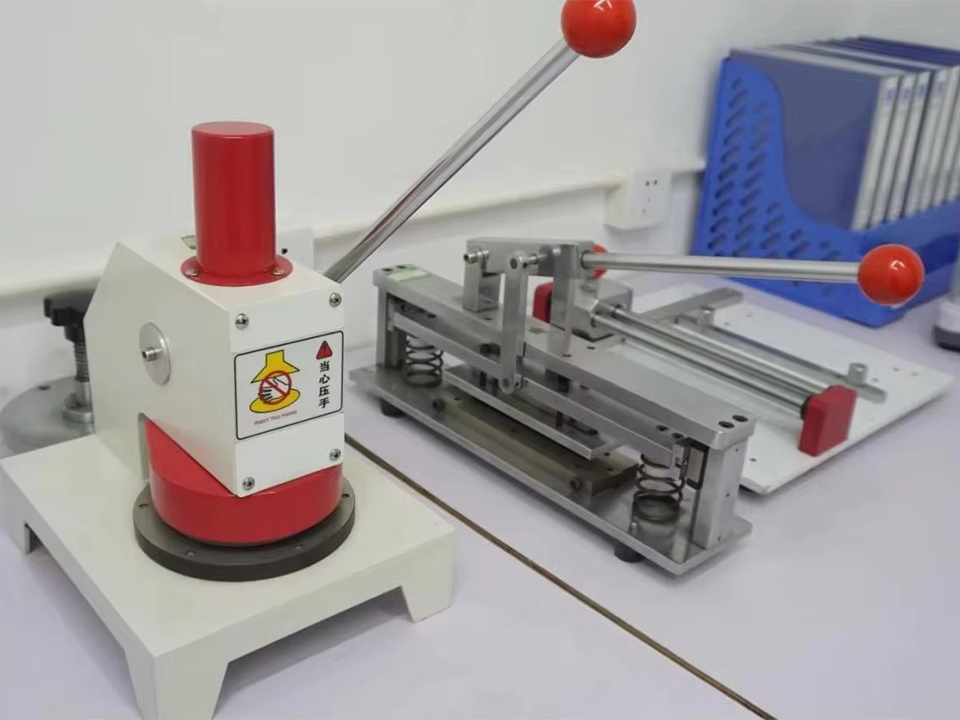
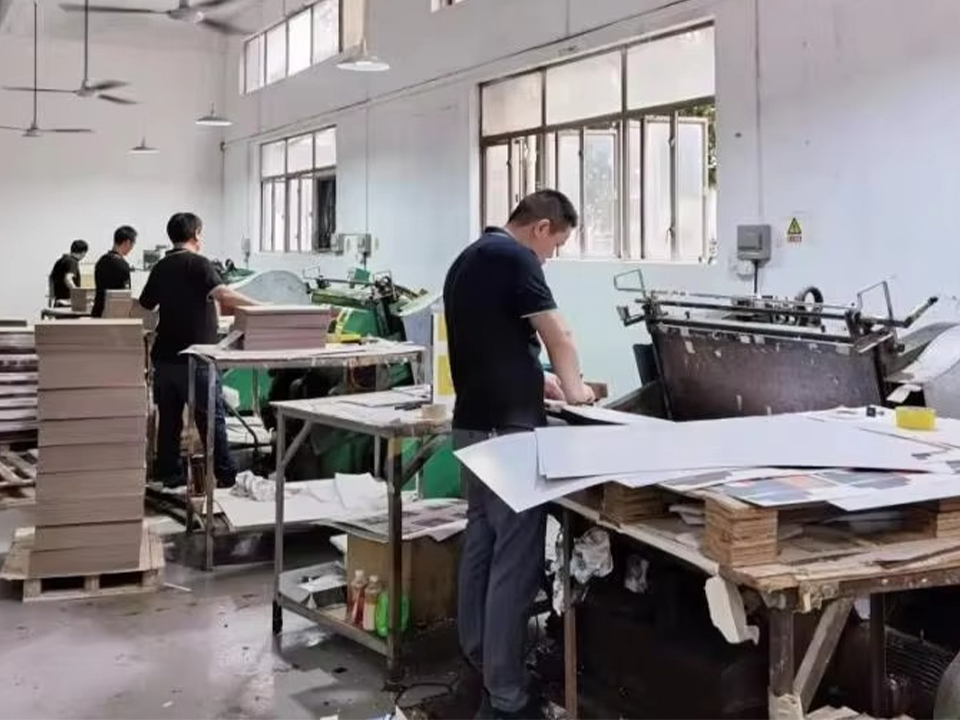
We are Shenzhen Xing Dian Yin Lian Paper Packaging Co., Ltd., established on September 8, 2011. Our TÜV Rheinland-verified profile documents a 9,288 m² facility, 93 employees and 31 production machines across 14 equipment types.
Six R&D engineers support structure, material, graphics, sizing and sample customization, while four awarded patents reflect our ongoing development. Seven QC inspectors manage 14 checkpoints across incoming material, in-process and final shipment inspection. Six types of testing equipment support in-line inspection, compression testing, ink testing, environmental conditioning and fracture-strength checks. Production covers laminating, hot stamping, die-cutting, V-grooving, gluing, automatic forming, hand assembly, QC and packing.
For each approved packaging SKU, we document recycled content by component mass, disclose the complete material structure, identify design elements and local factors that may limit recyclability, and compare material use against an agreed baseline.
We identify the paperboard, outer wrap, inks, adhesives, inserts and closures selected for the finished package so procurement teams can review the complete structure—not only its primary paper component.
We qualify recyclability according to the final construction. Films, magnets, ribbons, foam inserts, windows, heavy finishes and local collection rules can change the appropriate end-of-life instruction.
When we optimize a current package, we compare the new design with an agreed baseline. The record can include unit weight, dimensions, component count, packing configuration and the performance checks required for approval.
Compare fiber sourcing, recycled content, material composition, recyclability limitations, reduction baselines and supporting evidence across our custom paper packaging formats. Every specification is reviewed at SKU level, giving procurement and ESG teams a clear, traceable basis for material selection, supplier evaluation and responsible environmental claims.
| Packaging Format | Fiber Sourcing | Recycled Content | Material Breakdown | Recyclability Limits | Reduction Baseline | Evidence Package |
|---|---|---|---|---|---|---|
| Gift Box | FSC options by request | Verified by component mass | Board, wrap, ink, adhesive | Inserts disclosed separately | Current gift box baseline | BOM and supplier records |
| Magnetic Box | FSC options by request | Verified by component mass | Board, wrap, ink, magnets | Magnets require separation | Current magnetic box | BOM and separation notes |
| Drawer Box | FSC options by request | Verified by component mass | Sleeve, tray, ink, adhesive | Pulls and inserts disclosed | Current drawer-box baseline | BOM and recovery review |
| Lid & Base Box | FSC options by request | Verified by component mass | Lid, base, wrap, adhesive | Coatings assessed by SKU | Current two-piece baseline | BOM and material records |
| Folding Box | FSC options by request | Verified by component mass | Board, ink, adhesive | Finish affects recyclability | Current folding baseline | BOM and test evidence |
We combine SKU-level material records, verified factory controls and qualified recyclability guidance to support responsible B2B packaging sourcing.
We document recycled content, material components and reduction baselines for each approved pack specification, giving teams clear proof for each SKU.
Our third-party-verified factory uses seven QC inspectors and six testing-equipment types to control materials, production and final shipment quality.
We identify coatings, magnets, inserts and other recycling limits, helping buyers communicate recyclability with appropriate market-specific guidance.
From premium gifts and beauty products to jewelry, tea, consumer technology and apparel, we develop custom paper packaging around each product’s protection, presentation and material requirements. Every structure can be reviewed at component level, helping B2B buyers make clearer sourcing decisions and maintain more transparent sustainability documentation.
We create magnetic, drawer, lid-and-base and folding boxes for branded gift sets, with materials tailored to each product and brief. We document board, wraps, finishes and closures so buyers can review protection and material choices before approval.
We develop rigid boxes for cosmetics, skincare and fragrance, with boards, wraps, finishes and inserts documented for buyer review. Each structure is tailored to product size and brand standards, helping buyers assess materials before final approval.
We engineer drawer and magnetic boxes for jewelry and watches, using product-specific inserts and clearly identified non-paper parts. Materials, finishes, dimensions and closures are reviewed to balance box protection, presentation and recyclability.
We design presentation boxes for tea, confectionery and curated sets, balancing shelf impact, product protection and material use. Board grade, wraps, inserts and finishes are selected, then documented for responsible fiber sourcing and buyer review.
We build structured boxes for electronics and accessories, matching protective inserts, pack dimensions and materials to each product. Our team reviews board, wraps, finishes and non-paper parts so buyers can assess product presentation and recovery.
We supply folding and presentation boxes for apparel and retail launches, with custom structures, finishes and documented components. Each design reflects product size, brandcodes standards and distribution needs, giving buyers better material visibility.
Get clear answers regarding recycled content, recyclability limitations, FSC-certified materials, component disclosure, lab testing, packaging reduction, and the information needed to request a quote for responsible custom packaging.
We calculate recycled content by mass for each approved packaging specification. The calculation identifies every component, its weight, its verified recycled fraction and whether the recovered material is pre-consumer or post-consumer.
Because our packaging is customized, we do not publish one recycled-content percentage for every box. The value must match the materials actually purchased and used for that SKU.
No. Recyclability depends on the entire finished package. Films, magnets, ribbons, foam inserts, windows, adhesives, heavy finishes, product residue and package dimensions can affect collection, sorting or fiber recovery.
We therefore disclose relevant recyclability limitations and recommend confirming acceptance in the destination market rather than describing every paper-based structure as universally recyclable.
A defensible evidence file should identify the complete packaging construction, component percentages, test method, laboratory, test date, fiber-recovery results and known collection or processing limitations.
Where a buyer requires laboratory validation, we define the test method and acceptance criteria before production. Our supplier profile confirms partial third-party testing capability and six types of in-house testing equipment.
Yes. For an agreed optimization project, we compare the approved baseline and redesigned package by unit weight, dimensions, component count and packing configuration.
We record the percentage change alongside the agreed performance checks. This provides material reduction evidence tied to a specific package rather than an unsupported general claim.
Yes, subject to the selected materials and order documentation. We hold FSC Chain of Custody certificate SGSHK-COC-332603, issued by SGS and valid through December 14, 2030. An FSC claim can be used only when the approved paper, production records, sales documents and label authorization satisfy the applicable certificate requirements.
No. Recycled content describes the material used to manufacture a package, while recyclability concerns whether the finished structure can be collected, sorted and processed. Coatings, adhesives, magnets, inserts, product residue and local infrastructure may affect recovery, so we evaluate and communicate these attributes separately.
Possibly, but the answer depends on the finished construction. The amount and type of film, coating, foil, adhesive and other non-fiber components can affect separation and fiber recovery. We disclose the selected finishes and recommend package-level recyclability testing when technical validation is required.
Our proposed breakdown identifies the paperboard, outer wrap, inks, adhesives, coatings, films, windows, magnets, ribbons, inserts, labels and closures used in the approved structure. Where data is available, each component can include its material type, mass, verified recycled fraction, function, separability and evidence source.
The agreed evidence package may include the approved bill of materials, component weights, supplier declarations, recycled-content calculations, applicable FSC documentation, technical data sheets, test reports, artwork specifications and recyclability limitations. We confirm the required documents during quotation so expectations are clear before production begins.
Please provide the product dimensions and weight, current packaging specification, annual order volume, destination markets, protection requirements, preferred box style and target materials. If available, also share your existing package weight, recycled-content target, restricted materials and required testing or certification documents.