-
Business Email info@xdpackaging.com
-
Hotline +86 135 3401 0101
-
Factory Address Xinfa Group Industrial Building, Gushu 1st Road, Shenzhen
Custom Electronics Boxes for Devices and Accessories
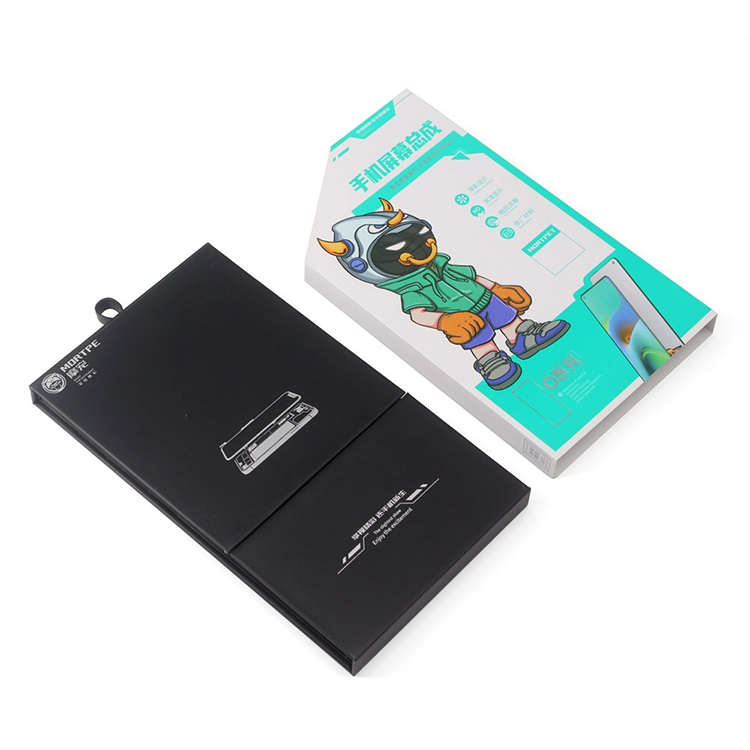
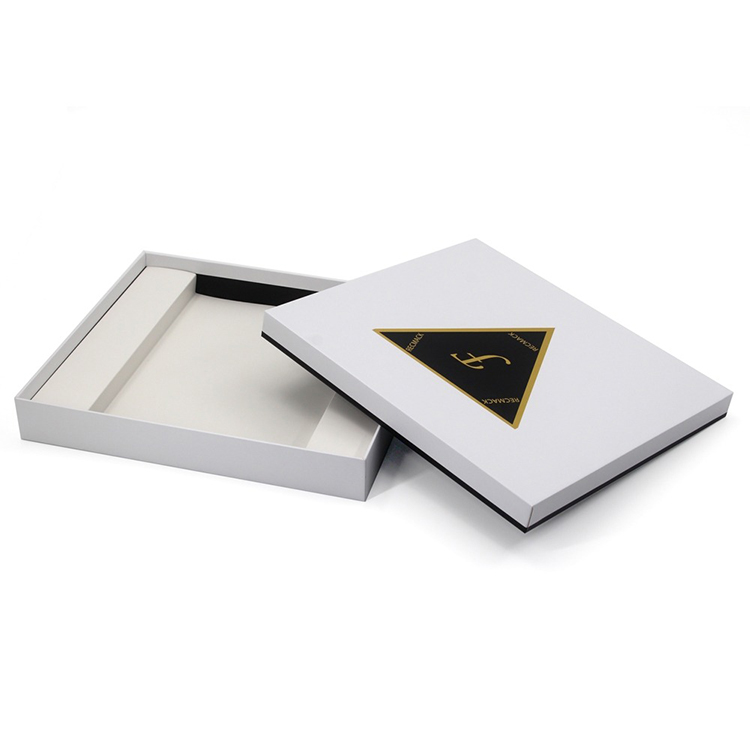
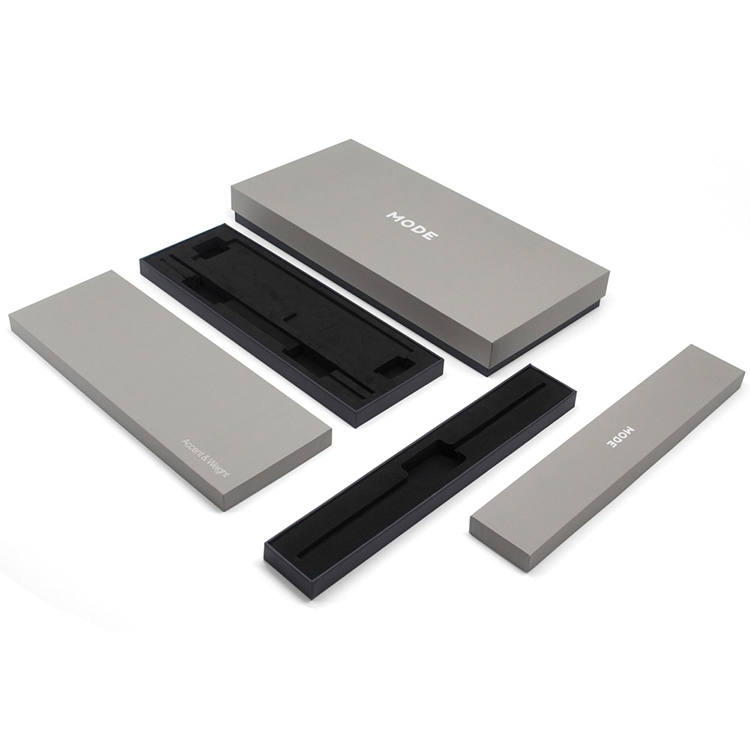
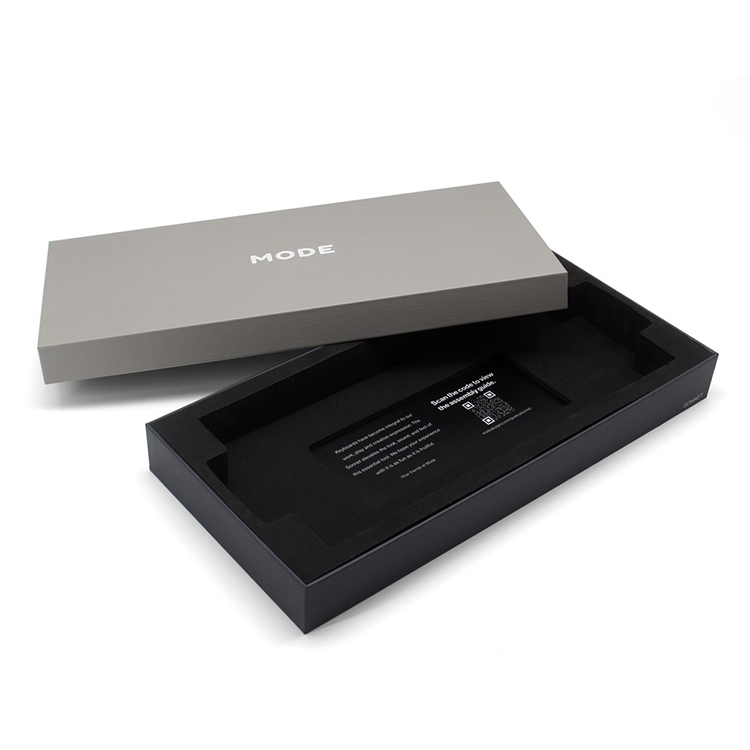
Consumer electronics boxes are made-to-order paperboard packages that protect phones, headphones, chargers, smartwatches, and accessories while presenting them clearly. Sized around each product, they can combine printed graphics, labels, and a fitted insert for organized storage, shipping, and display.
What Are Consumer Electronics Packaging Boxes?
They are product-specific paperboard packages created to contain, protect, identify, and present devices. Unlike a generic stock carton, these packaging solutions match product dimensions, accessory arrangement, sales channel, and visual identity.
A typical specification can define:
Internal and external dimensions
Board and structural format
Artwork, product information, barcodes, and labels
A cardboard, molded-pulp, or foam insert
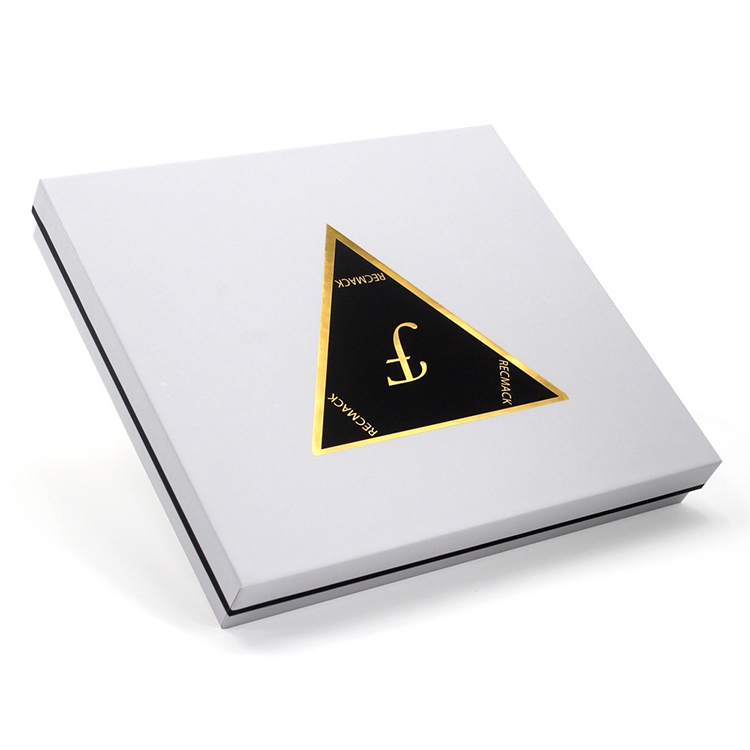
Matte lamination, foil stamping, or embossing
The result organizes the device, cables, manuals, and other components. It supports handling and presentation while creating a more considered unboxing experience.
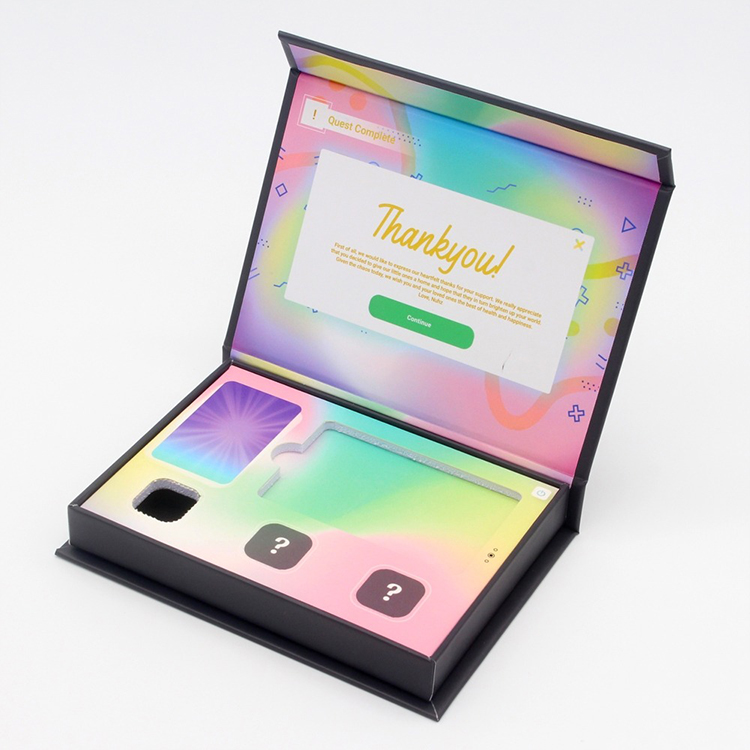
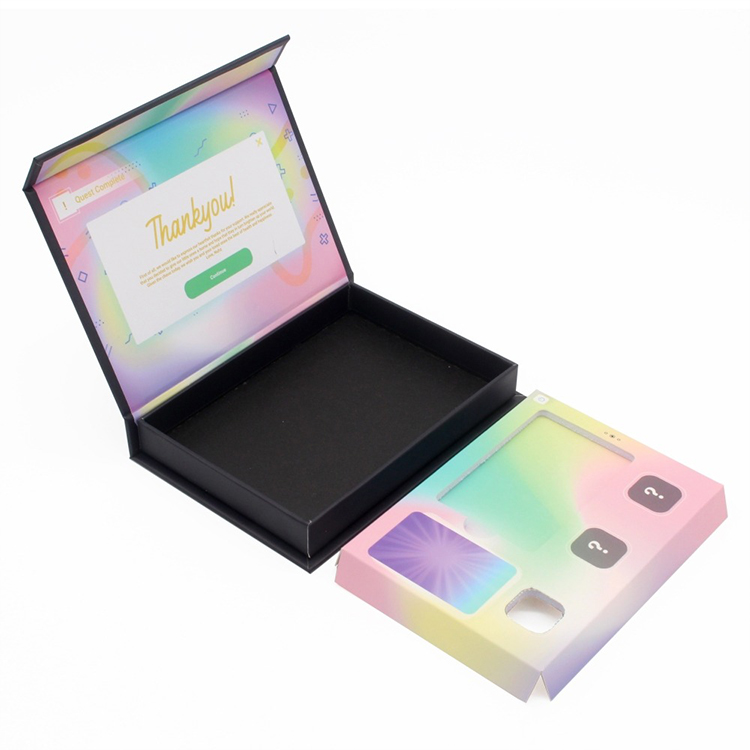
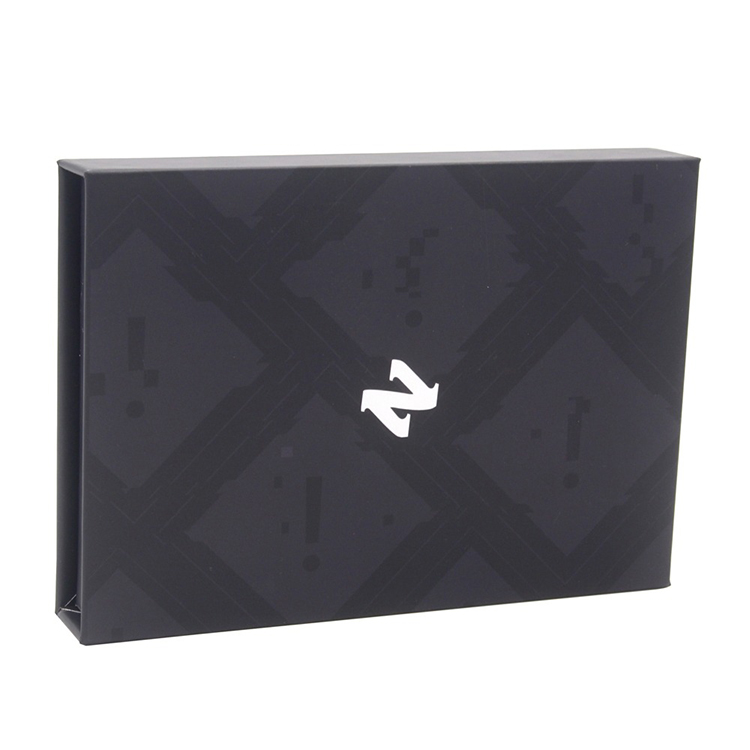
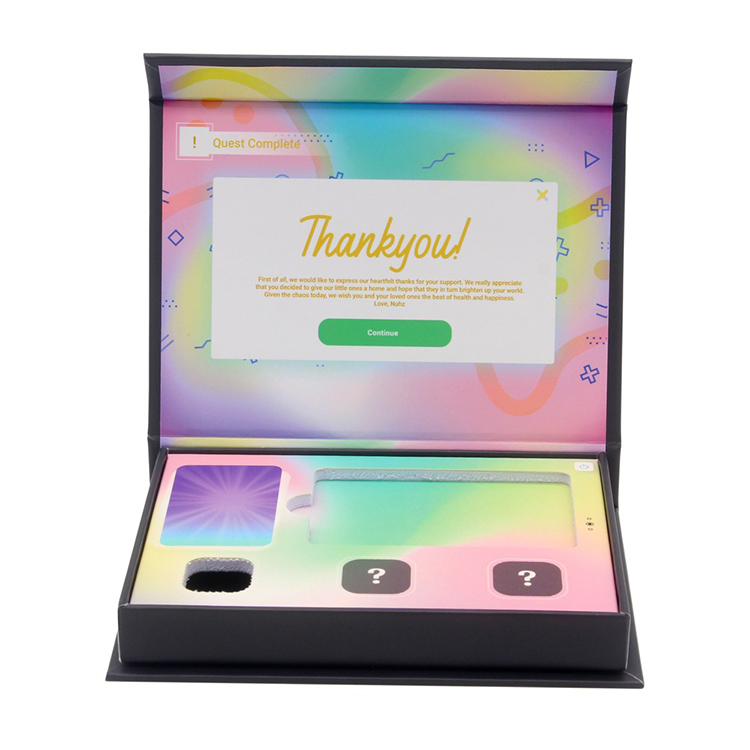
Custom Rigid Boxes for Electronics & Accessories
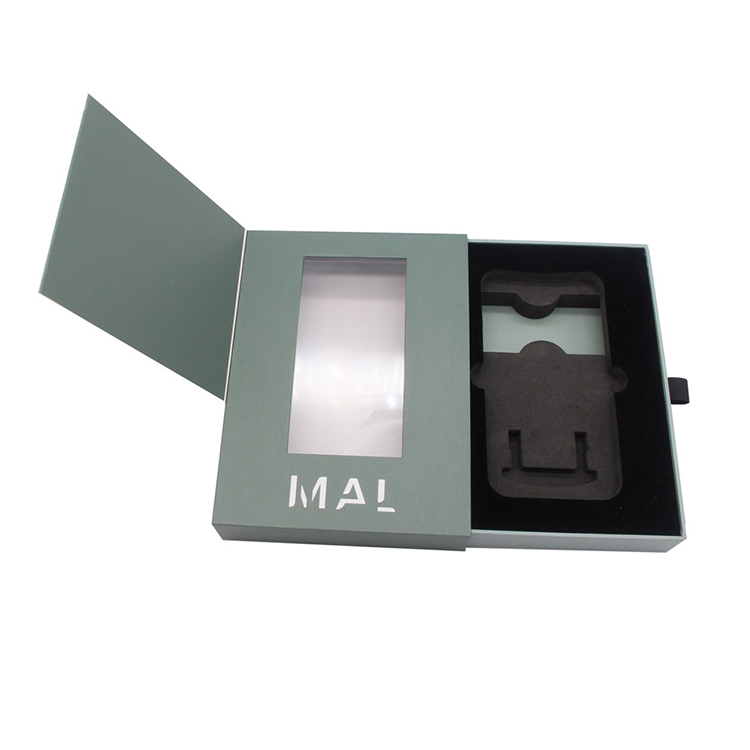
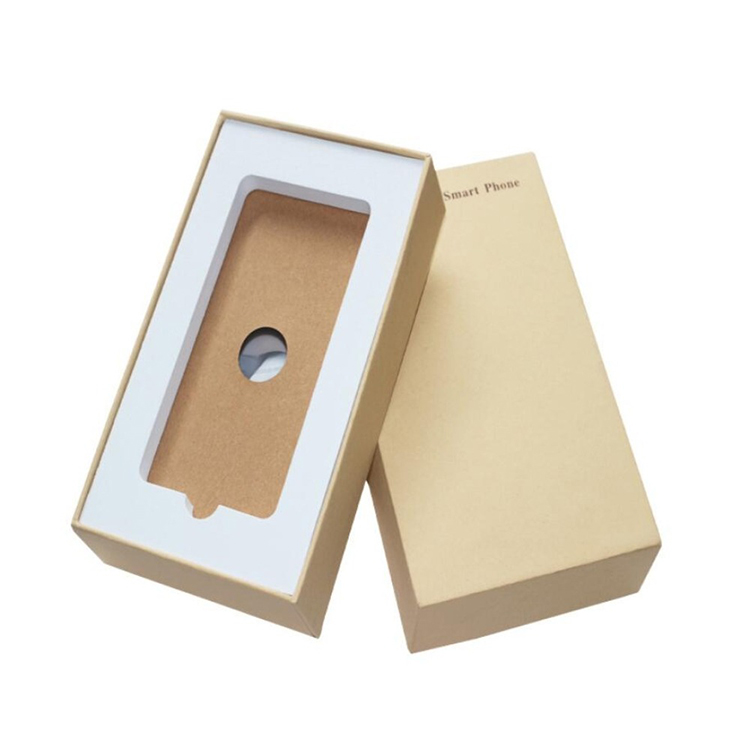
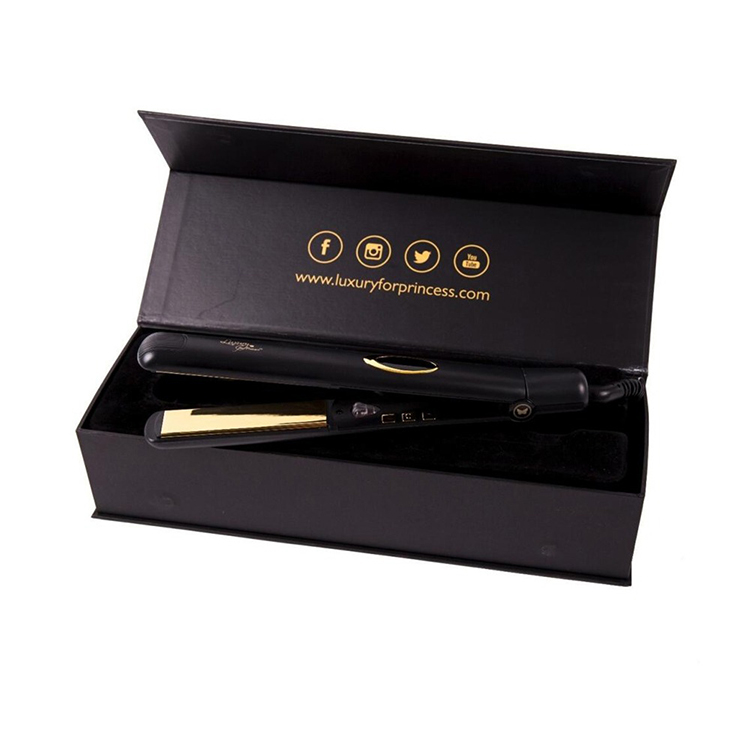
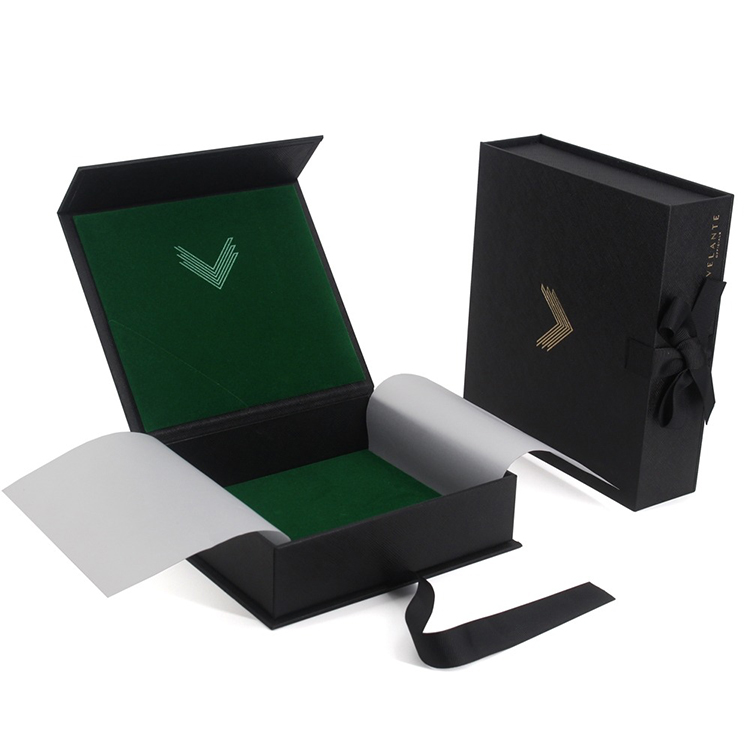
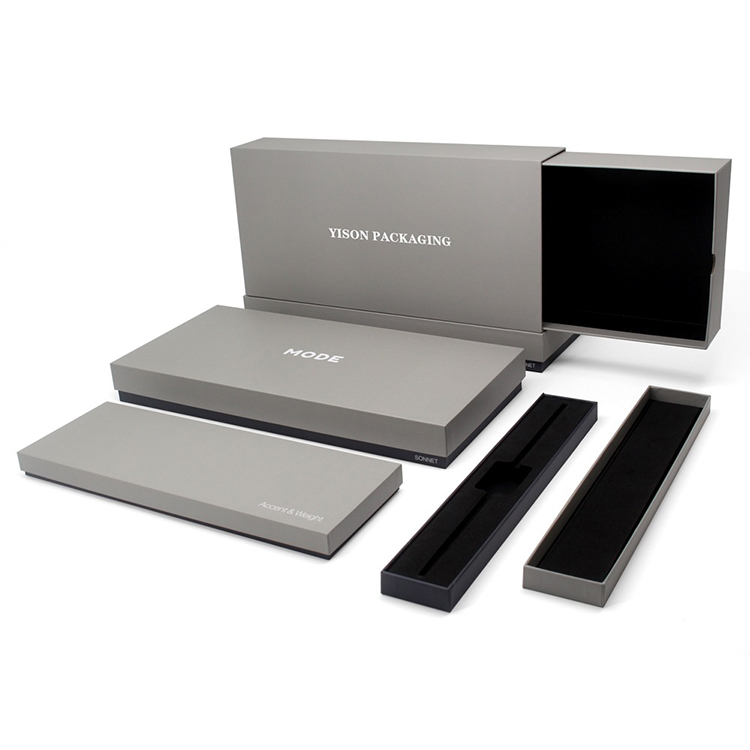
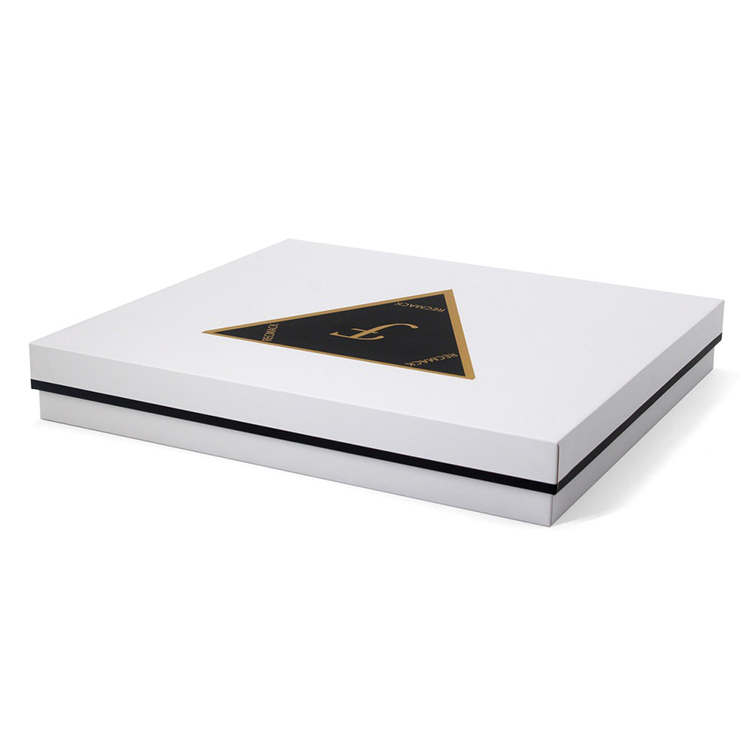
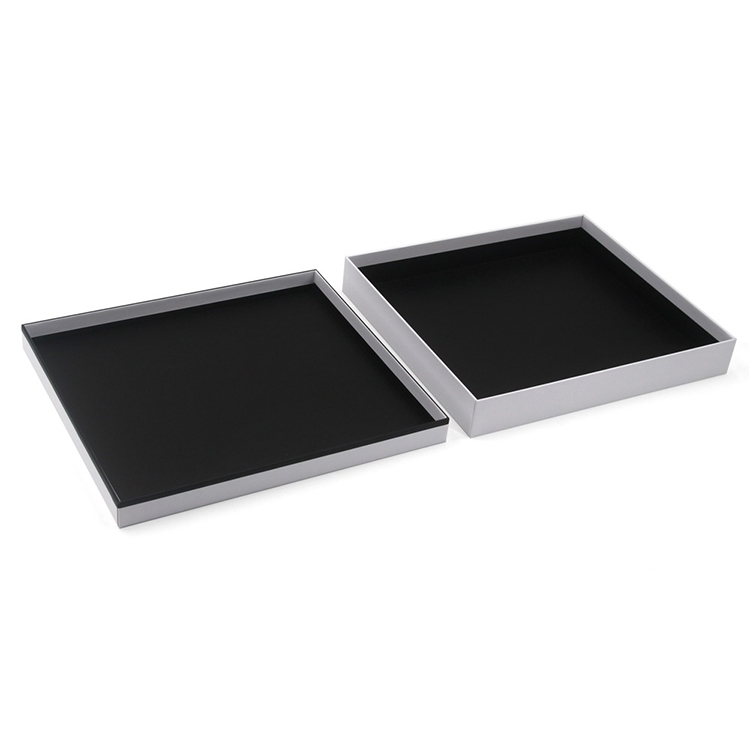
Explore custom rigid packaging for smartphones, earbuds, beauty devices, and electronic accessories. Choose from drawer, lift-off, magnetic, and hinged-lid boxes with tailored inserts, printing, and finishes.
Which Devices Fit These Product Boxes?
Electronic device packaging can accommodate phones, earbuds, headphones, chargers, smartwatches, hubs, adapters, cables, and related accessories. It can be built around one item or a kit with several parts.
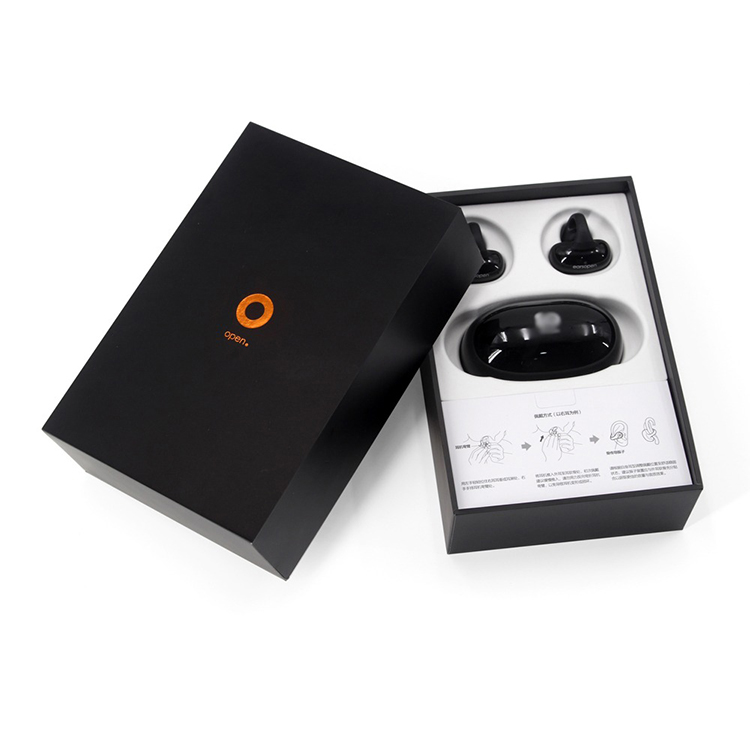
The dieline, the flat cutting and folding pattern, should reflect each component’s size and orientation. These electronic boxes can present the main unit first and separate attachments from printed instructions.
Measure each electronics product as sold, including films, cable ties, and bagged accessories. Final samples or accurate drawings help avoid loose cavities and excess material.
How Does an Insert Protect Devices?
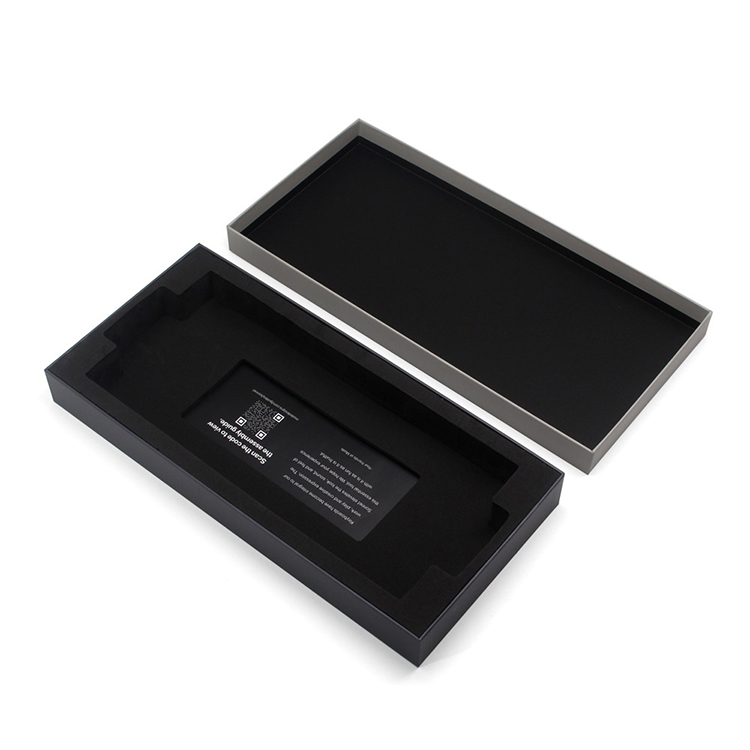
A fitted insert limits movement and keeps components in assigned positions. Its material and geometry should reflect weight, fragile areas, surface sensitivity, storage, and distribution.
Molded pulp and folded cardboard provide paper-based structure. Foam supports different cushioning needs and detailed cutouts. Allow clearance around screens, ports, buttons, and protruding parts, plus a simple removal path.
For parcel delivery, corrugated boxes may add an outer layer around the retail pack. Review the system against the actual product and route; ISTA advises retesting when a product, package, or process change could affect performance.
Which Packaging Material Fits the Product?
The choice balances structure, appearance, print, weight, and disposal route. Retail and transit layers may use different materials rather than asking one board to perform every job.
| Material | Practical use | Point to evaluate |
|---|---|---|
| Paperboard | Printed folding carton | Caliper and closure |
| Rigid board | High-quality, firm presentation | Weight and assembly |
| Kraft | Natural board appearance | Artwork on the base color |
| Molded pulp | Formed product tray | Tooling and tolerances |
| Foam | Cut cushioning | Type and recovery route |
| Corrugate | Shipping box or sturdy pack | Flute and distribution needs |
How Do Custom Printed Options Support Your Brand?
Print and finishes make the structure a customer touchpoint. The packaging design establishes color, hierarchy, and discovery order without crowding essential instructions.
Artwork can reserve space for the logo, model name, barcode, product information, and labels. Matte lamination changes sheen; foil stamping adds a metallic accent; embossing raises selected details. Confirm each choice against the board, artwork, budget, and handling requirements.
A restrained system can work harder than decoration everywhere. Consistent type, controlled color, and a deliberate device and accessory layout keep the pack coherent. A durable presentation may give customers a reason to keep the box for spare parts or documents.
What Responsible Packaging Options Are Available?
Paperboard, kraft, molded pulp, and corrugate can support recyclable or responsibly sourced approaches, but the complete construction matters. Review coatings, laminates, adhesives, inserts, and local collection requirements before making environmental statements.
Ask the supplier to identify recycled content, fiber source, separability, and substantiated certification available for the selected product packaging. The Forest Stewardship Council explains that its labels distinguish certified and recycled sourcing categories; label use requires the applicable chain of custody.
Reduce mixed materials where practical, make components easy to separate, and print accurate disposal guidance for the intended market. Recyclability is location-dependent, so precise language beats broad claims.
How Do You Order Custom Packaging and Plan Turnaround?
Start with dimensions, weight, components, quantity, sales channel, artwork status, and destination. The manufacturer can then discuss structure, material, print, finish, sampling, and production.
Useful buying checkpoints include:
Confirm final product and accessory measurements.
Review a structural sample before production.
Check artwork, barcodes, text, and label placement.
Define the wholesale quantity: [minimum order quantity].
Confirm sampling and production timing: [typical turnaround].
Clarify the master-case or pallet plan.
Can one structure cover several models? A shared format may work, but each fit and presentation should be assessed.
Should the retail box handle direct shipping? Consider the item, construction, appearance standard, and distribution environment. An outer transit layer may be appropriate.

What products can custom electronics packaging boxes hold?
Custom rigid boxes can be designed for smartphones, earbuds, headphones, chargers, smart devices, beauty electronics, and related accessories. The box structure and insert should be developed around the product’s exact dimensions, weight, components, and display requirements.
Which rigid box styles are available for electronics?
Common options include drawer boxes, lift-off lid boxes, magnetic closure boxes, and hinged-lid boxes. The right structure depends on your product, packing process, desired opening experience, retail presentation, and budget.
Can the insert be customized to fit my product?
Yes. A die-cut insert can be engineered to hold the main device, cables, manuals, and accessories in defined positions. Available insert materials may include paperboard, molded pulp, foam, or fabric-covered components, subject to project requirements and supplier capabilities.
Can I customize the printing and finishes?
Custom options may include your logo, brand colors, artwork, product information, and instructions. Depending on the selected materials and production process, finishes such as matte or gloss lamination, foil stamping, embossing, debossing, or spot effects may also be available.
What information is needed to request a quote?
Provide the product dimensions, weight, order quantity, preferred box style, insert requirements, printing colors, desired finishes, delivery destination, and target date. Product photos, artwork files, or physical samples can help the packaging team evaluate the project more accurately.
Custom Electronics Packaging FAQs
Find practical answers about rigid box styles, protective inserts, branded printing, product compatibility, and the information needed to start your custom electronics packaging project.