Custom Paper Octagonal Boxes for Distinctive Product Packaging

These eight-sided paper containers are made to fit a product, brand, and sales channel. Their geometry creates a more distinctive retail presentation than a conventional carton while providing useful surfaces for graphics and information. Review the options, then request a quote or design consultation for an octagon box tailored to your product.

What Is a Custom Octagon Box?

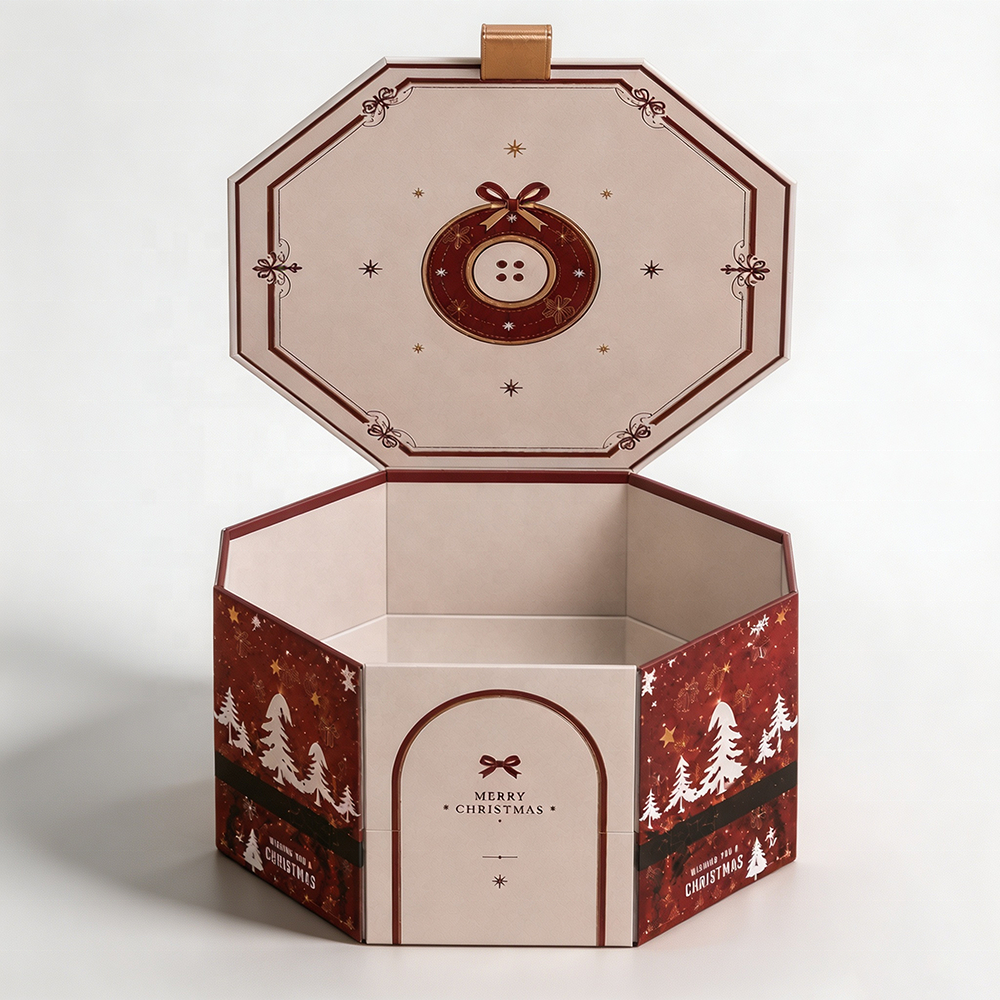
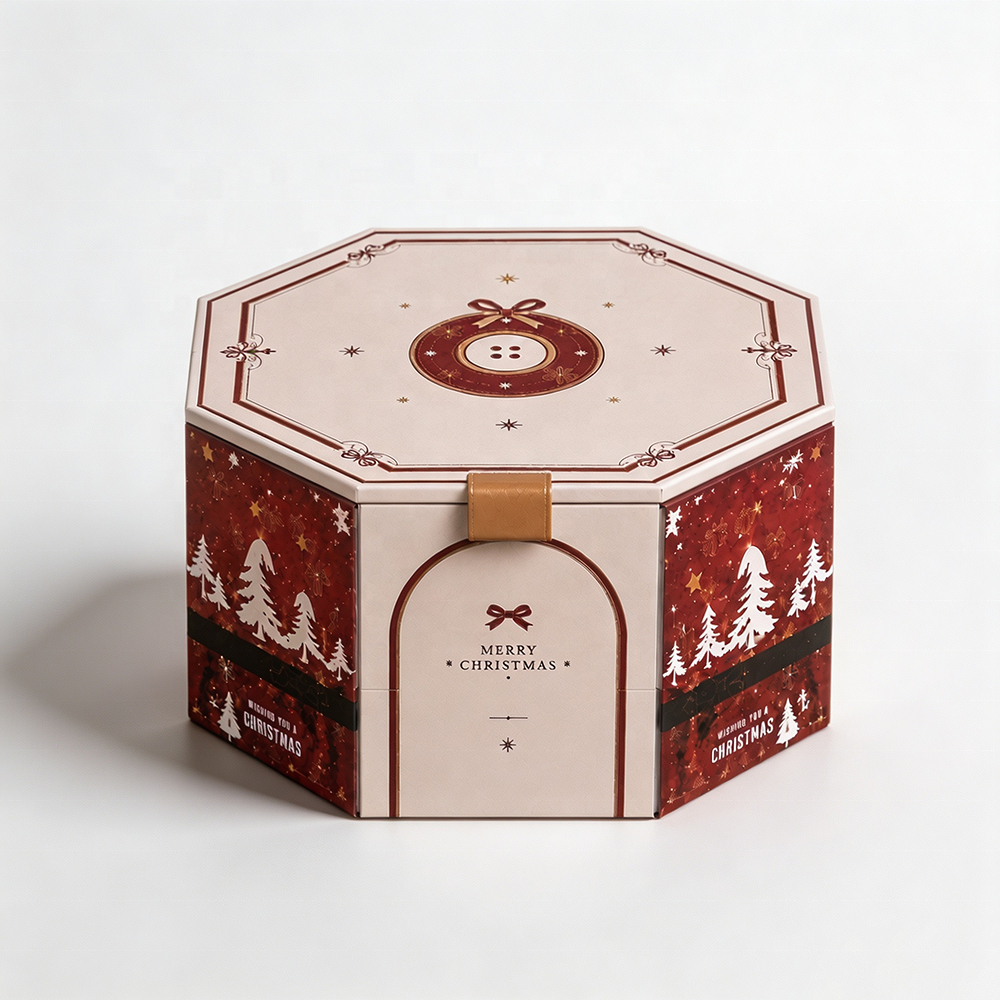
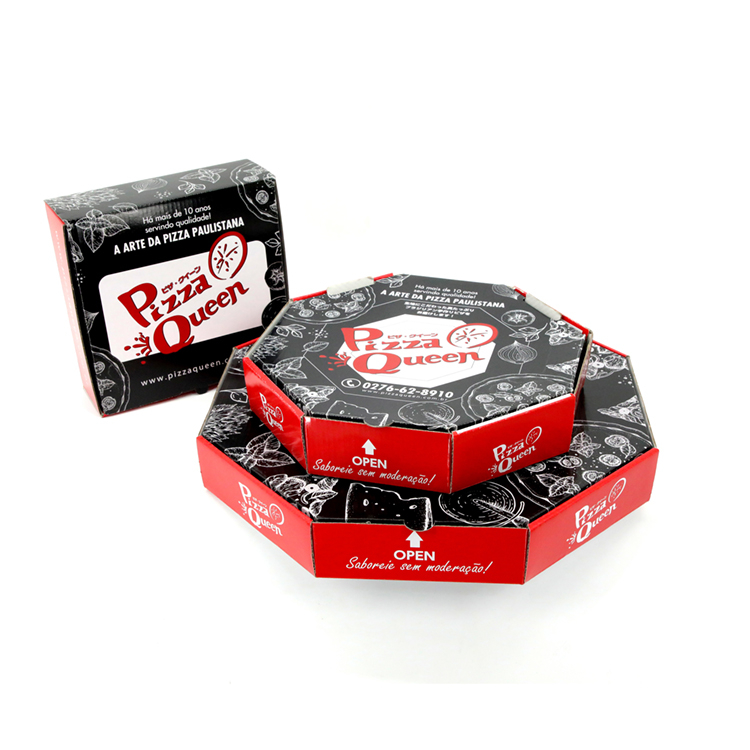
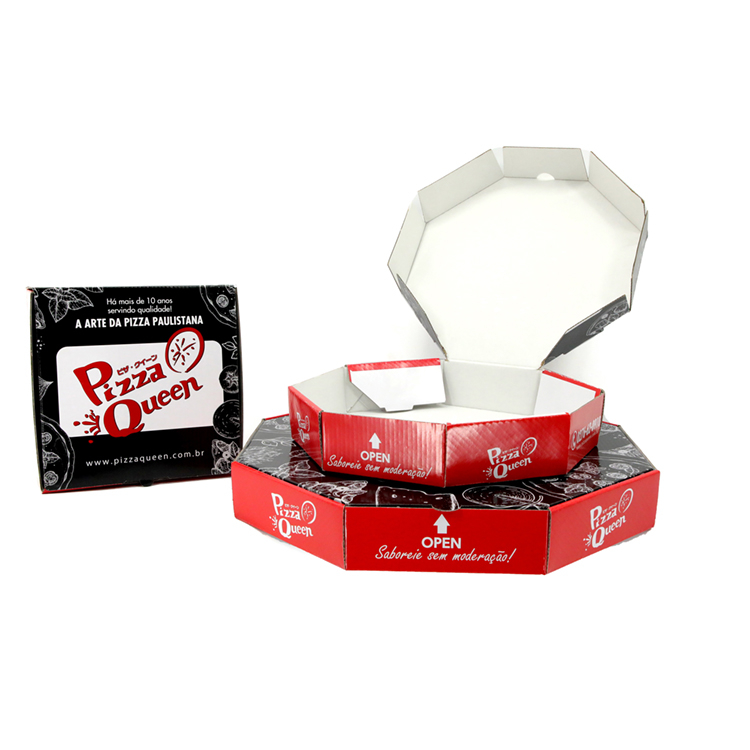
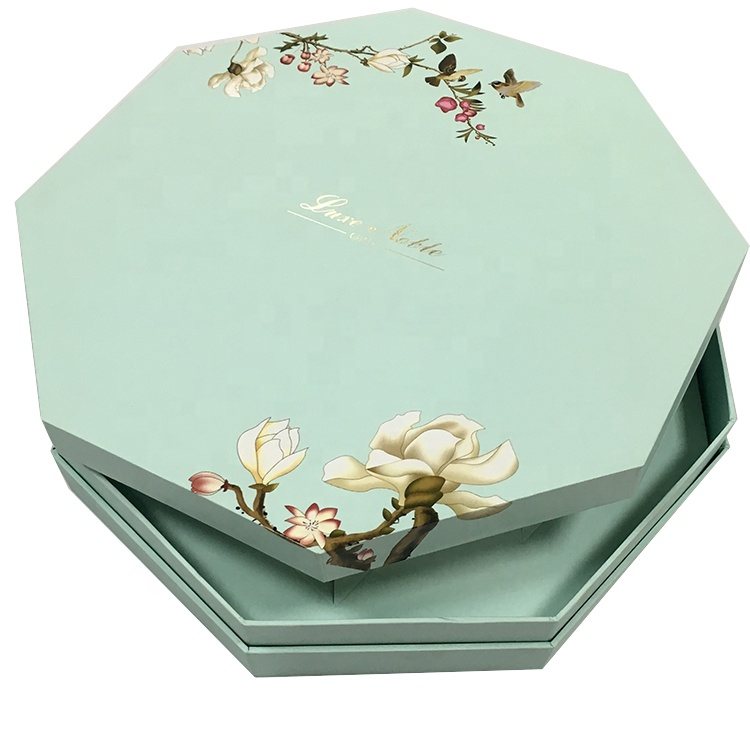
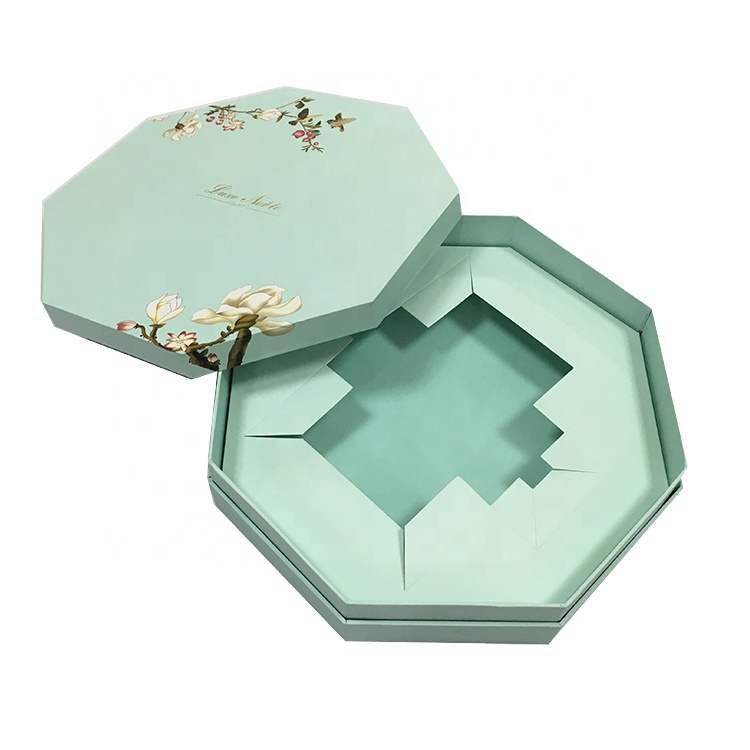
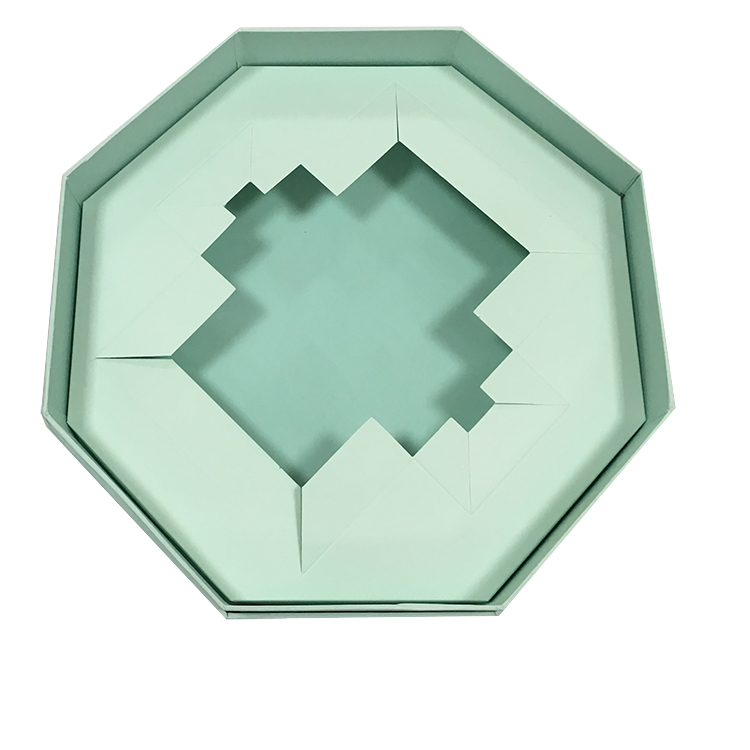
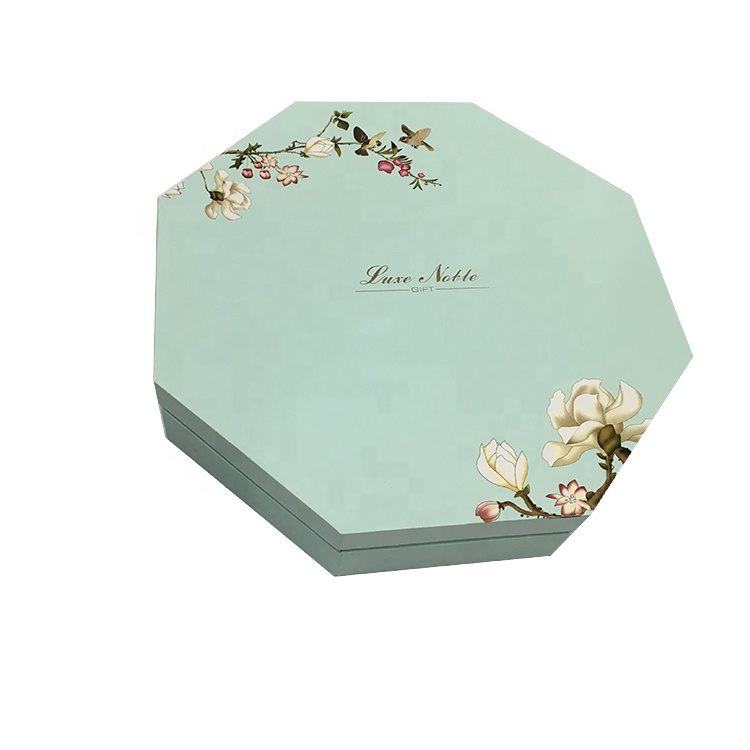
A custom octagon box is a paper-based package with eight side panels, sized and printed for a specific product. An octagon paper box may be a light folding format, a wrapped rigid setup, or a shipping-oriented construction.

The distinctive eight-sided profile supports packaging boxes custom-built for display, gifting, or collection-based custom packaging. Panels may carry artwork, instructions, or brand messaging, although usable space depends on panel width and closure design. Ask which packaging solutions suit the product’s weight, dimensions, handling, and merchandising plan.

How Can Printing and Premium Finishes Be Customized?

A supplier may offer custom printed graphics using CMYK or other multi-color systems, followed by decorative or protective treatments. Available printing options depend on substrate, quantity, artwork, and production equipment.

Discuss ink coverage, color targets, small type, and barcode legibility before approval. Common printing techniques may be paired with matte or gloss lamination, spot UV, foil stamping, an emboss effect, or debossing. Each process changes cost, setup, and how artwork should be prepared. Because packaging paper and Kraft surfaces reproduce color differently, request representative samples or a production proof when color accuracy is important.

What Products Suit Octagon Packaging?

This format suits products that benefit from an unusual silhouette, multiple graphic panels, or a presentation-focused opening. Typical uses include cosmetic sets, an octagon jewelry box, a gift box, keepsake items, toys, pastries, specialty foods, and gourmet assortments.

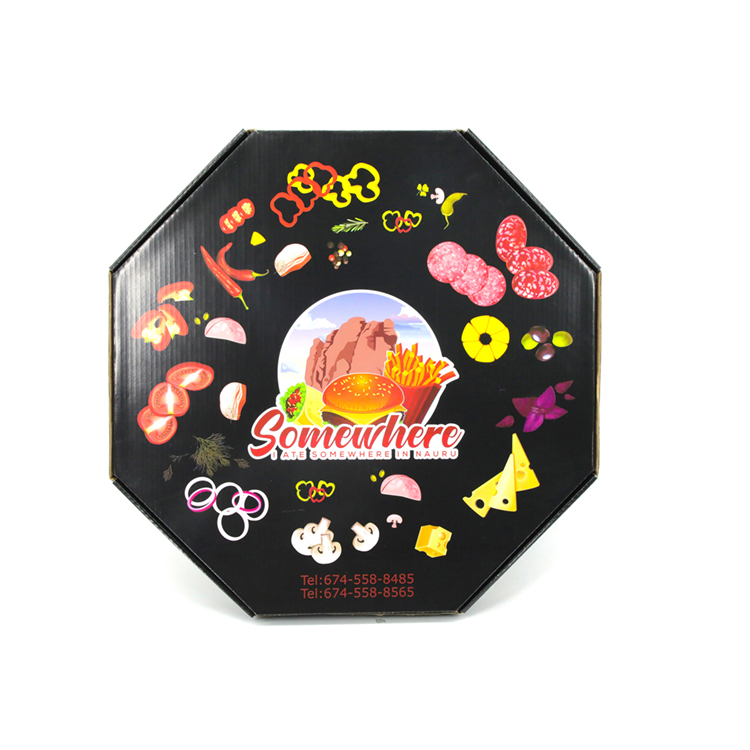
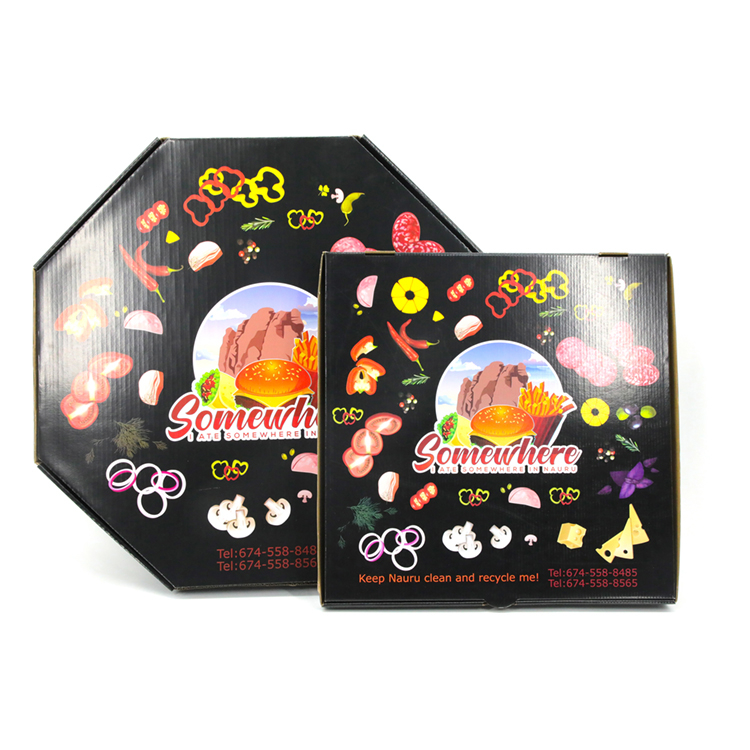
Brands may also explore octagon shaped boxes for promotional collections or small business packaging. For pizza boxes or other pizza packaging, confirm grease resistance, ventilation, stack performance, and dimensions. Any package touching food requires supplier verification: ask whether food-grade materials, coatings, inks, and compliance documentation are available for the intended market and contact conditions.

Why Choose an Eight-Sided Structure Over a Standard Carton?

The octagon shape creates visual differentiation and more angled display faces than a traditional square carton. It can improve product presentation, but performance depends on the board grade, joints, inserts, and closure rather than geometry alone.

Compared with a hexagon, the eight-panel form offers a different silhouette and panel rhythm. It may also help organize graphics around the pack, creating distinctive packaging for coordinated launches or seasonal collections. Confirm structural stability through a physical prototype and transit testing when the package must protect a heavy, fragile, or shipped item.

Which Material Options Fit the Product?

Choose the material according to product weight, desired feel, shipping conditions, budget, and regulatory needs. These substrates are related, but not interchangeable.

Cardstock works for lighter folding formats; paperboard is commonly converted into a printed folding carton. Kraft paper gives Kraft boxes a natural-looking surface but can affect color reproduction. Wrapped rigid board creates setup-style rigid boxes with a substantial presentation. Corrugate combines liners with a fluted medium and may suit products needing cushioning or distribution support.

The right packaging material also depends on coatings and end-of-life requirements. If responsible sourcing matters, ask which eco-friendly options are documented and whether FSC-certified stock and approved labeling are available for the specific job. Suitability varies by supplier and specification.

How Can Size, Inserts, and Closures Be Tailored?

A packaging design can be fully customizable in diameter, height, opening style, insert layout, and appearance, subject to production limits. Start with the product’s dimensions, weight, orientation, and required clearance.

A lid and base box uses 2 pieces for a reveal-style opening, while some folding structures use tuck, tab, or locking closures. Inserts may be made from die cut board, molded fiber, or other materials selected for protection and display. The supplier should develop a production dieline; a generic box template is only a starting reference. Prototype the branded octagon structure to check fit, closure tension, assembly, and unboxing.

What Should Buyers Confirm Before Ordering?

Before you order custom units, confirm scope, approvals, costs, and timing in writing. A complete request should identify the product, dimensions, quantity, destination, material preference, artwork, finishes, and packing method.

Ask about the minimum order, tooling charges, freight terms, color tolerances, and turnaround time. Find out whether a sample kit, blank prototype, or digital proof is available and what each can validate. Confirm whether free design or paid design assistance is offered rather than assuming either service is included. Likewise, do not assume production takes 7 business days; schedules depend on the approved specification, capacity, quantity, finishing, shipping method, and delivery location.


Frequently Asked Questions

Find clear answers to common questions about custom paper octagonal boxes, including flat-pack delivery, structural performance, food-contact suitability, and quote comparisons. Because specifications vary by supplier, confirm materials, compliance documentation, testing, pricing, and production details before placing an order.

Can these boxes ship flat?

Some folding styles can ship flat, while setup constructions generally remain assembled. Packing efficiency should be evaluated with the final dimensions and closure.

No. Strength depends on material, board grade, seams, inserts, load, and distribution conditions. Request appropriate testing for the intended use.

Compare the same size, construction, material, print specification, finishes, insert, tooling, packing, freight, and production assumptions. A low unit price may exclude important components.