Paper Custom Clamshell Boxes for Premium

Clamshell boxes are hinged containers that keep a cover and base connected for orderly access, protection, and presentation. Depending on the format, clamshell packaging can preserve valuable documents, showcase merchandise, deliver food, or turn an unboxing into a deliberate brand moment. Its primary value is convenient opening without a loose cover.

What Is a Custom Clamshell Box?

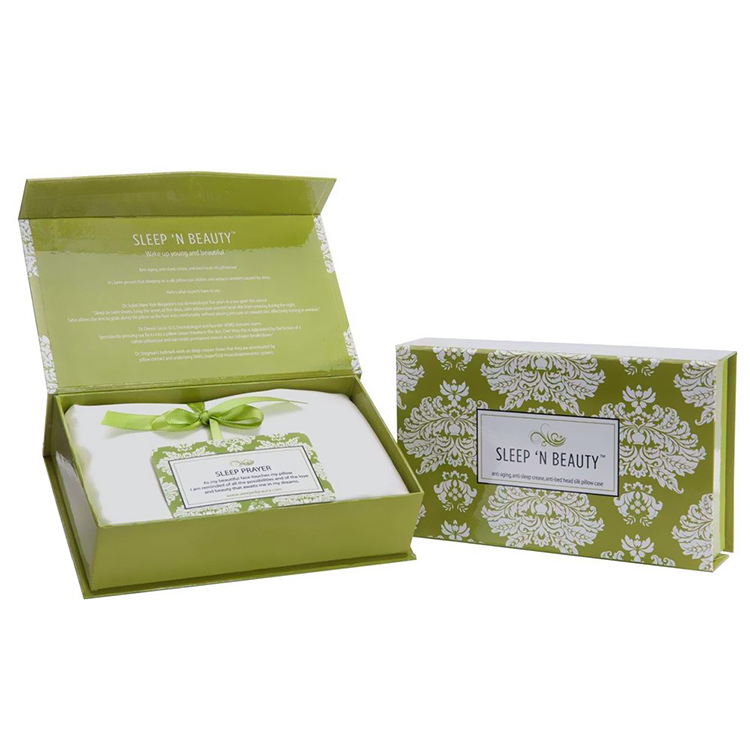
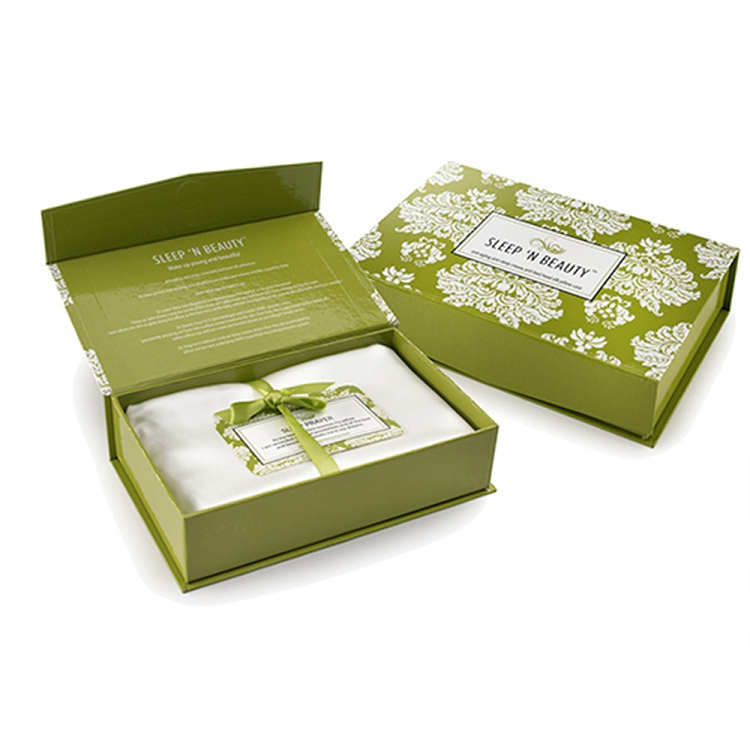
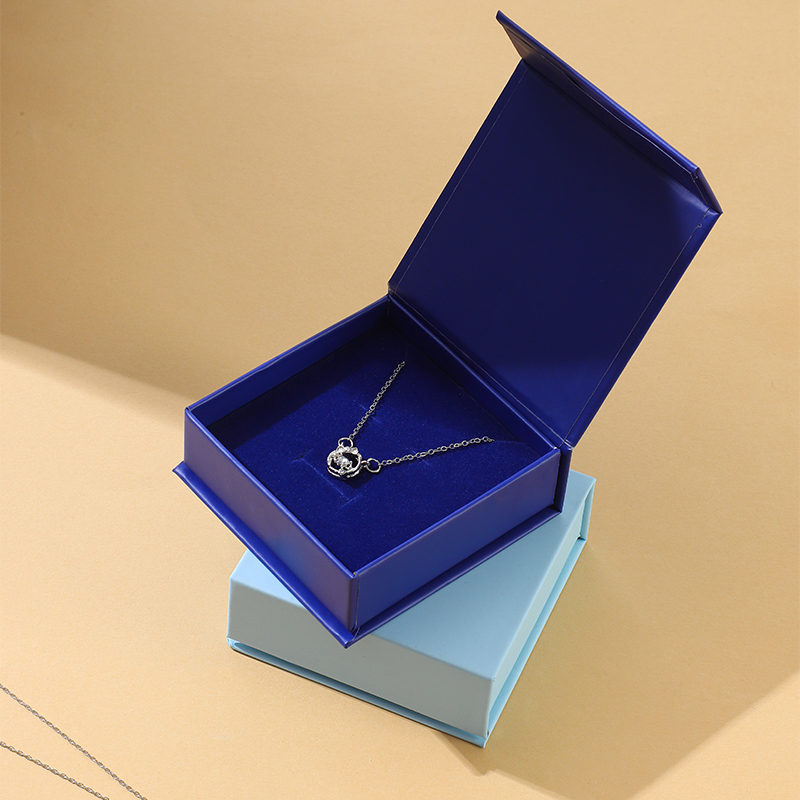
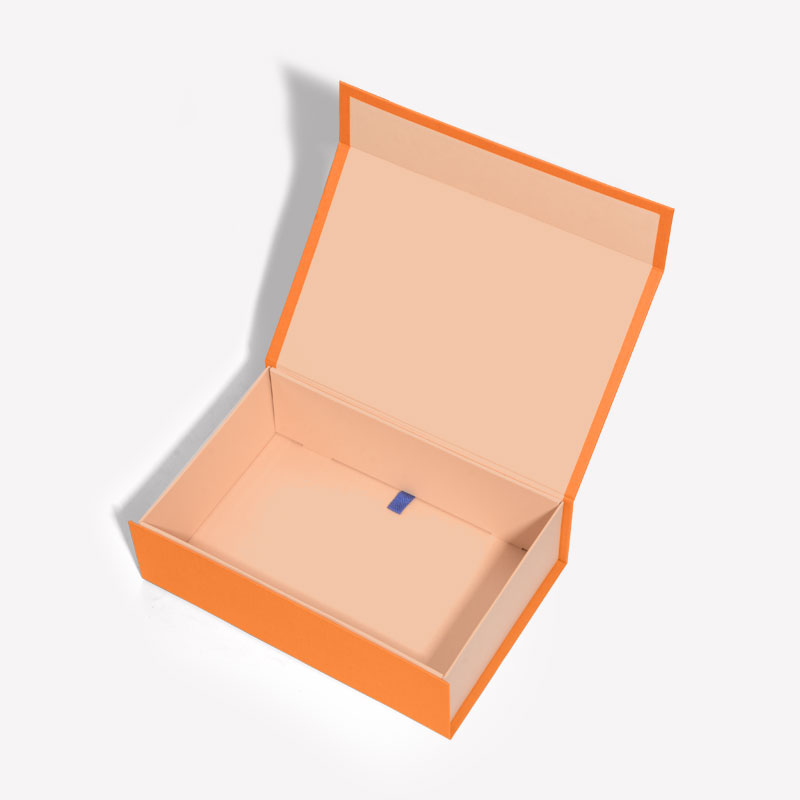
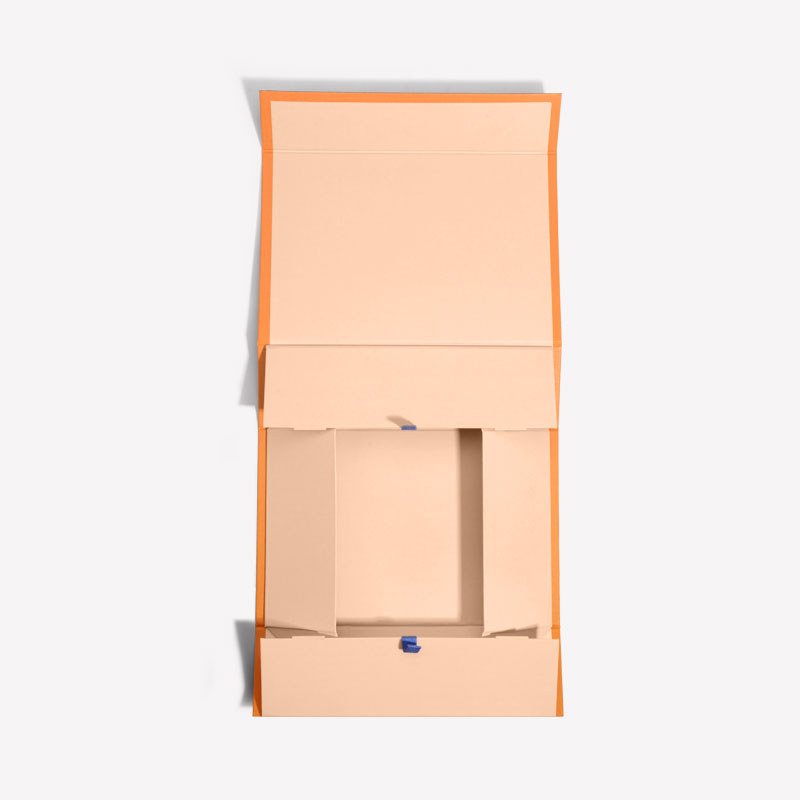
A traditional clamshell box—also called a book box, drop-back box, or Solander-style box—uses a connected cover rather than separate top and bottom pieces. The lid, spine, and base sit within one wrapping shell, so the package opens flat like a book. This structure presents the contents deliberately while keeping every major component together.

Buyers choose it when the open box should frame the product rather than simply expose it. A shallow version can present a print portfolio; a deeper version can carry a sample library, sales kit, or limited edition.

How Do Clamshell and Hinged-Lid Custom Boxes Compare?

Both formats keep the cover attached, but their opening geometry and wall systems differ. In this comparison, “hinged-lid” means a conventional lid connected along one edge rather than a drop-back shell.

Decision Point Paper Clamshell Structure Conventional Hinged-Lid Box
Opening Opens flat like a book Lid rises from the rear edge
Walls Lid and base walls may meet as a double perimeter Usually one base wall with an attached cover
Protection Strong edge enclosure when properly fitted Protection depends heavily on the tray and insert
Presentation Wide, formal reveal surface Compact, direct product reveal
Typical Uses Archives, portfolios, premium sets Gifts, stationery, general presentation kits

How Does One-Piece, Book-Style Construction Work?

Rigid board panels form the front, back, and spine. A flexible paper wrap joins them, creating the hinge and allowing the shell to open as one piece. Paper-covered trays sit inside; an engineered gap keeps the spine moving without forcing the paper to crack.

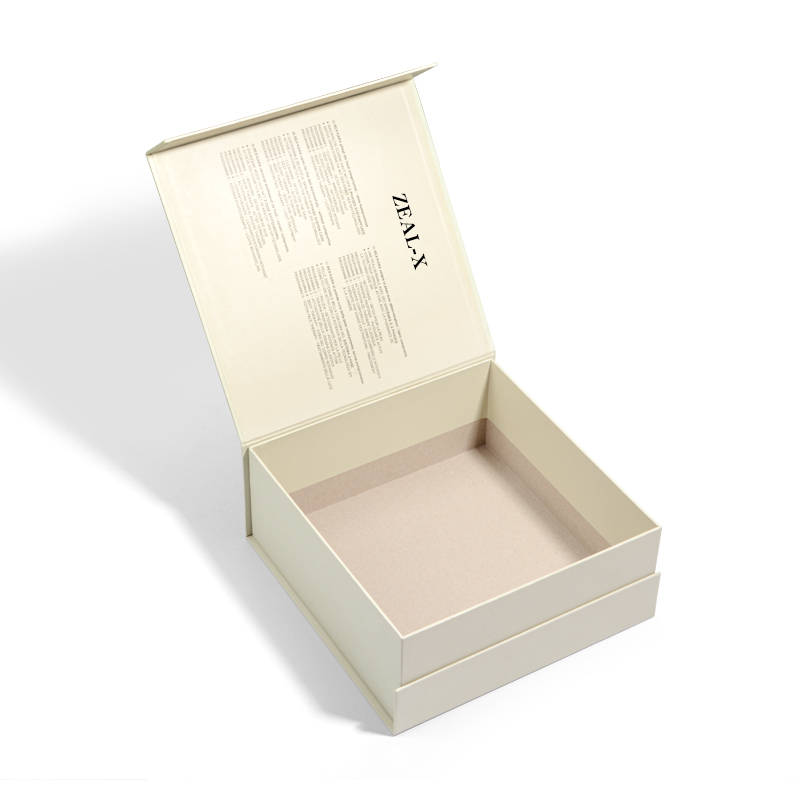
In classic drop-back construction, walls in the lid and base meet when the box closes, creating a double-walled perimeter. The extra boundary supports vulnerable edges and gives the open package a formal, balanced appearance. Conservation suppliers also offer reinforced clamshell constructions with mul

Which Custom Clamshell Construction Suits Your Product?

Choose the structure according to depth, handling, and the desired reveal. A classic drop-back design works well for rare books, bound collections, presentation albums, and substantial product sets. A single-wall design uses a flat outer cover over a three-walled base tray, producing a slimmer profile for swatches, documents, and lightweight portfolios.

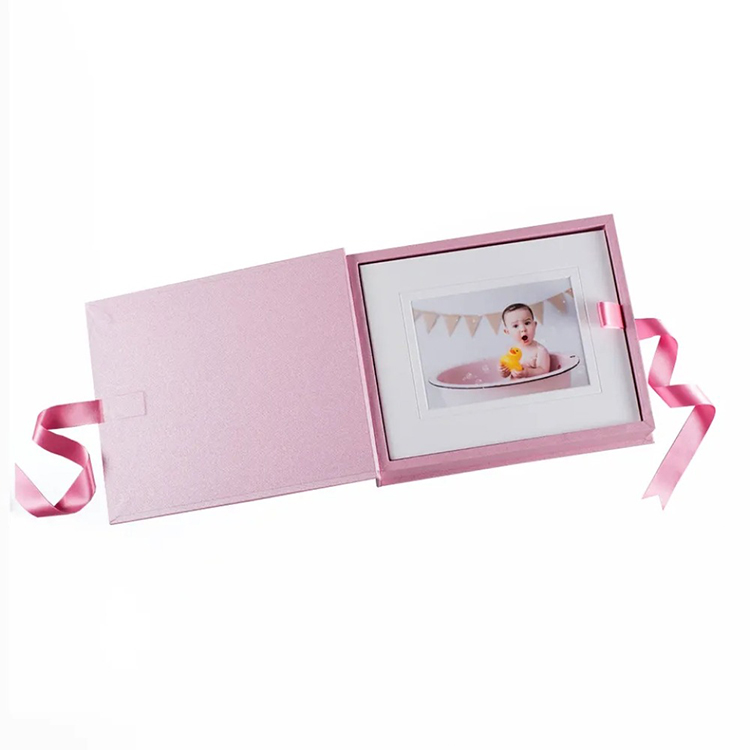
A shallow folio provides broad access to prints, maps, photographs, and flat artwork. For heavier samples, thicker board, reinforced corners, or a fitted paperboard insert may improve stability. Corrugated board can suit working sample kits, while wrapped greyboard gives a refined presentation. Choose by object and use, not the style name alone.

What Can Custom Clamshell Boxes Hold?

Archival applications include rare books, manuscripts, magazines, newspapers, maps, photographs, and works on paper. Artists and photographers use folio versions for portfolios and editioned prints; Lineco, for example, lists boxboard folio boxes for documents, maps, newspapers, artists, and photographers.

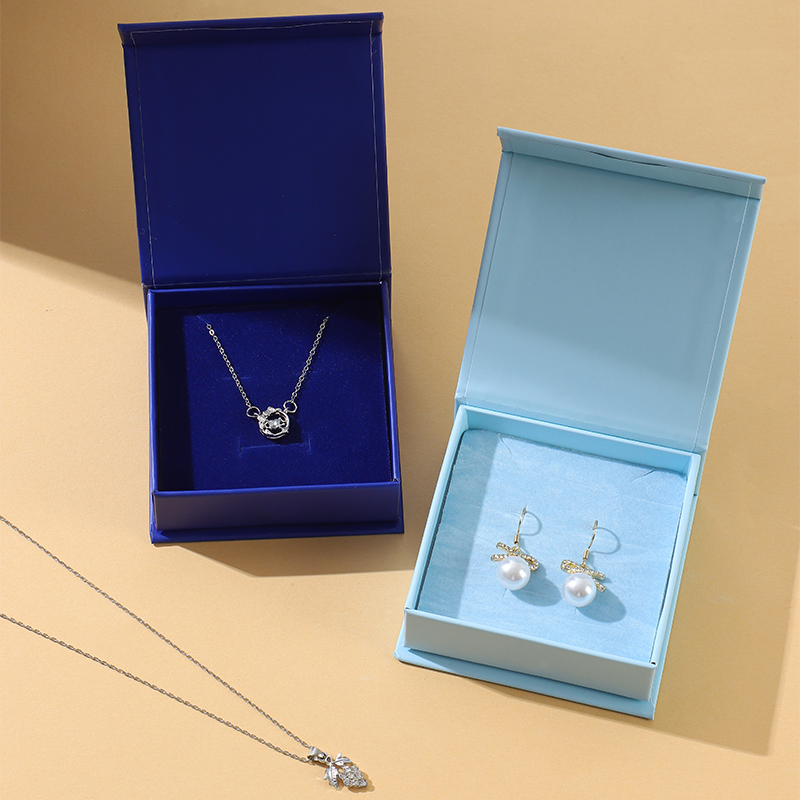
Commercial uses include watches, spirits, collector editions, press kits, and sales materials. Design teams can organize fabric swatches, stone samples, veneers, surface finishes, and specification cards. A fitted interior separates components, controls movement, and guides the viewing order.

Which Paperboard and Archival Materials Should You Specify?

For luxury presentation, common choices include greyboard or binder’s board wrapped with printed, dyed, textured, or uncoated paper. Board thickness affects rigidity; the wrap influences color, touch, print quality, and hinge durability. Confirm that grain direction, scoring, and adhesive suit repeated opening.

For long-term collections, request documentation for the complete enclosure. “Acid-free” on one component does not prove the whole box is appropriate. Ask about board composition, lignin, buffering, adhesives, and object compatibility. For photographic storage, buyers may require enclosure materials that have passed the Photographic Activity Test under ISO 18916.

Environmental claims also need evidence. Recycled content, certified fiber sourcing, material reduction, local recovery options, and replaceable inserts are separate purchasing criteria. Do not assume every paper package is recyclable or suitable for permanent storage simply because it is paper-based.


How Do Custom Printing, Size, Quantity, and Pricing Work?

Begin with the item’s finished dimensions, weight, orientation, and clearance. Then define tray depth, board grade, paper wrap, insert layout, closure, and opening direction. Branding options may include offset or digital print, foil stamping, embossing, debossing, screen printing, labels, or a printed interior message.

Order quantity affects setup and unit pricing. Ask suppliers to quote prototypes, a short production run, and bulk volumes against the same specification. Confirm whether tooling, samples, assembly, packing, freight, and finishing are included. Because capabilities vary, request current minimum quantities, lead times, and pricing instead of assuming standard figures.

Custom Clamshell Box FAQs

Get clear answers about paper clamshell box construction, applications, material selection, customization, and the information needed to request an accurate quote.

What is a paper clamshell box?

A paper clamshell box is a rigid, book-style package with its lid, spine, and base joined by one continuous paper-wrapped shell. It opens flat to create a structured presentation surface while keeping the cover permanently connected. Classic drop-back versions can also form a protective double-walled perimeter when closed.

A clamshell box opens like a book and may include walls in both the lid and base. A standard hinged-lid box usually has one base tray with a cover attached along the rear edge. The clamshell structure provides a broader reveal and is often selected for portfolios, collector editions, presentation kits, and archival storage.

They can hold rare books, manuscripts, photographs, prints, maps, newspapers, artwork, fabric swatches, stone samples, watches, spirits, press kits, and limited editions. The internal depth, board thickness, and fitted paperboard insert should be designed around the product’s dimensions, weight, sensitivity, and presentation sequence.

Provide the product dimensions and weight, required quantity, preferred board and paper wrap, insert layout, printing or finishing requirements, delivery location, and intended use. For photographic collections, ask whether relevant enclosure materials have passed the Photographic Activity Test under ISO 18916 rather than relying only on an “acid-free” description.