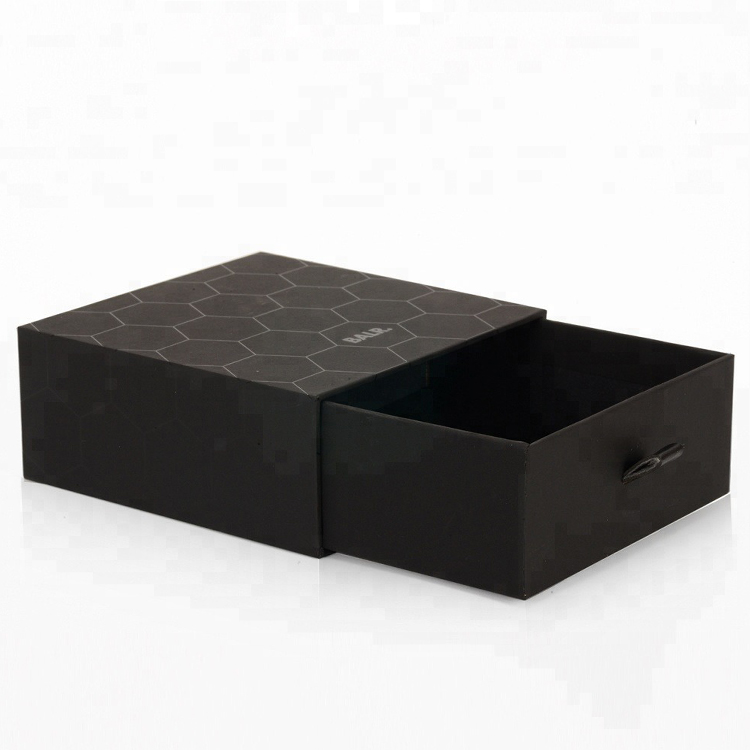
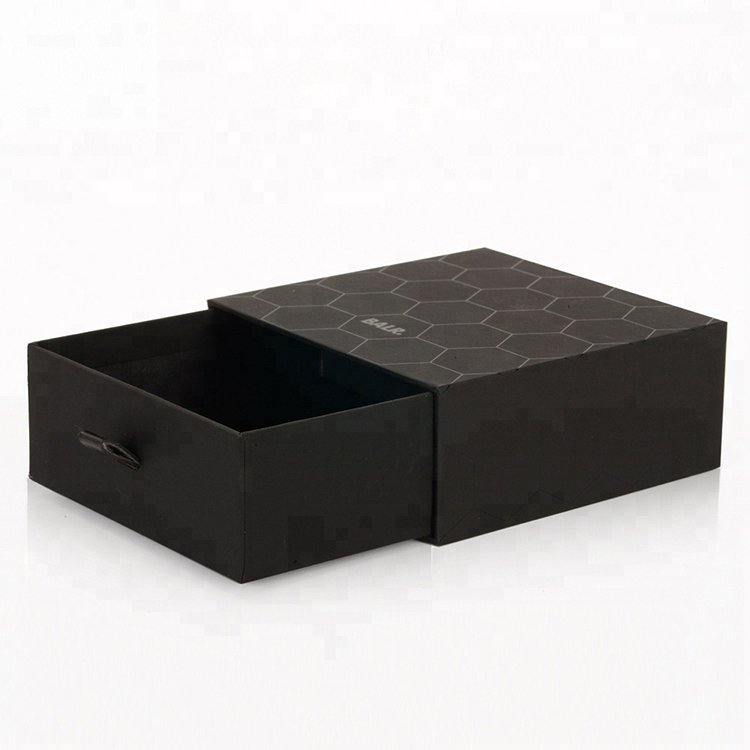
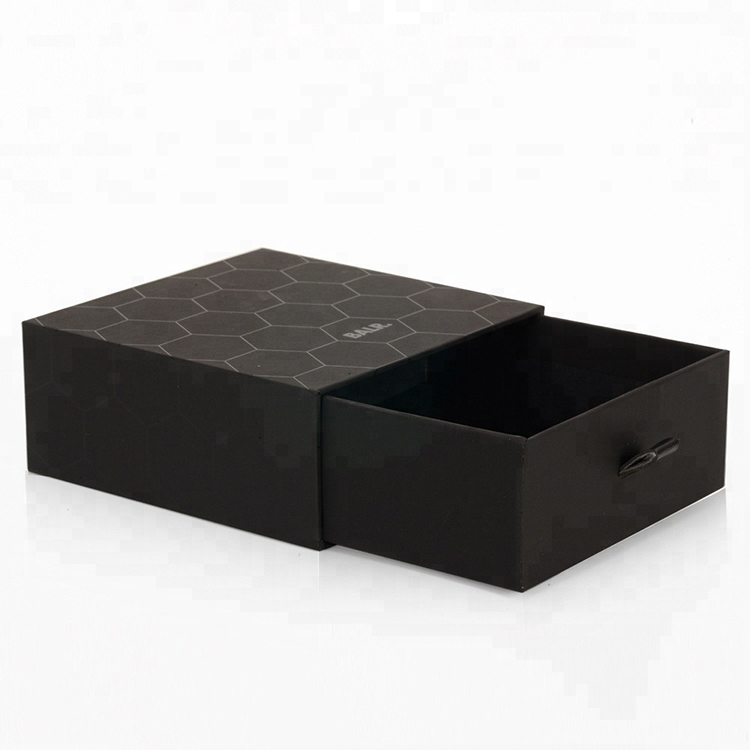
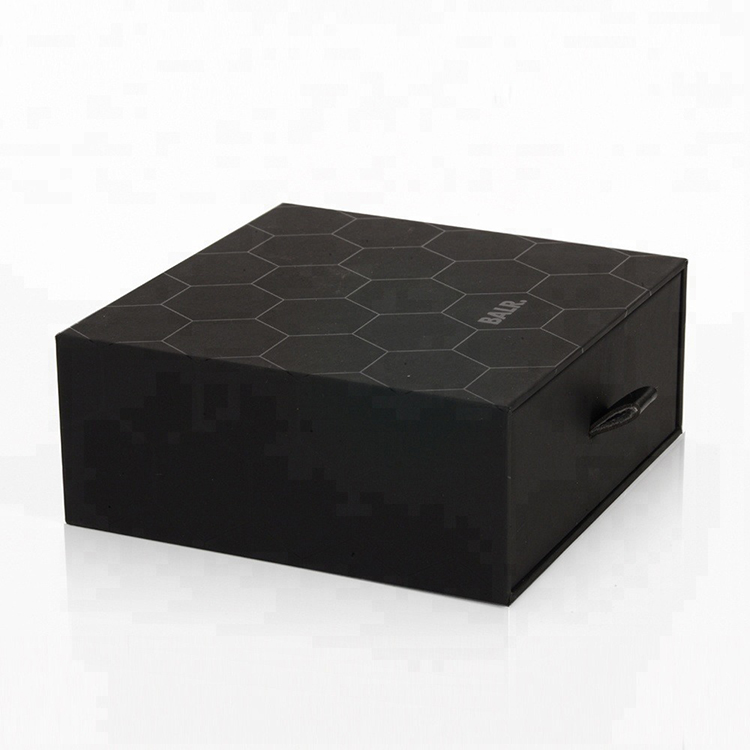
Apparel Box Packaging That Builds Your Brand

Apparel boxes are packaging containers made to store, present, protect, or ship shirts, dresses, suits, sweaters, scarves, hats, and fashion accessories. Businesses use an apparel box to keep folded products organized, limit exposure to dust and moisture, reduce wrinkles and handling damage, and deliver a more polished presentation.

What Is an Apparel Box and What Does It Protect?

An apparel box is a container for storing, presenting, gifting, or shipping clothing such as shirts, dresses, suits, sweaters, scarves, hats, and accessories. The right box helps shield garments from dust, light moisture exposure, crushing, snagging, and routine handling while keeping folded items organized. A close fit reduces empty space and movement, helping limit wrinkles without pressing delicate trims or embellishments.

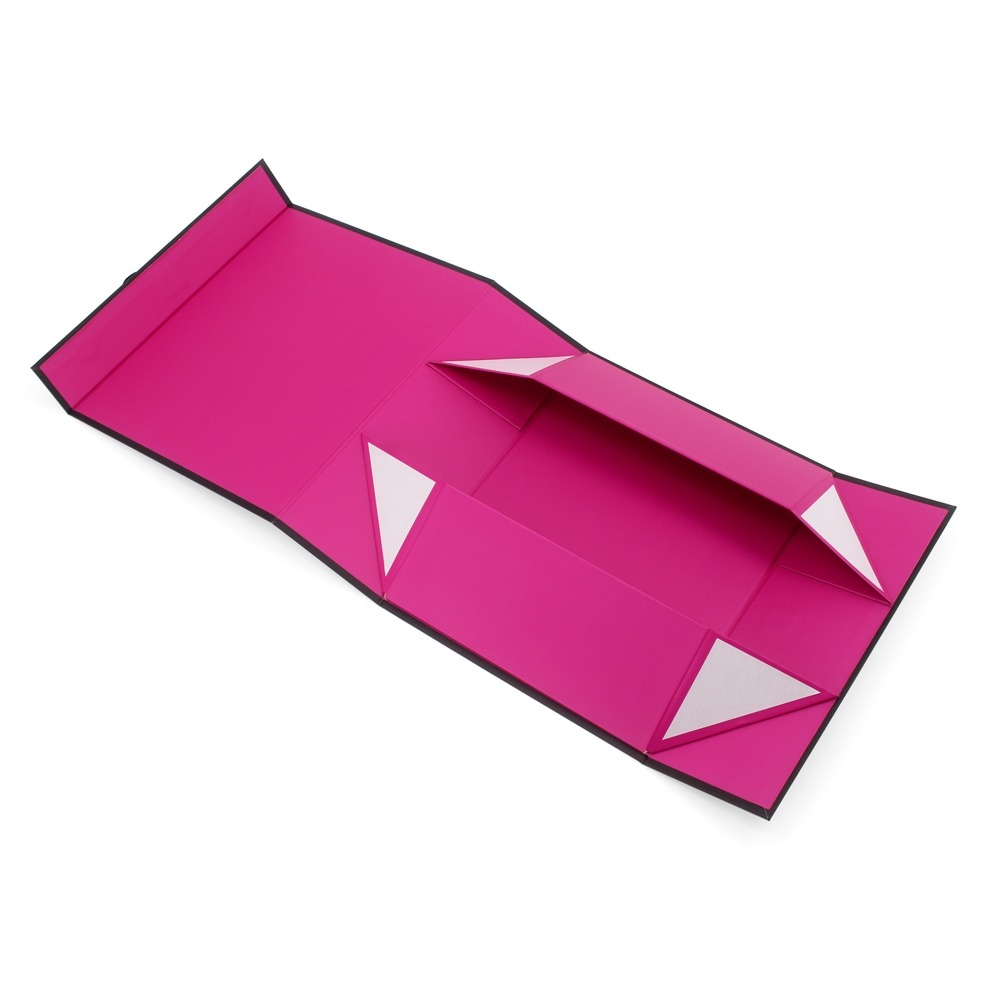
Folding garment boxes work well for retail counters and gift programs. Rigid boxes create a substantial presentation for premium apparel, while corrugated shipping boxes add cushioning and stacking strength for ecommerce delivery. Acid-free tissue paper or muslin can separate delicate fabric layers and help prevent snagging. Choose the structure, dimensions, and inner protection according to the garment’s size, weight, fabric, presentation needs, and shipping route.

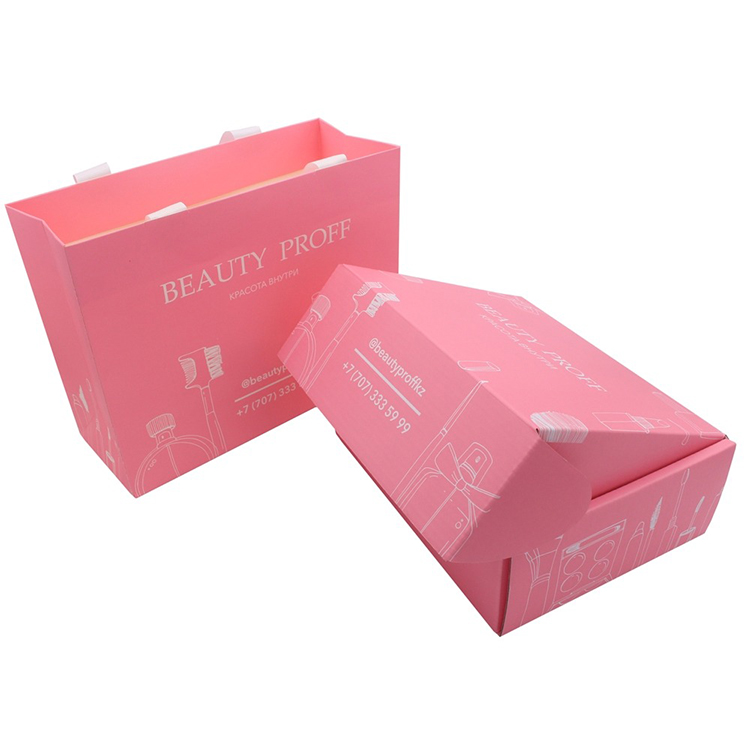
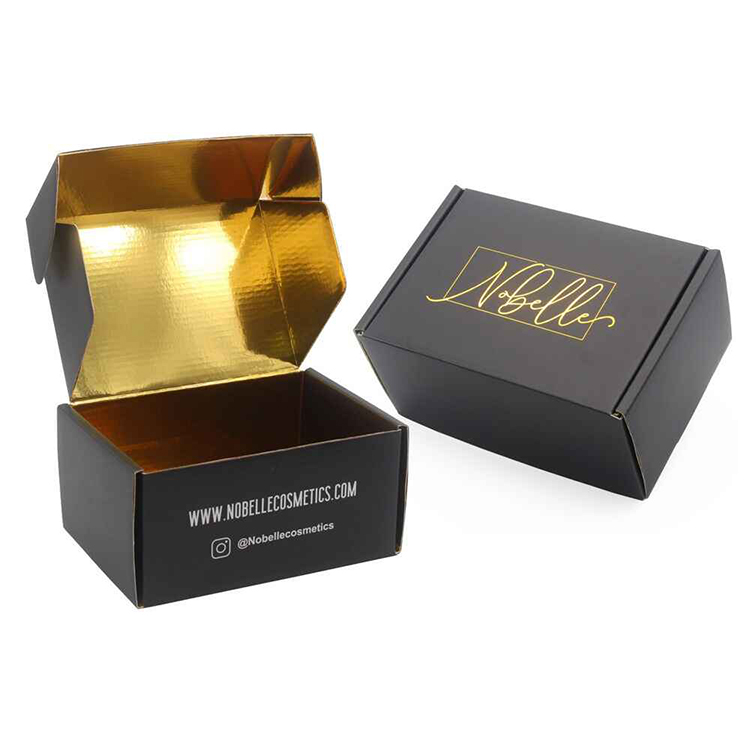
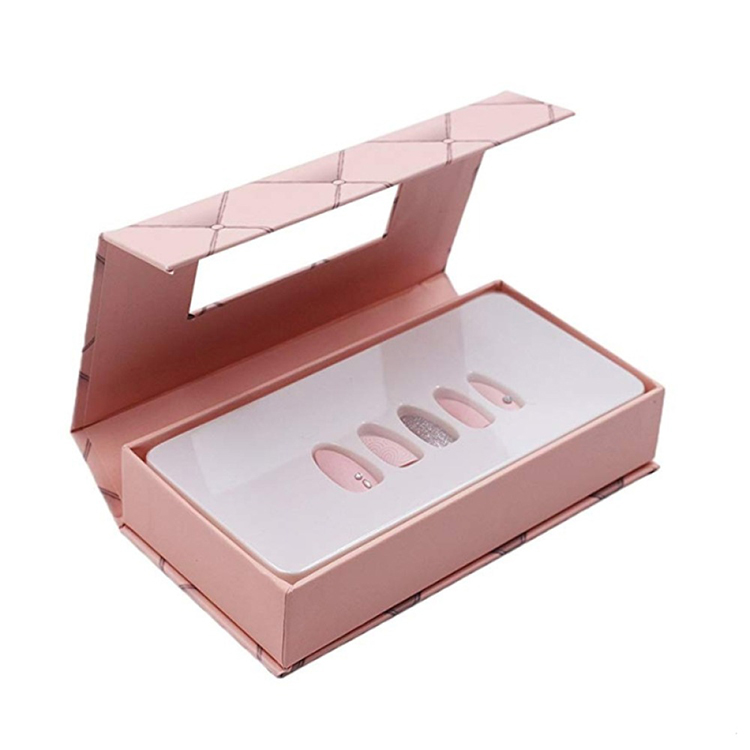
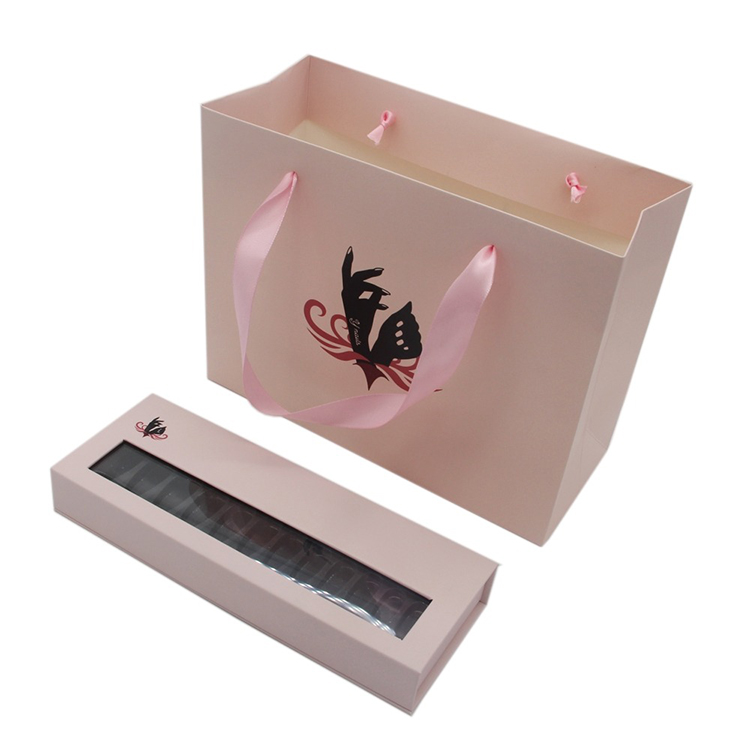
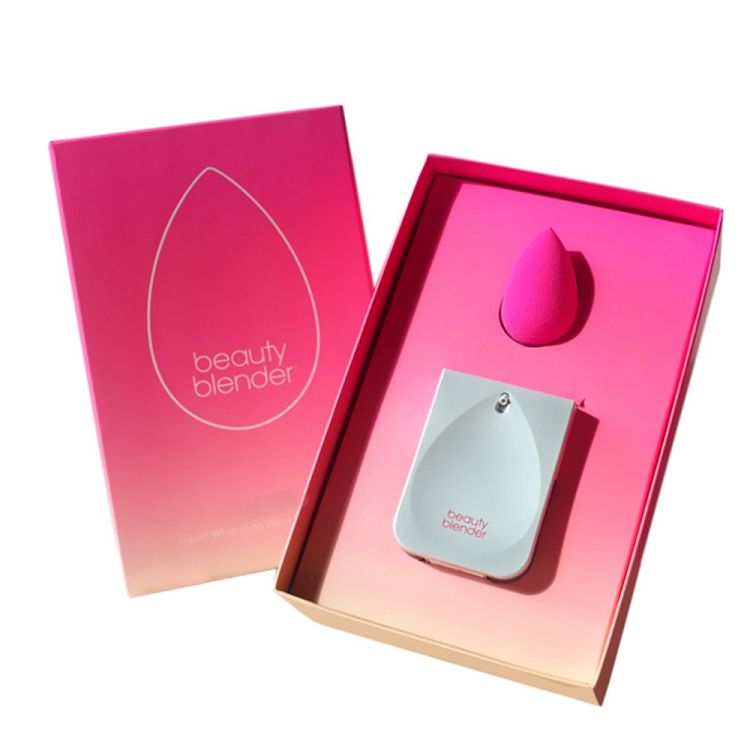
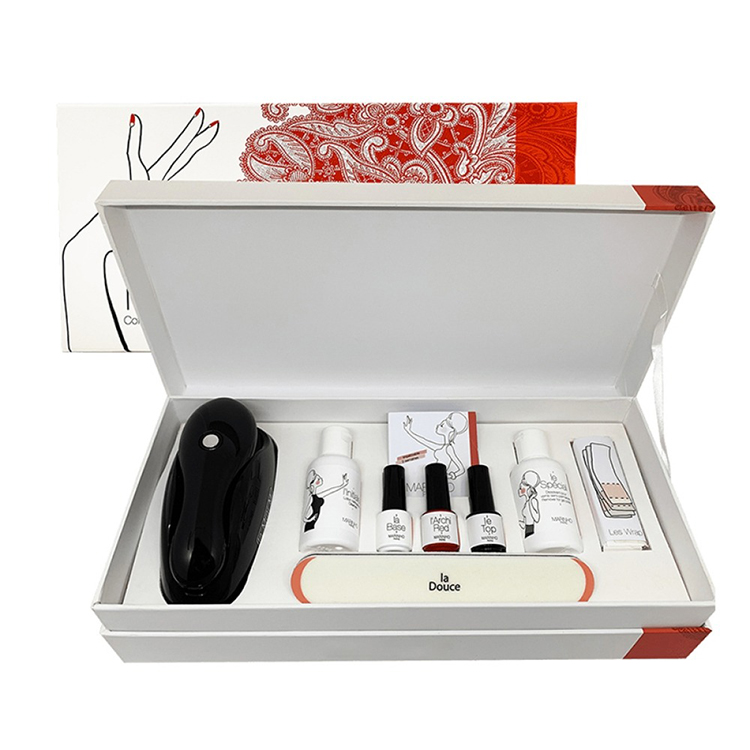
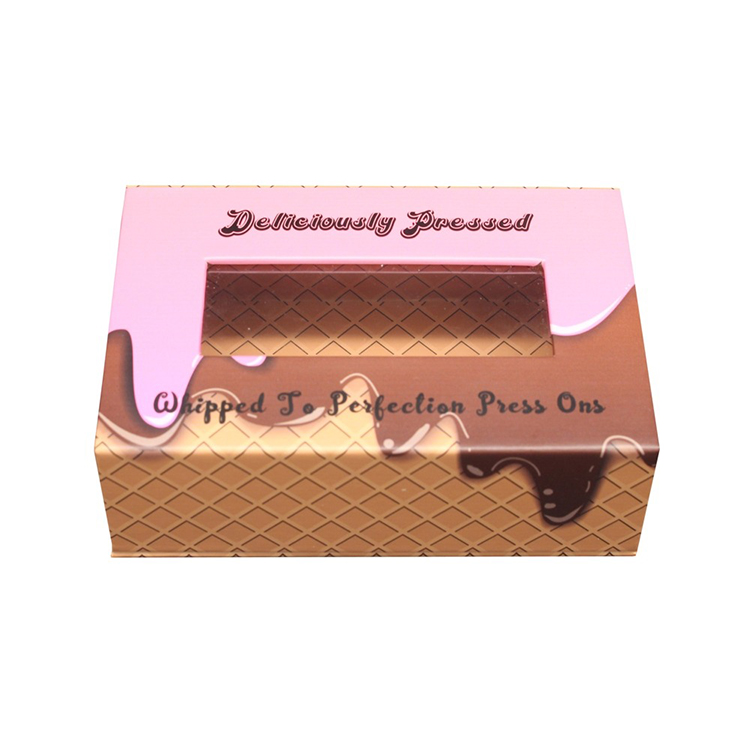
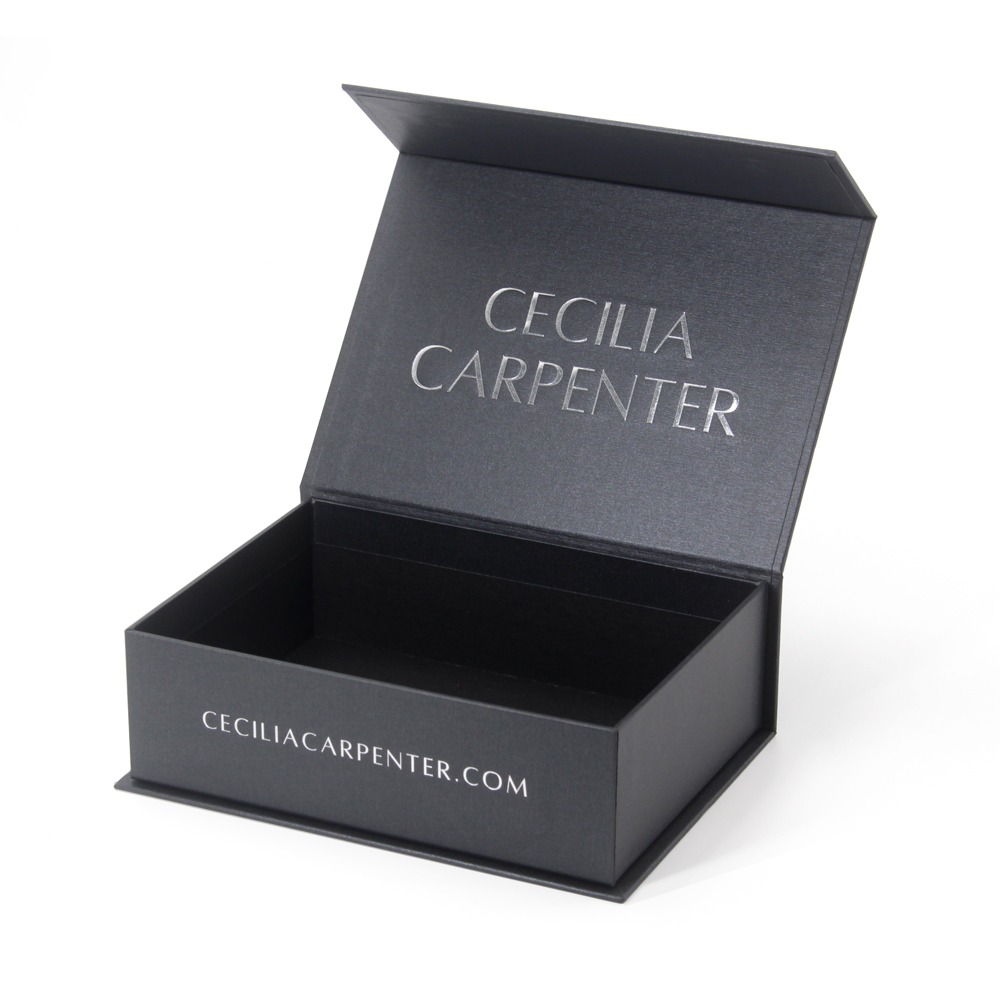
Custom Cosmetic Packaging Boxes for Beauty Brands

Explore custom cosmetic gift boxes, rigid press-on nail boxes, branded mailer boxes, soap packaging, and coordinated paper bags. Compare premium structures, display windows, fitted inserts, and foil-logo finishes to find the right packaging style for your products and brand.

How Do Custom Apparel Boxes Elevate Your Brand?

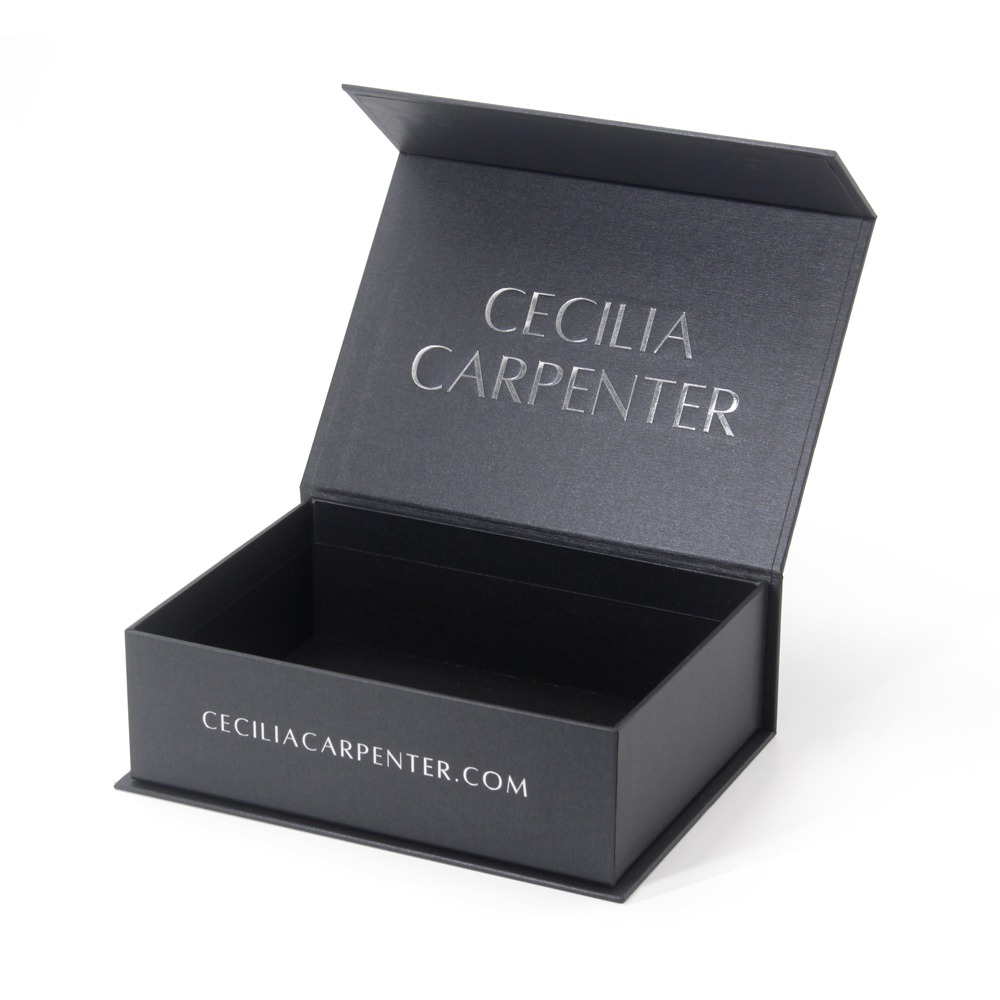
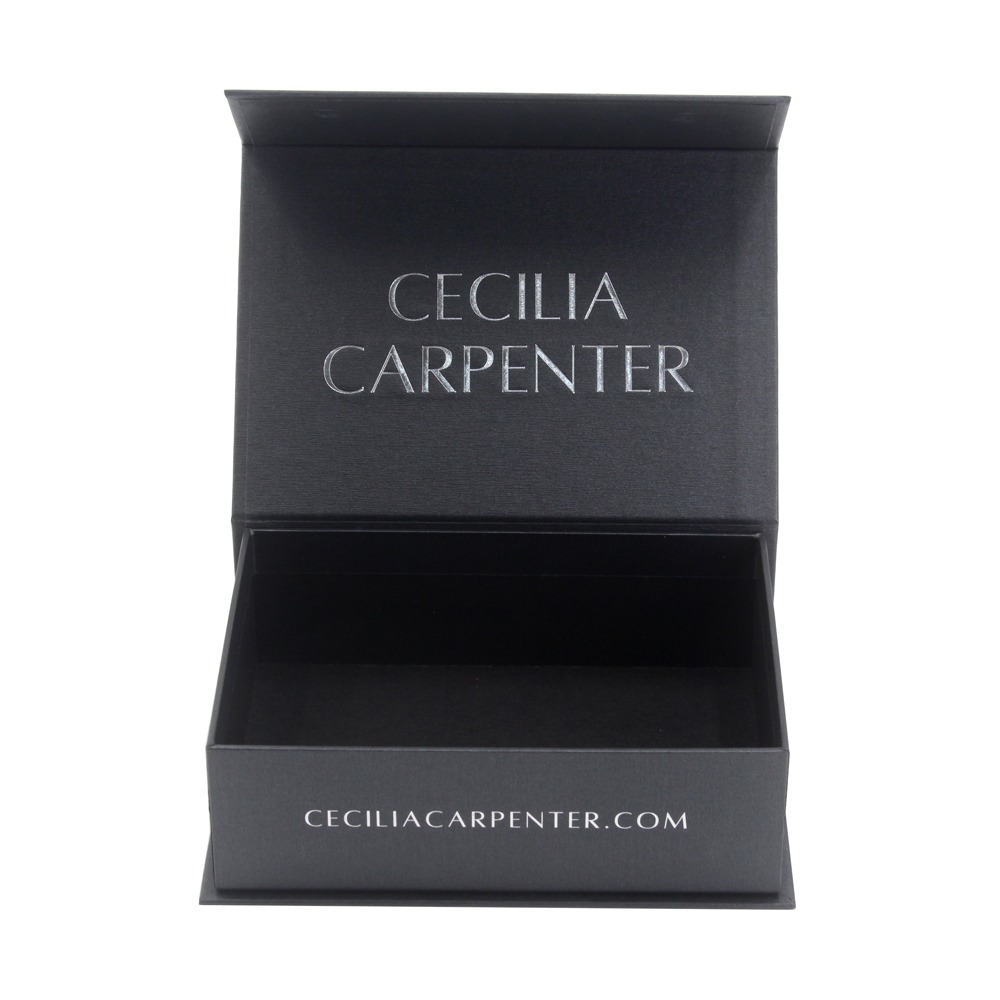
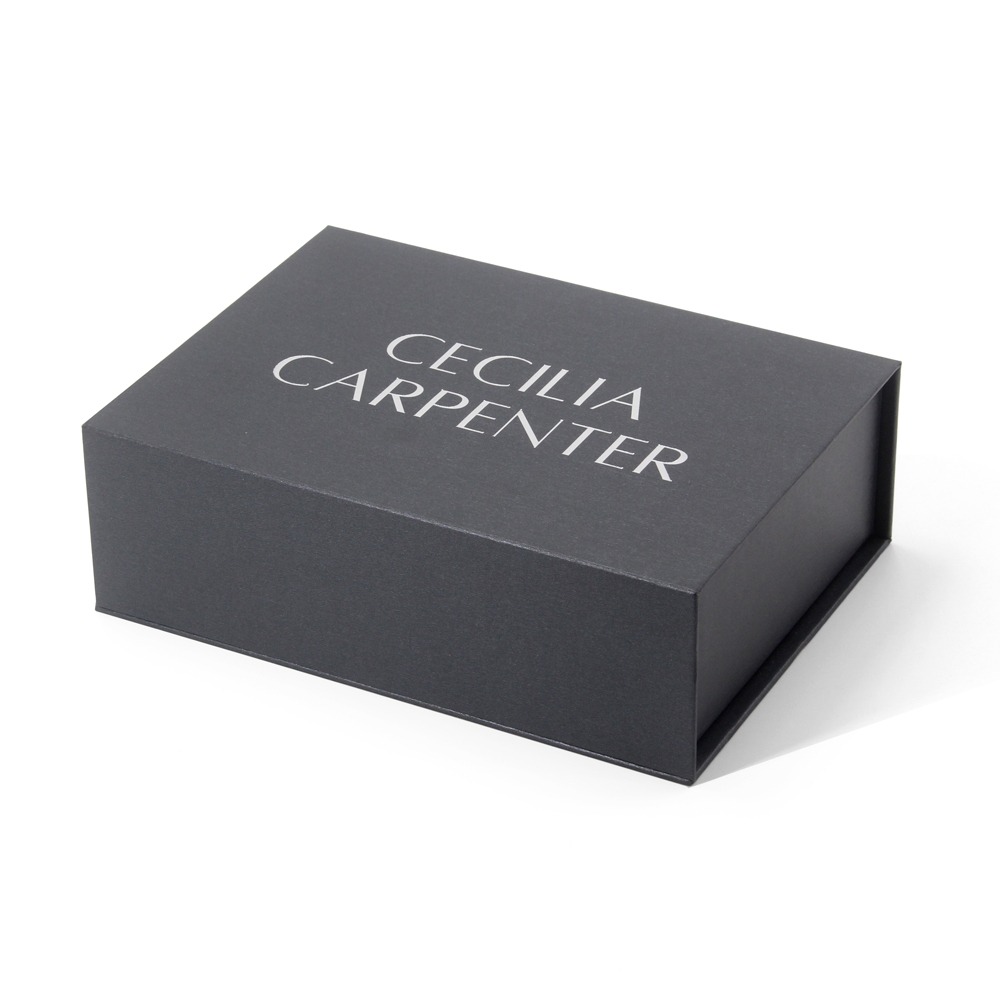
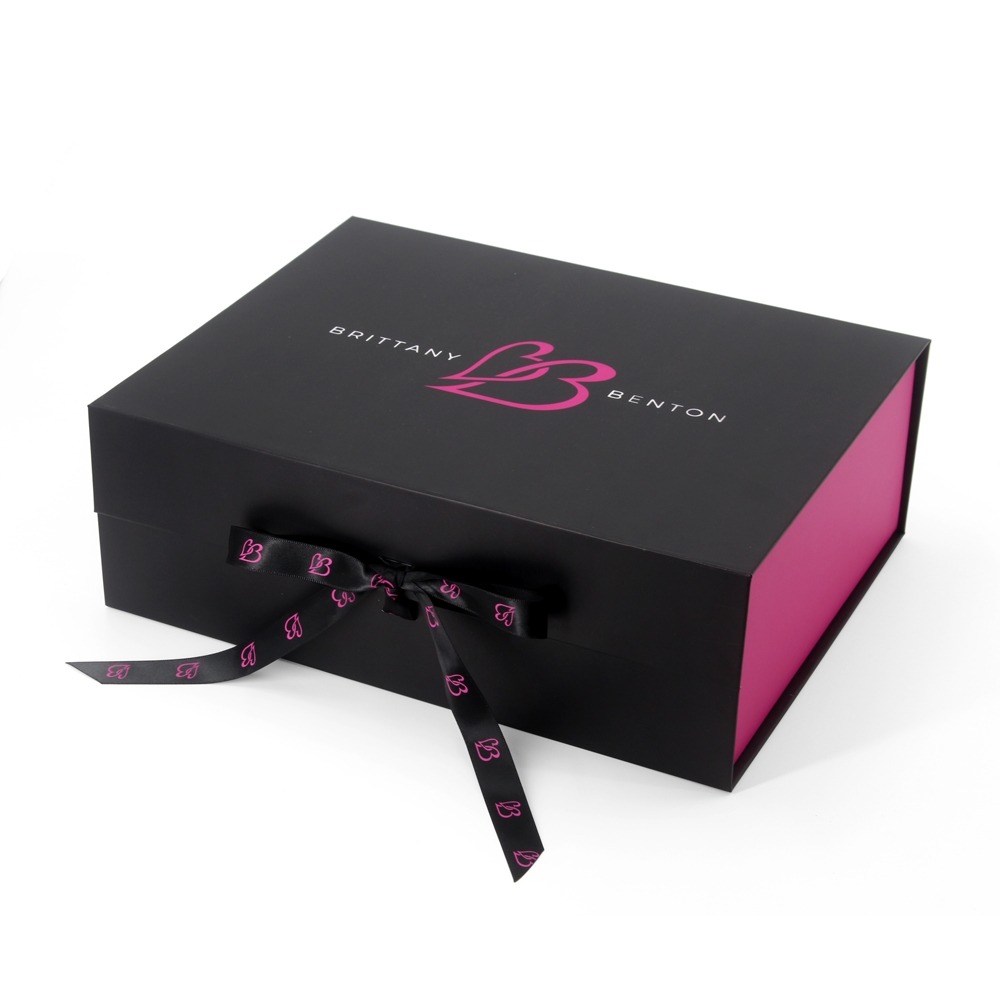
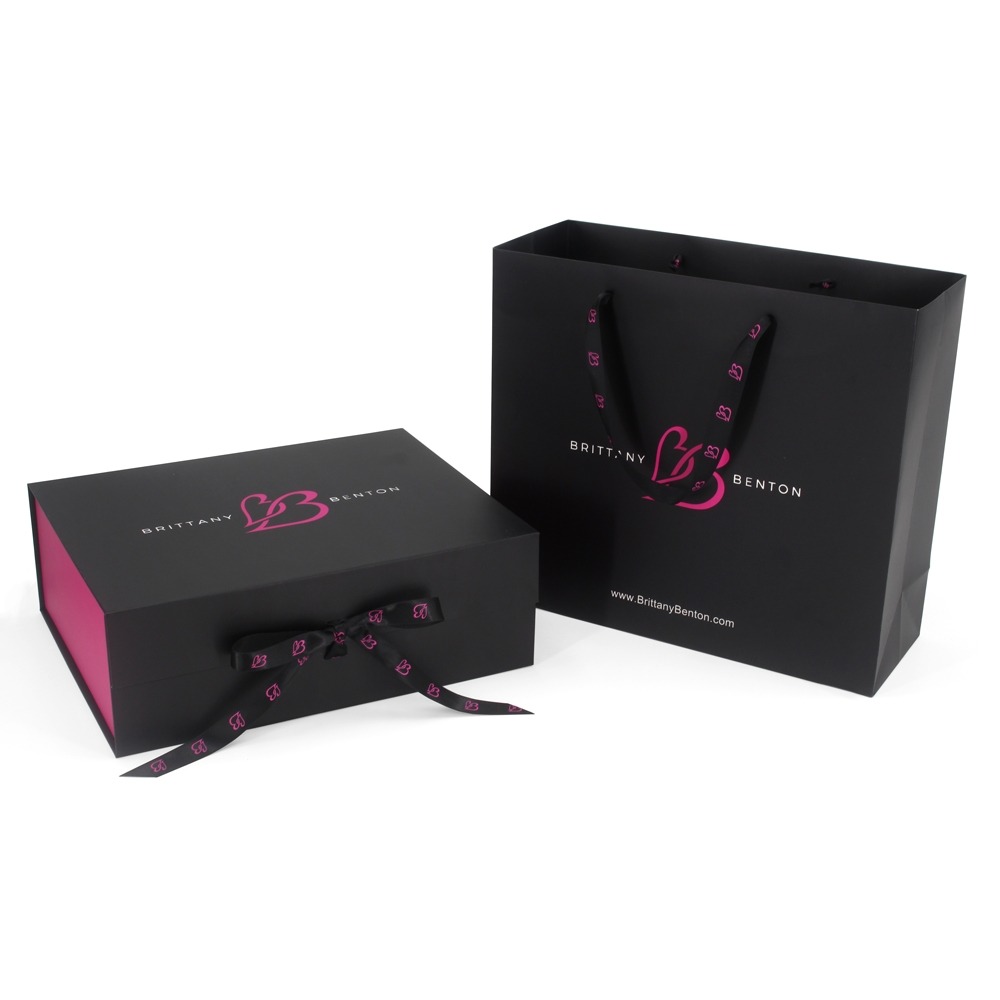
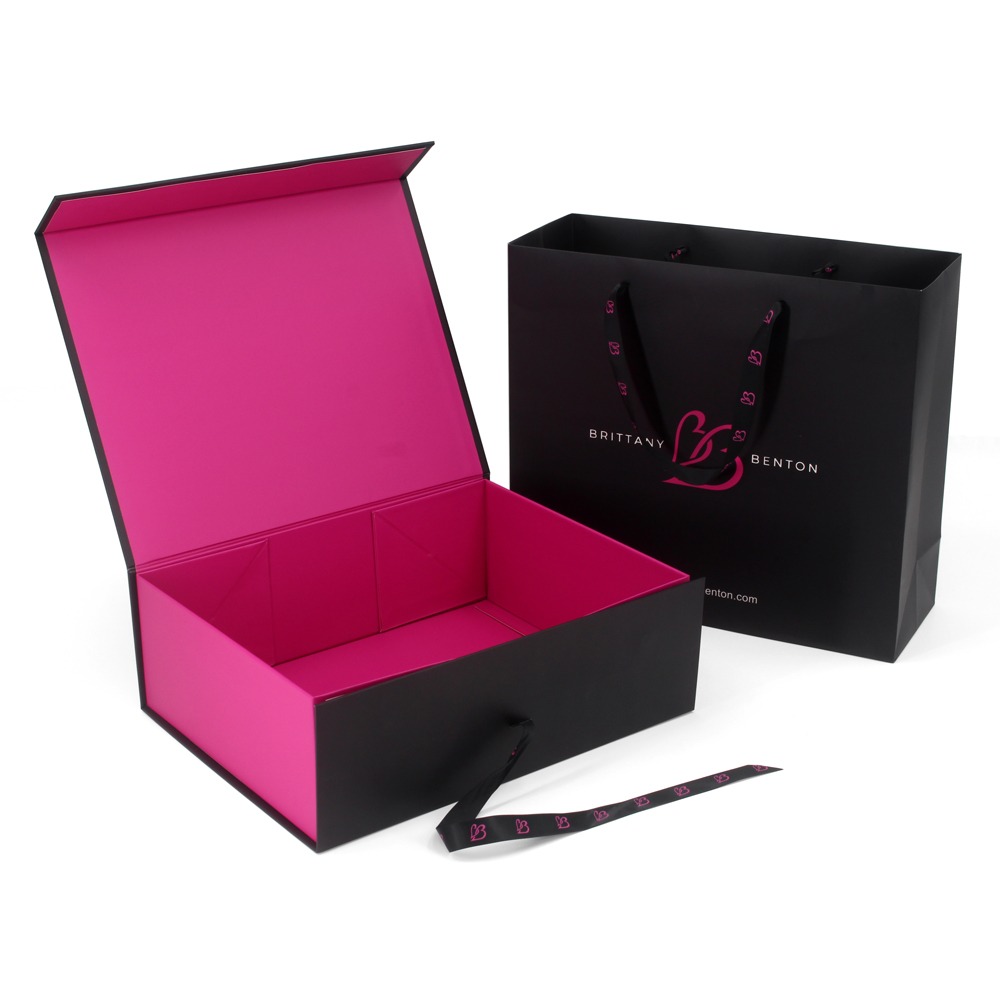
Custom apparel boxes elevate a brand by becoming a practical marketing tool from the storefront or product page into the customer’s hands. Consistent color, logo placement, and presentation strengthen brand recognition, creating a memorable unboxing and a cohesive unboxing experience.

A custom box can reduce empty space, secure inserts, and present custom clothing without excess filler. Fashion brands should judge custom packaging by structure, pack-out speed, storage footprint, print coverage, and fit within their clothing packaging system.

What Custom Printed Options Are Available for Clothing Brands?

Printing options may include exterior or interior ink, full-color graphics, logos, patterns, labels, sleeves, and selected finishes; confirm availability. Custom printed apparel boxes can align physical packaging with campaign artwork and other brand touchpoints.

Before approving printed work, request a dieline and proof. Check artwork format, barcode clearance, tolerances, finish compatibility, and coating recyclability. Confirm whether inserts, windows, ribbons, or packaging supplies are included.

Which Apparel Packaging Boxes Fit Different Clothing Items?

Retail teams package clothing by matching box dimensions, weight, fold, and route to the customer. Practical pairings include:

  • Shirt boxes for folded shirts and lightweight knitwear

  • Deeper packaging boxes for a sweater, dress, robe, or multi-item gift

  • Rigid gift boxes for scarves, bridal items, and premium clothing gift programs

  • Mailer boxes or corrugated mailers for online fulfillment and returns

Suits may need hanging packaging. A scarf box centers an accessory; hat boxes fit headwear. Strong boxes help preserve form, window styles add visibility, and clothing boxes simplify gift wrapping.

Kraft, Paperboard, or Corrugated Boxes: Which Material Works Best?

The right material depends on presentation, product weight, storage, and shipping exposure. Folding carton stock suits retail packaging, rigid board creates a substantial gift presentation, and corrugated cardboard adds cushioning and stacking strength.

Kraft offers a natural look, but natural kraft alone does not prove a sustainability benefit. For natural kraft apparel boxes or other eco-friendly choices, ask for documented fiber sourcing, recycled content, recycled materials, coatings, and local recyclability. White corrugated cardboard offers a clean print surface and transit structure; white boxes in folding board may suit lighter use.

How Do Apparel Gift Boxes Improve Retail and E-commerce Presentation?

Gift-ready formats create an organized reveal and make a purchase ready to present. Attractive packaging can protect the fold, contain accessories, and support a consistent customer experience across stores and e-commerce.

For a boutique, gift and apparel boxes may provide a neutral base for ribbon or labels; white gift boxes are one option. Clothing gift boxes and tissue support gift packaging. For shipping, use an outer mailer when the presentation box is not designed for carrier handling. These apparel boxes help preserve the unboxing while the outer box absorbs transit stress.

Wholesale Apparel Boxes: Customization, Pricing, and How to Get a Custom Quote

Wholesale pricing depends on structure, size, material, quantity, print coverage, finishes, tooling, freight, and destination. For a custom quote on wholesale apparel purchasing, provide specifications and request separate setup, unit, and shipping charges.

Useful details to send include:

  • Product dimensions, weight, fold, and items per box

  • Style, material, printing, finish, and insert requirements

  • Quantity, wholesale orders schedule, and storage limits

  • Destination, in-hand date, and mailer return needs

Ask about samples, minimums, tolerances, overruns, and freight. Businesses across the USA should confirm coverage. If buyers may request a free quote, verify what it includes.

What size apparel box should I order?

Choose a box based on the clothing item’s folded length, width, depth, and weight. Allow space for tissue paper or inserts without leaving excessive room for movement. Shipping carriers also recommend appropriately sized, sturdy packaging with enough room for protective material.

Folding paperboard generally suits lightweight retail and gift presentation, while rigid boxes provide a more substantial premium feel. Corrugated mailer or shipping boxes are better suited to transit because corrugated structures provide cushioning and stacking strength.

If sustainability matters, request verified information about recycled content, coatings, and material sourcing. Local recycling acceptance should also be confirmed rather than assumed.

Custom printing may include logos, brand colors, patterns, interior graphics, labels, or selected finishes, depending on the supplier. Ask for a dieline, artwork specifications, printing method, and proof before production. Corrugated packaging can support several direct-printing processes and high-resolution graphics.

Minimum order quantities vary by supplier, box style, material, size, and printing method. Confirm whether the quoted minimum applies to stock boxes, fully custom boxes, or each individual design, and ask whether setup, tooling, samples, and freight are included in the price.

Production and shipping times depend on box complexity, order quantity, artwork approval, destination, and transportation method. Request separate estimates for sampling, production, and delivery, and have the supplier confirm your required in-hand date before placing the order. Shipping schedules can also vary according to package size, weight, destination, and service level.

Frequently Asked Questions About Apparel Boxes

Compare apparel box sizes, materials, printing options, wholesale requirements, and production timelines before requesting a custom packaging quote.