



Not sure about the box structure, materials, inserts, or production feasibility? Our engineering team can review your requirements and recommend a practical packaging solution.
Share your box type, size, quantity, materials, printing, and delivery requirements. Our sales team will help you prepare a clear quotation and sourcing plan.
Have questions about cooperation, production capabilities, large-volume orders, or long-term sourcing? Talk directly with our managing team before you leave.

Child-resistant boxes are packages designed to make access significantly difficult for young children under five while remaining practical for adults to use. They can reduce the risk of children reaching unsafe contents, but “child-resistant” does not mean completely child-proof. Buyers gain a controlled opening experience suited to the product and market.
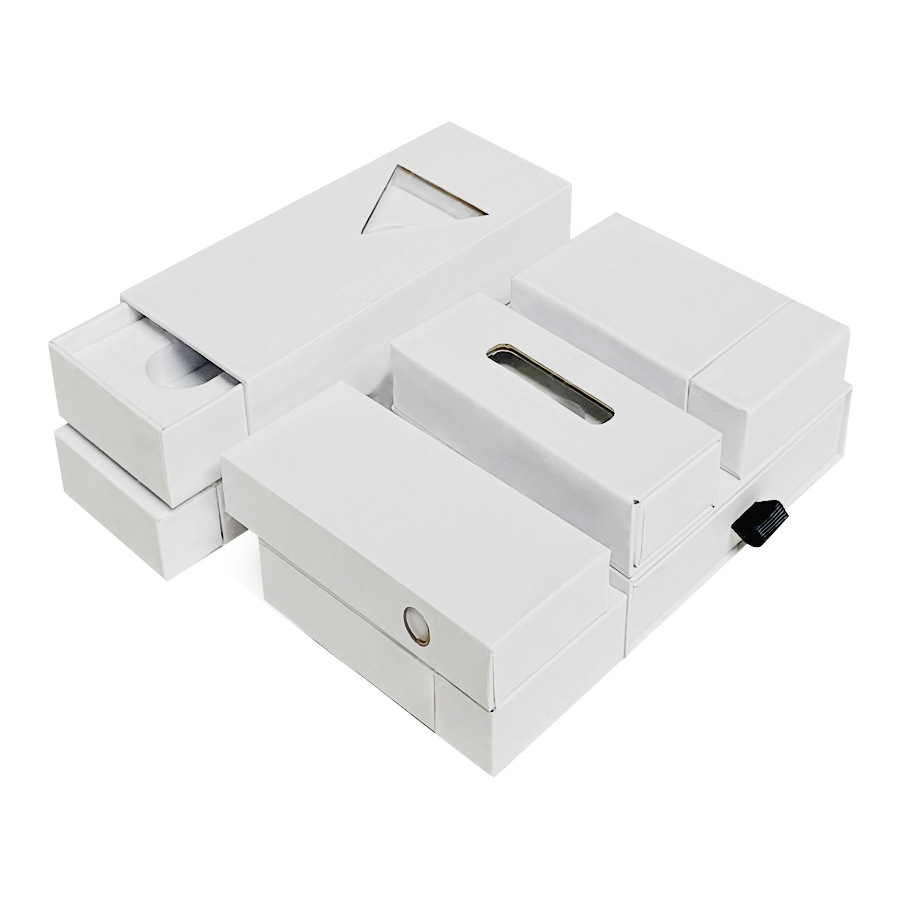
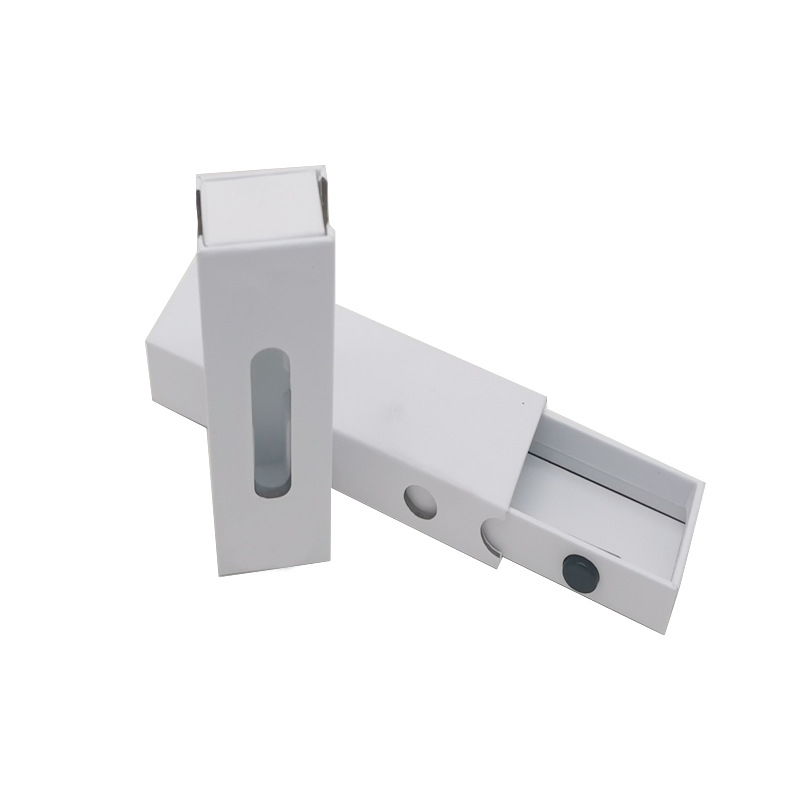
Child-resistant packaging boxes are suitable for products requiring high safety standards; however, the specific choice of packaging depends on the product contents, sales channels, and target market. Suitability cannot be determined solely by the opening mechanism itself.
The scope of application covers a wide range of products, such as prescription and over-the-counter (OTC) medications, cannabis-based products (including CBD products), nicotine products, chemicals or detergents, specially formulated cosmetics, batteries, and other hazardous items that could be accidentally ingested. Different product categories are subject to distinct compliance requirements.
For child resistant boxes, the right type of packaging matches product dimensions, access pattern, sensitivity, and route to market. Material strength and consumer handling affect the decision.
| Product or Application | Possible Packaging Format | Common Safety Feature | Buyer Consideration |
|---|---|---|---|
| Tablets or Capsules | Folding carton with inner tray | Push-and-slide lock | Finished-pack testing and reclosure |
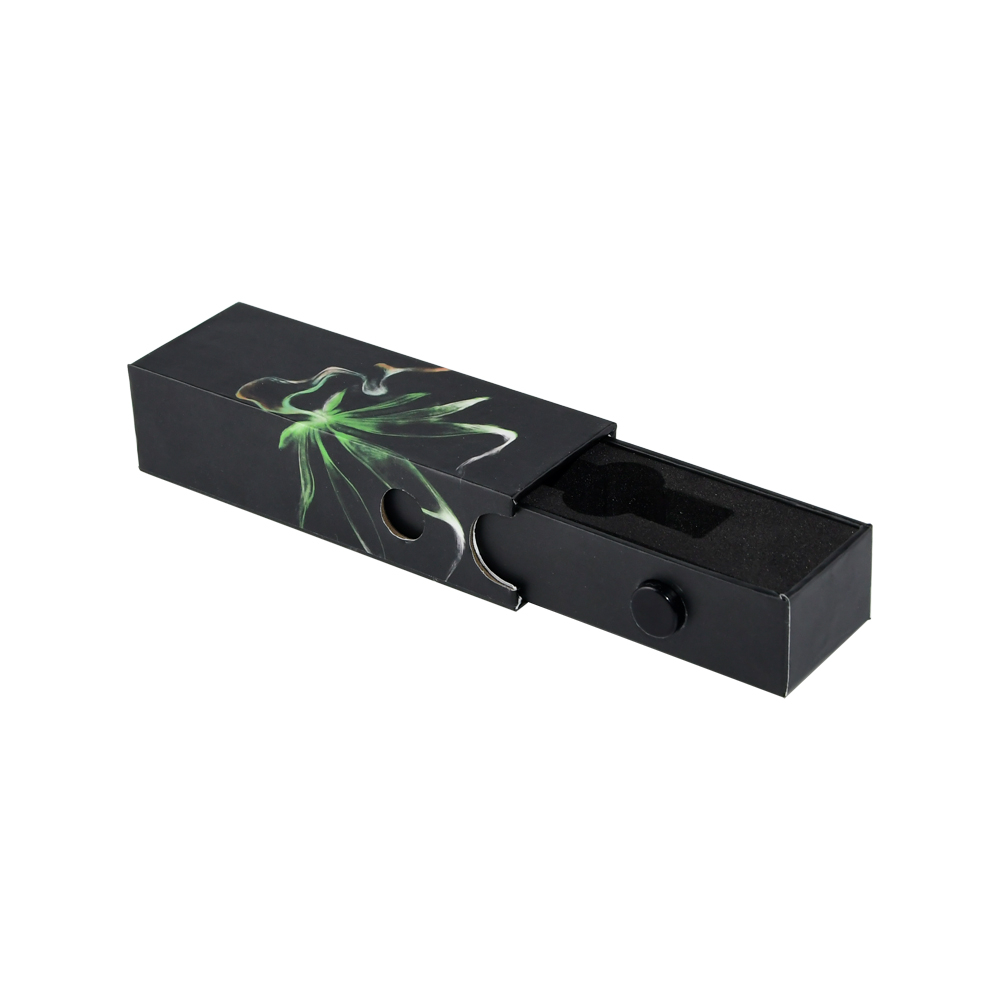
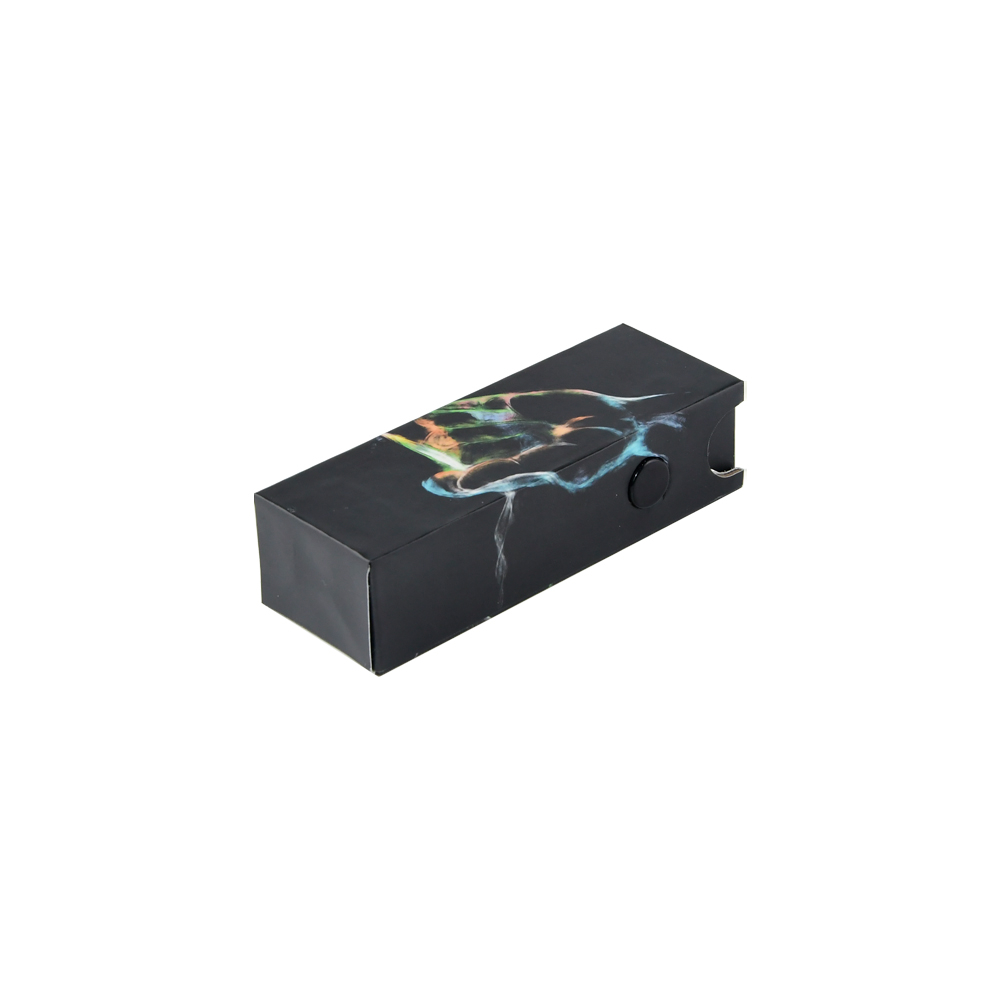
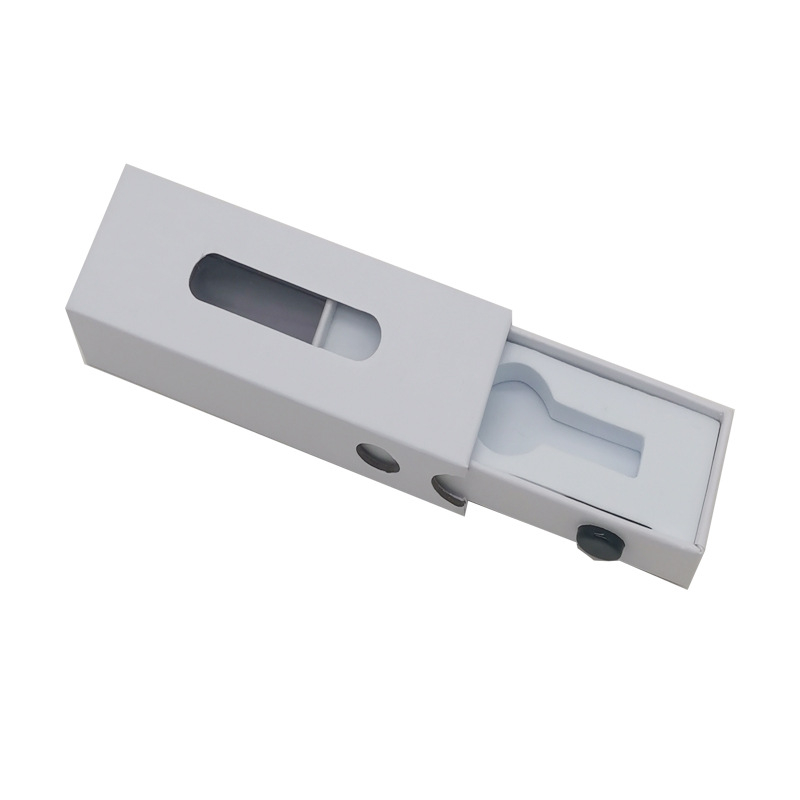
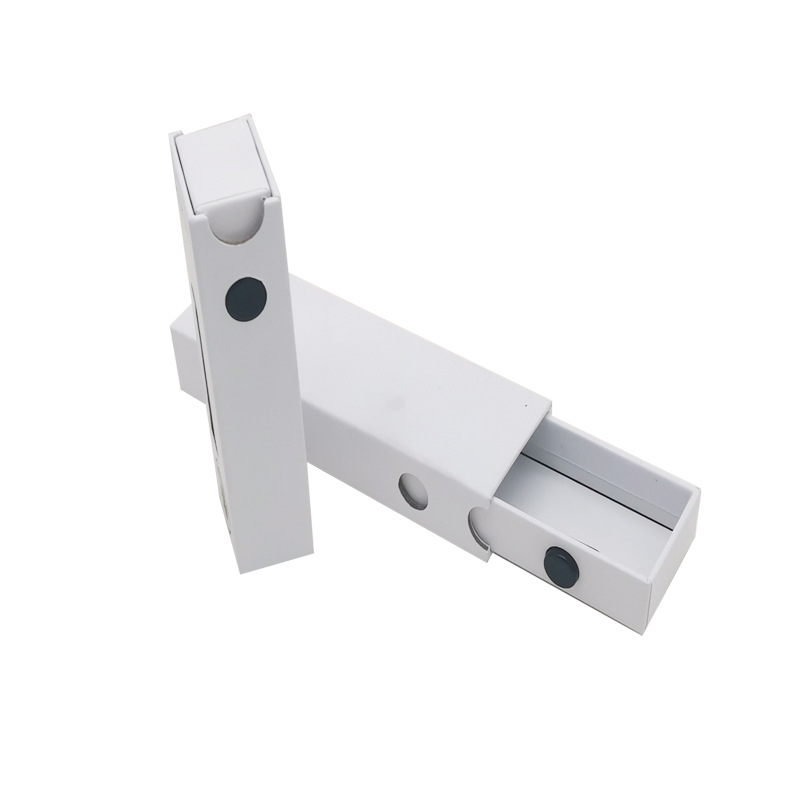
| Vape or Small Device | Solid-board drawer box | Dual release tabs | Fit, labeling, and local rules |
| Bottle-Based Goods | Carton plus bottle | Cap-and-box system | Component compatibility |
| Shipped Retail Item | Corrugated mailer | Concealed locking tabs | Transit performance and access |
The mechanism requires an action less intuitive to a child yet manageable for an adult with reasonable dexterity. Performance depends on the assembled pack and correct closing after use.
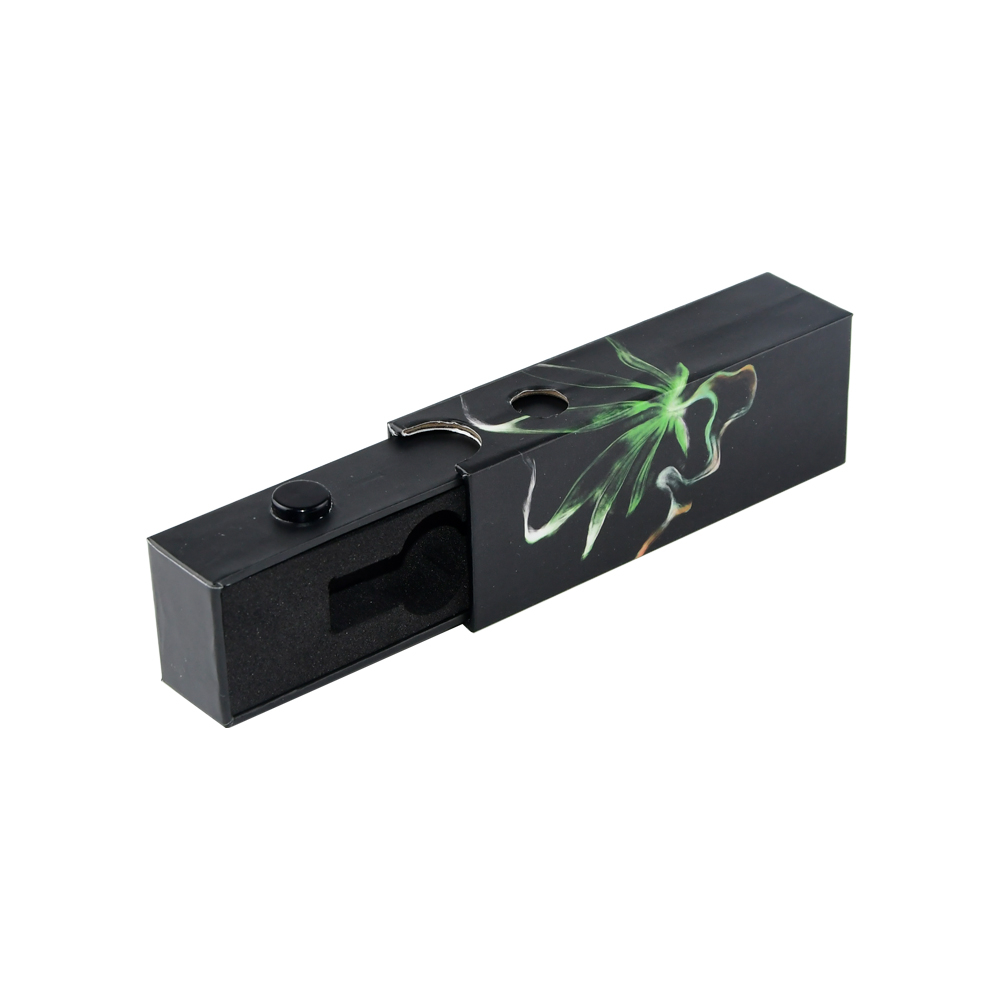
Common packaging features include hidden release points, opposing locking tabs, push-and-slide drawers, or multi-step openings intended to deter children from accessing contents. Bottles may use safety caps or twist-and-lock tops. Balance opening force, instructions, repeated use, and correct reclosure.
No design can keep children safe by itself. Treat the package as one barrier for protection alongside responsible storage, supervision, and correct reclosure.
Customization can align the package with the product, user journey, and brand while preserving the intended opening sequence. Any structural change should be reviewed for its possible effect on test evidence and performance.
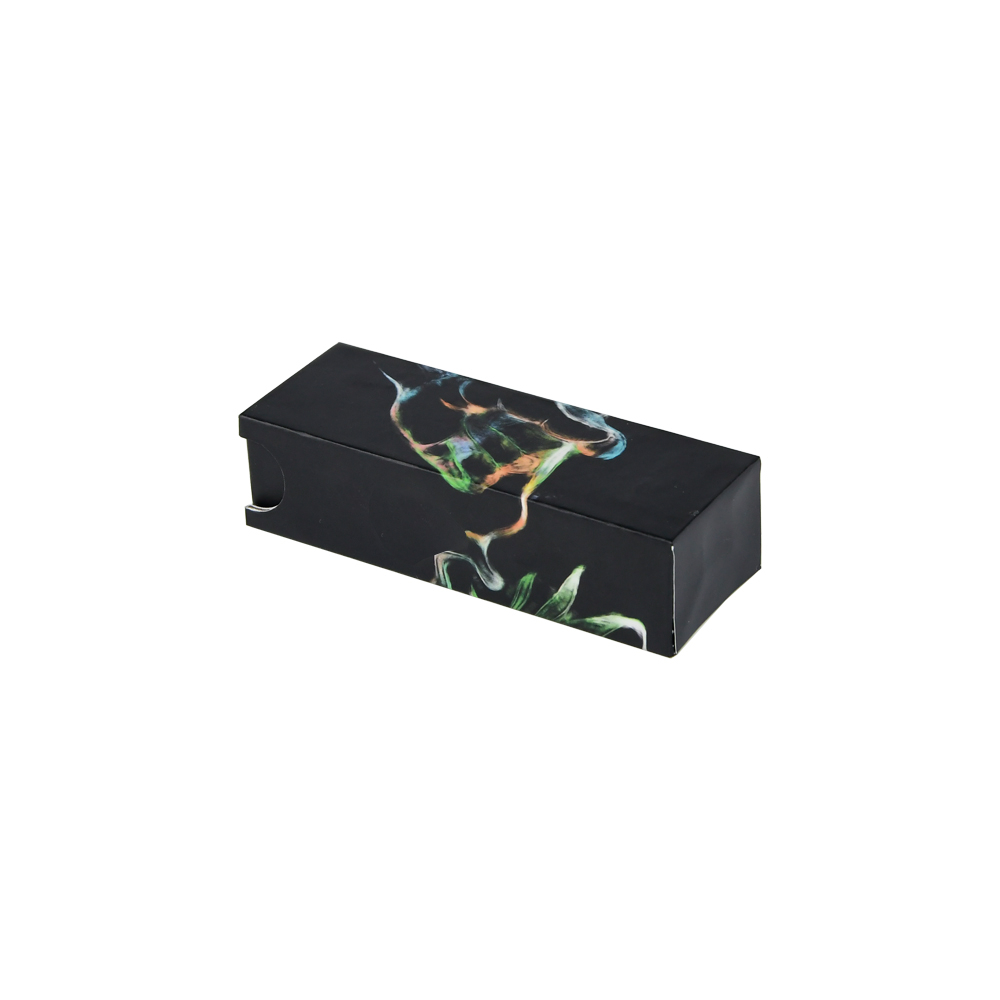
Ask our team to customize dimensions, board selection, inserts, release geometry, print, instructions, and finish. Options may include premium presentation, color systems, protective coatings, and retail display boxes. We can discuss packaging solutions customized around product fit and supplied artwork.
Before production, assess tolerances, inner components, warning space, opening cues, and correct reclosure.
equirements depend on product type, formulation, jurisdiction, package configuration, and market. A package is not compliant or certified child-resistant merely because it has a special opening feature.
In the United States, the Poison Prevention Packaging Act authorizes requirements for certain household substances to help protect children. The U.S. Consumer Product Safety Commission (CPSC) sets testing protocols in 16 CFR § 1700.20; it does not approve, endorse, or certify a design. Evidence should reflect the applicable finished configuration.
The U.S. Food and Drug Administration (FDA) may govern product or labeling matters, but it does not grant certification for these boxes. Other jurisdictions may apply different laws or international standards. Confirm applicable rules with qualified compliance professionals or authorities.
Child resistance is also distinct from tamper-evident packaging: one limits child access, while the other provides evidence of interference. One feature does not automatically provide both functions.
Environmental claims must match the actual materials, coatings, adhesives, inserts, and local collection systems. A fiber-based appearance alone does not establish recyclability or a lower environmental impact.
Ask for specifications and evidence supporting any recyclable or sustainable claim. Check whether mixed components separate, finishes affect recovery, or material reduction changes strength and opening performance.
Understand how child-resistant boxes work, which products may require them, how finished packaging is evaluated, and what to prepare before requesting a custom quote.
Child-resistant boxes are designed to be significantly difficult for children under five to open while remaining usable by adults. They are not completely child-proof, so correct reclosure, responsible storage, and adult supervision remain important.
Requirements may apply to certain medicines, household chemicals, nicotine products, pesticides, and other potentially hazardous substances. The correct requirement depends on the product, formulation, package configuration, jurisdiction, and intended market; buyers should verify the rules applicable to their specific product.
No. A lock, hidden tab, or multi-step opening does not automatically establish compliance. In the United States, applicable special packaging must satisfy the child and adult testing requirements in 16 CFR § 1700.20, and supporting evidence should reflect the finished package being placed on the market. The CPSC does not pre-approve a specific packaging design.
Share the product type, contents, dimensions, intended market, preferred opening mechanism, required materials, branding files, expected order volume, and any existing testing documents. These details help [BRAND NAME] evaluate product fit, customization options, sampling needs, and whether changes to the package may require further testing or compliance review.