Candy Gift Boxes Built for Better Presentation

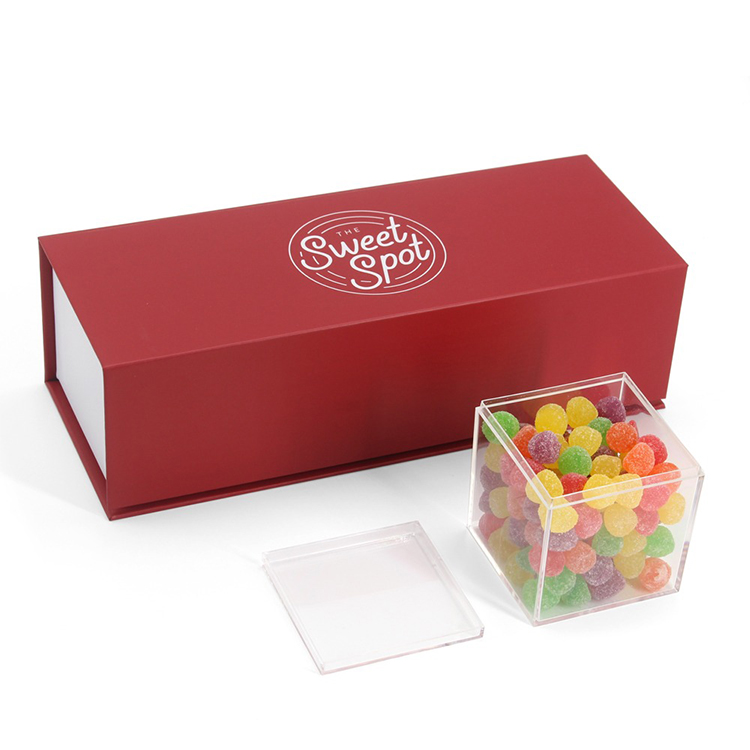
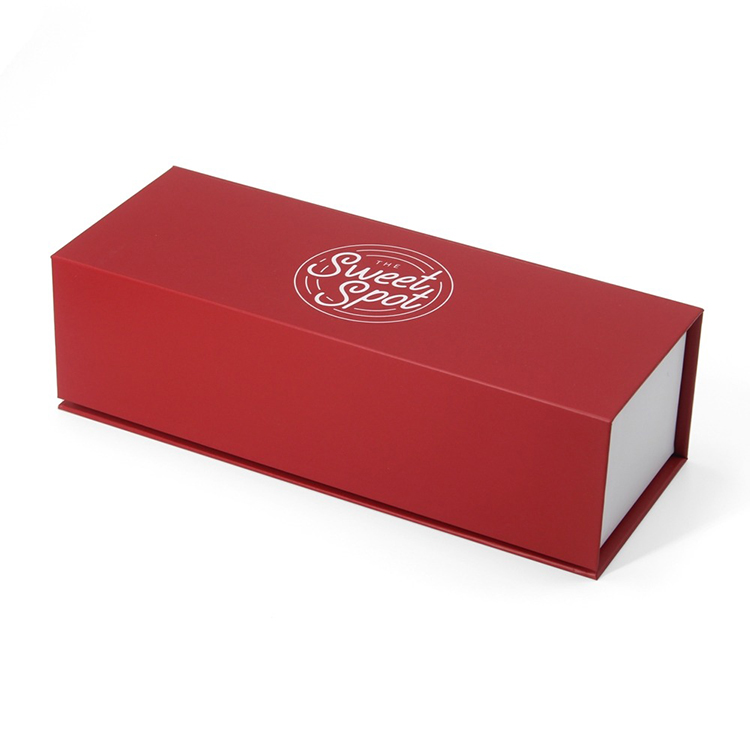
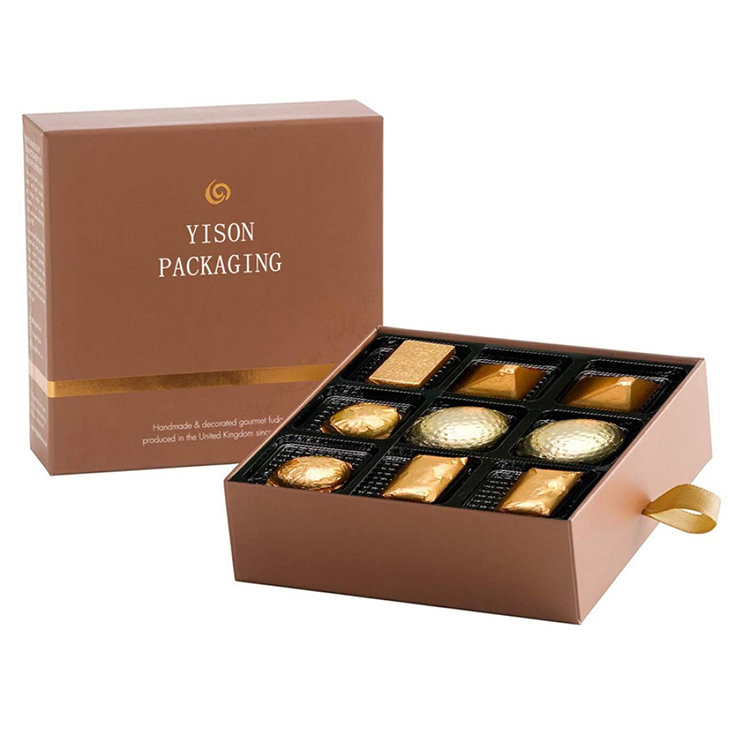
Made-to-order paper candy boxes are packages created for a specific brand, product line, celebration, or event. Choose dimensions, logo, brand colors, artwork, messages, a window, inserts, compartments, and specialty finishes to protect each piece, sharpen presentation, and make ordering easier for confectioners, shops, and planners.

What Is a Candy Box, and Who Is It For?

A candy box is a branded container engineered around a confection, assortment, promotion, or occasion. It gives a sweet item a defined home while communicating who made it and why it belongs on the shelf or in someone’s hands.

Unlike a generic container, the structure can reflect portion count, handling needs, and a unique presentation brief. That makes the format useful for a launch, a recurring range, a seasonal collection, or a coordinated celebration favor.

Explore Custom Candy Box Styles

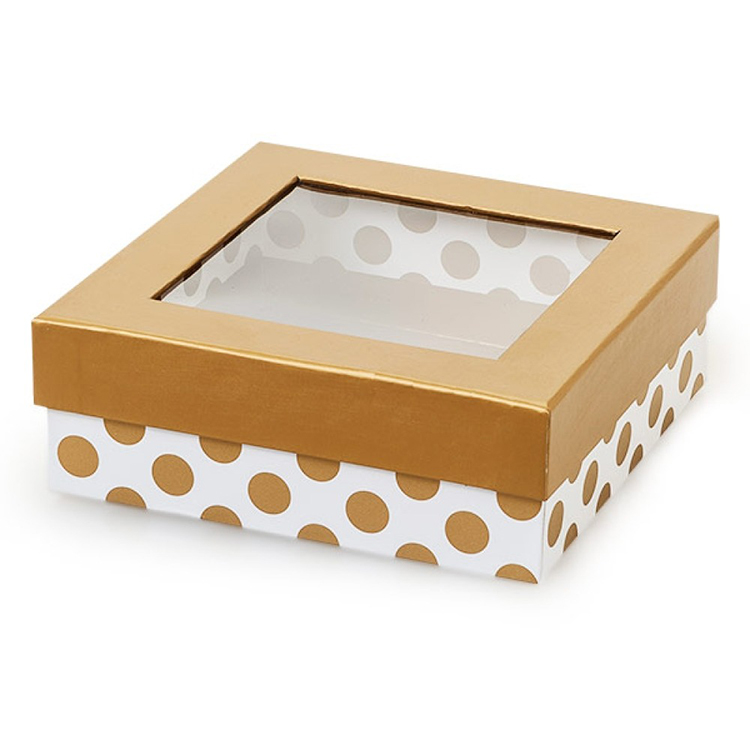
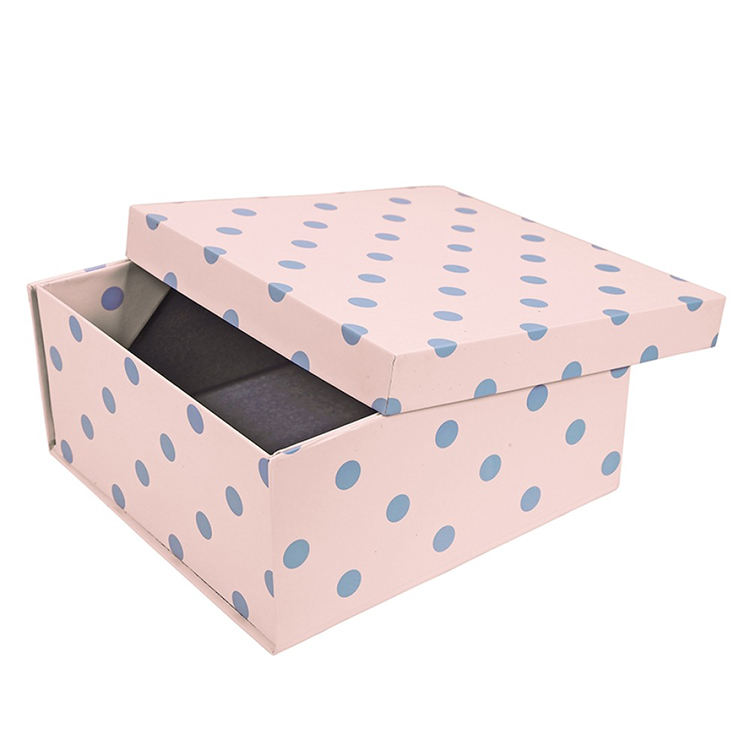
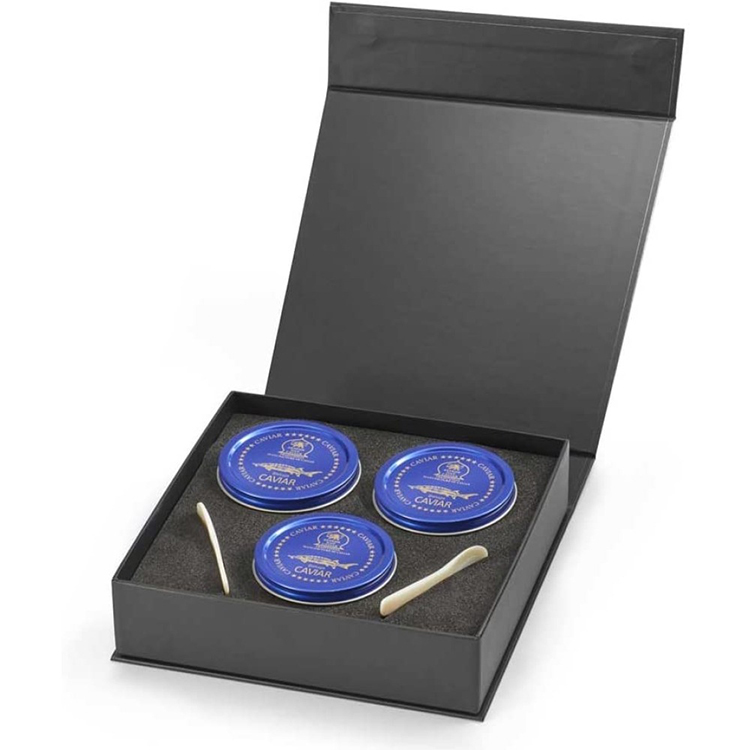
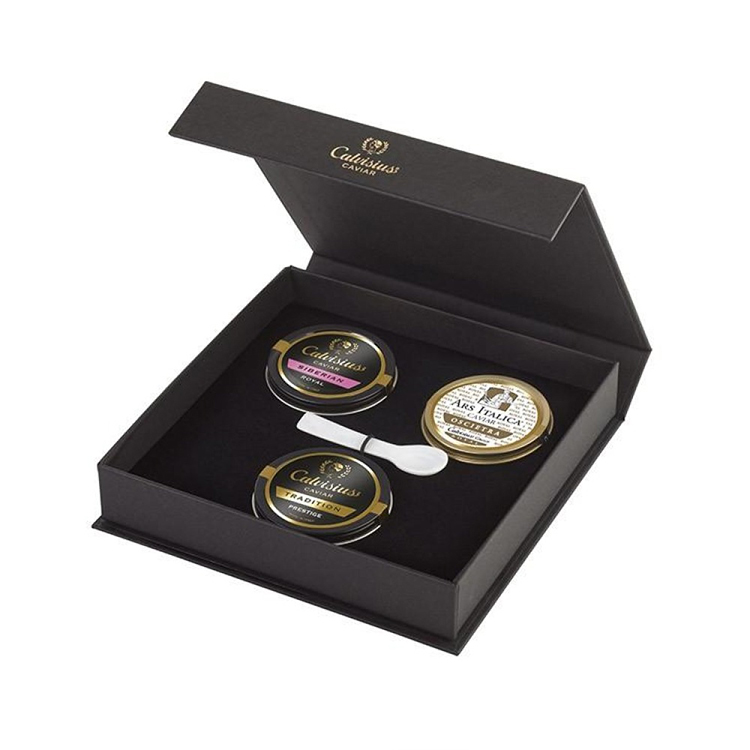
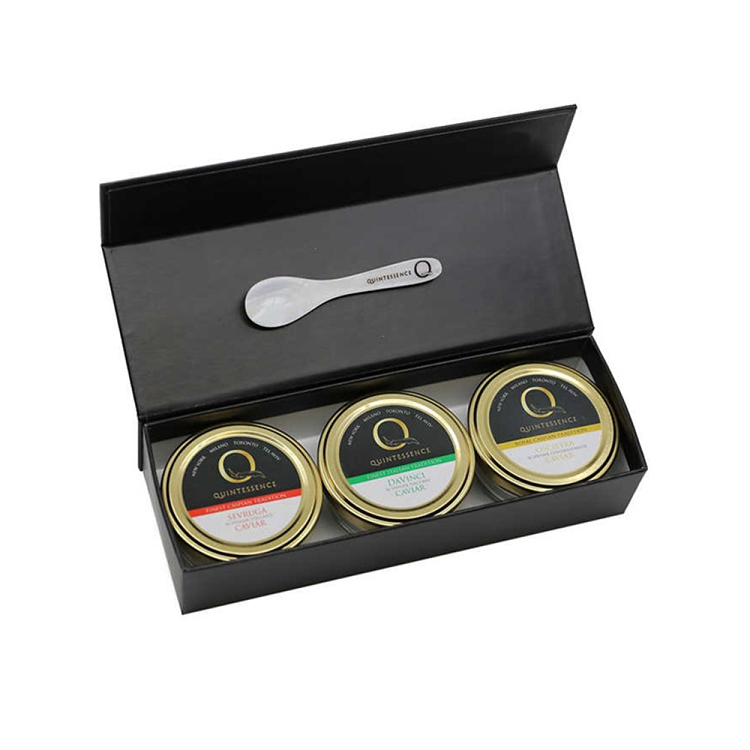
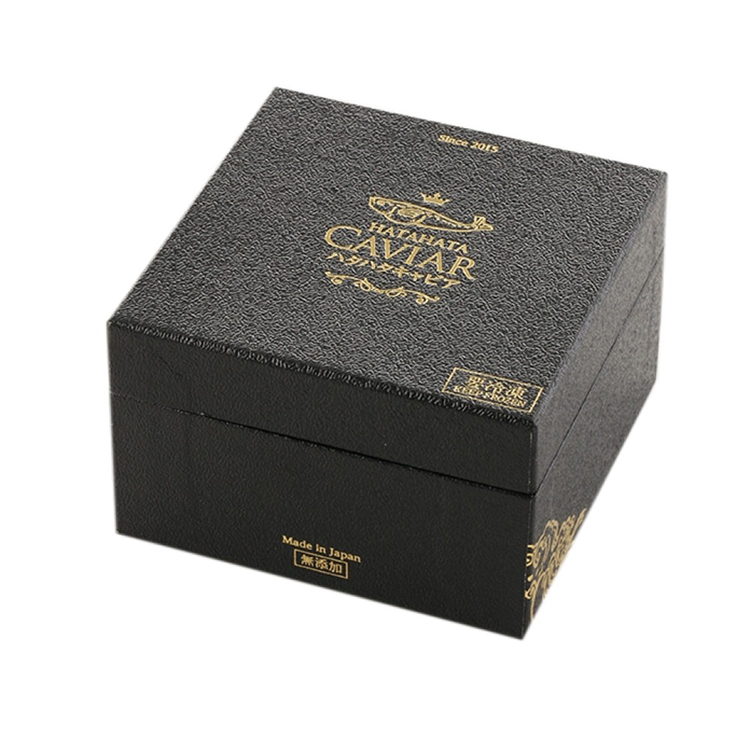
Compare rigid drawer, two-piece, magnetic, and window candy boxes with tailored inserts, printing, and finishes. Find the right structure to protect your sweets, showcase your brand, and elevate every gift or retail display.

Why Does a Branded Candy Box Improve Gifting and Shelf Appeal?

A well-planned candy box protects delicate pieces, organizes the assortment, and makes the brand easier to recognize. The right structure also helps staff fill orders consistently and gives buyers a more considered unboxing experience.

For small gifts, a ribbon can add charm without overwhelming the format. Strong color blocking can help a new range pop, while restrained graphics may suit premium assortments. The goal is not decoration for its own sake; every choice should support recognition, handling, and the moment of opening.

How Do Size, Shape, and Candy Box Inserts Affect Fit?

Correct dimensions keep pieces presentable without wasting space. Measure the confection itself, then allow for wrappers, dividers, finger access, and production tolerances.

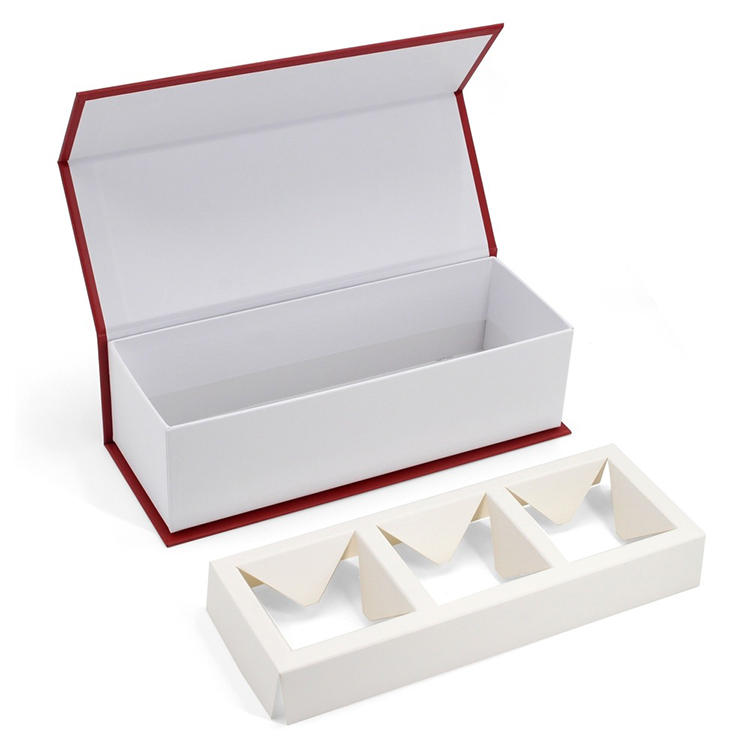
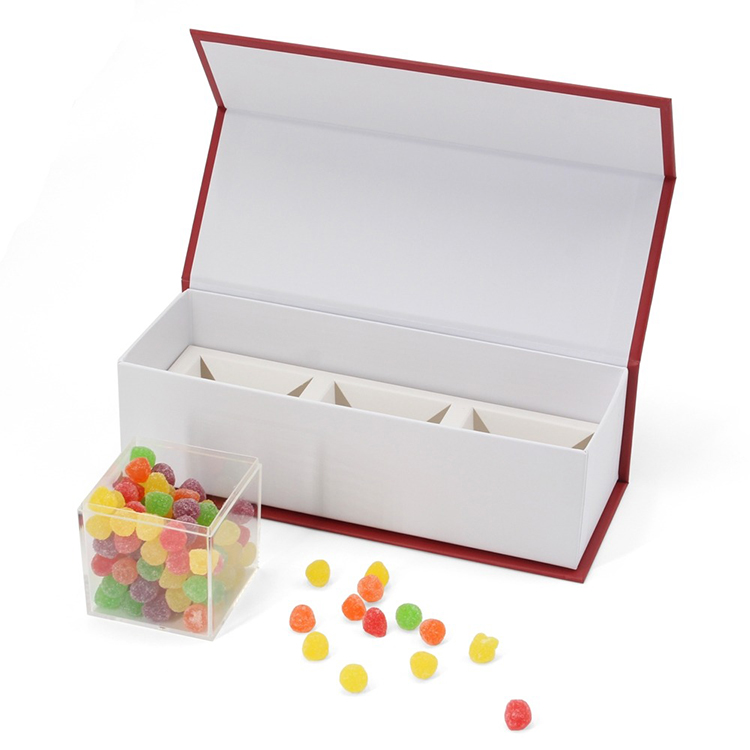
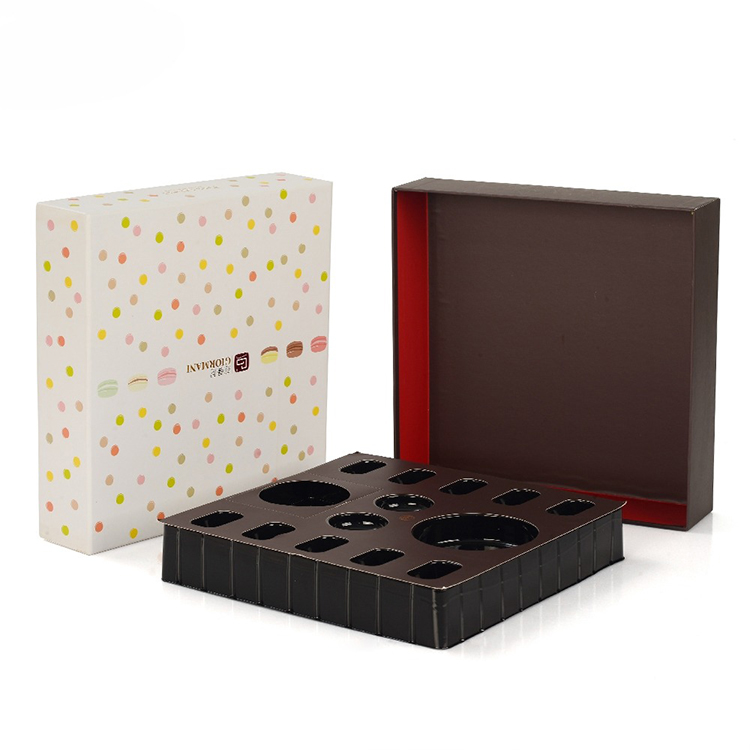
Match the internal layout to candy type, piece count, dimensions, and weight. A close-fitting insert can stop truffles from colliding; compartments can separate flavors or allergens; extra clearance may suit gummies in sealed pouches. Also consider how the filled box will stack during transport, sit in storage, and face the customer at opening. Request a structural sample when fit is critical.

Which Box Style, Lid, and Design Features Can You Choose?

The best format balances presentation, assembly, storage, and budget. Start with the way the confection should be revealed, then select only the features that improve use.

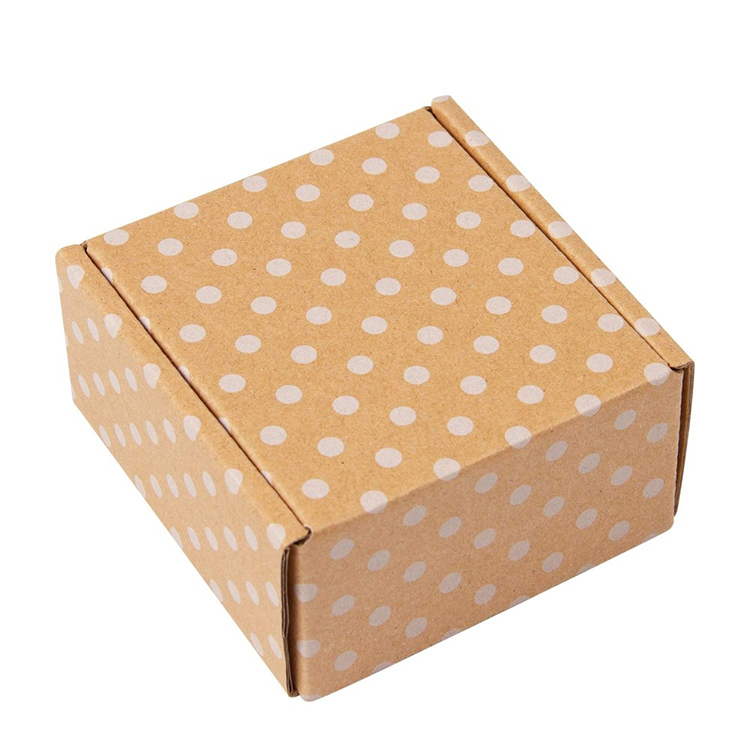
  • Structures: flat-packed folding cartons for efficient storage, rigid setup formats for a premium feel, gable carriers, or a two-piece base.

  • Viewing and organization: clear panels, a fitted tray, dividers, compartments, and a cushioning pad.

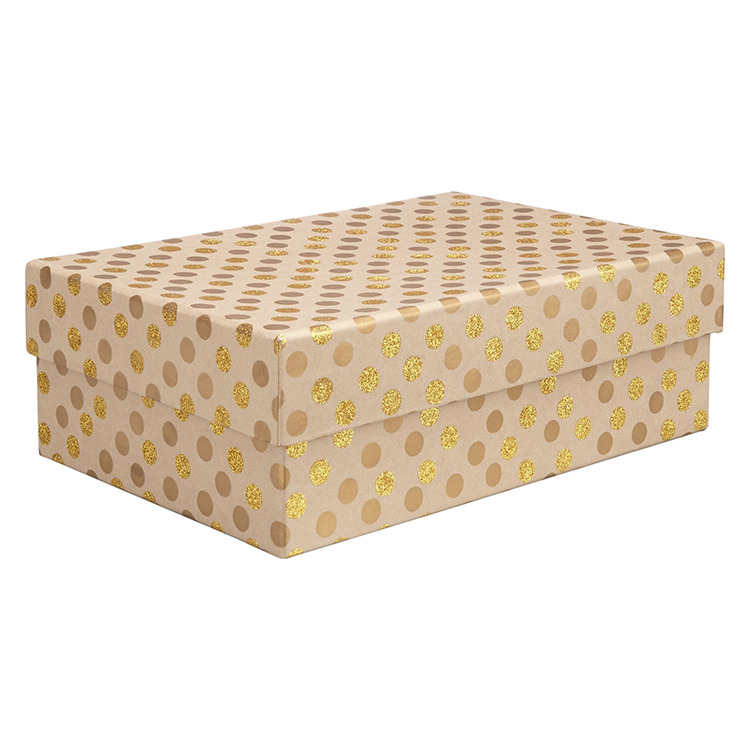
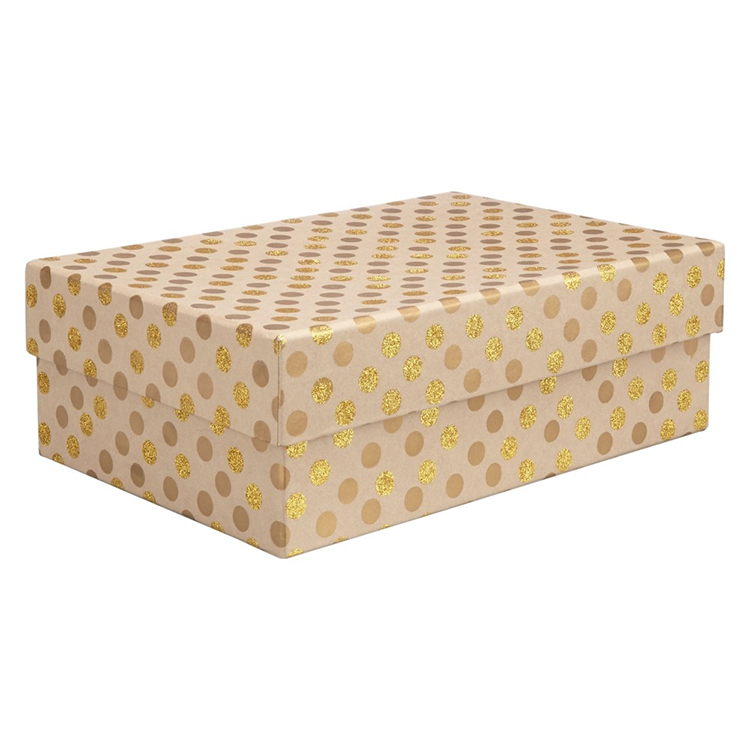
  • Brand treatment: logo placement, artwork, messages, understated brown stock, or precise brand tones.

  • Finishes: gloss or matte finishes, foil accents in gold or another metallic tone, and embossing.

  • Packaging accessories: labels, an inner bag or wrap, and decorative ties when appropriate.

Which Cardboard, Print, and Finish Choices Support Food Protection?

Board grade and surface treatment should match the load, presentation, and contact conditions. Choose sturdy construction for heavier assortments, and assess grease, moisture, scuffing, and compression before approving the specification.

If unwrapped candy touches the package, specify a food-safe material suitable for the intended use or add an appropriate inner wrapper. A plastic film may provide a barrier, but the supplier should confirm suitability for the confection and use conditions. Review fat content, heat exposure, storage duration, and transport climate; food-contact evaluation depends on the food and expected conditions, as reflected in FDA guidance.

Where Do Chocolate, Cookies, and Snack Boxes Work Best?

Purpose-built formats work for chocolate bars, gummies, truffles, fudge, nut assortments, and other confections. They can also hold baked goods or sealed bites when the structure and contact layer suit the contents.

Popular applications include party favors, wedding place settings, birthday giveaways, Christmas collections, holiday gifts, and retail display sets. Treat boxes can carry small portions, while a candy gift box can present a curated assortment. Match the format to serving method, shelf position, travel distance, and whether the recipient will open it immediately or store it.

How Do Wholesale Ordering, Samples, Proofing, and Pricing Work?

Bulk ordering should make every production detail visible before approval. Share the brief, review the proposed structure and artwork, then confirm scope and pricing in writing.

  1. Send the brief: include candy type, interior dimensions, filled weight, order quantity, artwork files, destination, and required date.

  2. Review options: compare the structure, finish, food-contact approach, and available sample or proof process.

  3. Confirm the order: approve the dieline and artwork, [minimum order quantity], [lead time], shipping details, and quoted total.

For wholesale candy packaging, ask which samples are available and whether they are blank, digitally produced, or production-representative. Supplier capabilities vary, so confirm tolerances, proofing stages, freight terms, and any change charges before authorizing production.

What can I customize on a candy box?

You can customize the box size, shape, structure, artwork, logo, brand colors, printed messages, windows, inserts, and compartments. Finish options may include gloss or matte coatings, foil accents, and embossing. Select features according to the candy type, presentation goal, handling needs, and budget.

Measure the candy or wrapped product and note its weight, piece count, and desired arrangement. Allow additional room for trays, dividers, cushioning, and easy removal. A structural sample is useful when packing delicate chocolates, truffles, or assortments with several shapes.

Only when the food-contact material is suitable for the intended food and conditions of use. Otherwise, add an appropriate inner wrapper, liner, cup, or sealed bag. Food type, fat content, storage temperature, and contact duration can affect material selection, so request supporting information from the supplier. The FDA’s food-contact guidance explains why both food type and use conditions matter.

Ask whether blank samples, printed prototypes, digital proofs, or production-representative samples are available. A proof helps confirm artwork placement and wording, while a physical sample provides better insight into dimensions, assembly, insert fit, and overall presentation. Sample availability and charges should be confirmed with the supplier.

Provide the candy type, product dimensions, filled weight, box quantity, preferred structure, artwork status, finish requirements, food-contact needs, delivery location, and required date. The supplier can then confirm pricing, minimum order quantity, sample options, and lead time without relying on assumptions.

Custom Candy Boxes: Frequently Asked Questions

Get clear answers about customization, sizing, food-contact protection, samples, and wholesale ordering before requesting your candy box quote.