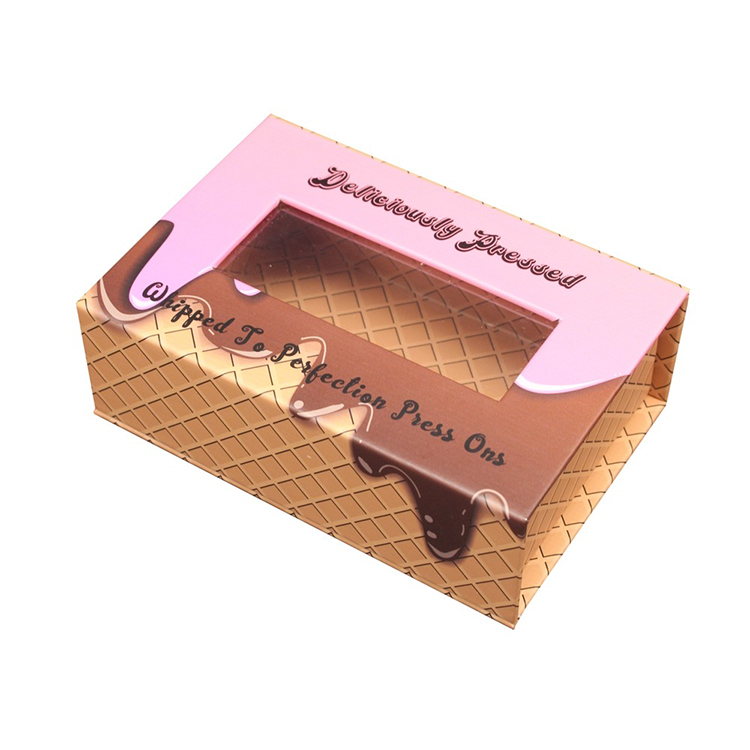
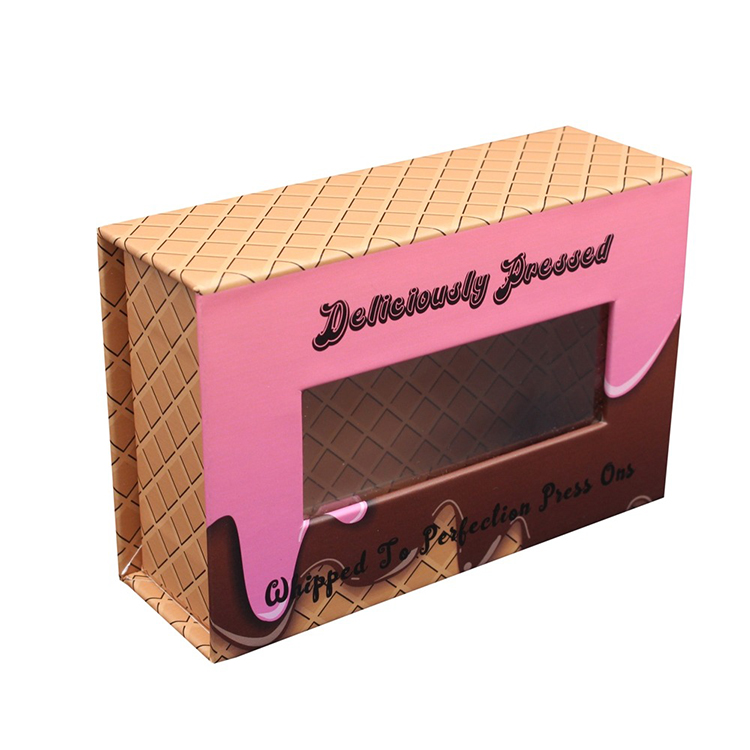
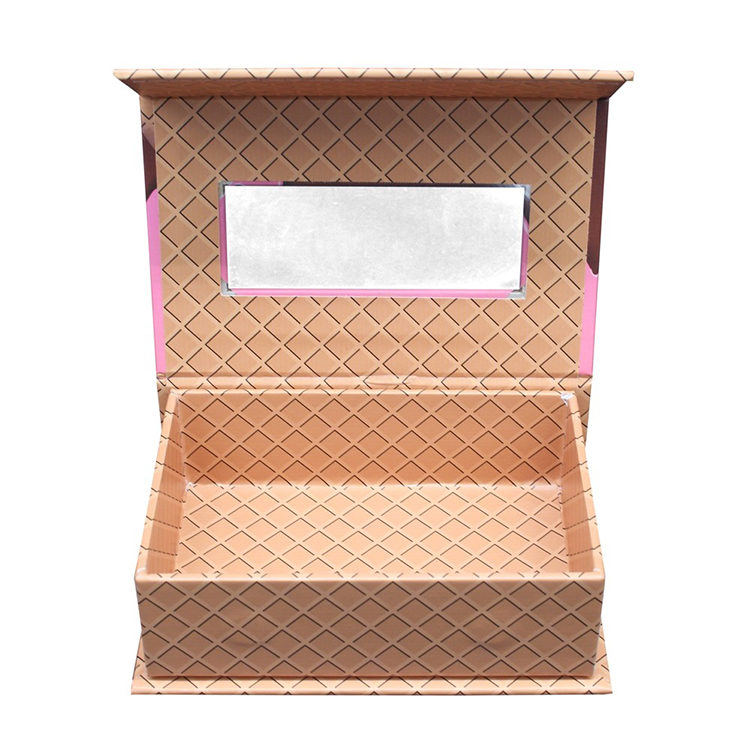
Coated Paper for Premium Custom Boxes

Discover how coated paper enhances premium custom boxes through smooth surfaces, sharp printing, rich color and gloss, matte, satin or dull finishes. Compare coated and uncoated paper, review proper weights, grades and print methods, and understand recycling and practical-use considerations. Discuss gift, magnetic, drawer, lid-and-base or folding box needs with Xingdian and request a custom quote.

What Is Coated Paper and How Does the Coating Work?

Coated paper is printing paper with a surface formulation containing pigments or minerals—commonly clay or calcium carbonate—combined with a binder, additives and often a dispersant. The treatment fills microscopic irregularities to create a smoother, less absorbent printing surface, helping form controlled, detailed results.

This mineral- or pigment-coated sheet differs from plastic coated or PE-coated barrier paper. It is not automatically waterproof, food-safe, plastic-free, UV resistant or suitable for every recycling system. Those properties depend on the exact construction and application.

Explore Our Custom Paper Packaging Box Collection

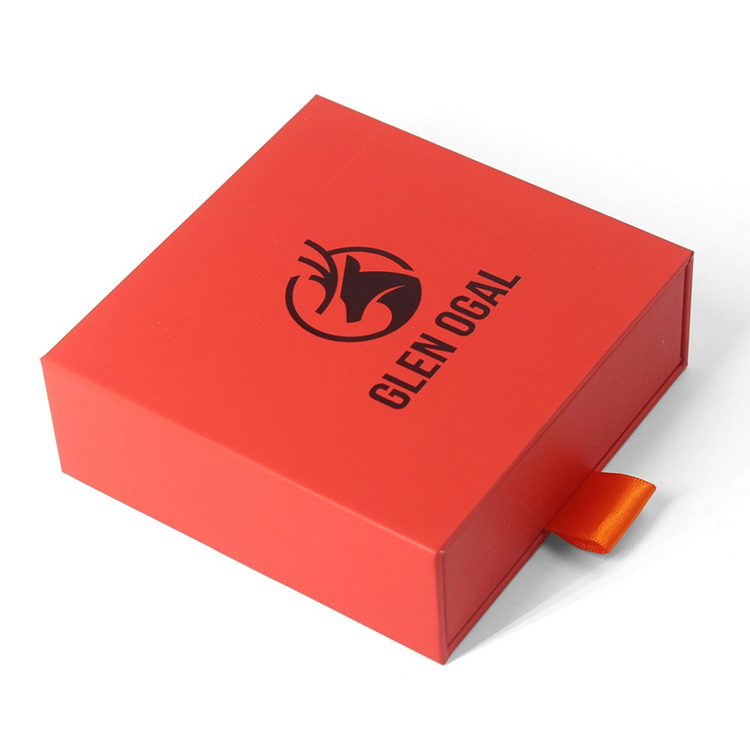
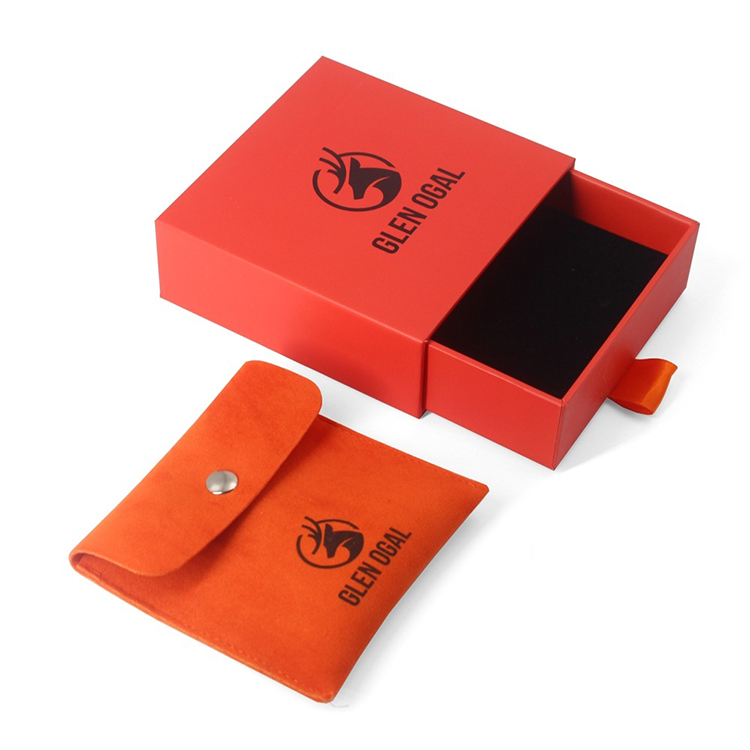
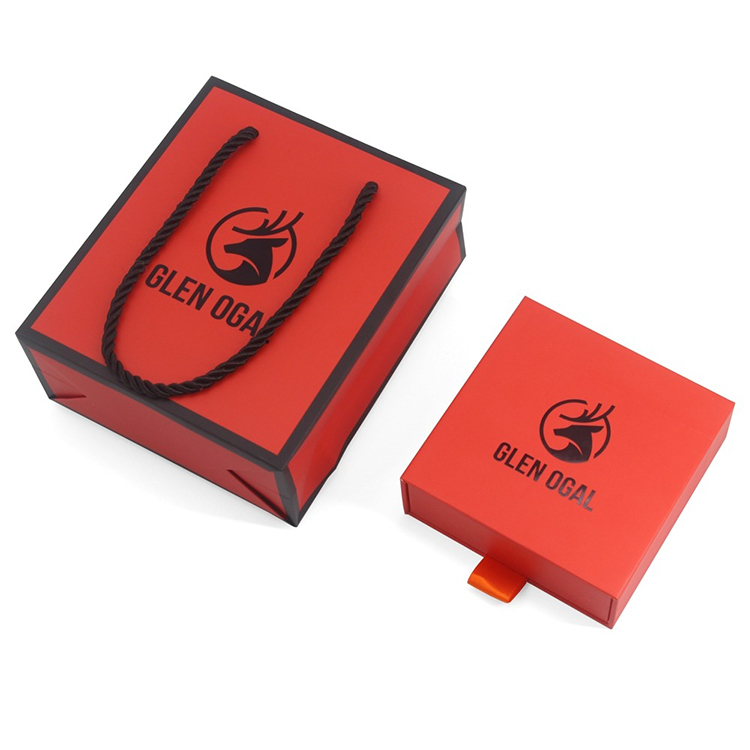
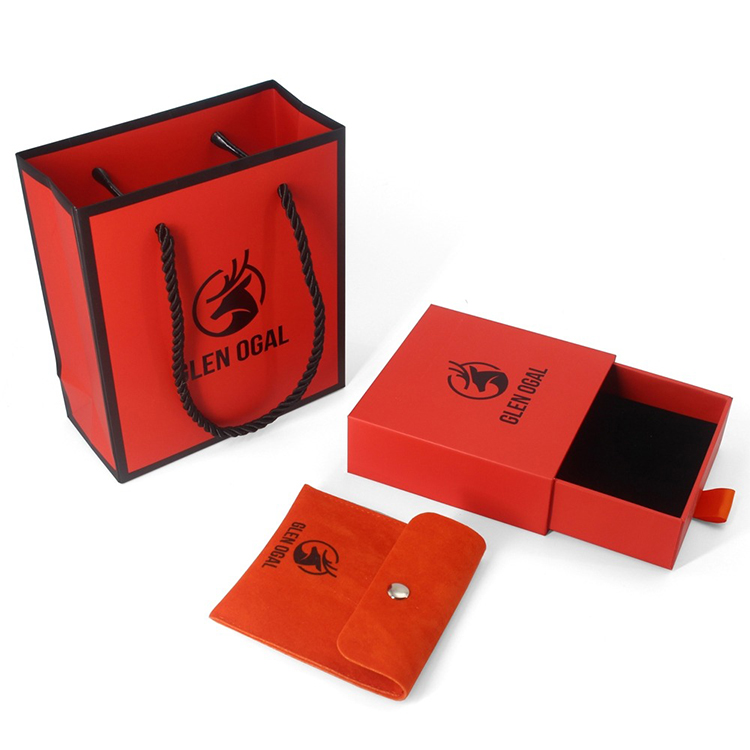
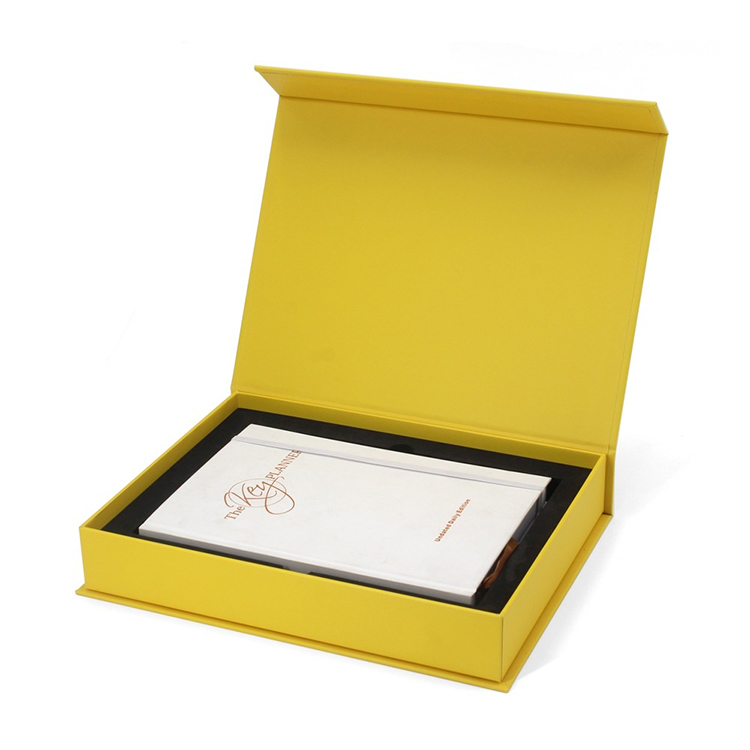
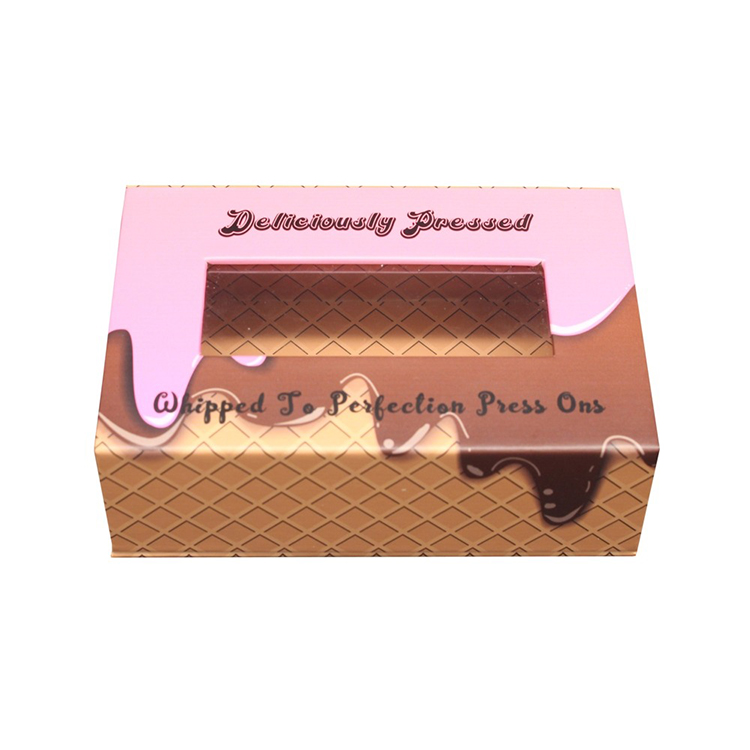
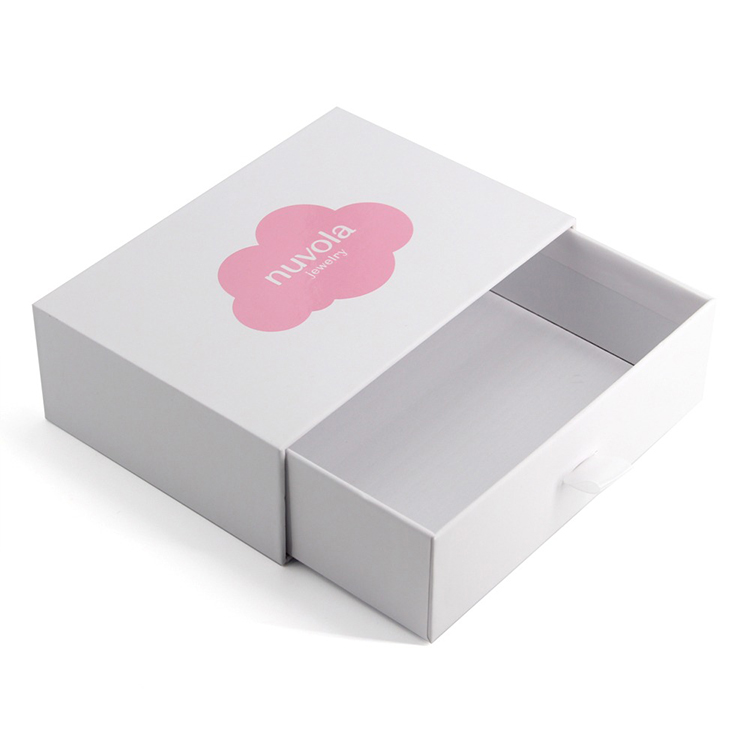
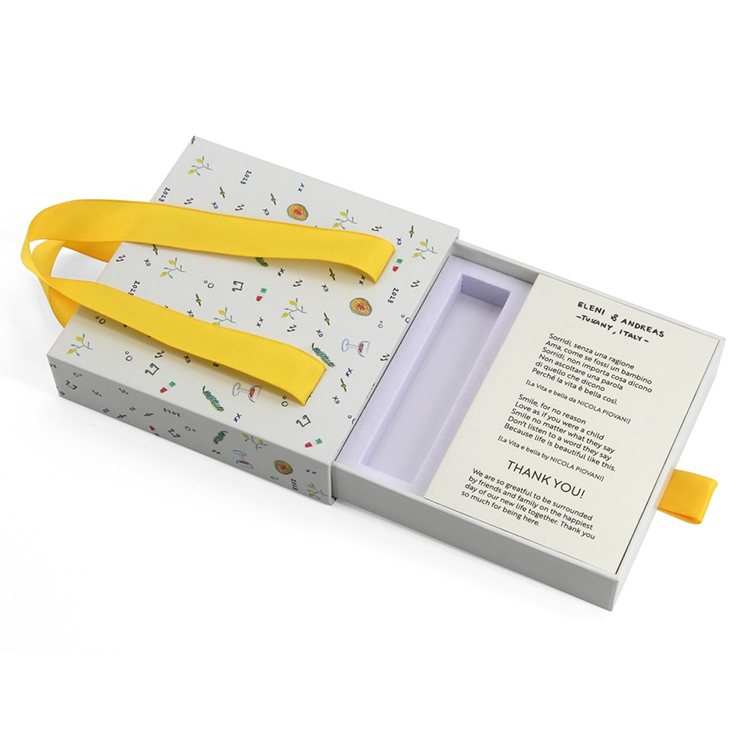
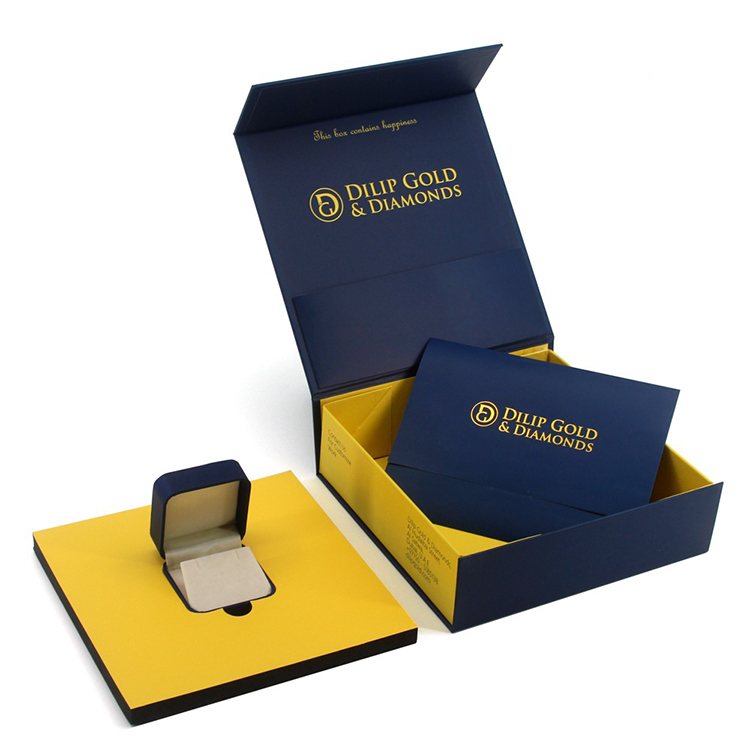
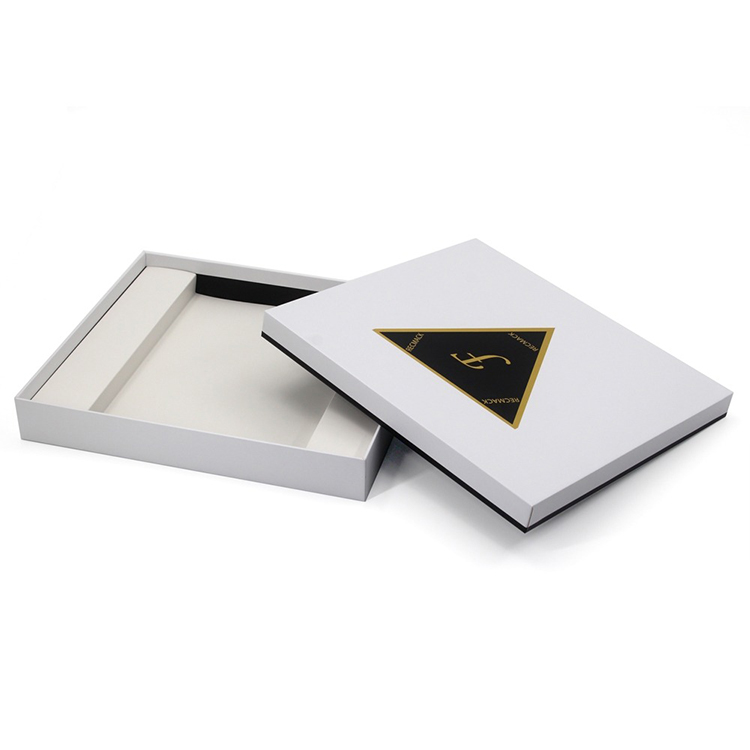
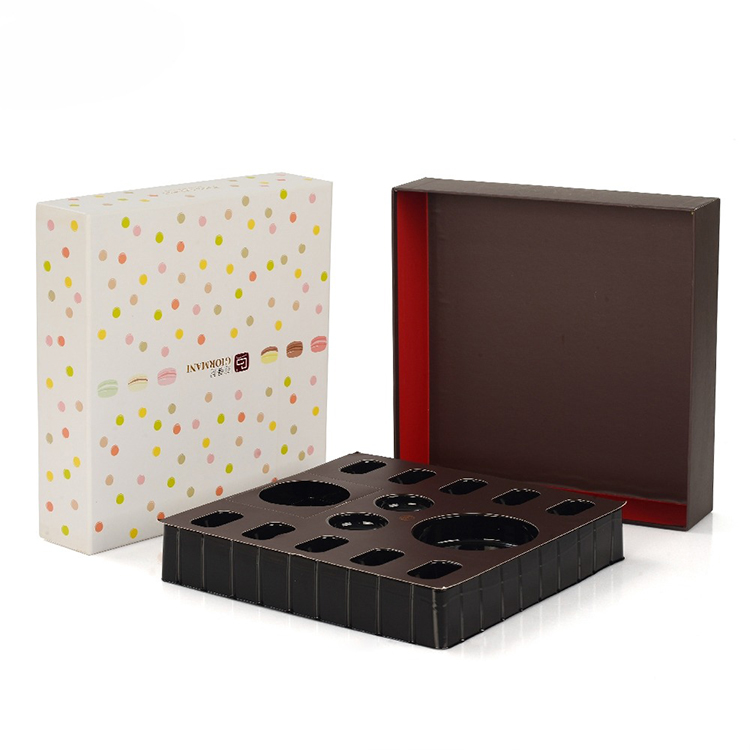
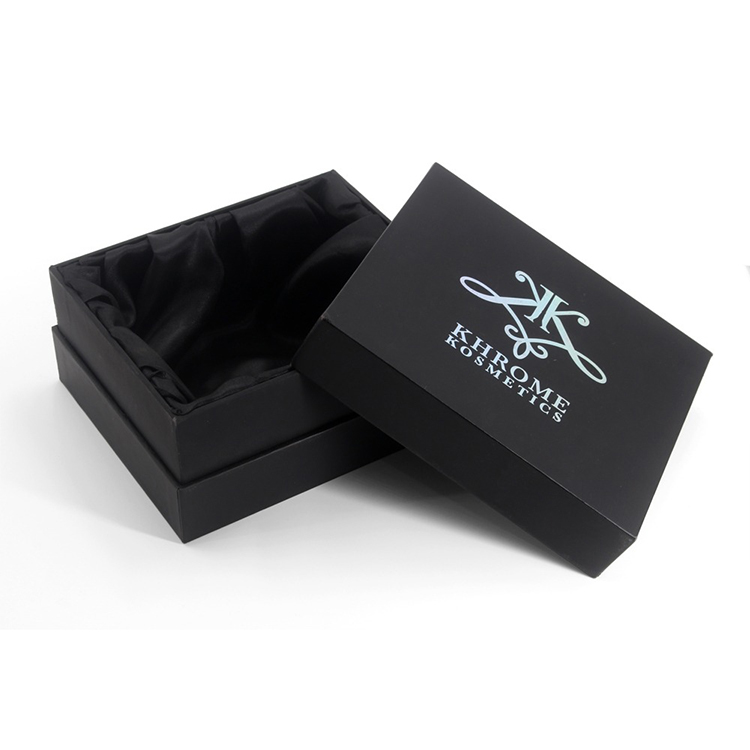
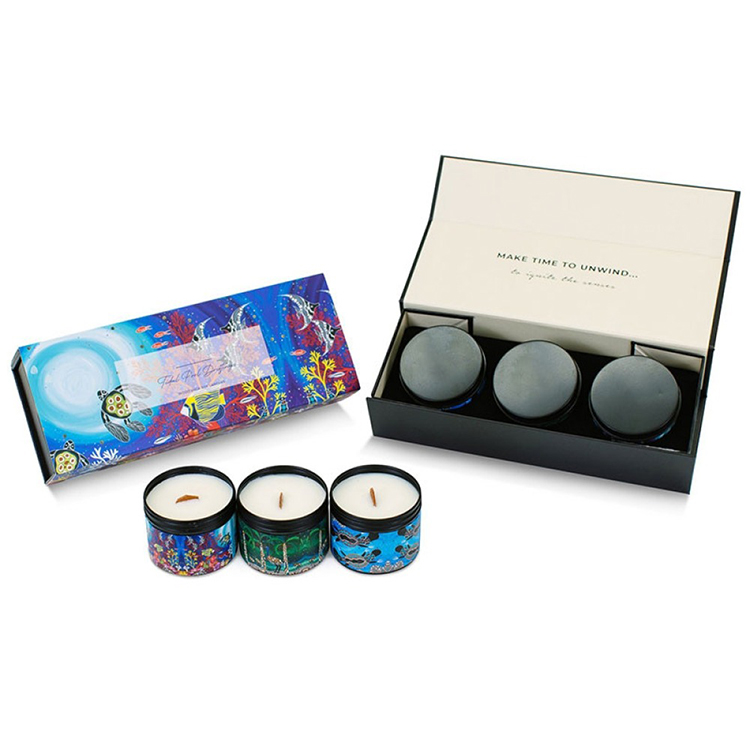
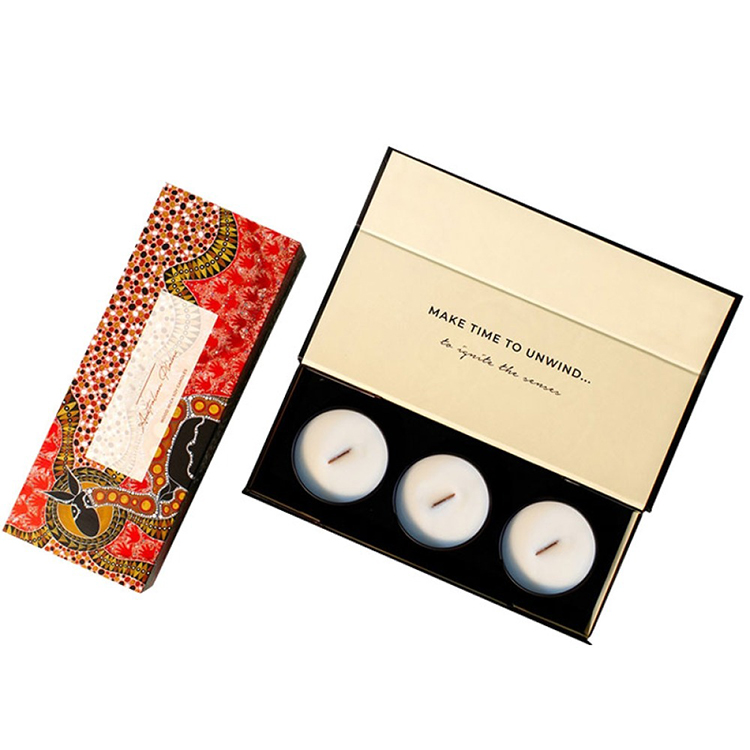
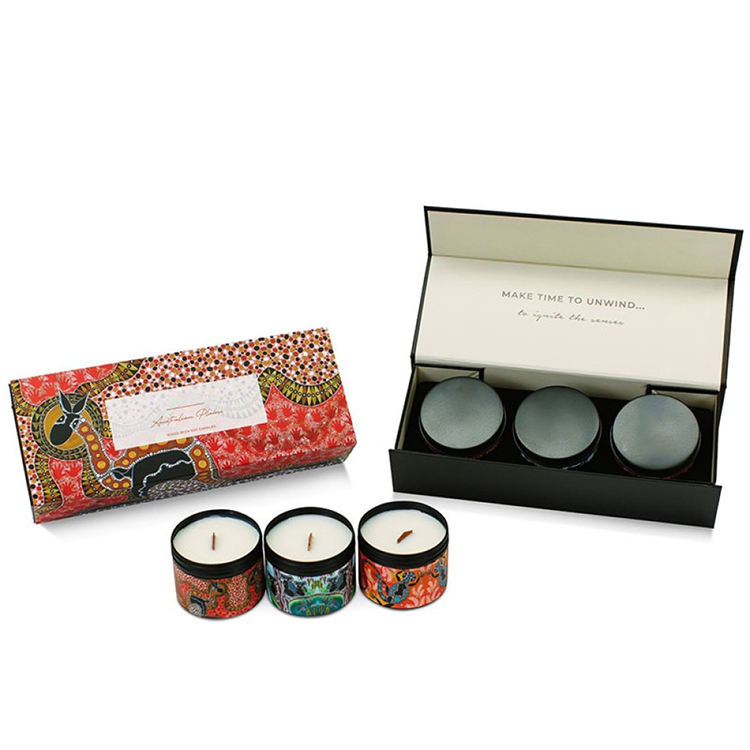
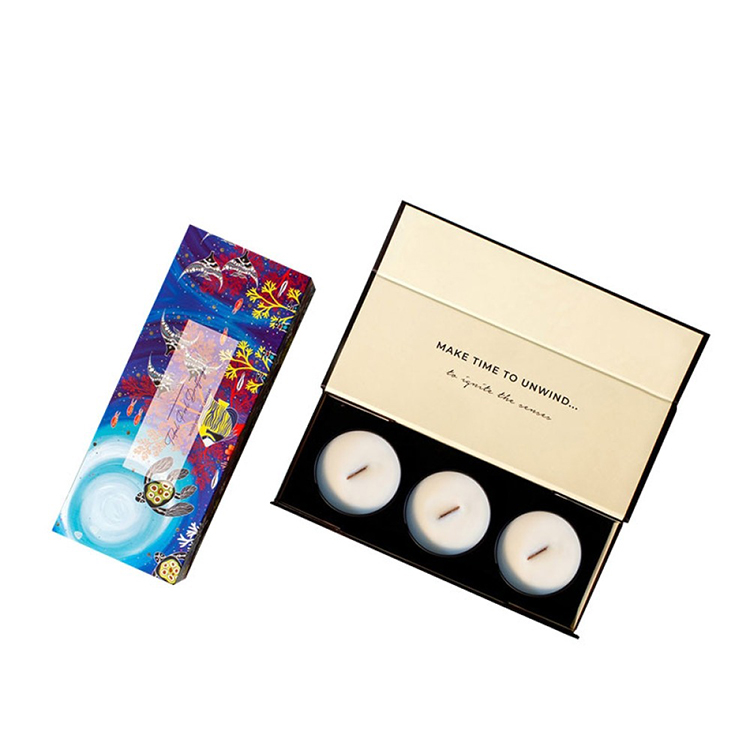
Discover custom gift boxes for jewelry, beauty, wedding, stationery and retail products. Explore magnetic, hinged, drawer, lid-and-base and folding structures featuring printed artwork, foil accents, ribbon pulls, windows and fitted inserts. Choose a design for inspiration, then contact Xingdian to discuss your dimensions, materials and branding requirements.

Glossy, Matte, Satin and Dull Paper Finish Options

Each surface treatment changes appearance and handling. Gloss paper reflects more light and can intensify contrast. A low-reflection option supports restrained luxury, while intermediate sheen balances polish and readability. The most muted choice avoids the raw character of some uncoated material.

Consider fingerprints, scuff visibility and retail lighting. A metallic foil or transparent spot effect can add emphasis, but it should be tested on the chosen surface.

How Coating Affects Print, Ink and Color

A less absorbent face keeps ink closer to the top, supporting sharp lines, small graphic elements and consistent solid areas. This is useful for high-end display where an image, logo or fine pattern must stay defined.

Coating also changes trapping and curing. Confirm the press profile, varnish or lamination, and allow the specified ink to dry correctly. Offset, digital and ultraviolet processes do not behave identically, so approval on a production-relevant proof matters more than a screen preview.

Coated Paper vs. Uncoated Paper: Buyer Differences

The practical choice is between visual control and natural character. Coated and uncoated papers handle ink, touch and color differently, so buyers should judge them against artwork, handling and brand position.

Buyer criterionCoatedUncoated
FeelSmooth, sometimes slickMore porous and tactile
Print resultCrisp detail and vivid areasSofter reproduction with visible texture
Typical fitPhotographic graphics, polished cartonsParchment, vellum, linen or fine art looks
WritingLess receptive, depending on treatmentUsually easier for handwriting

Ask your printer to proof the selected material; brightness, opacity and smoothness can shift the result.

Applications: Premium Boxes, Product Packs and Publications

This material suits printed wraps and cards where visual precision carries the design. Common uses include:

  • Gift, magnetic, drawer, lid-and-base and folding boxes

  • A product pack with detailed branding

  • Brochure, catalog and commercial presentation pieces

  • Magazine covers, calendar work and other publication formats

For a protective mailer or direct-food use, the structure may need different layers or documented performance. Contact the team to confirm available specifications.

Selecting a Sheet, Stock, Weight, Grade and Print Method

Start with the structure, then match appearance and production needs. A heavier number does not always mean a thicker or stiffer material. Labels such as 80 lb, 230 gsm or 32 pt follow different conventions, so compare caliper, basis weight and stiffness rather than the number alone.

Give suppliers a practical brief:

  • Box dimensions, contents and expected load

  • Desired gloss level, color target and artwork detail

  • Folding, scoring and adhesive requirements

  • Rub, moisture or handling exposure

  • Press process, finishing steps and quantity

Can Coated Paper Recycle? Sourcing and Limitations

Recyclability depends on fiber content, treatment, laminates, adhesives and local rules. A conventional mineral layer may be accepted in some streams, while polymer barriers or mixed constructions can change the outcome. Check local council guidance or an appropriate recycling institute report rather than making a universal claim.

For responsible sourcing, request documentation for the exact material proposed and verify its validity. Do not assume one certificate covers every component. Also confirm food-contact, moisture, grease and migration requirements separately; a coated face alone does not establish compliance.


What is coated paper for custom boxes?

Coated paper is printing paper treated with a formulation containing pigments or minerals—commonly clay or calcium carbonate—plus binders and additives. This creates a smoother, less absorbent surface that can support sharp details, controlled ink coverage and a polished box presentation.

Coated paper generally produces crisper images, stronger color contrast and a smoother feel. Uncoated paper is more absorbent and usually has a natural, tactile texture. The right choice depends on the artwork, brand style, writing requirements and intended handling.

Glossy finishes emphasize contrast and reflected light, while matte finishes reduce glare and create a restrained appearance. Satin offers a balanced sheen, and dull finishes provide a muted look. Review printed samples for fingerprints, scuff visibility, readability and retail lighting before approval.

Not automatically. Recyclability depends on the coating, fiber content, laminates, adhesives and local recycling rules. Mineral-coated printing paper is also different from plastic-coated or PE-coated barrier paper. Confirm recycling, food-contact and moisture-resistance requirements for the complete box construction.

Share the box style, dimensions, contents, quantity, artwork, preferred paper weight, finish, printing method and special effects. Xingdian’s official storefront focuses on custom gift, magnetic, drawer, lid-and-base and folding boxes. Contact the team to confirm available specifications and request a tailored quotation.

Coated Paper for Premium Custom Boxes

Discover how coated paper enhances premium custom boxes through smooth surfaces, sharp printing, rich color and gloss, matte, satin or dull finishes. Compare coated and uncoated paper, review proper weights, grades and print methods, and understand recycling and practical-use considerations. Discuss gift, magnetic, drawer, lid-and-base or folding box needs with Xingdian and request a custom quote.