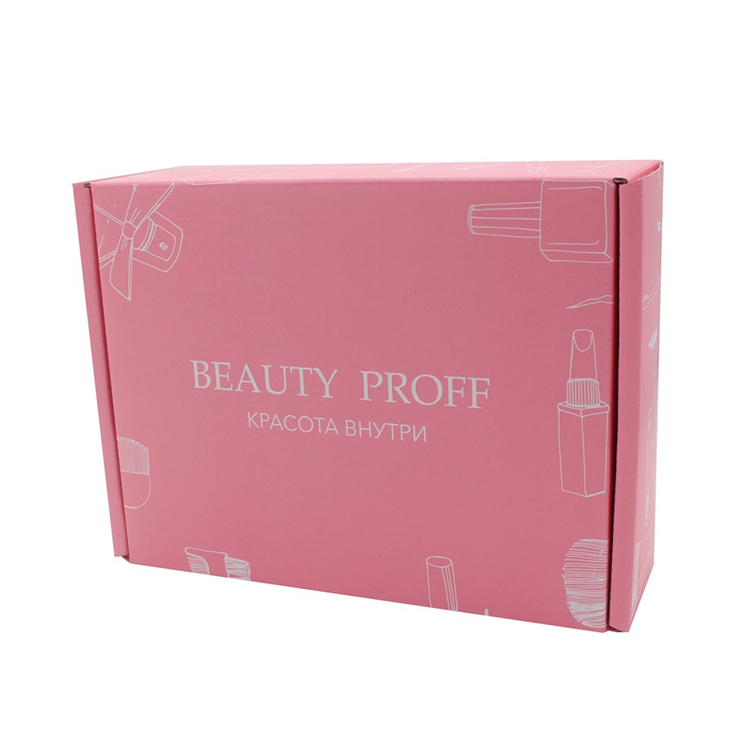
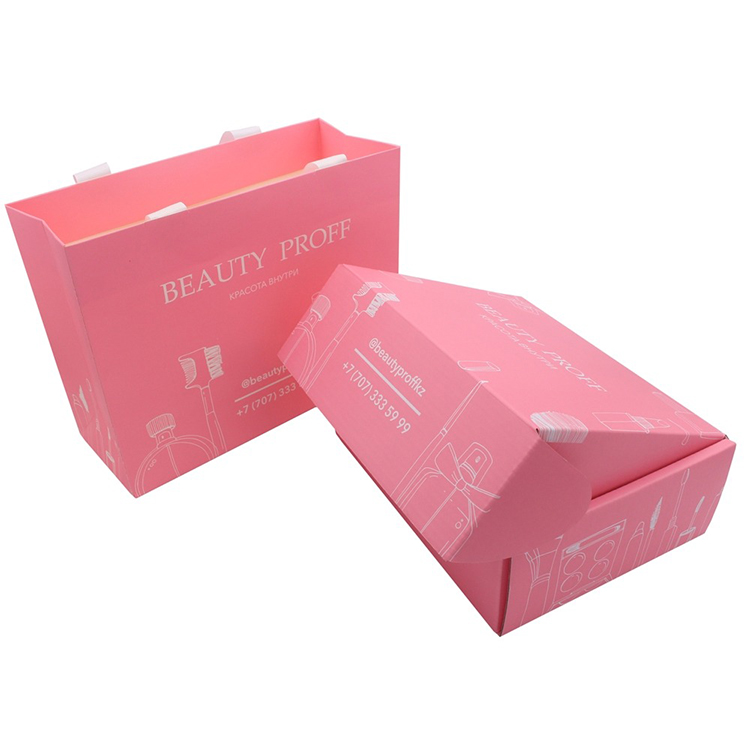
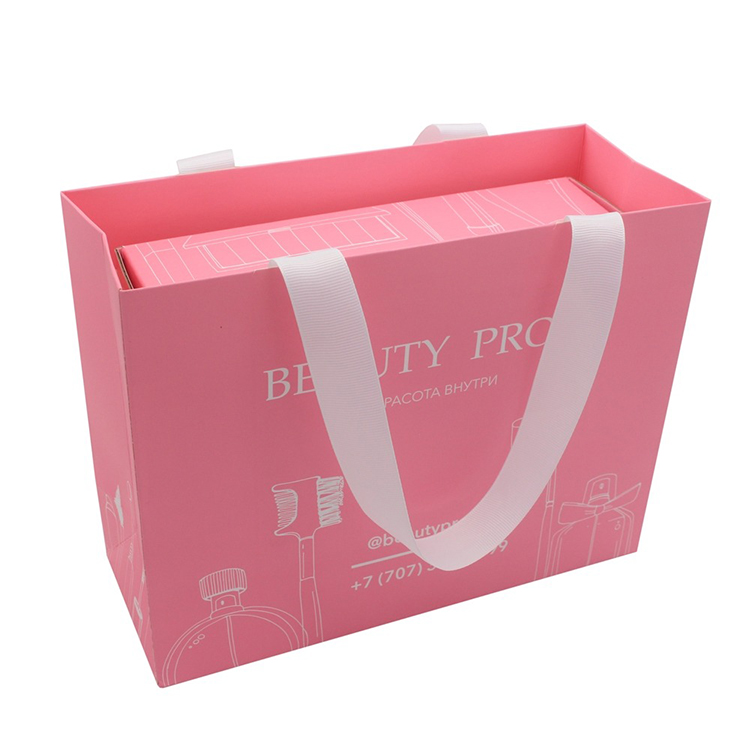
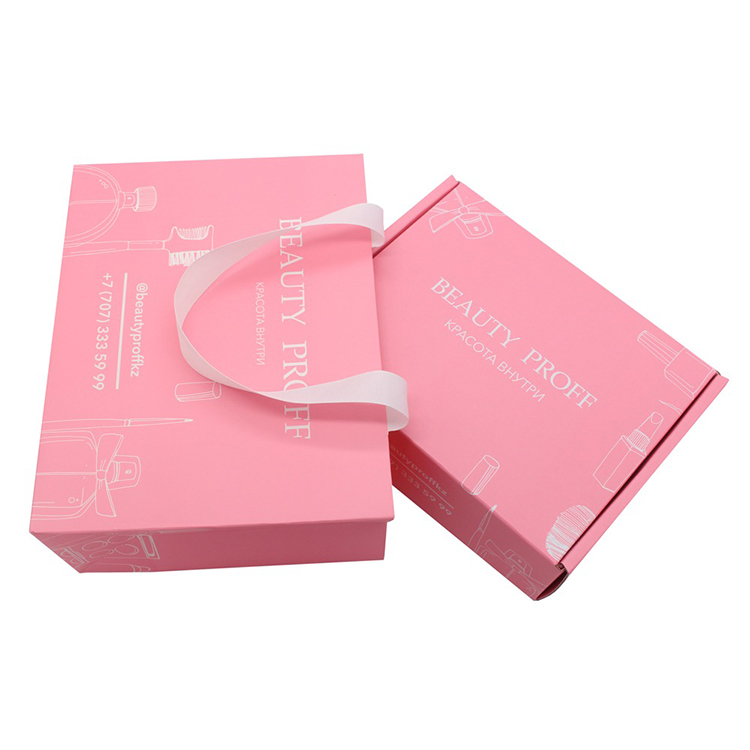
Custom Cosmetic Box Packaging for Beauty Brands

Cosmetic boxes are containers made to protect, organize, present, and sell makeup, skincare, fragrance, and hair-care products. They serve beauty brands, e-commerce sellers, and small businesses that need dependable retail packs, multi-item gift or subscription formats, or personal storage organizers—although this page focuses on branded retail and wholesale packaging.

What Are Cosmetic Boxes, and Which Format Fits?

A retail packaging box holds one sellable item and supports shelf presentation, labeling, and tamper-aware closures. Gift and subscription formats group products for sets, launches, repeat packing, or delivery. Beauty boxes used as storage organizers prioritize access and reuse over retail branding.

Choose by dimensions, weight, fragility, channel, and shipping method. A paper box may suit a light serum; a rigid set can present several items.

Custom Cosmetic Packaging for Beauty Brands

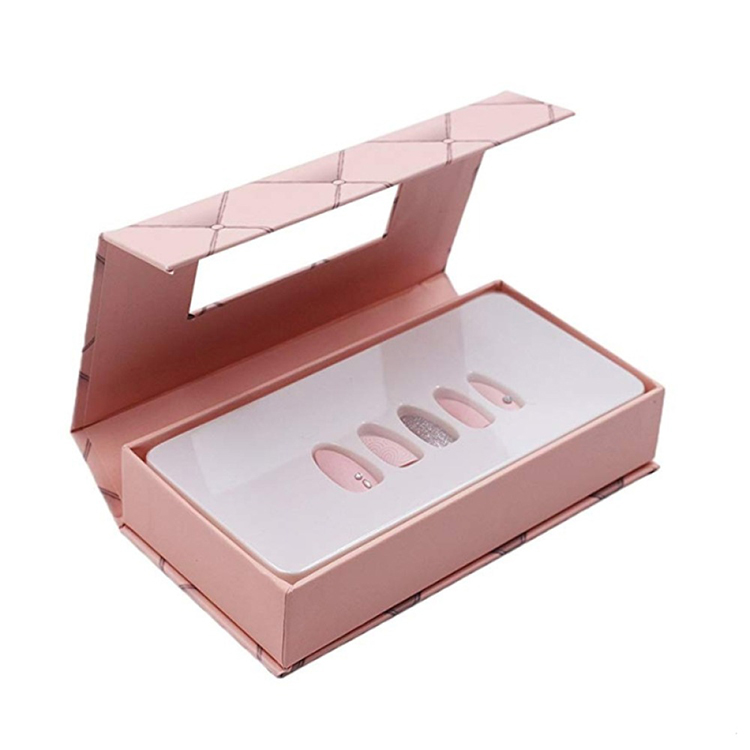
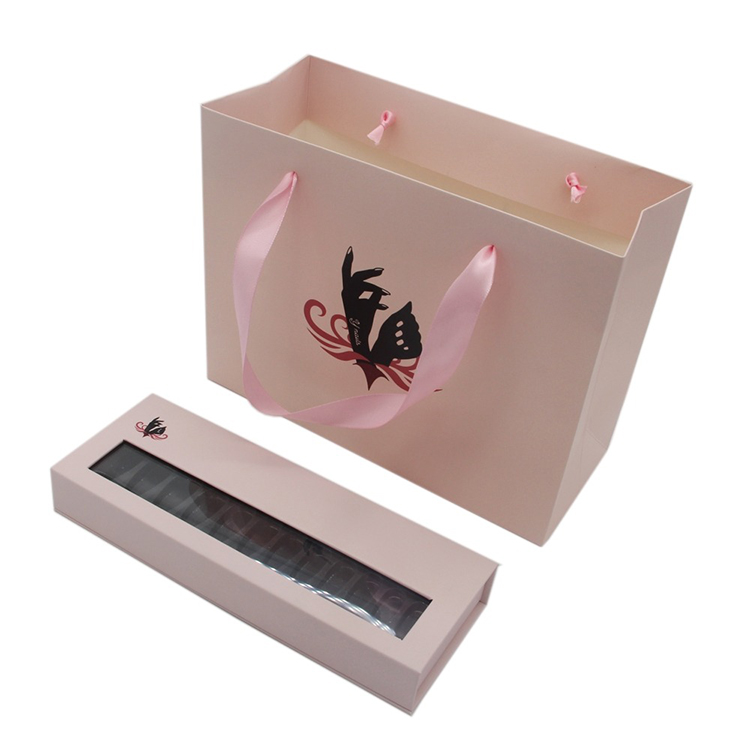
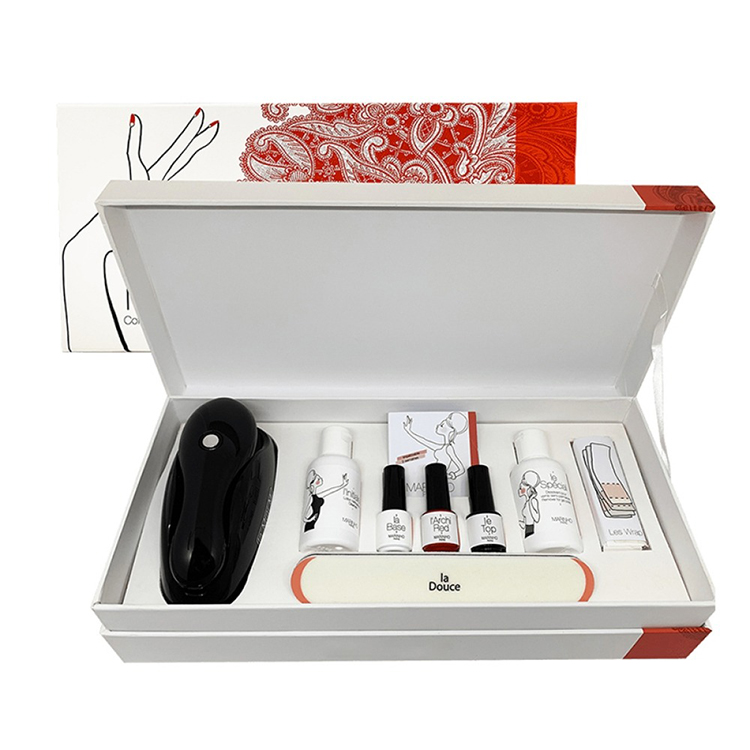
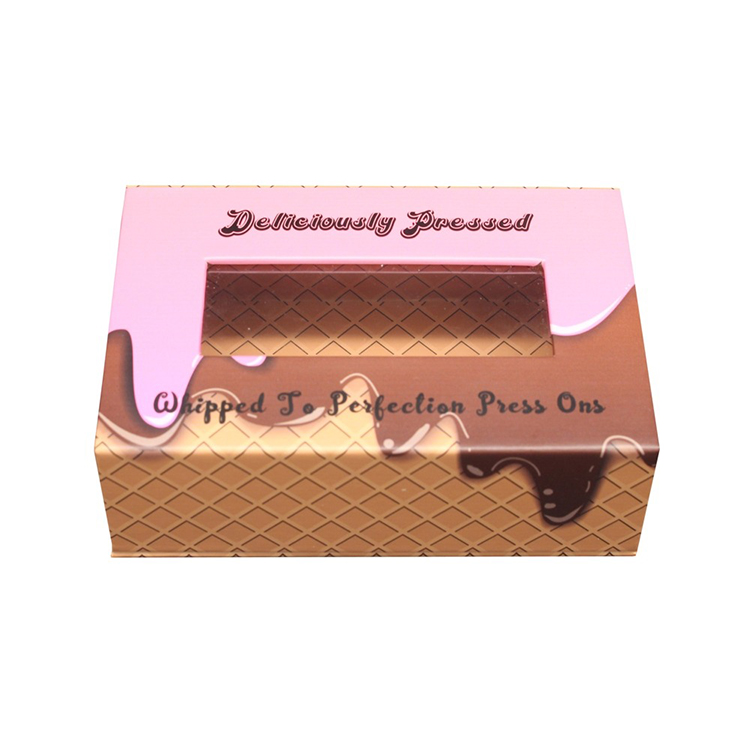
Explore custom rigid gift boxes, mailer boxes, window packaging, and fitted inserts for makeup, skincare, press-on nails, soap, and nail polish—all tailored to protect your products and showcase your brand.

Which Cosmetic Products Need Purpose-Built Boxes?

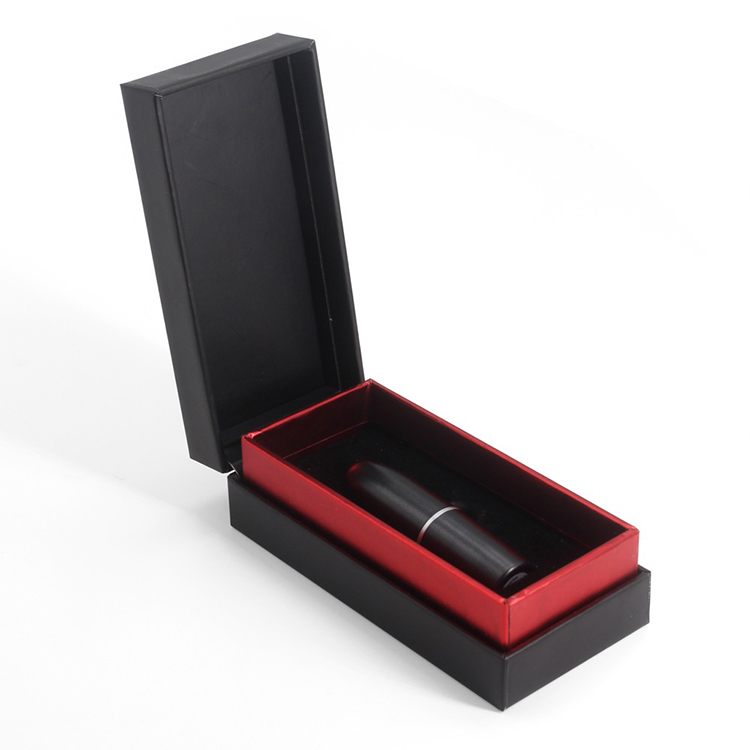
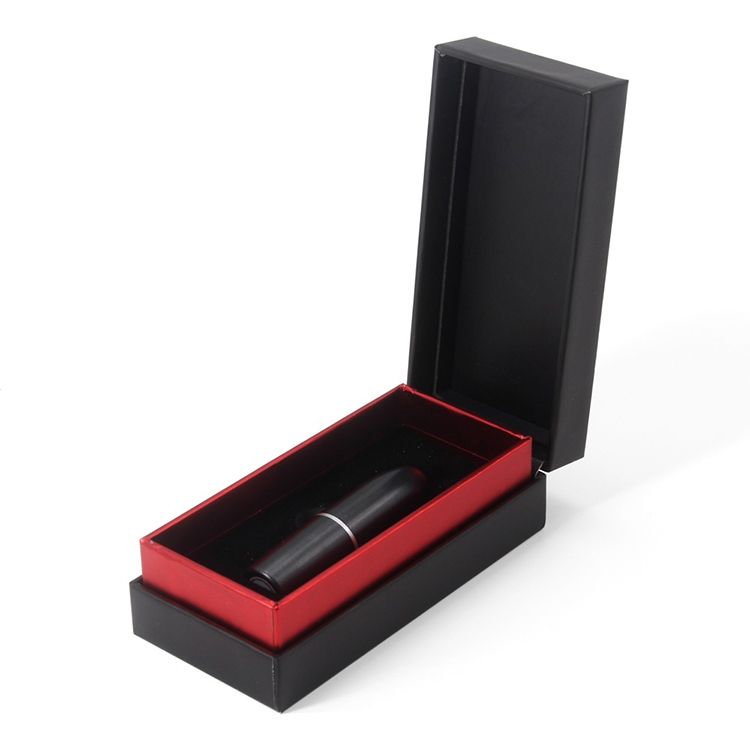
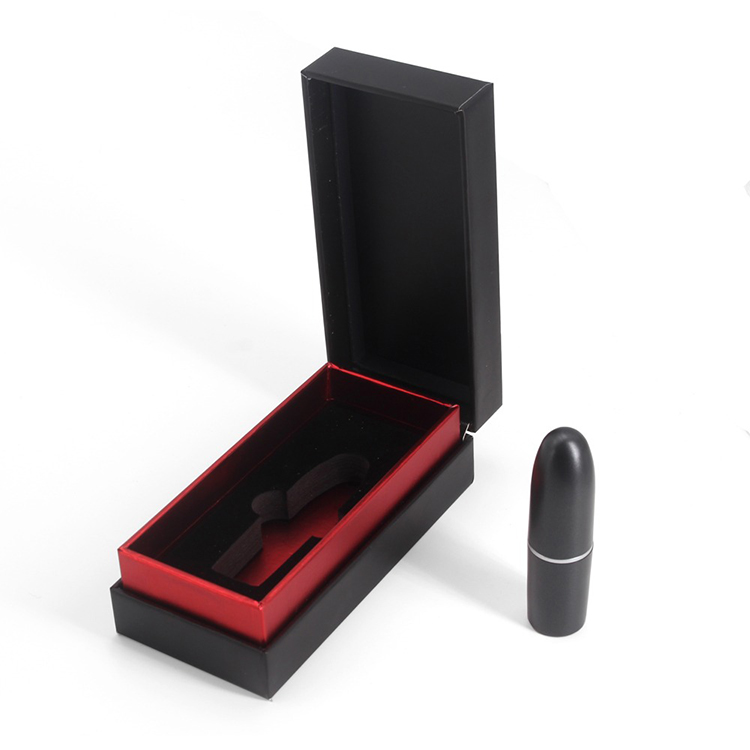
Good fit limits movement and leaves room for required copy. Lipstick boxes and lip gloss boxes suit slim cartons; mascara boxes and eyelash packs benefit from precise inserts. Eyeshadow palettes need surface protection; cream boxes, lotion boxes, and custom foundation boxes should match the primary container.

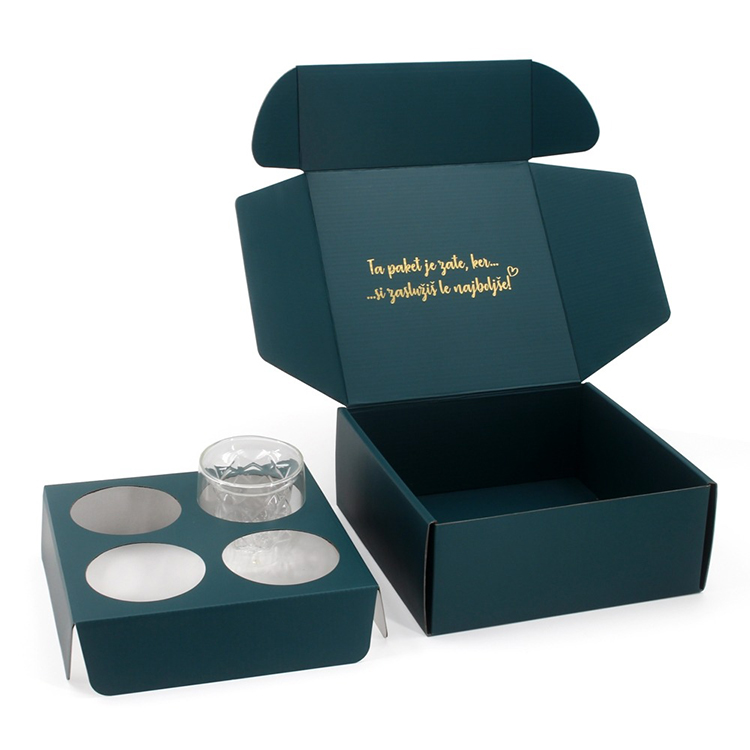
Custom shampoo boxes must account for bottle weight and closure orientation. Lip balm, custom skin care sets, custom beauty kits, and makeup boxes can use windows when visibility matters. Effective makeup packaging balances protection, display, and recognition.

How Can Custom Printed Branding Express Your Brand?

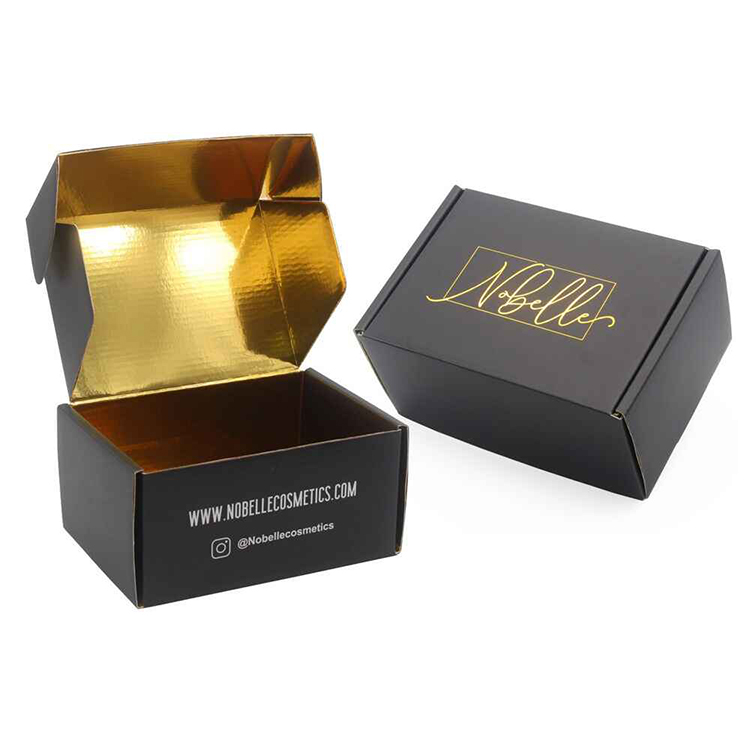
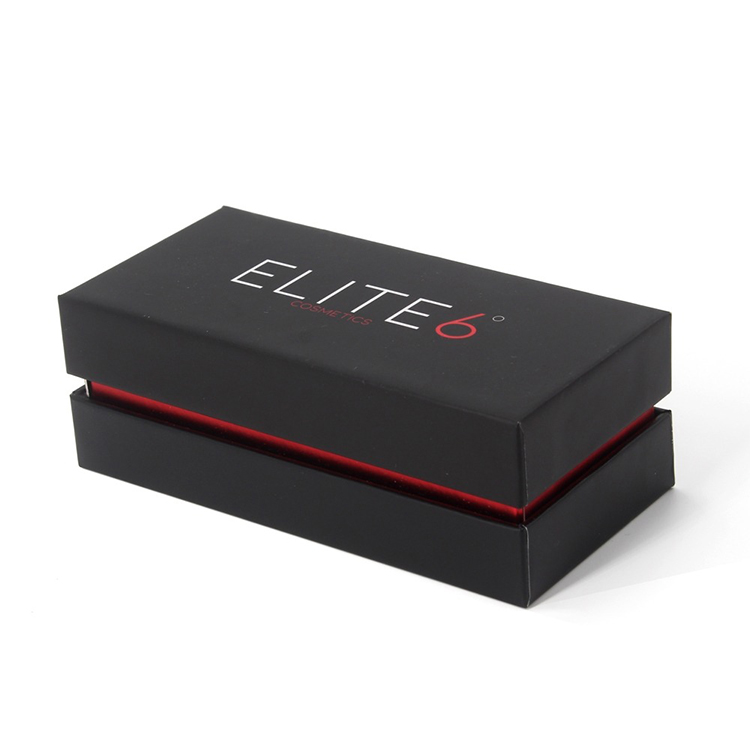
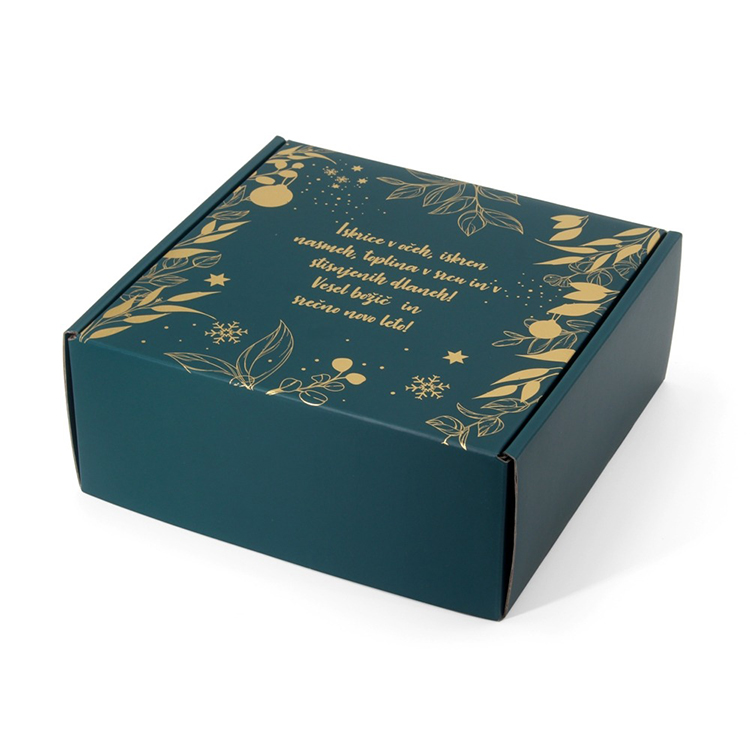
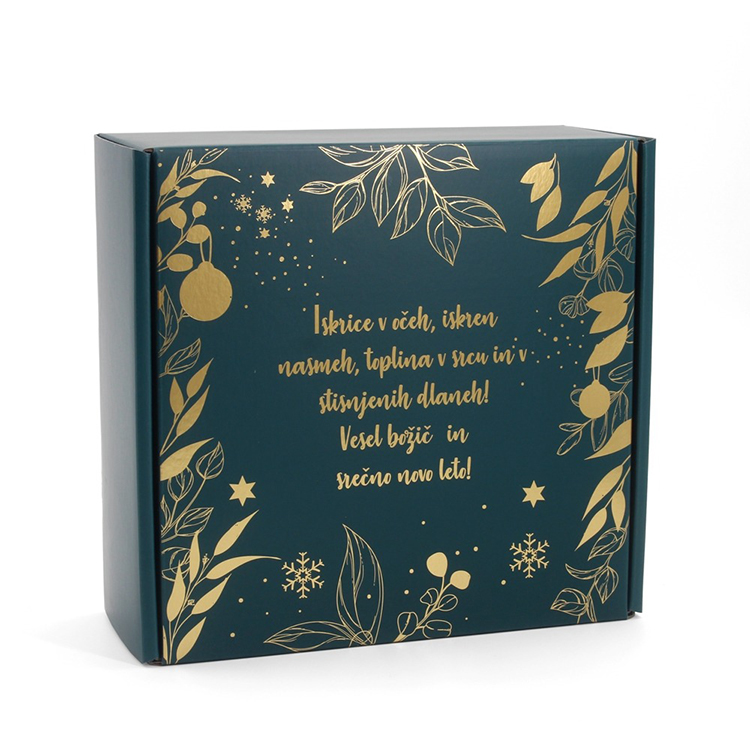
Custom printed cosmetic boxes can carry color, logo, ingredients, directions, and required labeling. Structural customization may include inserts, windows, custom shapes, or fitted openings. Digital printing is one general route; surface options include coating, matte or gloss laminate, soft-touch film, embossing, and foil stamp details such as a box with gold accents.

Select finishes for scuff resistance, tactile feel, contrast, or shelf impact. For quality custom packaging, request a custom-printed proof. Use a luxurious look only when it supports the intended premium quality position.

Which Box Packaging Style Should You Choose?

  • Straight or reverse tuck top: a foldable choice for lipstick, creams, and bottles.

  • Sleeve or drawer custom box: adds an unboxing reveal for skincare sets and fragrance.

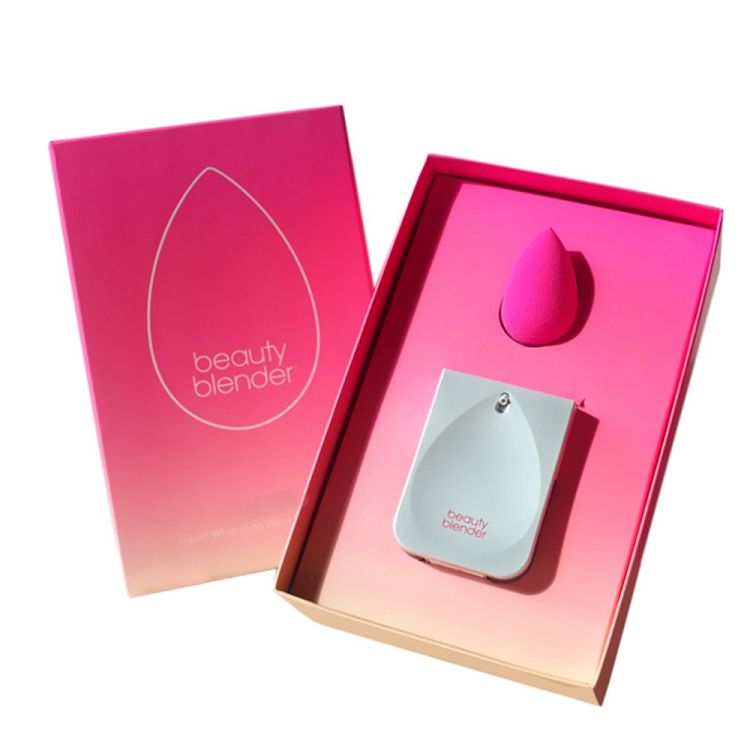
  • Rigid gift boxes: support luxury cosmetic kits and influencer mailers.

  • Display box: keeps units organized and visible at a retail counter.

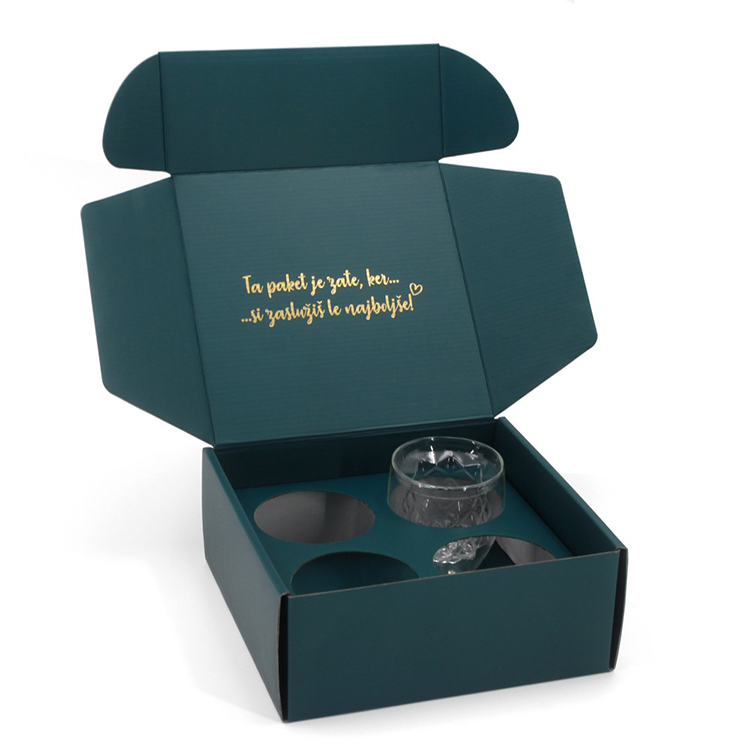
  • Mailer: uses corrugate construction for transit; inserts can limit movement.

Small cardboard boxes conserve space; larger boxes for cosmetics and multi-item boxes for products may need dividers. Cosmetic bags can complement a set but do not replace protective outer packaging.

What Makes Eco-Friendly Beauty Packaging More Practical?

Practical and sustainable packaging begins with smart sizing, material optimization, efficient structural design, and—where feasible—certified eco-friendly materials. According to the U.S. EPA’s waste management hierarchy, source reduction takes precedence over recycling. Always verify your materials and supply chain before specifying particular certification standards.

Project requirements should address features such as window cutouts, inserts, and labeling, as well as compatibility with local recycling systems. Avoid vague “eco-friendly” claims; the U.S. Federal Trade Commission (FTC) advises that environmental claims be specific, qualified where necessary, and backed by reliable evidence.

How Does Wholesale Cosmetic Ordering Work?

  1. Define the job: document packaging needs—size, weight, quantity, route, retail use, and finish. Include channel rules for Amazon.com or another marketplace.

  2. Choose a route: compare custom cosmetic packaging boxes, board grades, closures, and inserts.

  3. Prepare artwork: use the supplied dieline or online design tool and confirm print specifications.

  4. Review a sample: check fit, opening experience, color, finish, and barcode placement.

  5. Approve production: Confirm the minimum order quantity, turnaround time, delivery terms, and final price.

How Do Kraft and Corrugate Materials Compare?

MaterialBest suited toProtection and presentation
PaperboardFolding cartons and printed boxesLightweight, smooth print surface; add an insert for fragile contents
Kraft paperNatural-looking cartonsVisible fiber character; confirm print contrast and finishing compatibility
Corrugated cardboardMailers and heavier setsFluting adds cushioning and stacking strength; microflute can reduce bulk

Folding cartons can ship flat and may be fluted for extra cushioning; rigid formats offer a different balance of durability, storage, and presentation. Packaging experts should ask the packaging supplier to assess size, board grade, weight, and distribution hazards.

Which material is right for my product?

Start with dimensions, weight, fragility, and sales channel. Carton board often fits lightweight retail packs; kraft offers a natural appearance; corrugated board adds transit protection. A fit test should confirm clearance, insert performance, closure strength, print quality, and performance along the expected distribution route.

Options may include a custom size, tuck closure, sleeve, window, insert, coating, foil, embossing, or premium film. Share the intended shelf or unboxing experience. Our can confirm which structures, materials, and finishes are feasible for the selected construction and quantity.

Custom cosmetic boxes wholesale orders are usually quoted from specifications rather than one list price. Submit size, quantity, material, print coverage, finish, inserts, and destination. Confirm Minimum Order Quantity, sampling charges, tooling, freight, payment terms, and Turnaround time before approval.

Ask whether plain structural samples, printed prototypes, or prior production samples are available. Request the correct dieline and file requirements, then supply logos, colors, fonts, copy, barcode, and regulatory text. Final approval should cover fit, spelling, orientation, print layers, and finish callouts.

Custom Cosmetic Boxes FAQ

Find clear answers about custom cosmetic box materials, sizes, printing, finishes, artwork, samples, minimum order quantities, and product fit—so you can plan your packaging with confidence before requesting a quote.