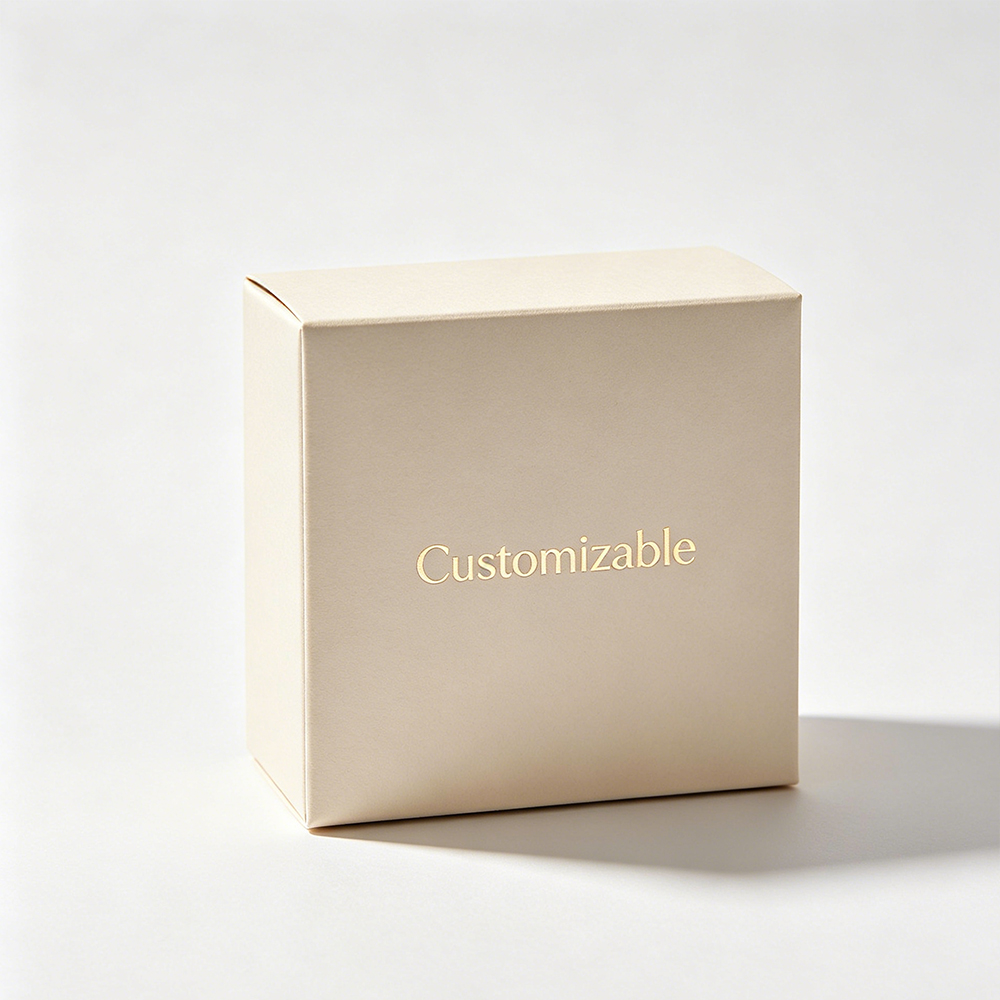
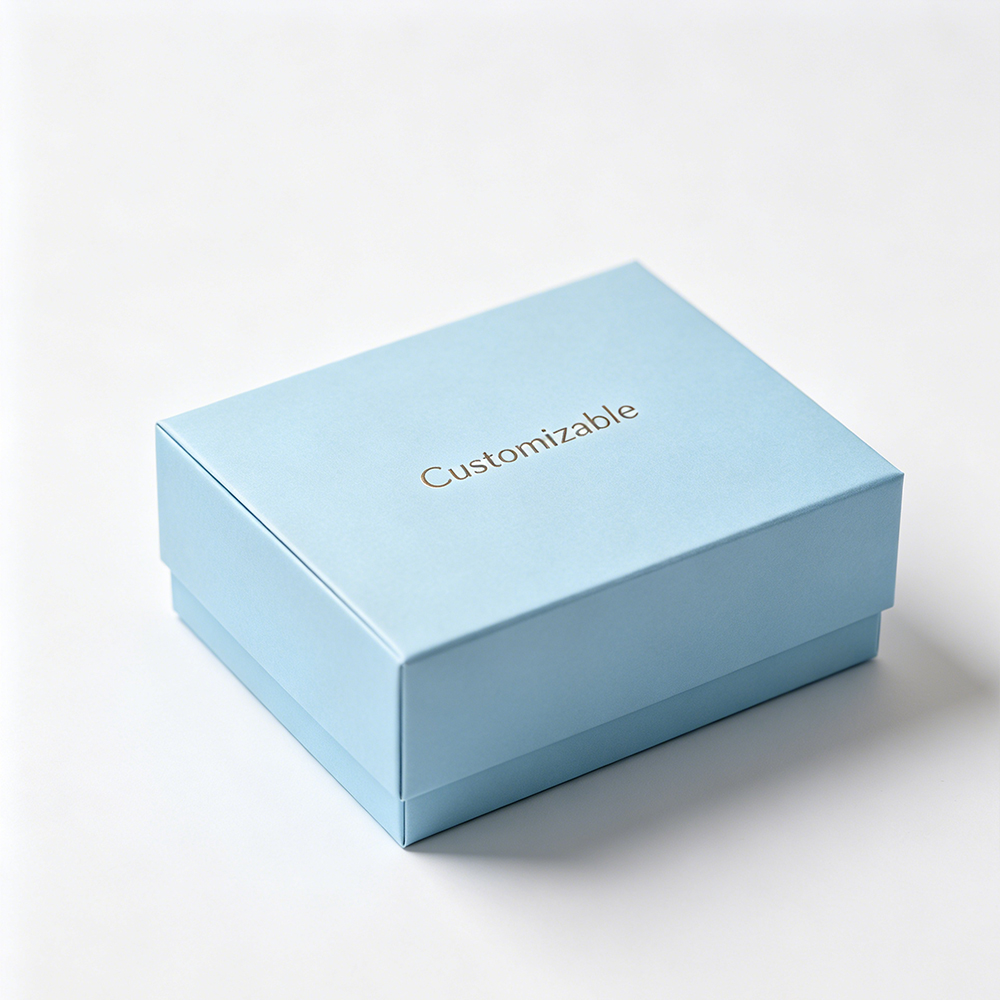
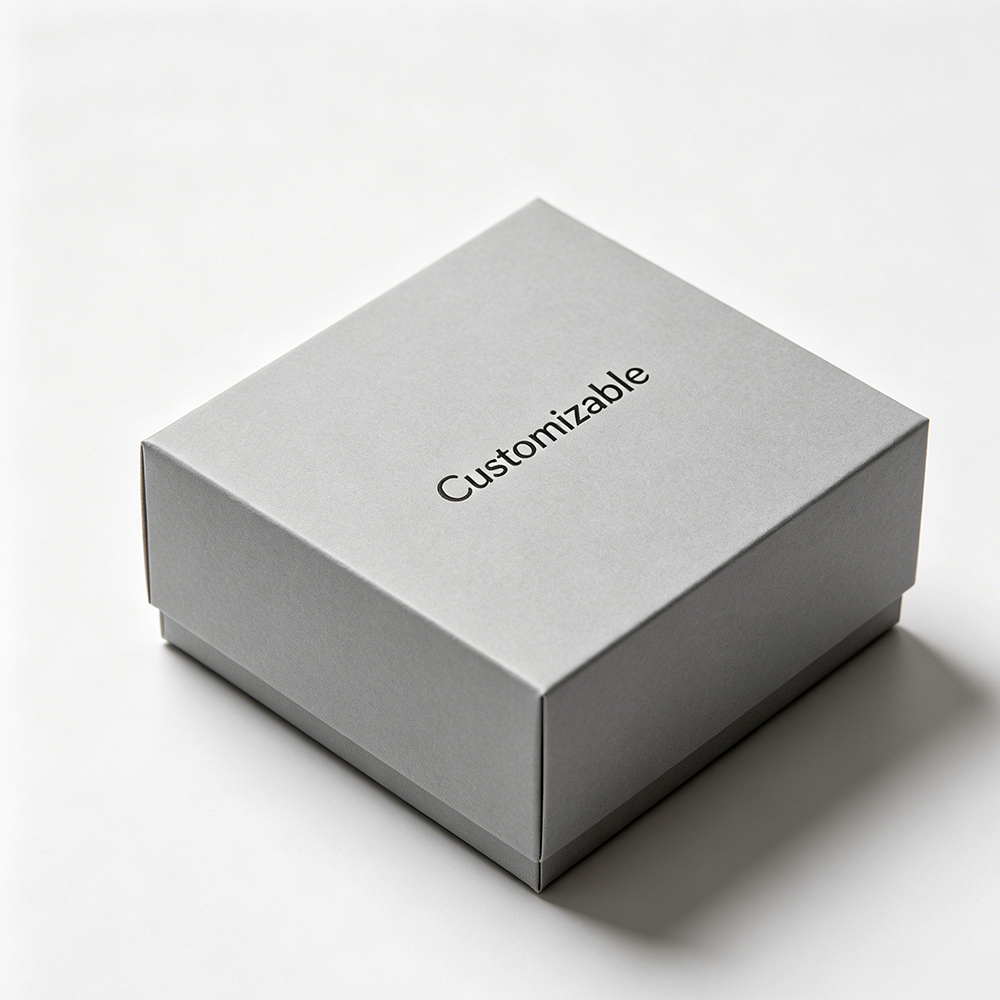
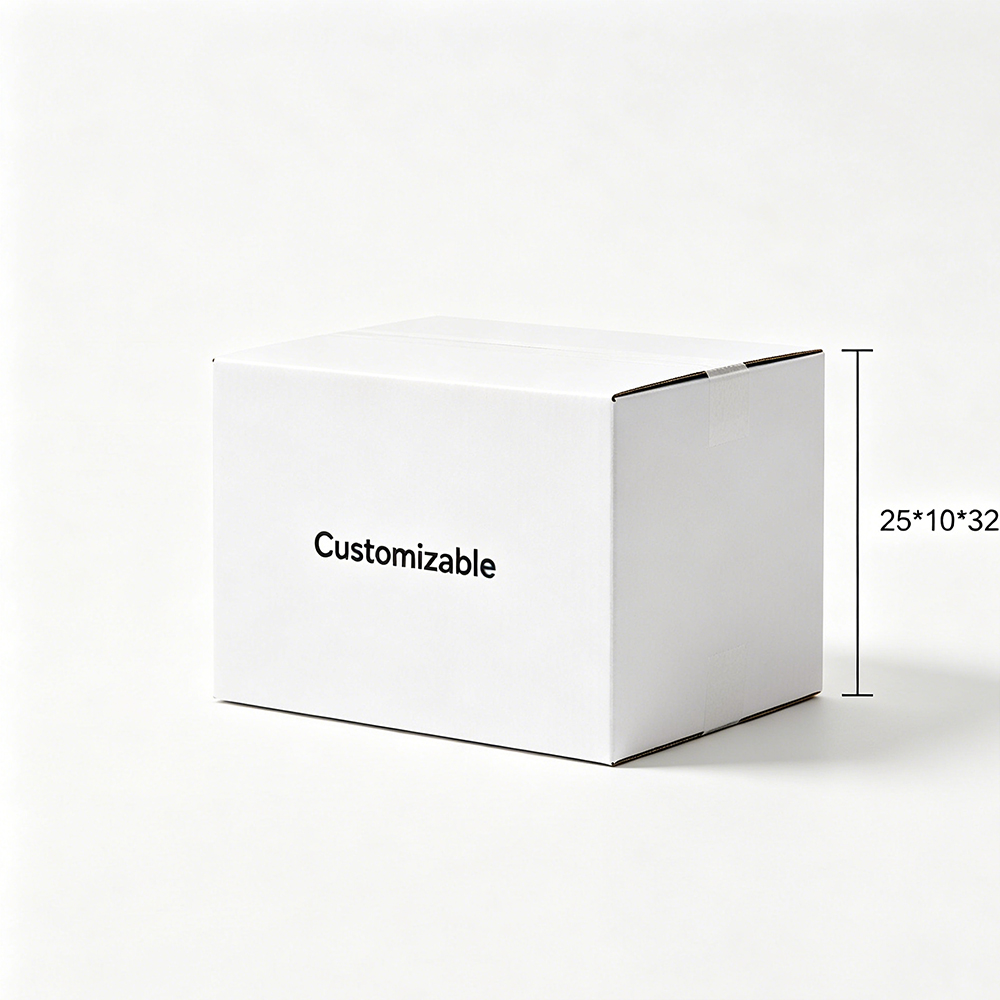
Custom Uncoated Paper for Packaging

Uncoated paper is a paper stock without a sealed surface coating, leaving its natural fiber character more exposed. It offers a natural, low-reflection feel, comfortable reading and a warmer appearance in print. For packaging, inserts and cards, it can create an understated, high-end presentation that invites touch.

What Is Uncoated Paper?

An uncoated sheet has no surface coating that seals its comparatively open pores. Unlike coated stock, it has no added clay or similar mineral layer designed to level the surface of the paper. Depending on the grade, it may feel natural, vellum-like, linen-textured or smooth.

The porous surface can absorb more ink. Uncoated paper doesn’t automatically mean rough, recycled or low in brightness; those are separate specifications. Nor is it synonymous with every matte stock, because a coated sheet can use a nonreflective coating.

Explore Custom Paper Packaging Solutions

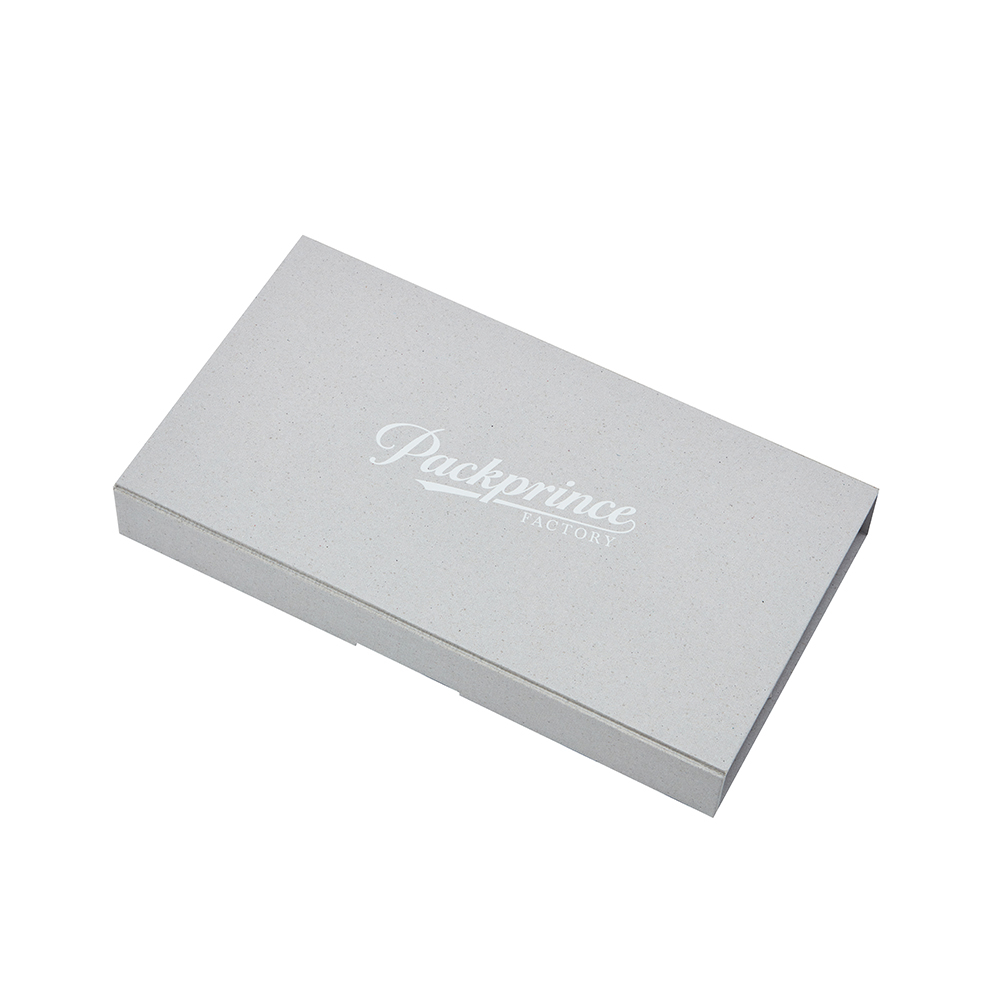
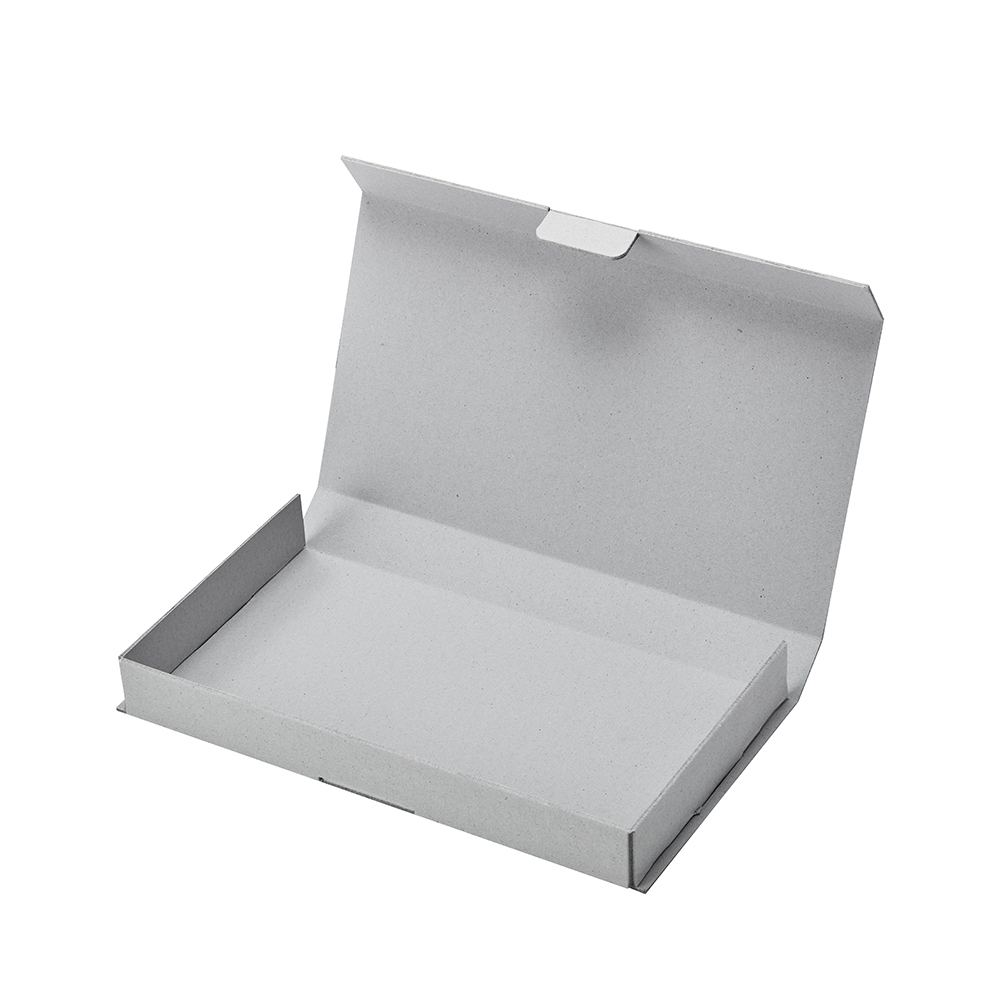
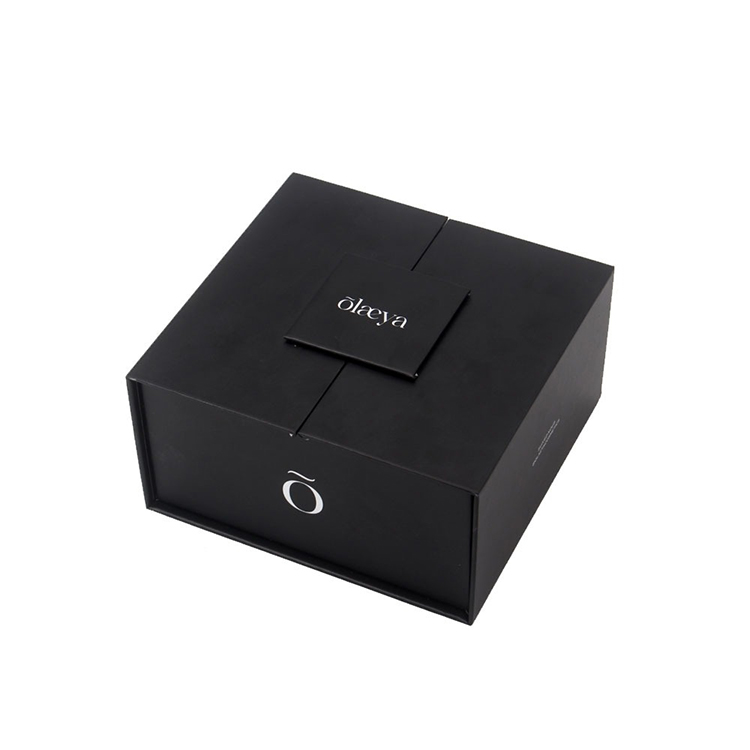
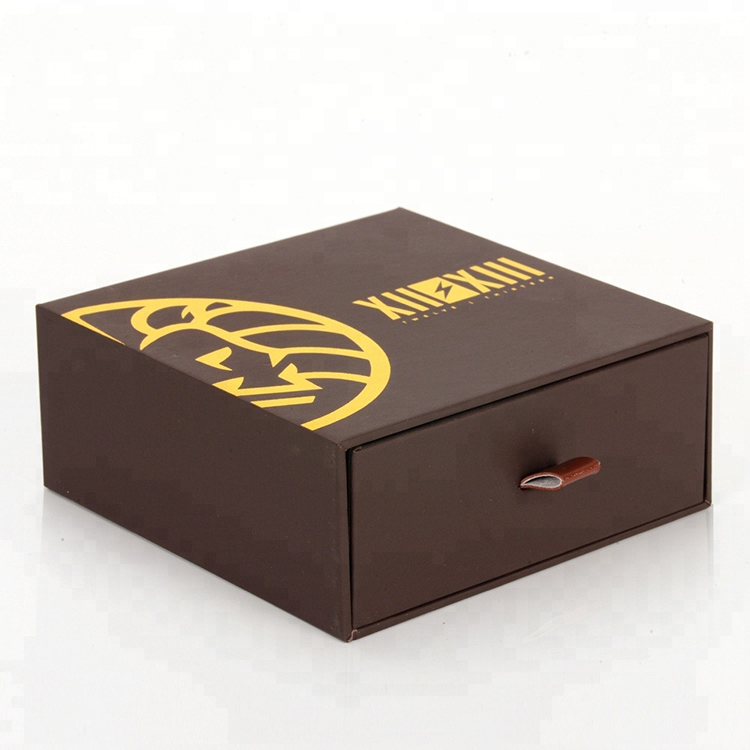
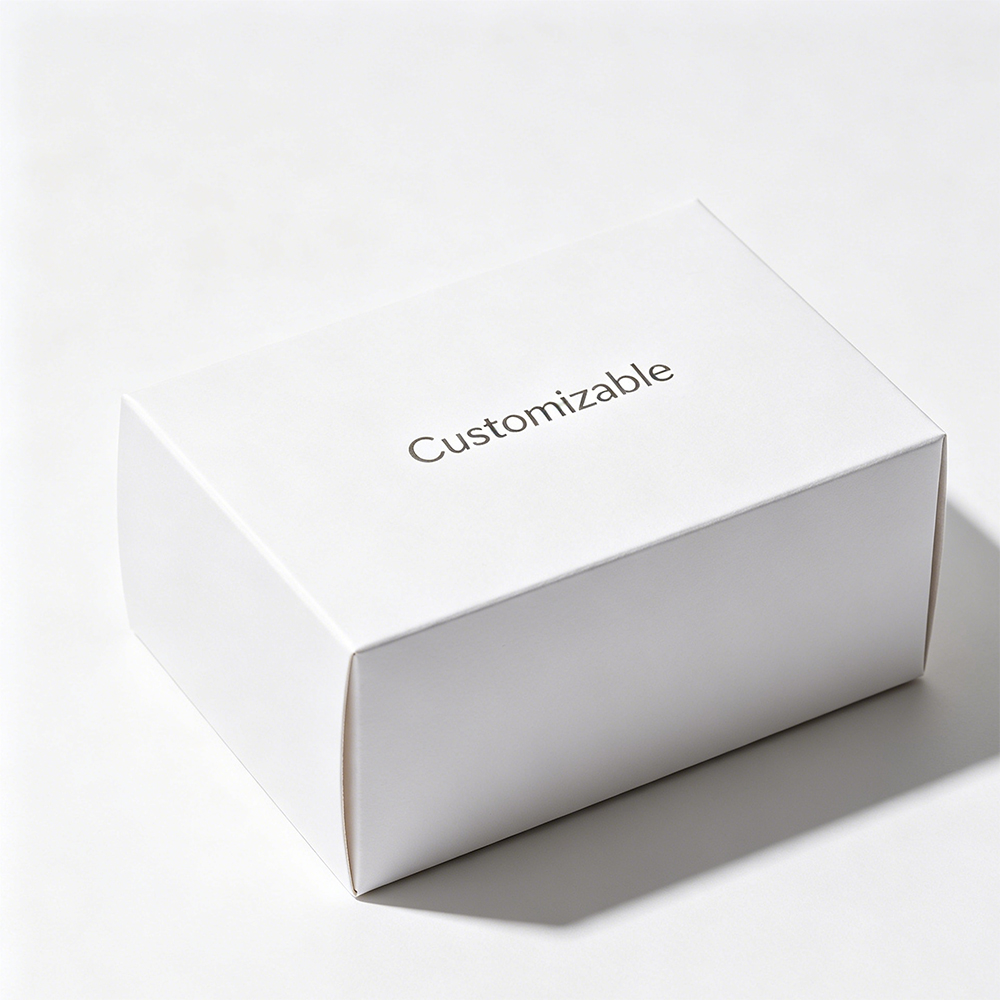
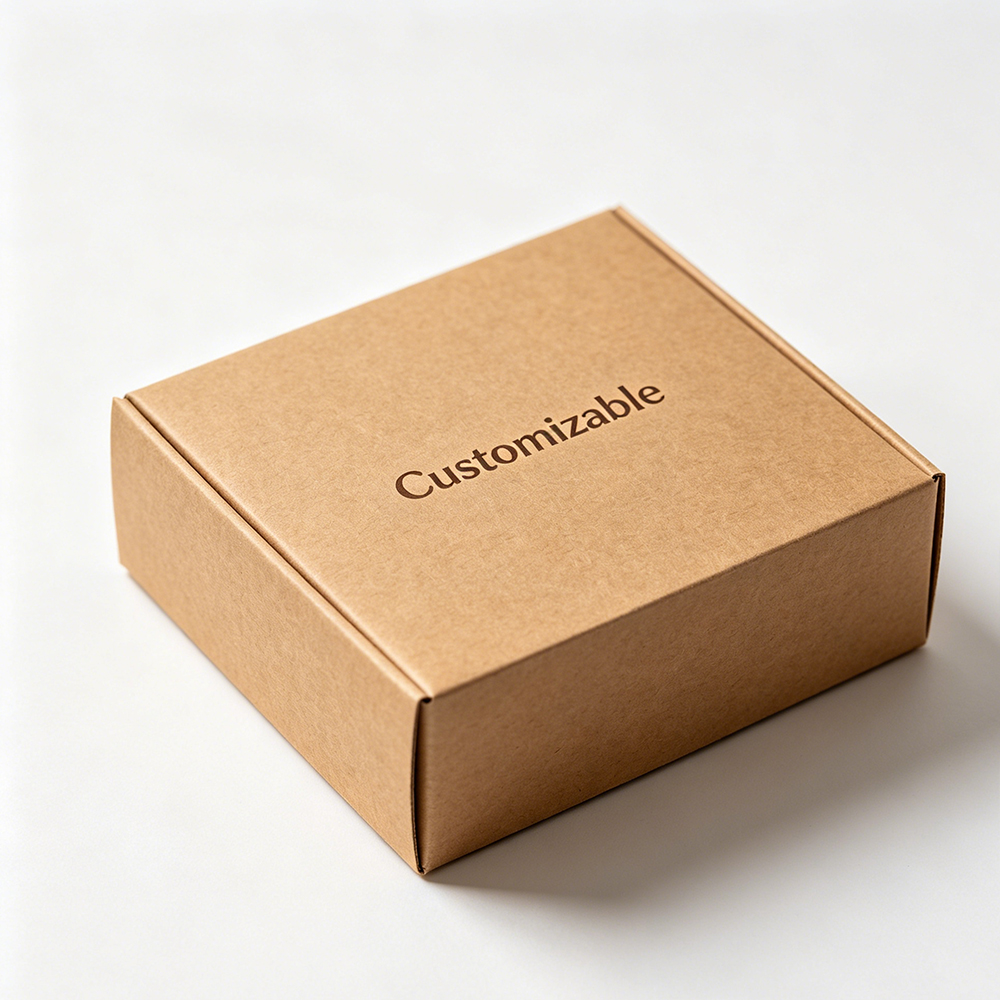
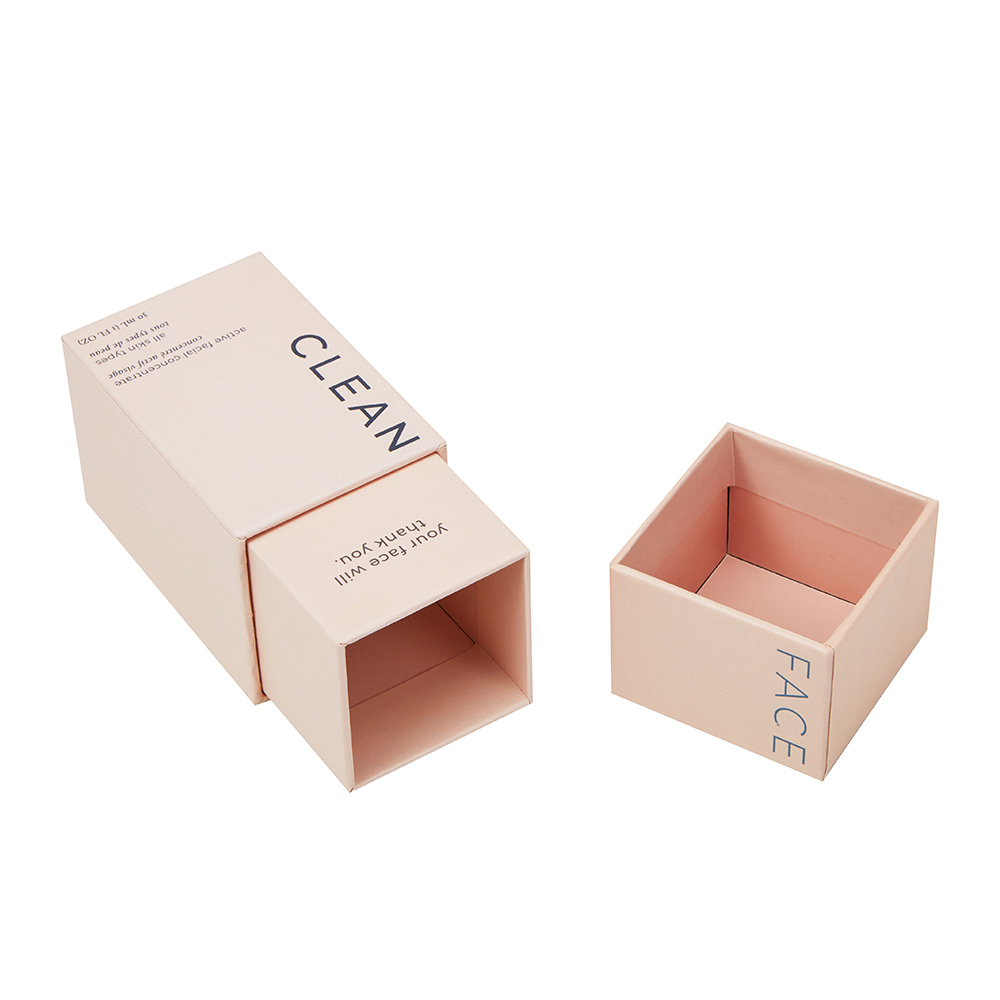
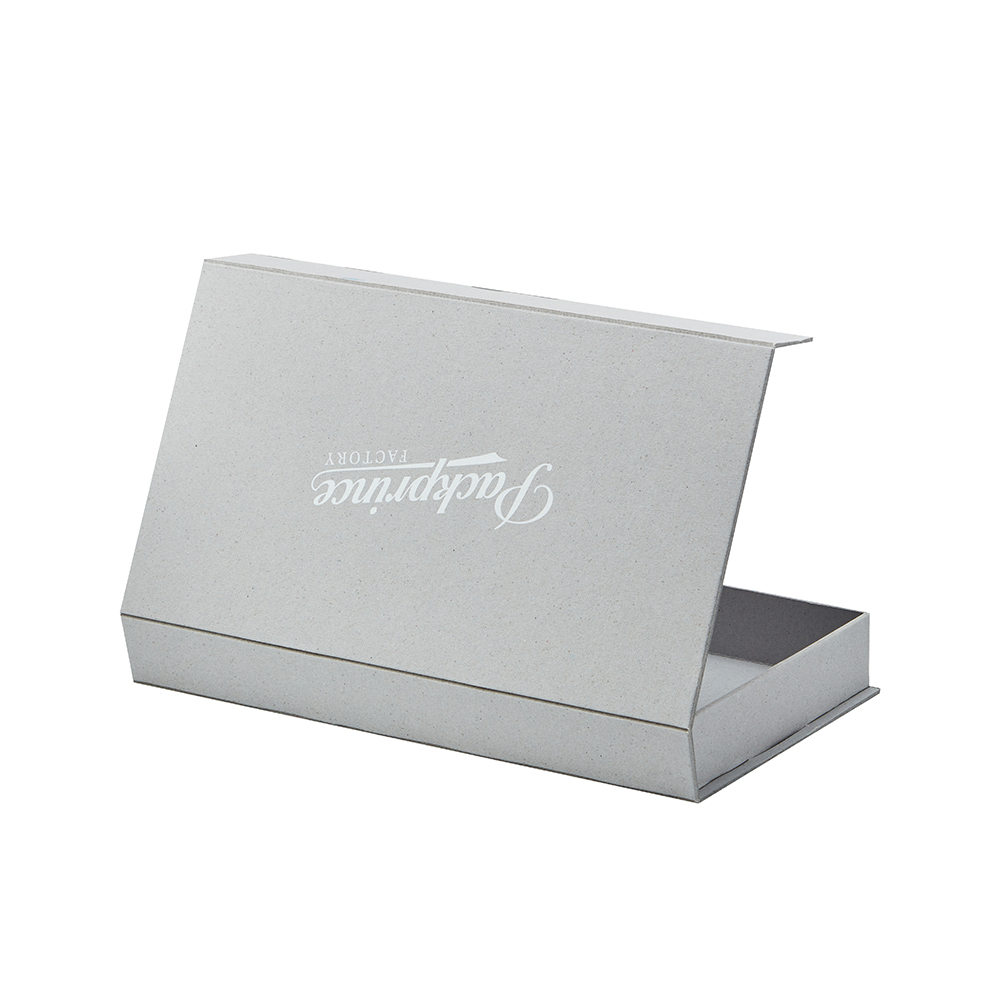
Browse selected rigid boxes and other custom packaging formats featuring different structures, inserts and opening styles. Use these examples to define the appearance and functionality required for your own packaging project.

Why Choose a Finish That Is Easy to Read?

Key advantages are touch, writability and restrained reflectivity. Pens and pencils generally work well on an appropriate sheet, helping note cards, tags and forms. With less light reflected back as sheen, text reads comfortably.

For brands seeking warmth, premium uncoated stock can make typography and simple graphics feel considered, suiting quiet luxury, editorial layouts and fine art references. The opaque character of the chosen grade can limit show-through; confirm opacity at the actual weight.

How Do Color, Ink Absorption and Texture Affect the Finish?

Expect color to look warmer because colorants penetrate the sheet rather than remaining entirely as ink on the surface. That behavior can reduce contrast and make a printed image appear less crisp than on coated paper. Paper shade, texture, printer settings and artwork influence the result.

Choose coated paper when sharp photography, deep solids or a glossy effect leads the brief; silk finishes offer another level of reflection. Choose an uncoated option when touch or a subdued gloss finish matters more. A physical press proof reveals fine type, large color areas and registration.

What Is the Difference Between Coated and Uncoated Paper?

Surface treatment controls liquid and detail: open paper takes in more, while sealed paper retains more near the top. Both options can deliver high-quality packaging, but guide color, touch and finishing differently.

FactorUncoatedCoated
SurfaceOpen, natural characterSealed and super smooth
Ink behaviorMore absorbent; greater dot spread is possibleInk tends to sit on top, supporting excellent ink holdout
Color appearanceSofter, less reflectiveMore vivid and vibrant
Tactile qualityPapery, warm and variedSleek, consistent
WritabilityGenerally strongDepends on the coating
Glare and readabilityLow reflection supports readingGloss may reflect more light
Typical usesInserts, cards, sleeves, tags, booksImage-led brochure, catalog and retail packs
Finishing considerationsTest heavy coverage and protectionTest adhesion, scoring and cracking

Where Does Uncoated Paper Work in Print and Premium Packaging?

Use it when material character and readable communication lead the design: box wraps, belly bands, sleeves, printed inserts, care cards, hangtags, stationery and presentation-box components. It can suit short-run printing projects and coordinated brand sets.

There is no perfect paper. Image-heavy cosmetics or electronics packaging may benefit from a coated surface with sharper detail; jewelry, apparel and gift packaging may favor a gentler touch. Construction, abrasion exposure and handling conditions should also shape the decision.

Which Print and Finishing Methods Need Testing?

Every proposed print and finishing combination should be tested on the selected grade. Screen rulings, coverage and drying behavior require review. Heavy color may absorb unevenly, and small reversed type can lose definition.

Foil stamping, letterpress, embossing, debossing, varnish, film lamination and UV treatment require trials. Results vary with smoothness, surface sizing, pressure and heat. Protection may make a pack more resistant to dirt, but untreated paper is not waterproof. Test adhesion, folding, scuffing and color on a production-representative swatch.


Custom Samples and Production with Xingdian Packaging

Xingdian Packaging helps buyers translate a paper choice into custom packaging rather than source raw paper alone. Its official Alibaba company profile lists sample-based customization and full customization, while the storefront presents customizable paper gift-box packaging.

Share the intended box, wrap, sleeve, insert, tag or card to discuss material character and sampling. A sample lets you review fit, color and finish together before custom production. Discuss Your Packaging Project.

What is uncoated paper, and what does it feel like?

Uncoated paper has no sealed surface coating, leaving more of its natural fiber character exposed. It generally has a tactile, low-reflection appearance and may feel smooth, textured, soft or slightly porous depending on the grade. Appropriate uncoated stocks also provide good writability.

Uncoated paper absorbs more ink, usually creating softer colors and a warmer, less reflective appearance. Coated paper keeps ink closer to the surface, supporting sharper details, stronger contrast and more vivid images. The better choice depends on the artwork, desired texture and packaging application.

Yes. Uncoated paper can create a refined, natural presentation for gift boxes, sleeves, wraps, inserts, cards and tags. It works particularly well when touch, typography and understated color are central to the design. Paper weight, construction and handling conditions should still be evaluated with a physical sample.

These finishing methods may be possible, but results depend on the paper’s texture, smoothness, surface sizing, weight and compatibility with the selected process. Foil stamping, embossing, letterpress, varnish, lamination and UV treatments should be tested on the proposed stock before mass production.

Share the packaging type, dimensions, expected quantity, artwork, preferred paper texture, printing requirements and finishing requirements. You should also describe the product and desired visual effect. Xingdian Packaging’s official profile lists sample-based and full customization, supporting discussions around a project-specific sample or quotation.

Uncoated Paper FAQs for Packaging and Print Customers

Get clear answers about the appearance, print behavior, applications and finishing requirements of uncoated paper before selecting a material or requesting a custom packaging sample.