-
Business Email enquiry@xdpackaging.com
-
Hotline +86 135 3401 0101
-
Factory Address Xinfa Group Industrial Building, Gushu 1st Road, Shenzhen
Custom Odd Shaped Boxes That Command Attention
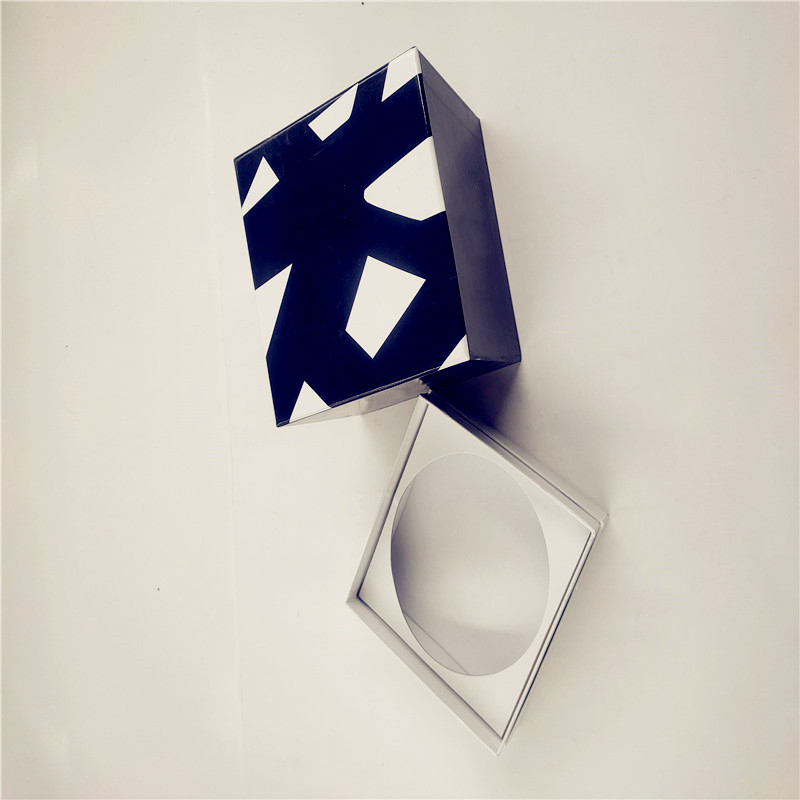
These non-standard structures use distinctive geometry to present, protect, and promote products beyond the familiar square or rectangle. The right structure can mirror a product silhouette, command instant attention on a shelf, and turn a launch, gift, or press mailing into a memorable reveal. Share your goals with [Brand Name] and Request a Custom Quote for a practical, production-ready concept.
What Defines an Odd Shape in Packaging?
An odd shape departs from conventional packaging. Consider it when recognition, theater, or product fit justifies extra development and fulfillment.
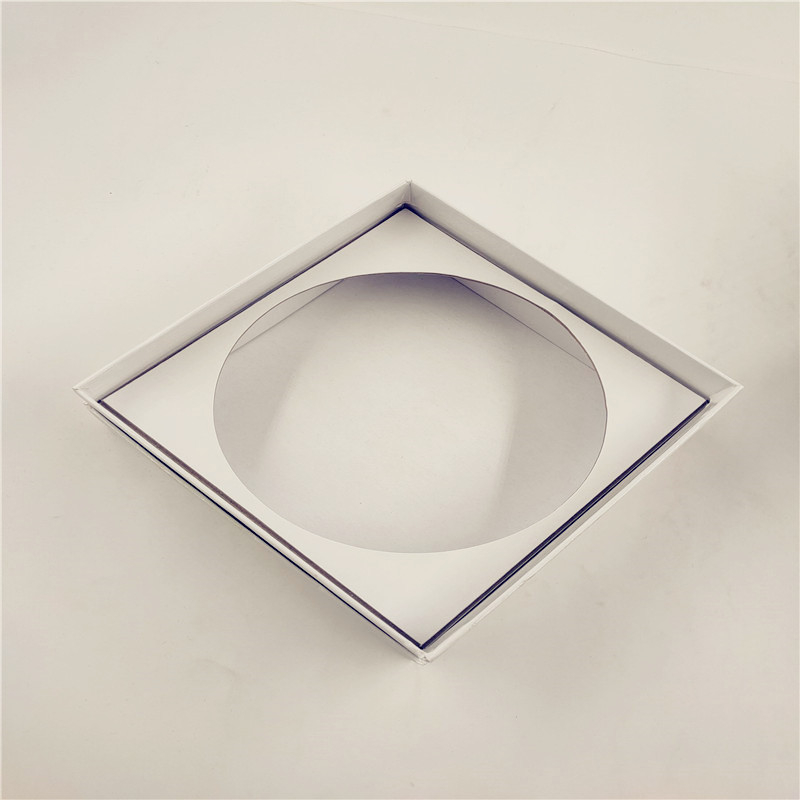
A standard carton favors right angles; an odd box uses facets, curves, or a recognizable silhouette. The packaging solution should support retail distinction, launch visibility, PR impact, or presentation. A carefully crafted odd structure also accounts for filling, closing, opening, and display.
How Do These Formats Compare With Rigid Boxes?
It trades simplicity for visibility. Choose it when differentiation outweighs tooling, packing, storage, and freight.Against square or rectangular standard formats, unusual structures may need special dies and labor.
| Decision Factor | Unusual Format | Standard Format |
|---|---|---|
| Shelf Impact | Distinctive silhouette | Square boxes look familiar |
| Manufacturing Cost | More tooling | Simpler production |
| Logistics | Unused cube | Easier stacking |
| Assembly | More folds | Faster erection |
| Internal Inserts | Tailored cavities | Standard dividers |
Which Corrugate and Packaging Material Options Make Sense?
Material follows structure, weight, finish, and distribution; no substrate suits every design.
Paperboard supports folds and print; rigid construction adds presentation weight; corrugate adds stacking strength, with flute chosen through testing. Corrugated boxes may be structures or transit outers, while cardboard boxes is a broad buyer term needing clarification.
Kraft paper, wrapping paper, and poly bags perform different jobs. Verify whether a substrate is a durable and reliable material for the load, an affordable and recyclable material locally, or truly cost effective and sustainable overall. Compare [structural packaging options] by grade, finish, insert, and disposal route.
How Do Odd-Shaped Items Affect Protection and Shipping Costs?
They can add dimensional space, handling, and freight expense. Engineer protection for weight, fragility, protrusions, and distribution.
Odd shaped shipping boxes may use more carrier space than contents suggest. Carriers can assess irregularly shaped items with enclosing dimensions; check current rules. FedEx guidance covers dimensional weight and exterior protection for irregular forms.
Foam, molded pulp, paperboard, or cushioning materials fill voids and add a layer of protection. Test delicate items; presentation packs may need an outer shipping box to move products safely.
An oversize outer raises storage demands. Large boxes consume space; multiple boxes add inventory. Test each irregular shaped pack under likely carrier conditions.
Which Box Shapes Fit the Product and Display?
The best form balances distinction with manufacturability, assembly, and product fit.
Hexagons, octagons, and triangles offer flat graphic panels and stack more readily than curved forms. Round packs, tubes, oval hatboxes, and pillow formats create softer lines but can require extra assembly and storage.
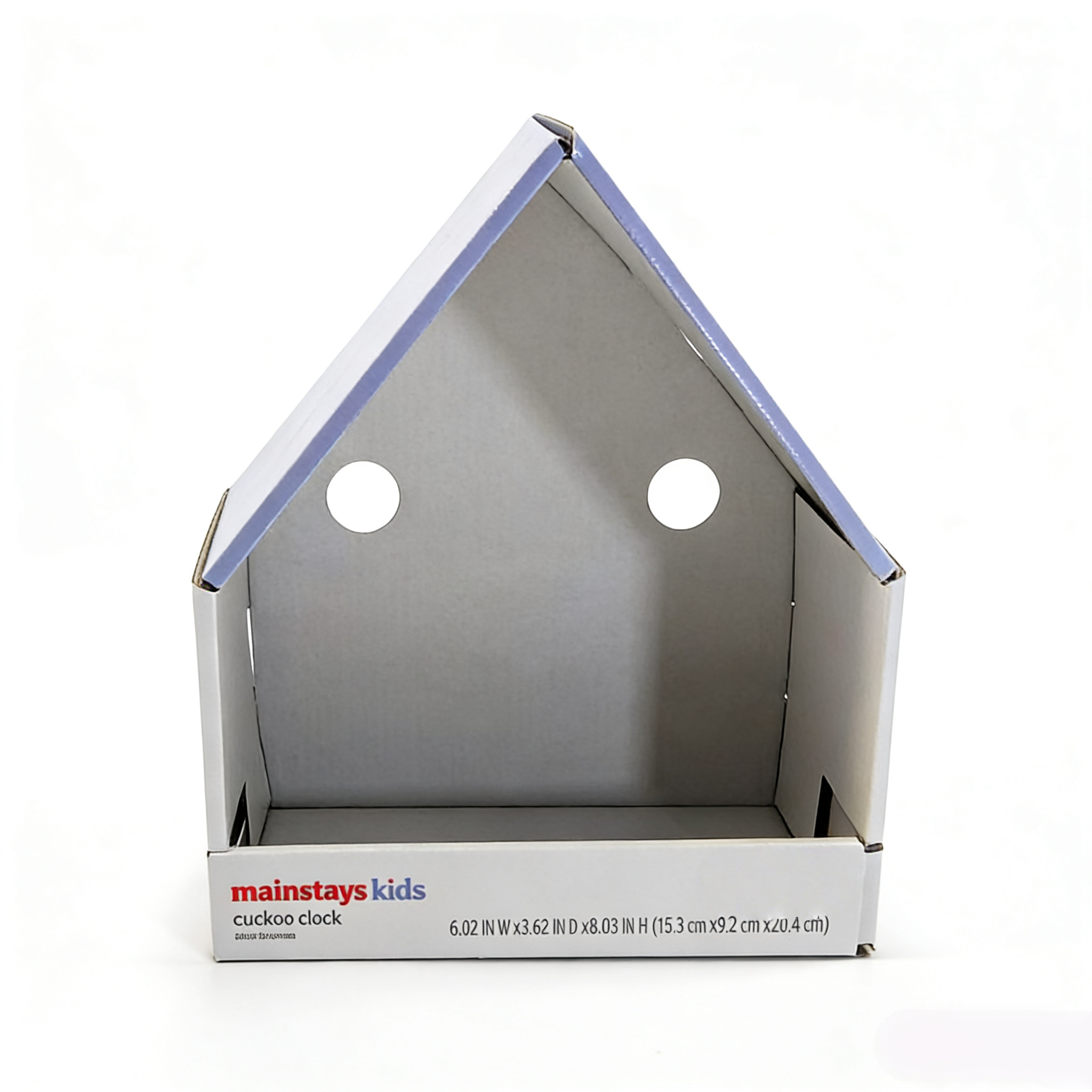
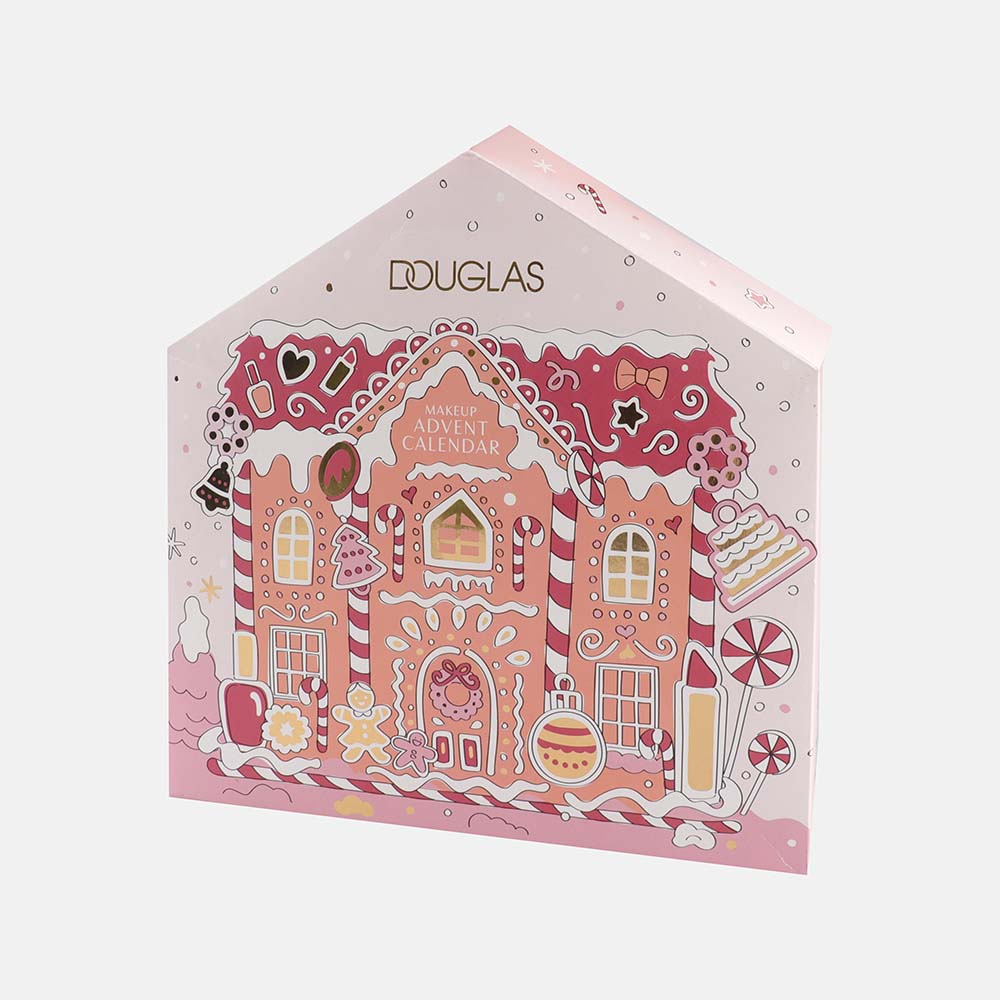
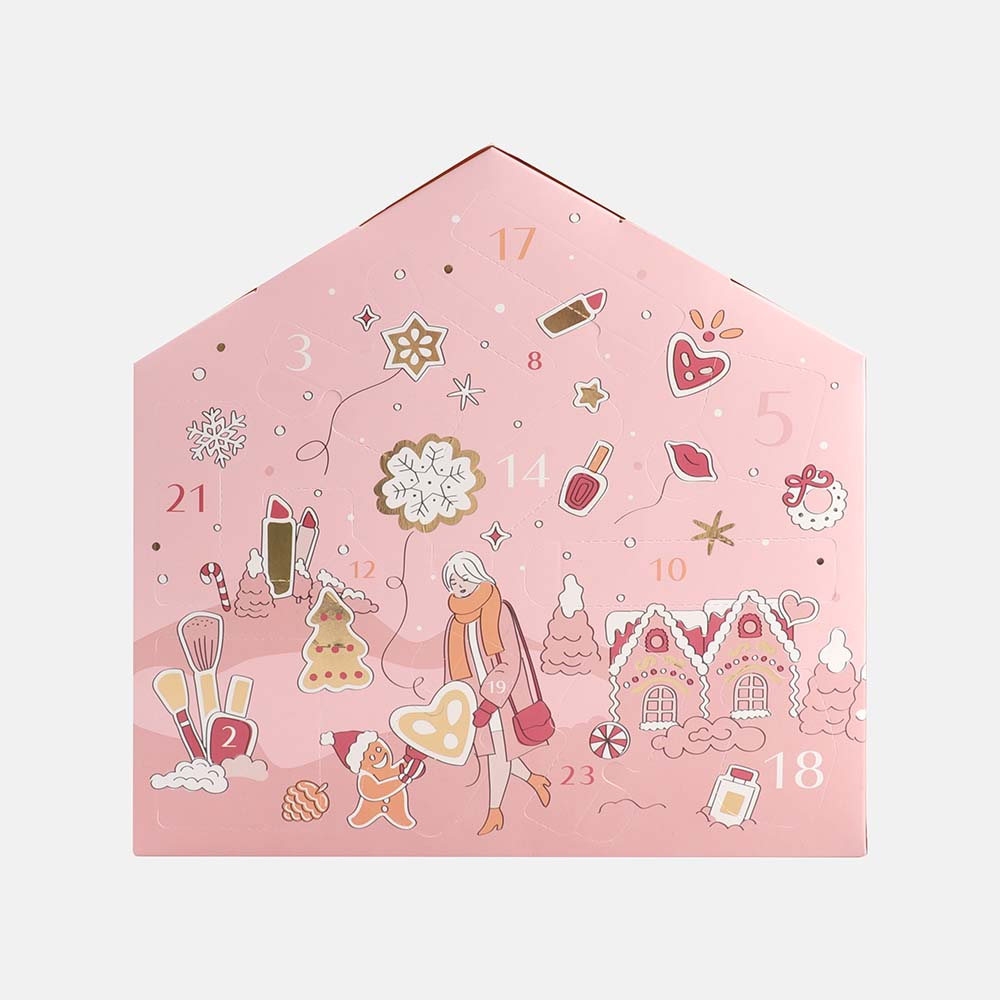
Hearts, stars, pyramids, houses, treasure chests, logos, and product silhouettes suit shaped products; narrow points and deep cavities often need prototypes and tailored support.
How Can You Customize Boxes for Production?
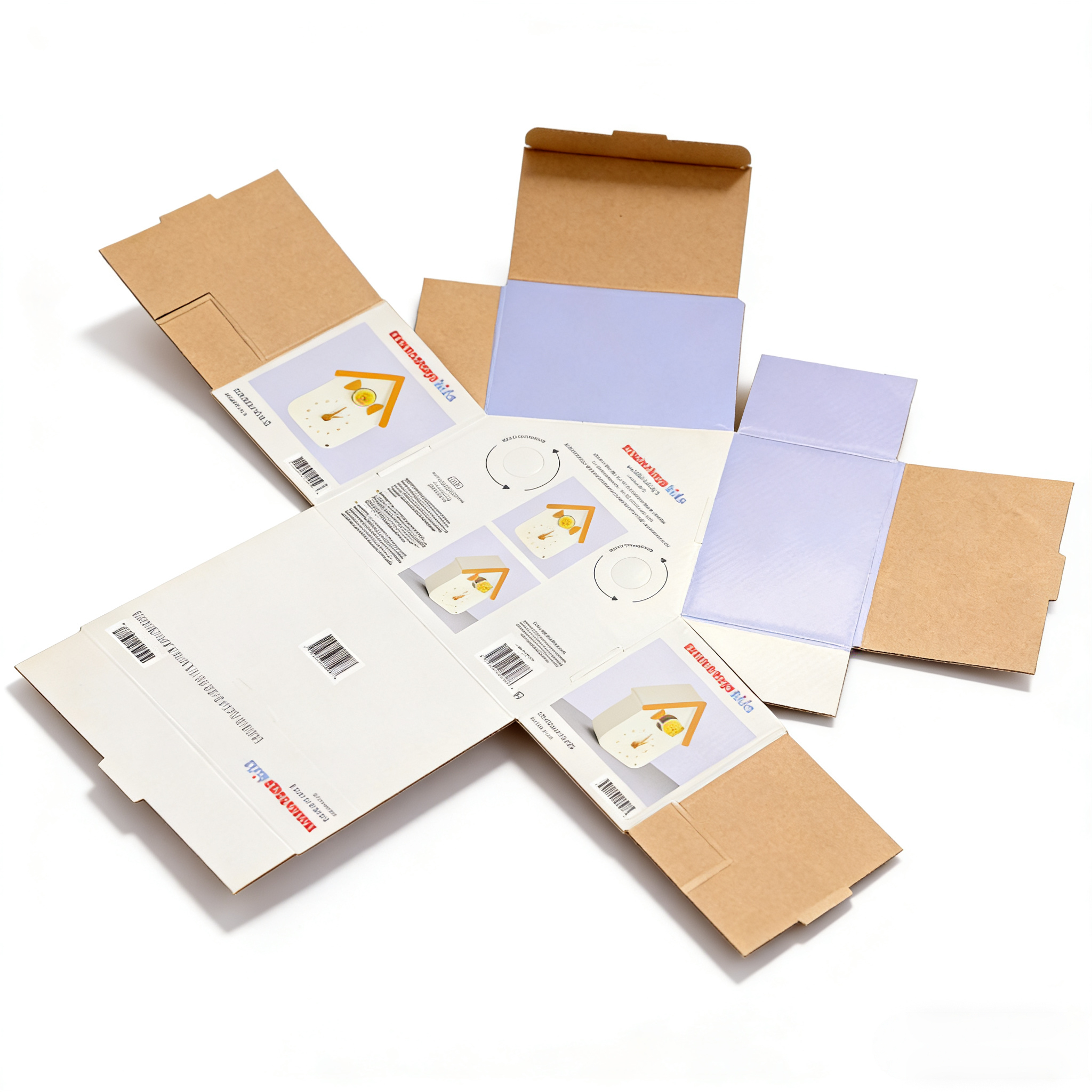
Start with the product dimensions, weight, fragility, display goal, and order volume. These inputs shape the dieline, prototypes, inserts, artwork zones, finishing choices, and production method.
Teams create custom boxes from structural concept through sample, fit check, print proof, and approved file. For boxes customized to a logo, specify tolerances, filling, and closure. Endless customization becomes manageable when budget, assembly, box storage, and the minimum order quantity define boundaries.

Frequently Asked Questions
Find clear answers about choosing the right shape, materials, inserts, customization options, order quantities, and shipping approach for odd shaped boxes—so you can plan a practical package and request an accurate quote with confidence.
Which Questions Should Your Brand Ask a Packaging Partner?
Start with fit, protection, volume, and fulfillment. Answers show whether odd-shaped boxes justify operational demands.
Which shape fits the product?
Share dimensions, weight, orientation, and display goals. Polygons stack efficiently; curves or sculptures may better express the product.
Does the product need a custom support insert?
Fragile, heavy, or loose products may need a validated foam, molded-pulp, or paperboard insert to limit movement.
Is fully custom packaging or a ready-made blank more appropriate?
A developed structure offers closer fit and control; a ready-made blank may reduce effort. Compare volume, budget, assembly, storage, and timing.