




Packaging Layout Trends 2026 are moving past visual novelty toward reduced material use, stronger shelf distinction, responsive coatings, and product packaging built for reuse or recycling. Right here are the ten changes I anticipate brands and product packaging groups to take seriously in 2026.
The box is marketing the item before the product gets opened, photographed, assessed, recycled, or thrown away. And in 2026, that box is significantly being evaluated twice: very first by the client, after that by a much less flexible combination of procurement teams, regulators, stores, and waste systems.
I have actually seen adequate packaging projects to know where the market obtains sidetracked. A dramatic unboxing video can make a plan look brilliant for 15 seconds while concealing extreme board weight, unnecessary inserts, blended materials, or a manufacturing procedure that becomes excruciating at 100,000 devices.
That is the uncomfortable part.
The very best Product packaging Style Patterns 2026 are not merely concerning making plans prettier. They have to do with making product packaging carry out harder with less products, fewer production migraines, clearer brand signals, and far better end-of-life results.
And what occurs when sustainability asserts ram the real building of the box?
The solution is coming to be visible in law and tough information.
Eurostat reported in October 2024 that the EU produced 83.4 million tonnes of product packaging waste in 2022, equivalent to 186.5 kg each. Plastic product packaging waste averaged 36.1 kg each, while only 41% of plastic product packaging waste was reused. European Commission
That issues because product packaging design is no longer operating in a vacuum cleaner. The EU’s Packaging and Packaging Waste Policy began using across the EU on 12 August 2026, with requirements covering recyclability, recycled content, unnecessary product packaging, reuse and material performance. The guidelines also limit PFAS in food-contact packaging over specified restrictions. Atmosphere
So, right here are the 10 product packaging design fads I would actually watch.
Minimalism is back.
Yet I am not speaking about another off-white box with a small sans-serif logo and a sustainability slogan.
The more intriguing variation of minimal packaging eliminates physical intricacy rather than simply visual noise, using less components, tighter dimensions, controlled graphics, and structural choices that lower unnecessary product while maintaining the item’s perceived worth.
That difference matters.
A package can look minimal while consisting of 3 layers of board, a plastic tray, a laminated sleeve, a foam insert, and a decorative bow. That is visual minimalism, not always packaging effectiveness.
The 2026 approach is a lot more extreme: eliminate what does not make its place.
Anticipate to see:
The European Commission’s PPWR explicitly targets unneeded product packaging and too much empty space, while its broader requirements push product packaging toward recyclability and more reliable source use. Setting +1
For brands, this produces a fascinating possibility: minimalism can come to be a cost-control technique disguised as superior layout.
That is a much more powerful recommendation than simply stating, “Our packaging looks clean.”
Brown kraft is not automatically sustainable.
There, I claimed it.
A recycled substratum with weak structure, excessive layers, difficult-to-remove laminations, or unneeded parts can still produce a bad packaging solution, while a carefully engineered coated paperboard plan can supply strong efficiency with a more useful healing route.
The fad for 2026 is for that reason much less about the visual of recycled product and more about material openness.
Designers are explore:
The regulative instructions sustains this shift. The EU’s sustainability structure progressively attends to recycled material, recyclability, reuse, source efficiency and details requirements rather than dealing with “environment-friendly” as a totally marketing claim. Environment +1
For present packaging, that produces a helpful happy medium in between superior discussion and material restraint.
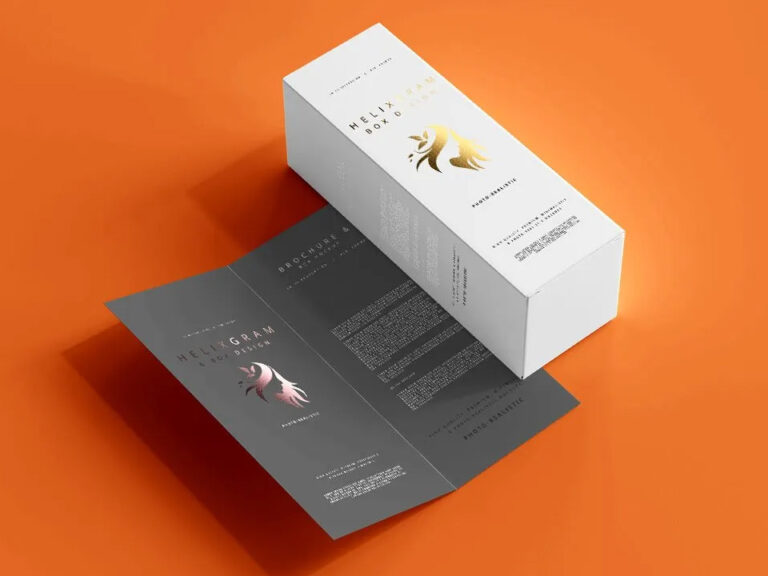
For instance, a kraft paper cabinet gift card box with a foil-stamped sleeve can make use of the contrast between raw paper appearance and a concentrated metal accent rather than covering the entire bundle with expensive attractive impacts.
The trick is restraint.
One foil information can communicate high-end. Five can communicate that the designer found aluminum foil yesterday.
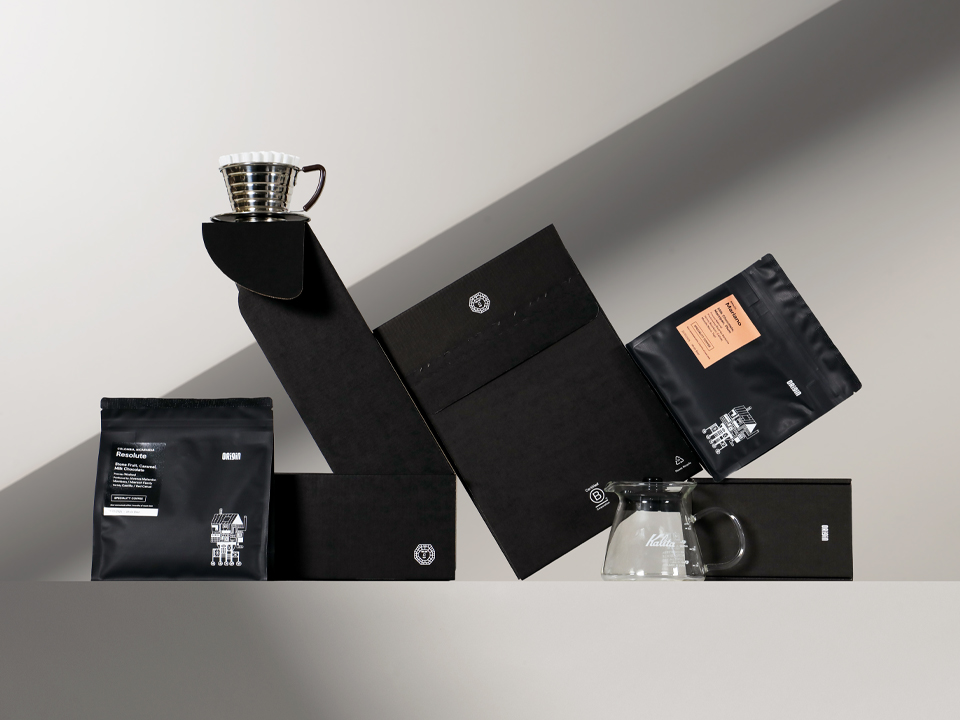
Deluxe packaging is coming to be quieter.
Not more affordable. Quieter.
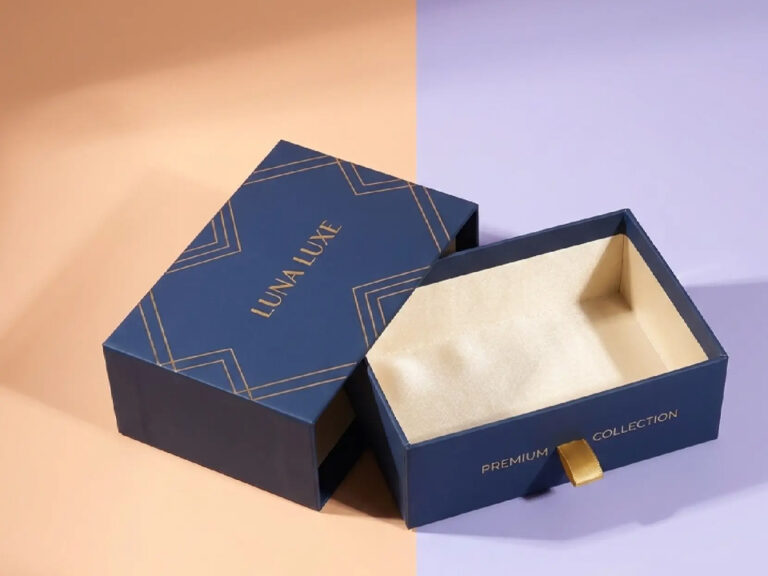
In premium classifications such as scent, cosmetics, clothing, spirits, precious jewelry, and personal treatment, customers can recognize costly packaging through touch: board thickness, magnetic resistance, soft-touch surface areas, accurate edges, aluminum foil registration, embossing, and the mechanical feeling of opening a rigid box.
That makes responsive style among the most vital packaging style patterns for brands in 2026.
I would pay certain interest to:
An example of this principle is the printed magnetic underclothing gift box for three-piece sets, where the opening device itself enters into the brand experience rather than relying completely on graphics.
Likewise, a stiff hinged fragrance oil present box with black foam insert demonstrates how a costs bundle can establish pecking order through framework, contrast and regulated interior discussion.
The hard truth?
Clients hardly ever need much more decor. They need stronger signals of value.
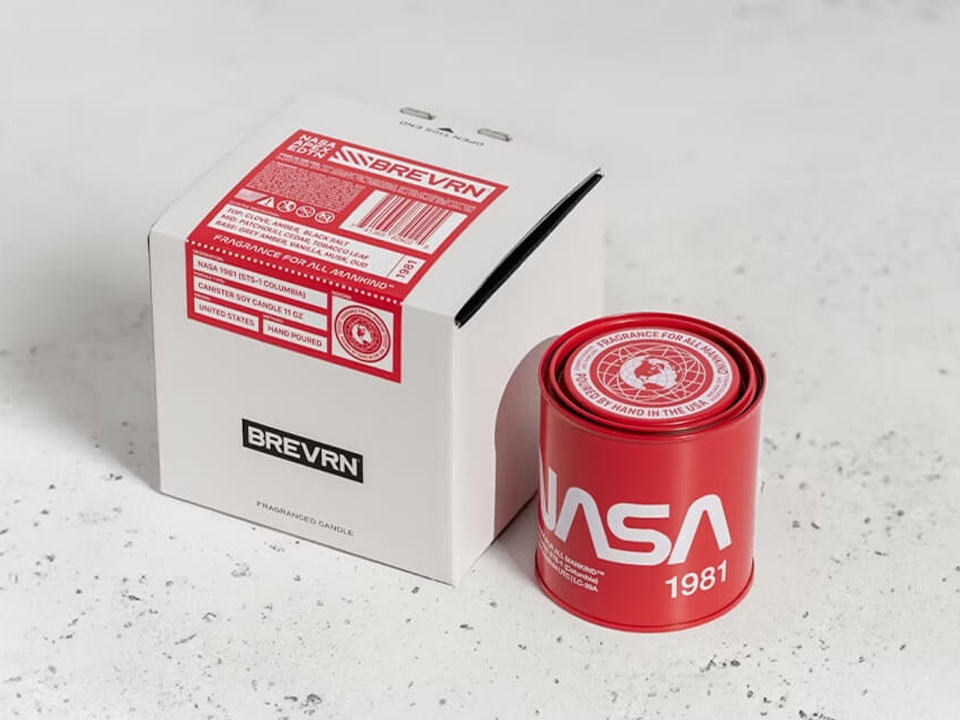
After years of muted sustainability schemes, packaging is moving toward stronger shade.
Electric blue. Acid eco-friendly. Saturated purple. Crimson. Metal gold.
But the genuine shift is not just “brilliant packaging.”
It is recognition engineering.
When lots of items rest next to one an additional, color can develop category recognition prior to the customer reviews a word. A distinct shade system can likewise create an aesthetic architecture throughout several SKUs.
In 2026, anticipate brands to utilize:
Purple is an especially intriguing example in fragrance and home fragrance. A purple reed diffuser inflexible box with silver metallic tray, as an example, utilizes shade and metallic comparison to produce a costs aesthetic code without calling for an overloaded surface.
This is where packaging layout comes to be closer to brand style than decor.
Refill is no longer just a sustainability buzzword.
It is ending up being a product packaging design.
The toughest refill systems separate the resilient presentation component from the consumable product part, potentially enabling brand names to protect the premium outer plan while reducing the material needed for each succeeding acquisition.
Think:
Maintain the vessel. Change the refill.
Or:
Maintain the box. Replace the cartridge.
Or:
Keep the dispenser. Change the bag.
The EU’s packaging framework clearly advertises reuse and fill up systems, while its more comprehensive sustainability guidelines urge longer product life, reusability, repairability and enhanced resource effectiveness. Atmosphere +1
But there is a catch.
A refill system that calls for a lot more transport, more components, or hard cleaning can undermine the designated environmental benefit. Designers for that reason require to take into consideration the full system as opposed to commemorating words “replenish.”
The concern is not, “Can we re-fill it?”
The better inquiry is, “What transforms when the consumer buys it for the second time?”
Product packaging has actually gotten a second shelf: the mobile phone display.
That changes proportions, graphics and ending up.
A customer opening up a plan at home might quickly produce an Instagram Reel, TikTok, item photo, unboxing video, or consumer review. Product packaging for that reason requires recognizable moments that make it through compression right into a six-inch screen.
I call this camera-aware packaging.
The toughest ideas usually have one evident aesthetic event:
But brands must stay clear of making the whole plan around social media theatrics.
The cam is an amplifier, not a method.
A plan that photographs magnificently yet gets here crushed, wastes room, or discourages the consumer is still terribly made.
SKU expansion is pricey.
A brand may have 6 fragrances, 4 sizes, three seasonal colors and several local variants. Producing a totally different architectural bundle for every product swiftly develops supply issues.
That is why modular product packaging is turning into one of the a lot more commercially fascinating 2026 product packaging trends.
A modular system can preserve the very same:
while transforming:
This is especially helpful for present sets and personal-care products.
A printed inflexible hair oil box with foam insert and lift-off lid, as an example, illustrates a layout where the structural discussion can be dealt with as a system rather than a one-off item.
That distinction matters enormously as soon as order amounts raise.
Developers frequently maximize the model.
Purchase groups deal with the production run.
This pattern is much less glamorous, however I anticipate it to have a bigger business impact than numerous aesthetic fads.
Plastic trays and foam inserts are convenient. They are additionally significantly awkward when brands desire simpler product streams and cleaner sustainability claims.
Fiber-based choices can now be created into increasingly accurate interior styles.
That implies:
The objective is not just to change every plastic component with paper despite efficiency.
That would certainly be lazy engineering.
Rather, the plan ought to ask what the insert really requires to accomplish: immobilize, protect, separate, display or raise the item.
When that need is clear, the material selection comes to be much easier.
The EU’s plan direction is especially appropriate right here due to the fact that packaging recyclability is significantly tied to exactly how the full packaging system acts rather than whether one element takes place to be made from paper. Atmosphere +1
Gold is not vanishing.
Neither is silver.
Yet full-surface metal packaging is losing a few of its influence due to the fact that costs brands have uncovered that careful contrast frequently looks more costly than visual overload.
This suggests:
A valuable example is the gold aluminum foil pre-roll cone hinged-lid rigid presentation box, where metallic finishing can become a concentrated costs signal instead of an entire aesthetic therapy.
The very same concept works in fragrance, garments, appeal and high-end gifting.
Use the costly impact where the eye naturally lands.
Do not gild the whole box just due to the fact that the printer can.
The last trend is often misinterpreted.
Smart packaging does not necessarily indicate putting an NFC chip into whatever.
It suggests offering the physical bundle a valuable digital layer when that layer solves a real problem.
Feasible applications include:
The wider European governing direction is already moving toward richer item info, consisting of the Digital Item Key concept under the Ecodesign for Sustainable Products Regulation. Atmosphere
That makes the humble QR code more fascinating than it looks.
A small printed code can transform a static bundle right into an entrance to directions, provenance and after-sale assistance without adding another physical part.
Yet again, restraint wins.
No one intends to scan a box to uncover a 700-word sustainability policy.
Provide people something useful.
Below is exactly how I would certainly divide the fashionable from the commercially purposeful.
| Trend | Key Motorist | Brand name Advantage | Key Risk | 2026 Relevance |
|---|---|---|---|---|
| Material-efficient minimalism | Regulation + cost | Reduced product use | Looking generic | High |
| Recycled paperboard | Sustainability + sourcing | Better worldly story | Weak structure or bad surface | High |
| Tactile high-end | Premiumization | Higher viewed value | Extreme finishing | High |
| Strong shade systems | Rack competition | Faster acknowledgment | Visual tiredness | High |
| Refill/reuse systems | Circularity | Repeat purchasing | Complicated individual trip | High |
| Camera-aware product packaging | Social business | Shareability | Creating for spectacle | Medium-High |
| Modular structures | SKU development | Production efficiency | Repetitive appearance | High |
| Fiber inserts | Material decrease | Cleaner building | Security constraints | High |
| Selective metal ending up | Deluxe branding | Costs signs | Over-decoration | Medium-High |
| Digital packaging layers | Information + traceability | Much better client support | Reduced engagement | Medium-High |
The pattern is apparent.
The most effective product packaging design ideas for 2026 are not separated aesthetic tricks. They combine structure, product, branding, production and regulation.
That is where severe product packaging style gets intriguing.
I would additionally retire a few habits.
Stop treating “green” as a color scheme.
Quit including kraft paper to a bundle and presuming the sustainability trouble has actually been addressed.
Quit developing models that can not be financially produced.
Quit utilizing large boxes to make small items appear even more premium.
Stop assuming more coatings equate to more luxury.
And stop perplexing recyclability with the mere presence of paper.
The EU’s product packaging policies are moving toward concrete requirements around recyclability, recycled content, reuse and product performance, which implies unclear sustainability language is ending up being a weaker replacement for actual product packaging design. Environment +1
For brand names offering right into Europe, this is not academic.
The PPWR began applying on 12 August 2026, and the policy is developed to integrate packaging requirements throughout the EU while boosting pressure on waste decrease, recyclability, reuse and recycled materials. Atmosphere
That makes 2026 a particularly vital year to audit packaging systems before the next product cycle secures them in.
Do not start with Pinterest.
Start with the item.
A fragrance brand has various needs from a clothing gift-set brand. A costs hair-oil supplier has different defense demands from a stationery business. A registration item has various economics from a single luxury purchase.
I would certainly examine 5 variables initially:
Then choose the aesthetic language.
Not vice versa.
I call this camera-aware product packaging.
The best principles generally include one apparent aesthetic occasion:
A modular system can maintain the very same:
For garments and gifting, a printed magnetic undergarments present box for three-piece sets can make the opening action component of the worth proposition. For scent, a rigid hinged style can create an extra intentional disclose. For smaller sized gift items, a kraft paper drawer gift card box with foil-stamped sleeve can integrate responsive paper appearance with a controlled costs accent.
Different products. Various tasks.
That is the point.
The leading product packaging design fads for 2026 consist of material-efficient minimalism, recycled paperboard, tactile luxury, vibrant shade systems, refillable packaging, camera-aware unboxing, modular frameworks, fiber-based inserts, careful metal surfaces, and valuable digital product packaging layers. The greatest pattern is the integration of aesthetic appeals, making efficiency, recyclability, reuse and governing needs right into one product packaging system.
Lasting packaging design is essential in 2026 due to the fact that product packaging waste, product performance and recyclability are increasingly influenced by both consumer assumptions and guideline, particularly in Europe. The EU generated 83.4 million tonnes of packaging waste in 2022, while its PPWR presents demands covering recyclability, recycled web content, reuse and unnecessary packaging. European Commission +1
Minimalist packaging stays a significant fad in 2026 because brands are using less complex frameworks, minimized material quantities, restrained graphics and smaller plan dimensions to incorporate visual clearness with production and sustainability purposes. The toughest variations remove unnecessary physical parts as opposed to just making the artwork appearance minimal.
Recycled paperboard, kraft paper, shaped fiber, paper-based inserts and various other fiber-based materials are coming to be progressively important in product packaging style, specifically where brands want to reduce unneeded plastic parts. Material choice still depends on product defense, wetness resistance, life span, structural efficiency, reusing facilities and appropriate laws.
Deluxe packaging can look sustainable by using top notch architectural design, tactile board, careful foil, embossing, controlled graphics and resilient building and construction as opposed to counting on excessive materials or decorative layers. Premium understanding often comes from accuracy, weight, appearance and opening up technicians, indicating brands can develop a high-end experience without covering every surface area in metallic film.
Refillable packaging is likely to end up being more usual in 2026 because reuse and re-fill systems are receiving greater governing and business interest, particularly in the European Union. Reliable refill systems different sturdy components from consumable ones and should additionally take into consideration transport, cleaning, consumer convenience, product efficiency and the ecological impact of the complete system. Atmosphere +1
Packaging layout impacts brand name understanding by communicating item positioning via color, typography, products, structure, tactile high qualities and the opening experience prior to consumers communicate substantially with the item itself. A stiff box, magnetic closure, aluminum foil information or thoroughly engineered insert can interact costs positioning, while inefficient building can undermine even advanced visual branding.
Brands must take into consideration item security, product composition, producing volume, unit business economics, delivering dimensions, customer actions, recyclability, reuse possibility and regulative requirements before adopting a packaging pattern. An aesthetically classy package can come to be a commercial obligation if its building boosts breakage, freight expense, manufacturing intricacy or end-of-life troubles.
Below is my candid final thought.
Product packaging is becoming much less flexible.
The old formula was easy: make it appealing, make it protective, placed the logo on it, and deliver it.
That formula is maturing quick.
In 2026, the best product packaging systems will need to carry out numerous jobs all at once: develop rack recognition, survive logistics, warrant their product choices, assistance costs placing, accommodate SKU complexity, communicate helpful info and progressively fit within official sustainability demands.
That is why I would not chase every brand-new packaging aesthetic.
Construct the structure initially.
After that make it lovely.
The business that obtain this right will certainly not always have the loudest boxes. They will have product packaging that really feels unpreventable– as though the material, system, graphics, item and brand were designed with each other from the start.
And that is where the next generation of Packaging Layout Patterns 2026 is heading.
Ready to transform among these fads into a production-ready plan? Discover our packaging layouts and make use of the framework, completing and insert choices as a starting point for your following product packaging advancement task.