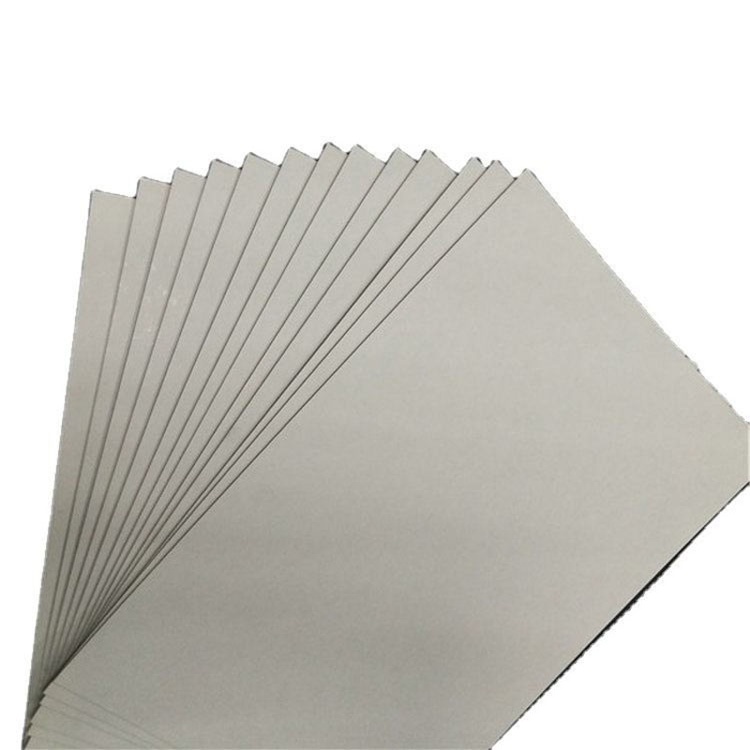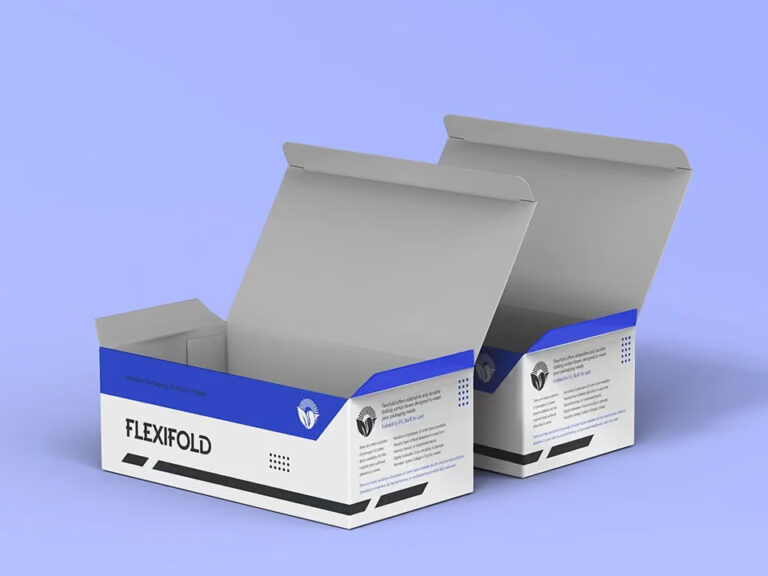




A board name cannot guarantee a stronger box. Here is how I compare rigid packaging materials using published test data, measurable specifications and finished-pack validation.
Names prove nothing.
When I compare greyboard vs chipboard for rigid packaging, I want the supplier’s actual grade, measured caliper, bending results in both fibre directions, and finished-box test conditions before I accept a claim that one board is stronger.
If two suppliers use different names for the same material, what exactly are we comparing?
Greyboard is not inherently stronger than chipboard. In rigid-box sourcing, the terms can overlap. The useful comparison is between specified grades, tested under comparable conditions, in the structure you intend to buy.
The University of Bologna’s packaging materials reference describes rigid recycled-fibre board as greyboard, grey board or rigid chipboard. It identifies the material as the structural core of rigid setup boxes.
That terminology matters. A quote for “grayboard for rigid boxes” and another for “rigid chipboard” may describe equivalent materials. Meanwhile, white-lined chipboard, or WLC, is a coated recycled paperboard category used in folding cartons; its specification differs from a thick board core intended for wrapping.
I would ask each supplier for the manufacturer, grade code, construction and technical data sheet before comparing prices. A colour description cannot establish a strength advantage.
Before choosing rigid box materials, I separate four questions:
A stiff sheet can still produce a weak corner. A box that survives a brief compression test can still deform under sustained stacking.
This is where rigid packaging structural design earns its place in the buying process: panel dimensions, joints, inserts and closures need to be considered alongside the board specification.
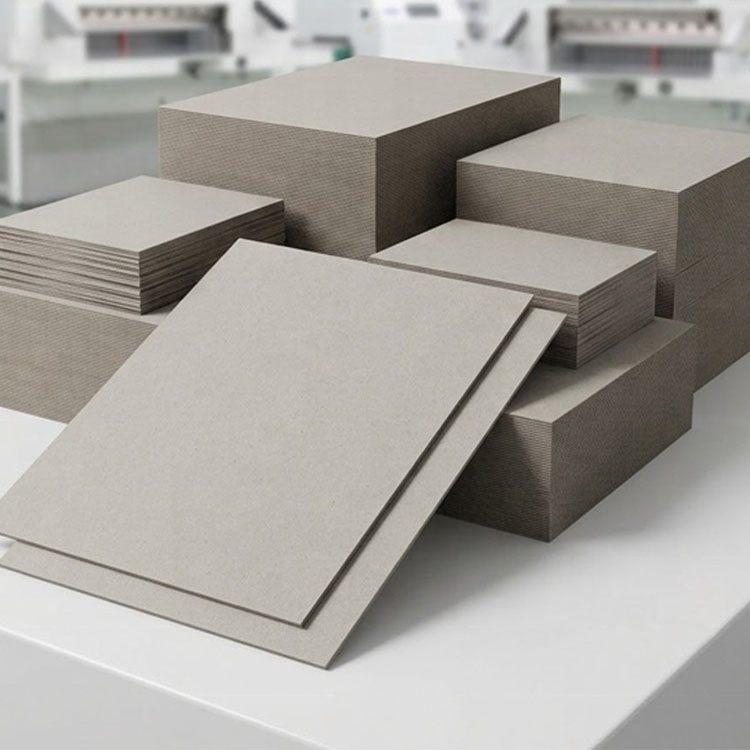
Table 2 in a 2024 BioResources carton-design study reproduces an older dataset attributed to Kibirkštis and colleagues in 2007. Two boards have identical grammage but distinctly different measured properties:
| Property | MC Mirabell: white-lined chipboard, WLC | Korsnas Carry: solid unbleached board, SUB |
|---|---|---|
| Grammage | 400 g/m² | 400 g/m² |
| Thickness | 565 µm | 585 µm |
| Machine-direction bending moment at 5° | 60.9 mN·m | 113.0 mN·m |
| Cross-direction bending moment at 5° | 24.4 mN·m | 55.3 mN·m |
| Machine-direction short-span compression strength | 12.7 kN/m | 11.2 kN/m |
The SUB board required approximately 86% more machine-direction bending moment, yet its machine-direction short-span compression strength was lower.
These are folding-carton board data, not ratings for thick rigid-box cores. The lesson transfers; the numerical ratings do not. “Stronger” needs a named property, and GSM alone cannot supply the answer.
In a 2020 experimental study published in BioResources, Ham, Youn and Lee compared laboratory handsheets with different fibre compositions and constructions. At 10% moisture content, sheets containing 5% fines had reported bending stiffness of about 0.8 mN·m for single-ply construction and 1.0 mN·m for two-ply construction.
That is approximately a 25% difference in those specimens. It supports checking construction and thickness; it does not establish a universal advantage for every laminated commercial board.
A 2017 study hosted by Rochester Institute of Technology tested five paper grammages from 175 to 300 g/m². When conditions changed from 23°C and 50% relative humidity to 0°C and 90% relative humidity, elastic modulus decreased by 20–53%.
Temperature and humidity changed together. These results concern the tested papers, not a guaranteed percentage loss for a finished rigid box.
My purchasing conclusion is straightforward: approve samples after relevant conditioning, especially when the intended storage or distribution environment differs from the sample room.
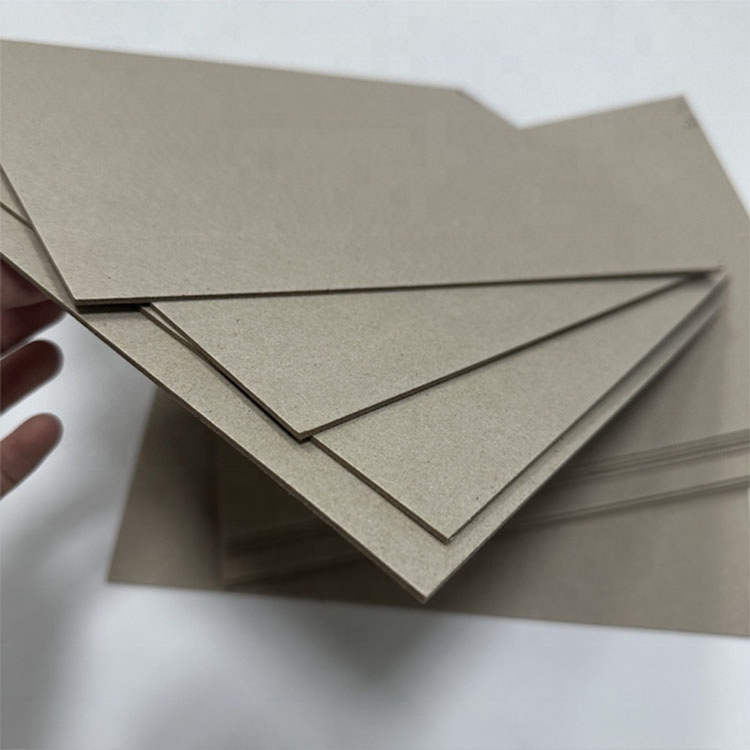
GSM measures mass per unit area. Caliper measures thickness. They are related through density, but they are not interchangeable specifications.
The 2020 handsheet study explains the underlying mechanics: under simplified beam assumptions, bending stiffness scales with elastic modulus multiplied by thickness cubed. Holding modulus, width and other relevant conditions constant, changing thickness from 1.5 mm to 2.0 mm gives a theoretical stiffness ratio of (2.0 ÷ 1.5)³ = 2.37.
That calculation is an illustration, not a finished-box strength prediction. Commercial boards differ in composition, bonding and direction, and increasing thickness also changes material use and fit.
So I would compare proposed calipers in the actual geometry. For custom lift-off lid boxes, include lid overlap, wall height and clearance in the trial. A thicker core that makes the lid bind has created another problem.
There is no defensible universal chart saying a particular thickness safely carries a particular product weight regardless of box dimensions, inserts and handling.
Give suppliers the same internal dimensions, product mass, insert layout, box style, order quantity and destination. Request clearly identified grades and separate the core specification from the decorative wrap.
For a material comparison, keep the structure and finishing consistent. Record nominal caliper, allowable variation, grammage and fibre direction wherever applicable.
I treat “premium board” without measurable acceptance criteria as an incomplete specification.
For paperboard bending stiffness, ISO 5628:2019 describes two-point, three-point and four-point methods; it recommends four-point bending for higher-thickness board.
Have the laboratory select an appropriate method. Require both machine-direction and cross-direction results, with units, specimen dimensions, test span, conditioning and sample count. Numbers from different methods need a technical basis before they can be compared.
Use rigid-box samples and prototypes to check fit, lid movement, corner integrity and the proposed material alternatives.
For compression testing, agree an appropriate protocol with the laboratory. ASTM D642-25 covers compressive resistance of shipping containers, components and unit loads. Define the tested configuration, loading direction and acceptance criteria; compression results alone do not establish resistance to drops, vibration or prolonged stacking.
If the presentation box needs an outer shipping pack, include the proposed corrugated shipping mailer in distribution testing.
Finally, retain the approved sample and written specification. Agree a production sampling plan and change-control process. A passing development sample is useful only if repeat orders reproduce the relevant materials and construction.
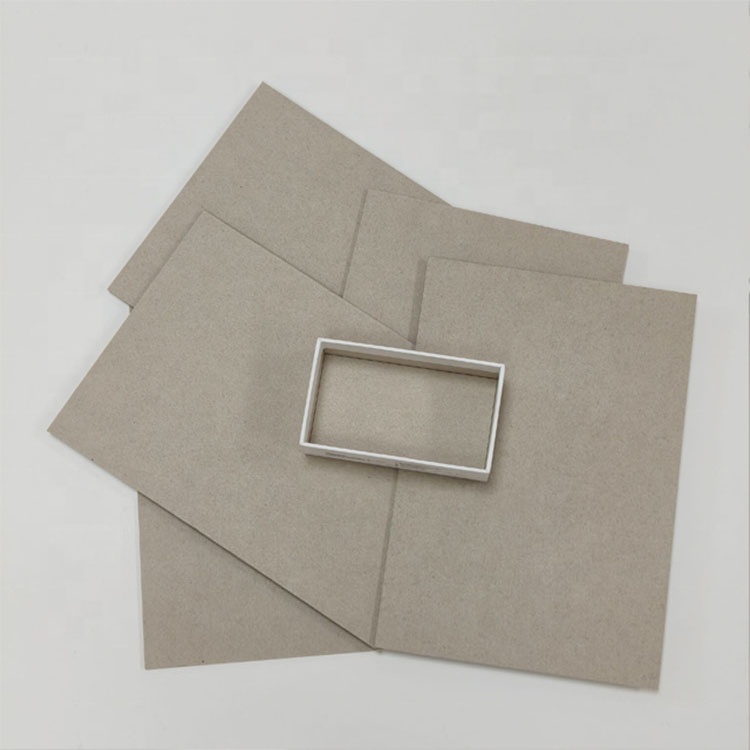
Greyboard vs chipboard strength is a comparison between specified paperboard grades, because the names can overlap and neither guarantees superior performance without matched measurements of caliper, fibre direction, bending stiffness, internal bonding, conditioning and the compression resistance of the actual finished box.
The best board for rigid packaging is the grade that meets the finished box’s agreed protection, stiffness, appearance and distribution requirements at an acceptable total cost, supported by measurements from comparable samples and documented testing of the intended structure, insert and packed product.
Greyboard thickness for rigid boxes is a design specification determined by panel span, product mass, stacking conditions, insert support, board stiffness and the intended distribution route, so it should be selected by testing proposed calipers in the finished structure rather than applying a universal product-weight rule.
Chipboard packaging strength is the material and finished package’s resistance to specified loads and failure modes, while GSM measures mass per unit area, so a heavier board can perform differently from a lighter board when fibre composition, thickness, direction, moisture or construction changes.
Send XD Packaging your rigid-box specifications, including internal length × width × height, product mass, order quantity, destination and expected storage conditions.
Request two identified board options in the same structure, with sample costs, caliper tolerances and proposed comparison tests itemized. Approve the material and finished pack against written acceptance criteria before authorizing production.