





Choosing folding carton materials requires more than comparing board thickness or price. This guide explains SBS, FBB, recycled, kraft, and micro-flute options and shows how product weight, printing, protection, sustainability, and production requirements should drive the decision.
Selecting folding container materials is not an issue of choosing the thickest board available. The substrate determines exactly how the container prints, folds up, scores, secures the product, survives the filling up line, and executes after it leaves the manufacturing facility.
That sounds obvious. It isn’t.
I have seen product packaging specifications fail because purchasers dealt with paperboard as a product instead of as part of the container framework. A premium cosmetic carton might require a remarkably tidy print surface area, while a larger food product may need tightness, moisture resistance, or a different board building entirely. Meanwhile, a recycled board can make excellent business sense for one application and develop preventable troubles for an additional.
So just how do you pick?
Begin with the product, not the catalogue.
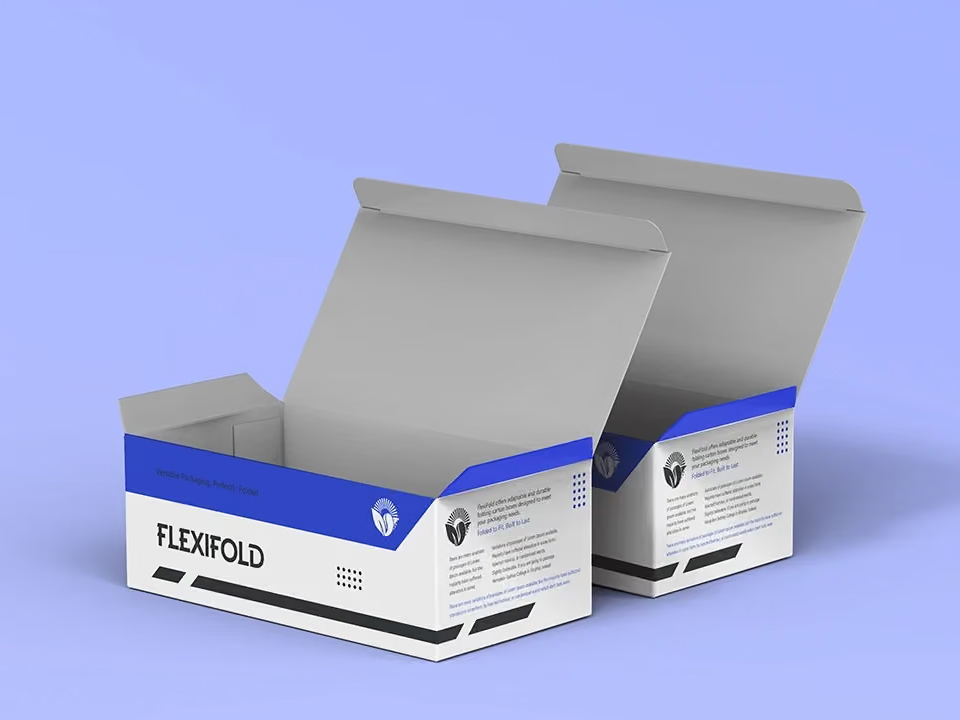
Folding carton materials are paperboard substrates engineered to be published, die-cut, scored, folded up, and glued right into cartons. Typical choices include SBS, FBB, SUS/ CUK, CRB, URB, and micro-flute board, with each grade providing a various balance of printability, stiffness, weight, recycled content, surface top quality, and converting efficiency.
The Paperboard Product packaging Council explains folding cartons as paperboard packages that generally use roughly 10-36 factor board and can be made from both virgin and recycled grades. Folding cartons additionally deliver flat, which can lower storage and transport requirements compared with stiff packaging.
That difference matters.
A folding container is not simply an economical stiff box. Its geometry, board caliper, score pattern, grain direction, coating, sticky system, and printing procedure all interact.
And the incorrect substratum can subject itself late.
Normally at the worst possible moment.
The most valuable method to compare folding carton paperboard qualities is to stop asking which one is “ideal” and ask what the container really has to do.
SBS– Solid Blonde Sulfate. SBS is a premium virgin-fiber board typically picked for top notch graphics, cosmetics, pharmaceuticals, food product packaging, and applications where a tidy white surface matters. Its smooth surface is especially beneficial when the bundle depends heavily on great typography, photographic imagery, or premium completing.
FBB– Folding Box Board. FBB is a light-weight, multi-layer paperboard building and construction developed to supply a strong stiffness-to-weight balance. It is often considered when brands desire efficient material use without compromising discussion or transforming performance.
SUS/ CUK– Unbleached Kraft Board. These grades stress toughness and a natural-fiber look. They can make good sense for drink carriers, much heavier consumer items, and product packaging where architectural performance issues more than an ultra-white print surface area.
CRB– Covered Recycled Board. CRB integrates recycled fiber and can be an attractive choice where recycled material, expense, and adequate printability are more vital than premium surface efficiency.
URB– Uncoated Recycled Board. URB is generally used where the visual needs are less hostile and recycled content or useful efficiency lugs more weight.
Micro-flute. Micro-flute includes a corrugated framework to a carton, increasing rigidity and cushioning compared to standard folding container board. It can be useful for heavier items, electronic devices, retail screens, or applications where a traditional carton feels also light.
The essential factor is uneasy yet simple: product names do not tell the whole story.
2 cartons can both be described as “paperboard product packaging” while acting extremely in a different way on a die-cutter, folding-gluer, loading line, or retail rack.
I make use of a product-first requirements instead of beginning with a favored board grade.
Five inquiries typically reveal the real demand.
A 50 g cosmetic product and a 1 kg customer product should not instantly get the exact same container requirements.
Item weight affects rigidity requirements, panel dimensions, securing framework, rating performance, and resistance to contortion.
If the bundle is largely a retail presentation tool, conventional folding container board may suffice.
If the carton should soak up impacts, stand up to piling pressure, or protect a delicate product throughout distribution, the requirements might require greater caliper or a micro-flute building.
This is where SBS and FBB often enter the conversation.
Costs graphics demand a board surface area that behaves naturally under printing and finishing. Metallic results, aluminum foil marking, embossing, spot UV, great slopes, and little type can expose weaknesses that are unseen when taking a look at a standard unprinted board sample.
Which is why “less expensive board” can become a costly choice.
A carton isn’t ended up when the artwork looks good on a screen.
It has to run.
Rating, folding, gluing, die-cutting, stripping, loading, packaging, and securing all location demands on the substratum. A spec that functions magnificently as a model can behave in a different way at production speed.
Do not deal with “recyclable” as an enough product specification.
Inquire about fiber source, recycled web content, finishings, laminations, inks, adhesives, food-contact requirements, qualification, and the actual reusing system offered in the target market.
The UK’s 2024 government packaging data, for instance, reported a recycling price of 86.4% for paper and cardboard under its reported methodology. That is useful context, however it does not suggest every finished container with every finish or composite construction will certainly behave identically in every recycling stream.
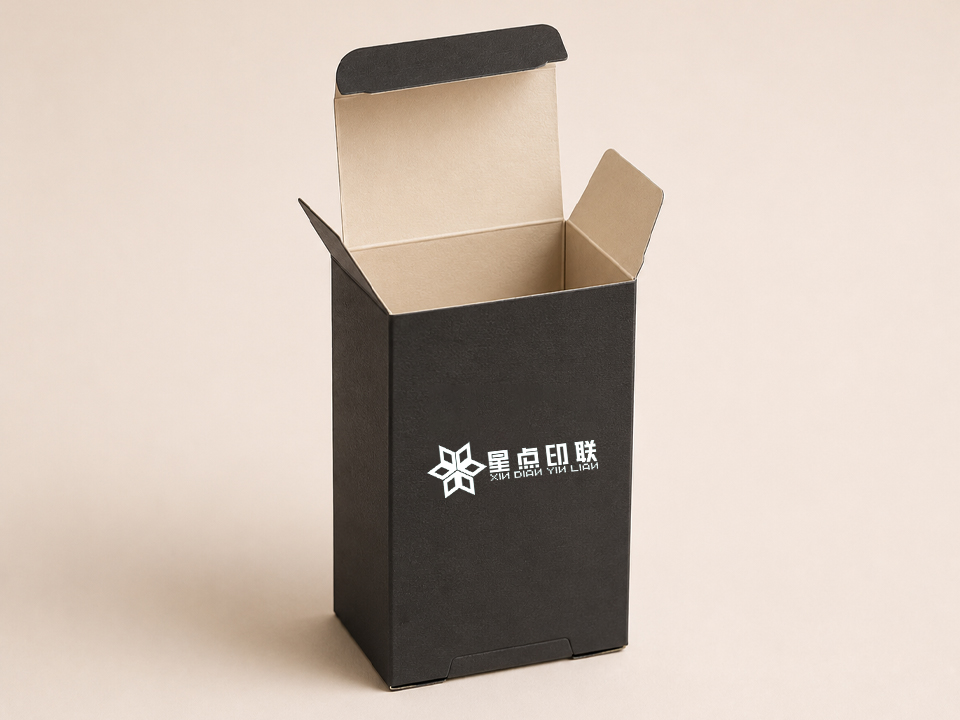
SBS and FBB are both widely used virgin-fiber choices, yet they are enhanced in a different way.
SBS is frequently picked when surface top quality and costs graphics control the spec. FBB is frequently attractive when brand names desire a strong equilibrium in between rigidity, light-weight building and construction, print efficiency, and material effectiveness.
Neither is automatically the appropriate response.
Think about the carton measurements. Think about the item weight. Consider the print procedure. Take into consideration the surface. After that take into consideration cost.
A valuable starting comparison resembles this:
| Element | SBS | FBB | CRB | SUS/ CUK | Micro-flute |
|---|---|---|---|---|---|
| Costs white surface | Excellent | Very good | Moderate | Low/natural | Moderate |
| Publish top quality | Excellent | Superb | Excellent | Great | Good |
| Stiffness-to-weight | Excellent | Outstanding | Excellent | Superb | Outstanding |
| Recycled web content possibility | Normally reduced | Varies | High | Normally virgin fiber | Differs |
| Premium completing | Exceptional | Excellent | Good | Moderate | Modest |
| Heavy-product security | Moderate | Great | Excellent | Outstanding | Excellent |
| All-natural appearance | Reduced | Reduced | Modest | Superb | Modest |
| Typical positioning | Premium retail | Efficient costs retail | Value/recycled packaging | Strength-focused product packaging | Protective/retail packaging |
These are basic material features, not purchasing specifications. Real performance relies on board producer, caliper, coating, container geometry, transforming process, and end usage.
Thicker does not instantly imply much better.
That is one of the product packaging market’s more relentless faster ways.
Enhancing caliper can improve stiffness, however it can also influence creasing, folding, container measurements, product intake, shipping weight, and equipment efficiency. A clever structural style can sometimes deliver the needed efficiency with a lighter board than a crude “make it thicker” technique.
The European folding carton sector’s 2023 carbon-footprint research study reported an industry-average footprint of 249 kg CO ₂ e per tonne of printed cartons on a cradle-to-grave basis and 148 kg carbon monoxide TWO e per tonne on a cradle-to-gate basis, while reporting a 24% reduction in the measured footprint given that 2018.
The effects is worth taking notice of: material performance is not simply a procurement concern. It can enter into the ecological specification.
Metsä Board’s 2023 sustainability coverage similarly stressed light-weight paperboard and resource-efficient manufacturing as systems for lowering product packaging product usage and linked effects.
So when a vendor suggests a much heavier board, ask one unfashionable concern:
Why?
If the solution is architectural performance, quantify it. If the response is merely “it feels more secure,” examination the style.
Sustainability cases become worthless when they are removed from the whole package.
A carton made from recycled board might lower virgin-fiber demand, but publish quality, stamina, smell, sanitation, food-contact viability, and accessibility still issue.
A light-weight virgin-fiber carton may use much less worldly total than a larger recycled building. A recyclable carton can still create problems if it has finishings, laminations, or parts that complicate recuperation.
There is no global “greenest board.”
The far better inquiry is: Which specification provides the needed function with the most affordable practical product and environmental concern?
A beneficial sustainability list includes:
This is where real-world evidence gets fascinating. A 2023 Paperboard Packaging Council honor case involving a pharmaceutical folding carton utilized 18-point SBS and a multi-layered recyclable construction while integrating structural defense and tamper-evident attributes. The lesson isn’t that SBS is globally exceptional; it is that material choice needs to be evaluated along with the product’s governing, architectural, printing, and customer needs.
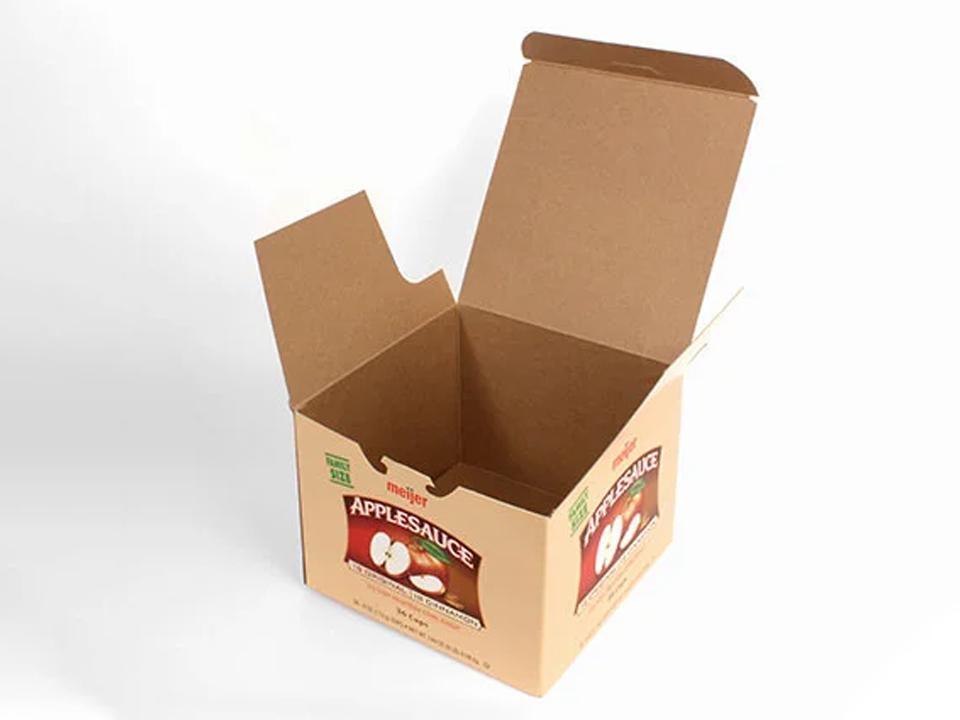
Occasionally the correct response is not a various paperboard quality.
It is a various packaging style.
For premium gifting, electronic devices, devices, high-end items, or items where the unboxing experience lugs substantial brand worth, inflexible packaging might offer structural and discussion advantages that a traditional folding carton can not replicate financially.
As an example, a retractable inflexible present box with magnetic cover and handle offers a very different packaging short from a basic folding container.
Also, a larger item may gain from a collapsible magnetic gift box for automobile devices where strength and discussion become part of the requirements as opposed to incidental attributes.
The exact same principle applies to point-of-sale applications. A published charcoal face mask corrugated counter screen box is addressing a merchandising and screen trouble as well as a packaging trouble.
This is why I would certainly never define a material before defining the task.
Product packaging material is a design input.
It is not a visual second thought.
A carton that requires CMYK printing is one thing.
A carton calling for metallic aluminum foil, embossing, debossing, place UV, matte covering, tactile coatings, or extremely fine message is one more.
The a lot more hostile the ending up specification comes to be, the more crucial the board surface and transforming qualities become.
For a deluxe discussion, packaging may also call for architectural components that exceed traditional folding containers. A foil logo ribbon closure phone device stiff present box highlights just how finishing, closure layout, and regarded item value can enter into one product packaging specification.
For fashion or charm items, structural discussion can be similarly crucial. A coral inflexible home window cabinet underwear box with bow pull is essentially various from a product container although both ultimately have a product.
That distinction needs to appear in the initial product packaging quick.
Not after the artwork is authorized.
Before accepting a folding container material, I would desire solution to these inquiries:
If those questions have actually not been addressed, the material choice is early.

The very best product for folding carton boxes is the paperboard quality that satisfies the product’s required mix of tightness, print top quality, security, transforming efficiency, sustainability, and expense. SBS often suits superior graphics, FBB balances stiffness and lightweighting, while recycled or kraft grades may much better fit details toughness, sustainability, or expense needs.
SBS paperboard is a virgin-fiber paperboard generally utilized when an intense, smooth printing surface area, consistent graphics, and costs ending up are essential. It is frequently specified for cosmetics, drugs, food product packaging, and other retail cartons where high-grade recreation and a clean white look belong to the package needs.
FBB is a multi-layer folding box board developed to balance stiffness, light-weight construction, printability, and product efficiency, while SBS is generally picked for its smooth white surface and premium print efficiency. The suitable option depends on container geometry, item weight, finishing, printing, manufacturing equipment, cost, and sustainability requirements.
Recycled folding carton materials can be appropriate for premium product packaging when their surface top quality, toughness, printability, finishing compatibility, and tidiness meet the requirements. The viability depends on the certain recycled grade and building and construction instead of recycled content alone, so the finished carton must be reviewed using production-relevant examples rather than board summaries.
Folding carton paperboard density need to be established by product weight, container dimensions, architectural design, rigidity demands, scoring and folding habits, delivery conditions, and production tools rather than by density alone. Typical folding carton board extends about 10-36 points, however the suitable caliper differs significantly by application and building.
Folding cartons are normally paperboard product packaging designed for recovery with paper and cardboard recycling systems, however actual recyclability relies on the finished construction and regional collection and processing infrastructure. Coatings, laminations, windows, foils, adhesives, and various other parts can impact just how a certain plan is managed after use.
Choose paperboard for product packaging by very first defining product weight, protection requirements, carton measurements, printing and ending up demands, production-line problems, governing needs, sustainability targets, and price. Then contrast appropriate qualities such as SBS, FBB, CRB, URB, SUS/CKU, or micro-flute and confirm the selected board in the actual container framework.
The appropriate folding carton material is not the board with the highest specification sheet.
It is the board that fixes the real packaging trouble.
For a premium cosmetic carton, that may mean outstanding surface area high quality and ending up efficiency. For a food, compliance and dampness resistance might dominate. For a heavy customer item, tightness and structural stability can outweigh look. For a sustainability-led brand, recycled web content and material performance may be main to the brief.
And often the answer is not a folding container in any way.
If the package requires a more substantial premium structure, discover a printed collapsible magnetic present box for trail-running equipment or a published rigid drawer gift box for obstacle redemption cards.
The tough reality is that product choice should take place prior to the box ends up being artwork.
Define the item. Specify the misuse. Specify the rack presentation. Specify the manufacturing procedure. Then pick the substrate.
That is how you obtain a carton that looks excellent and survives the real life.