-
Business Email info@xdpackaging.com
-
Hotline +86 135 3401 0101
-
Factory Address Xinfa Group Industrial Building, Gushu 1st Road, Shenzhen
Custom Paper Tea Boxes for Branded Tea Collections
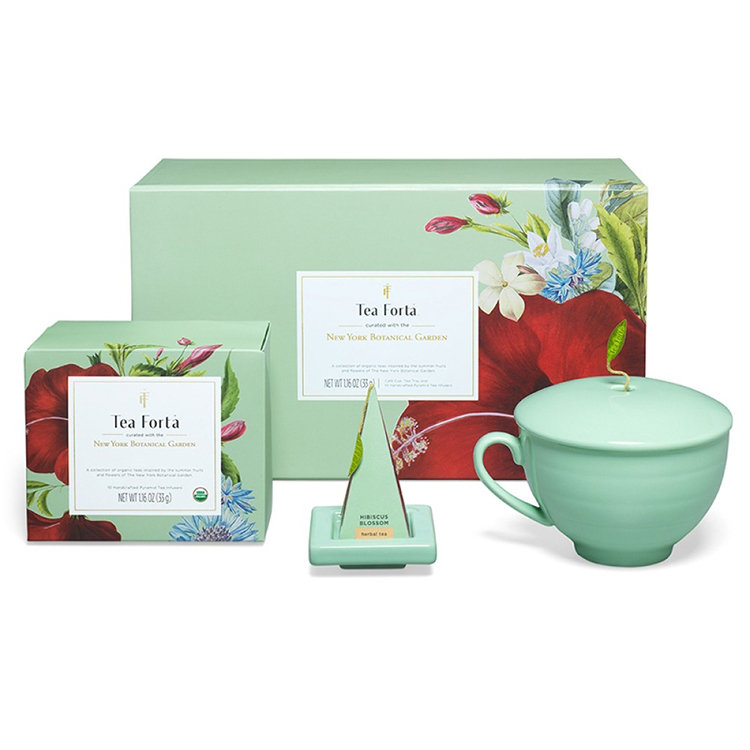
Custom paper tea boxes are paperboard packages designed around a specific tea brand, product, and retail format. They can present tea bags, sachets, sealed loose-leaf pouches, or tins while carrying brand colors, product details, and brewing information. The box normally surrounds—not replaces—the food-safe inner package.
What Are Custom Paper Tea Boxes?
These boxes are made-to-order secondary packages that protect, organize, and present tea products inside a printed paperboard structure. Unlike a generic stock carton, each package can be sized and designed for one product, a variety of tea, or a coordinated collection.
The specification can cover the logo, colors, artwork, product detail, ingredients, brewing instructions, shape, finish, and opening method.
Custom Rigid Tea Gift Boxes with Tailored Inserts
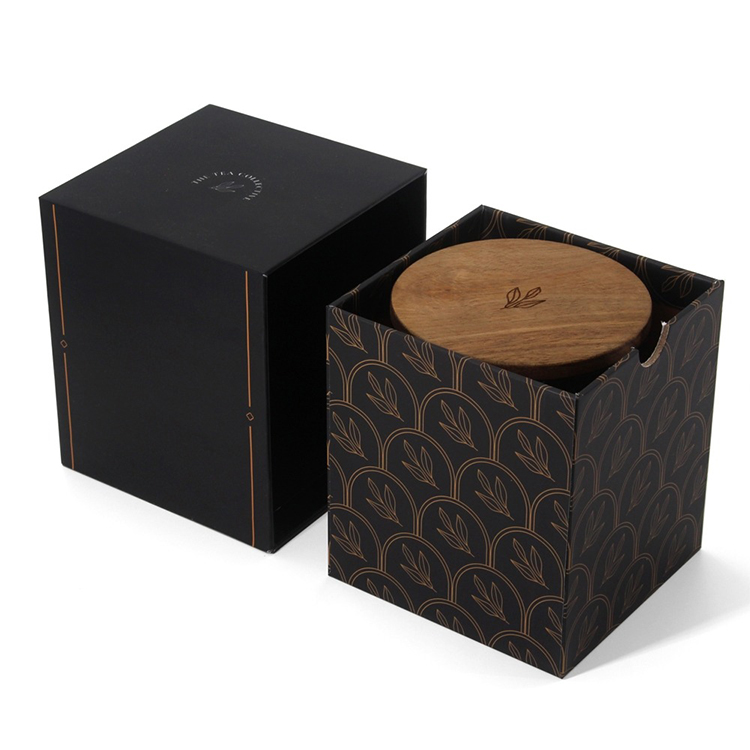
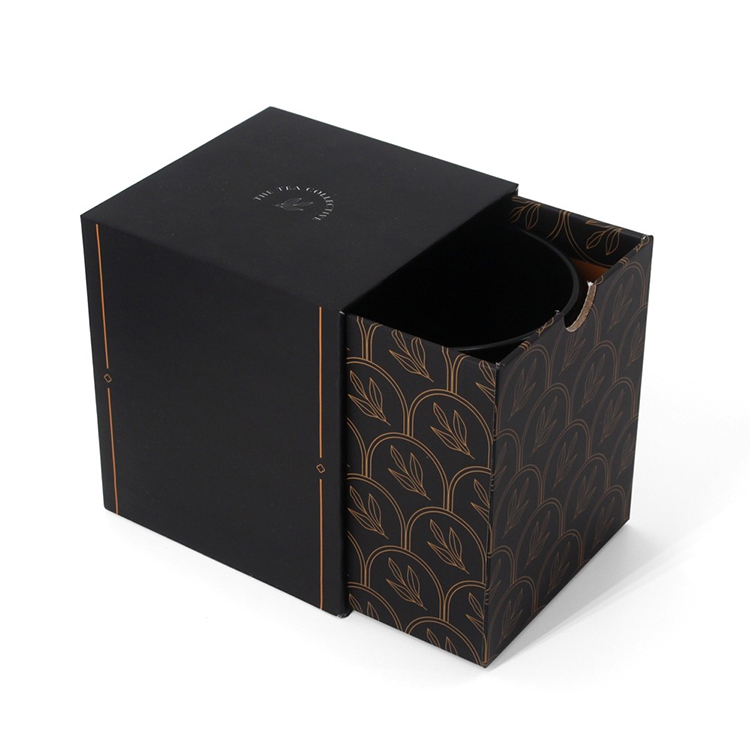
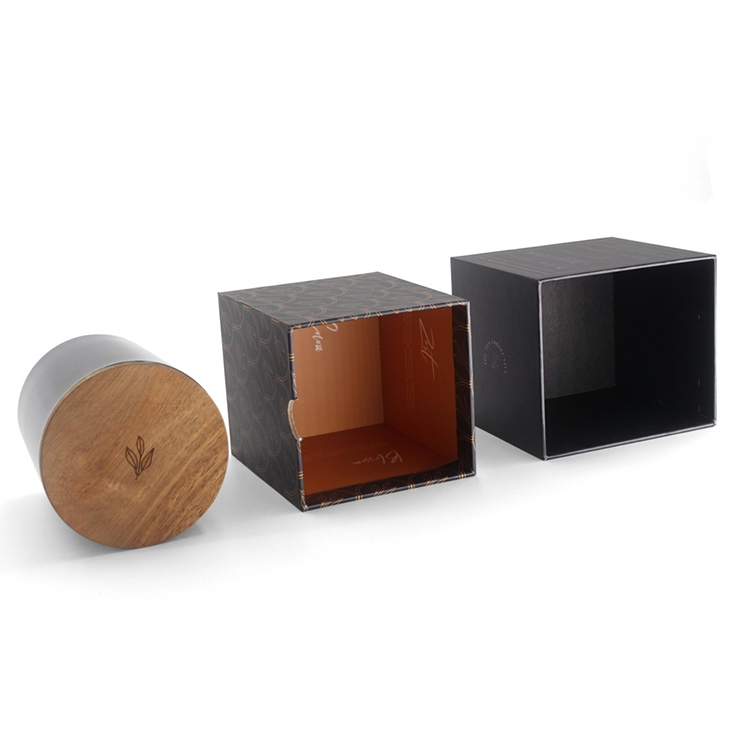
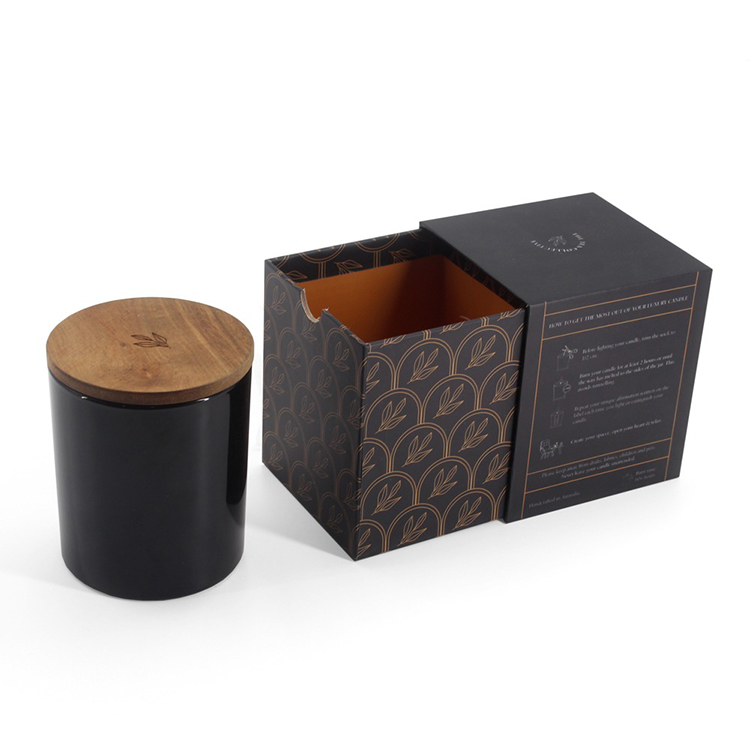
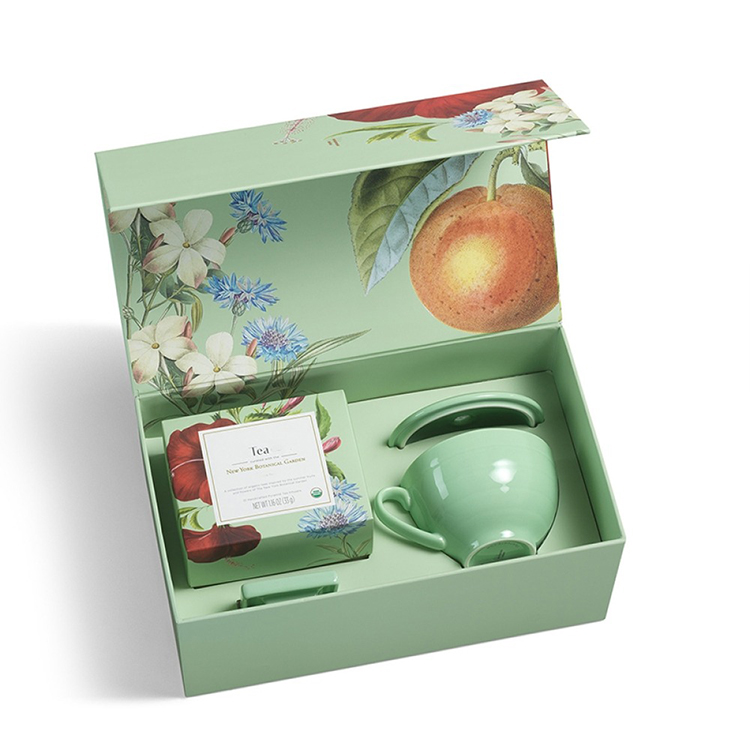
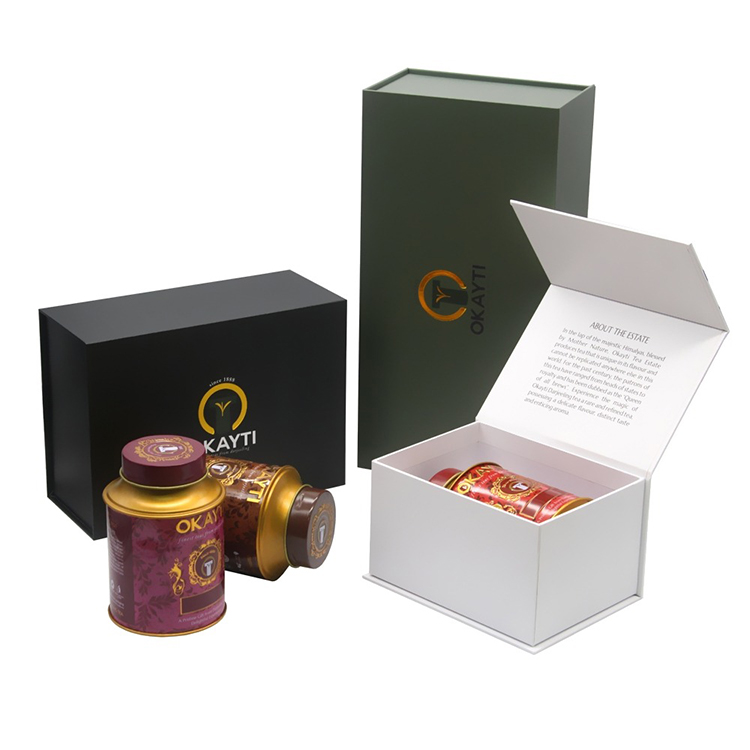
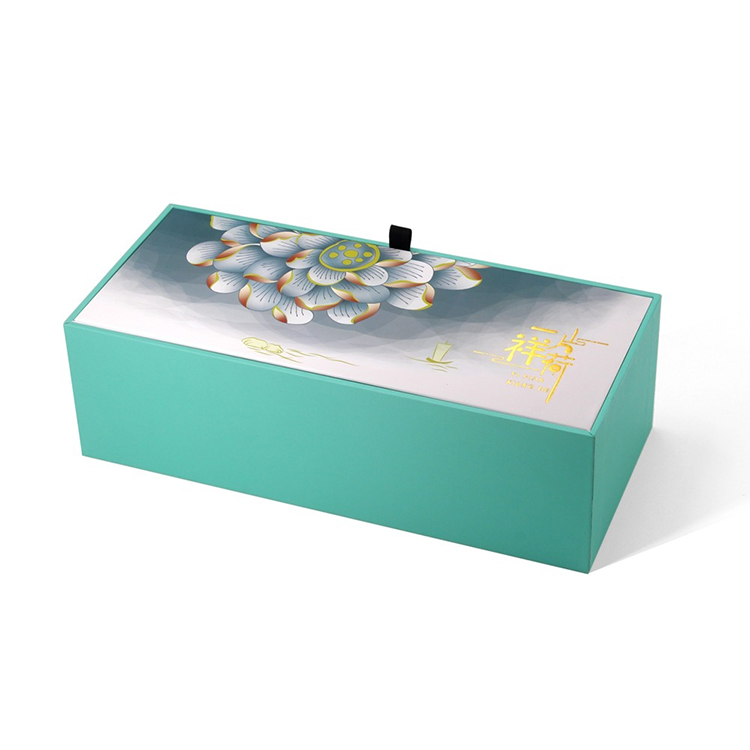
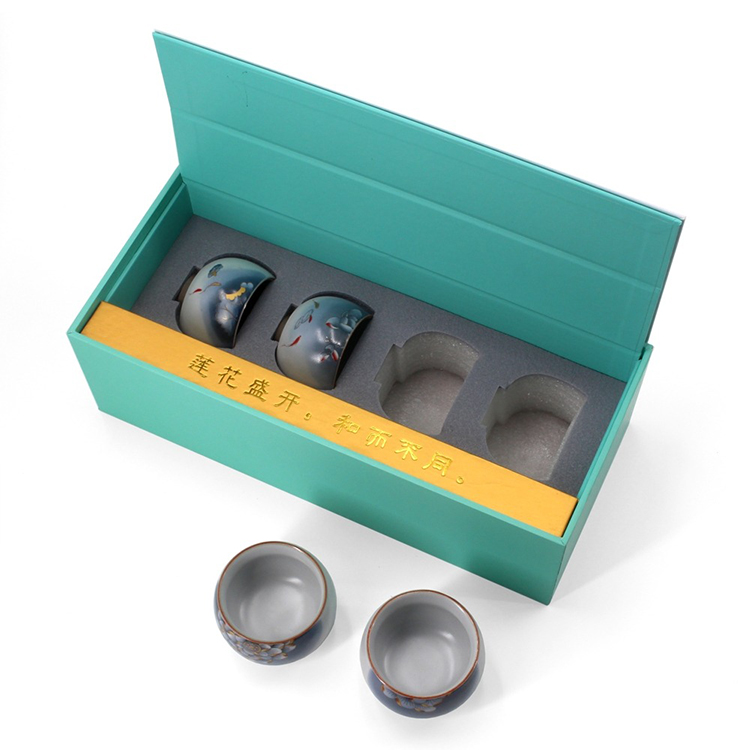
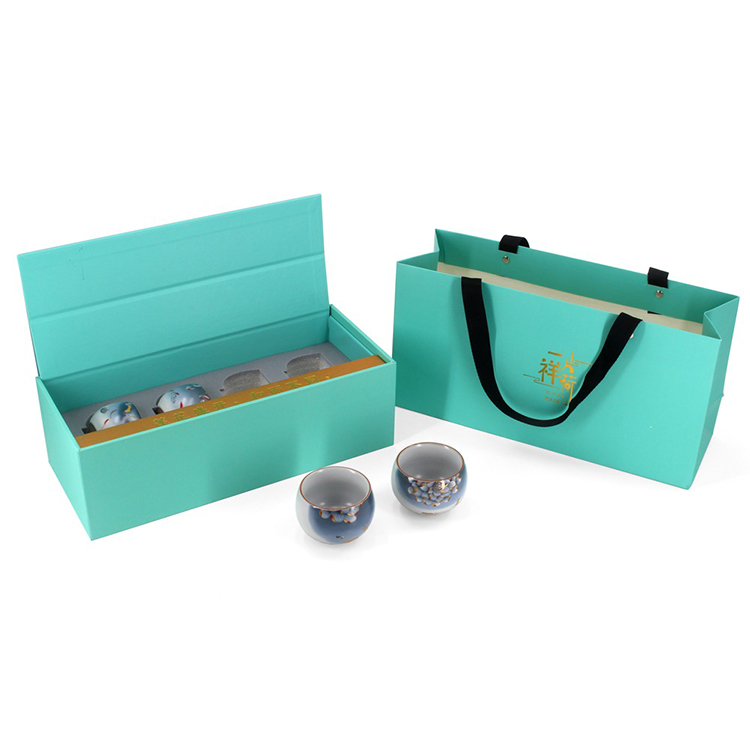
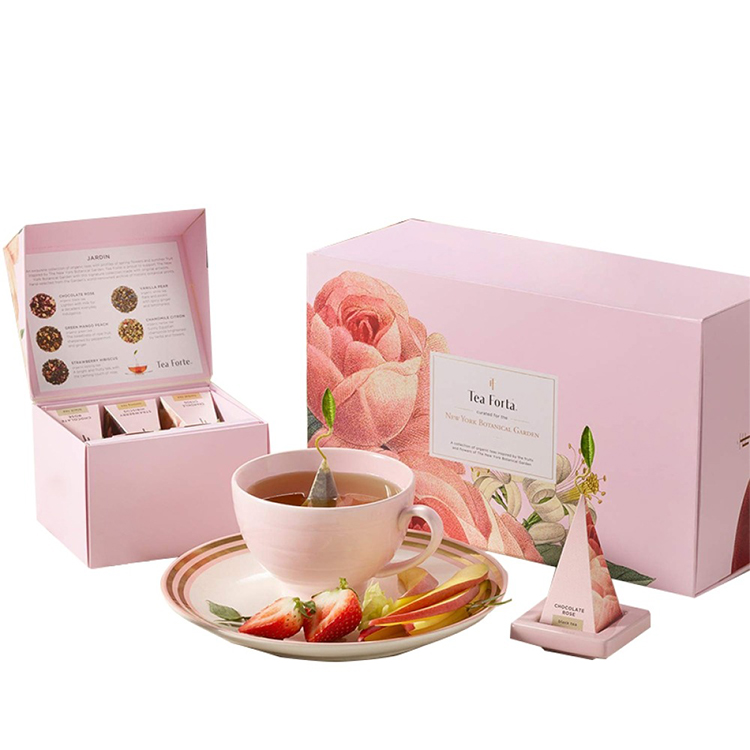
Explore custom printed tea gift boxes in hinged-lid, magnetic-closure, and drawer styles. Tailored inserts organize tea bags, tins, jars, and canisters while creating a refined branded presentation.
Which Tea Products Can These Boxes Hold?
Paperboard packaging can hold individually wrapped tea bags, sachets, sealed pouches, and tea tins. The layout depends on the inner container, unit count, orientation, filling method, and display plan.
- Everyday retail: folding cartons for a single black tea, herbal tea, or caffeine-free blend.
- Loose leaf: cartons sized around sealed inner pouches.
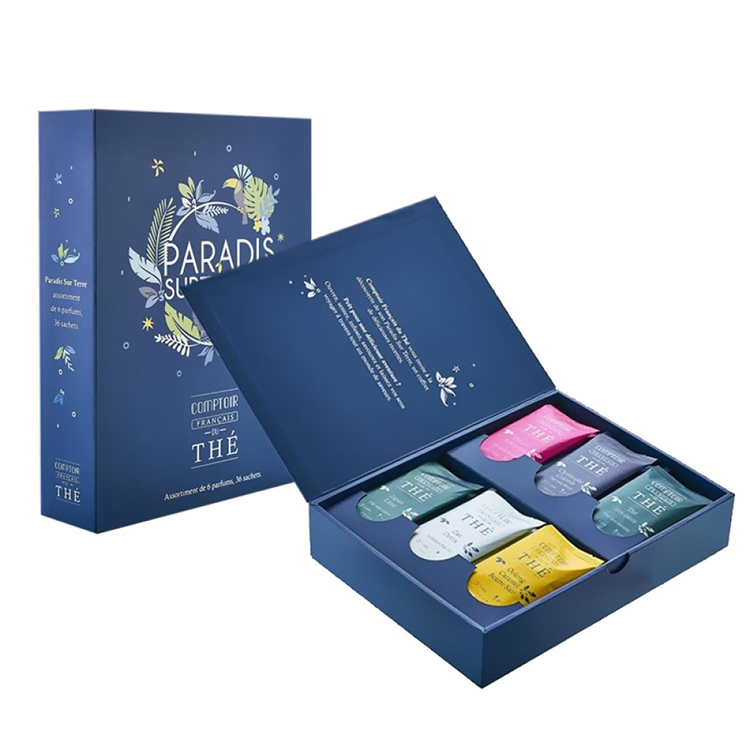
- Assortments: divided packs that organize several flavors or a variety of tea bags.
- Gifts and subscriptions: premium presentation boxes for curated sets, accessories, or seasonal launches.
- Private label: coordinated formats for multiple SKUs within one visual system.
Popular Tea Box Styles for Retail and Gifts
Four common structures cover most retail, promotional, and gift applications: folding cartons, drawer boxes, window boxes, and rigid gift boxes.
- Folding cartons ship flat before packing and suit efficient retail runs.
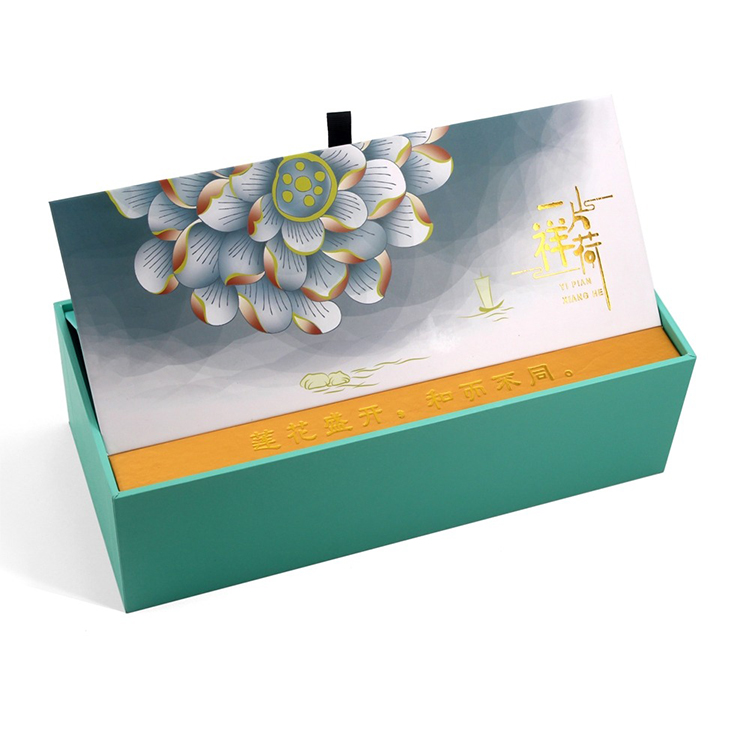
- Drawer boxes create a smooth sliding reveal and an upscale unboxing sequence.
- Window boxes add visibility when seeing the inner packs helps buyers select.
- Rigid gift boxes provide a substantial structure for luxury sets and special editions.
Select the style for the product, packing process, distribution route, shelf environment, and opening experience.
Sizes, Inserts, Dividers, and Opening Styles
Dimensions and internal components should be engineered around the packed product, not estimated from the tea weight alone. Share inner-pack measurements, tolerances, count, orientation, and any space needed for instructions or accessories.
Paperboard inserts can hold sachets in rows, stabilize a tin, or separate a delicate product from an accessory. Dividers can create flavor groups and keep an assortment orderly during transit and presentation. Depending on the format, opening options may include tuck ends, sleeves, drawers, hinged lids, lift-off lids, or magnetic closures.
Before production, confirm the dieline, dimensions, fill direction, closure, and prototype fit to prevent movement and awkward packing.
Printing and Finishes That Build a Tea Brand
Printing turns the carton into a recognizable brand surface and a practical information panel. Use a clear hierarchy for the logo, tea type, flavor, quantity, ingredients, preparation steps, and required product statements.
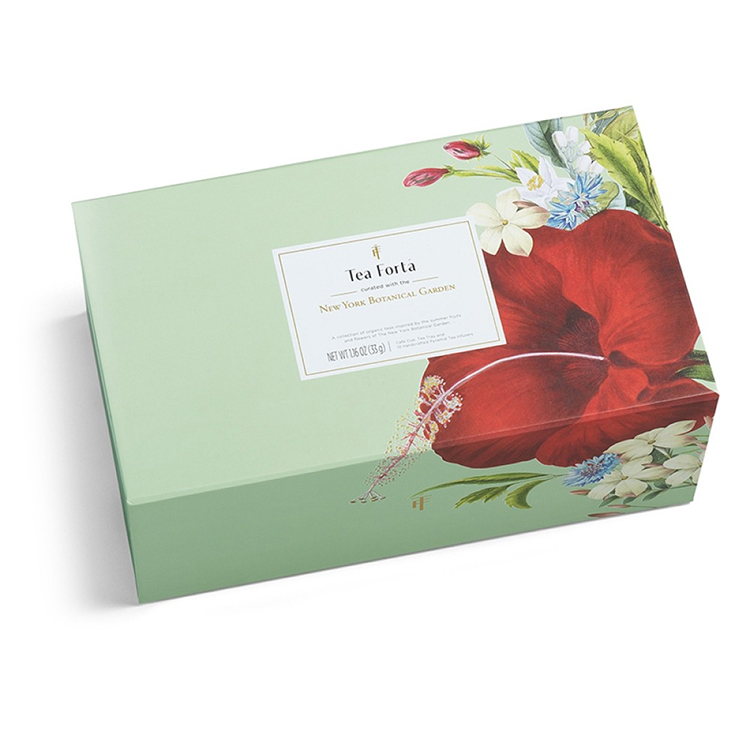
Color can distinguish organic tea, wellness, and seasonal ranges within a consistent design. Artwork may be decorative, minimalist, or illustration-led, but it should remain legible at retail size.
Available finishes may include matte or gloss treatments, foil accents, embossing, debossing, and spot effects, subject to supplier capabilities. Request a proof when color or fine detail is critical.
Food-Safety and Responsible Paperboard Considerations
The paper box is normally secondary packaging; tea should remain sealed in an appropriate food-safe pouch, sachet, wrapper, or tin. The outer carton should not be treated as the primary barrier unless its complete material system is verified for the intended direct-contact use.
If any component may contact the product, request documentation for the exact construction and market. Requirements depend on materials, intended use, and jurisdiction.
Recyclable or responsibly sourced paperboard options may be available. Confirm the board grade, coatings, local disposal route, and supporting [certification] before making recyclable, certified, compostable, or “eco-friendly” claims on the packaging.
Why Businesses Choose Custom Tea Packaging
Purpose-built packaging helps a business align protection, packing, shelf presence, and information. A right-sized structure can reduce movement, while inserts make assortments easier to organize.
Consistent graphics help customers navigate a range without losing each blend’s identity. The package can support:
- clear differentiation between varieties and pack sizes;
- an attractive, gift-ready presentation;
- space for brewing guidance and product information;
- a repeatable format across launches and seasonal editions.
What styles of custom tea boxes are available?
Tea boxes can use folding-carton, two-piece, sleeve, hinged-lid, magnetic-closure, or drawer structures. Rigid boxes suit gift sets and presentation-focused collections, while paperboard cartons offer a lighter option for retail products. The best structure depends on the contents, sales channel, and intended opening experience. View common structure options.
Can tea boxes be made for tea bags, tins, jars, and canisters?
Yes. A box can be sized around individually wrapped tea bags, loose-leaf tea containers, tins, jars, canisters, or multi-flavor gift sets. The dimensions should account for the primary containers, wrapping, accessories, and the space required for practical packing and removal.
Which type of insert should I choose?
The insert should match the weight, shape, and arrangement of the contents. Paperboard dividers organize tea bags and sachets, molded pulp provides a formed paper-based tray, and foam can accommodate jars or detailed canister shapes. Custom inserts help hold products in position and create an orderly presentation. See typical insert applications.
How can custom tea boxes be printed and finished?
Boxes can feature exterior or interior artwork, logos, product information, preparation instructions, and barcodes. Available decorative approaches may include matte or gloss lamination, foil stamping, embossing, debossing, and spot UV. Each finish should be selected according to the box material, artwork, budget, and desired presentation.
What information should I provide for a custom quote?
Send the box dimensions or product measurements, container type, number of items, preferred arrangement, target quantity, box style, material direction, printing requirements, finishes, delivery destination, and required date. Photos, technical drawings, or physical samples can help clarify unusual shapes. Ask the manufacturer to confirm its minimum order quantity, sampling process, and production schedule.
Custom Tea Box Packaging: Frequently Asked Questions
Find clear answers about tea box styles, product fit, protective inserts, printing options, finishes, and the information needed to request a custom quote.