Boxes by Industry: Packaging for Every Industry

Industry-focused packaging matches box construction, materials, dimensions, and presentation to a product’s real risks, from moisture and crushing to static, privacy, storage, and transit. The right packaging solution protects goods, supports efficient packing, and gives buyers a practical balance of performance, cost, and brand impact.

What Is Industry-Specific Packaging, and Why Does It Matter?

Industry-specific packaging matches structure and packaging material to a product’s specific needs, channel, handling, and hazards. One type of box will not suit chilled meals, circuit boards, and glass bottles.

Corrugate is a multi-layer board with a fluted sheet between liners; corrugated cardboard sheets become many shippers. Paperboard is thinner and often becomes a retail carton. A container can hold the product or form the outer pack.

Across various industries, standard formats simplify buying, while custom packaging boxes improve fit. The packaging industry has no universal perfect packaging; specify product, route, storage, and presentation first.


Custom Packaging Examples for Every Industry

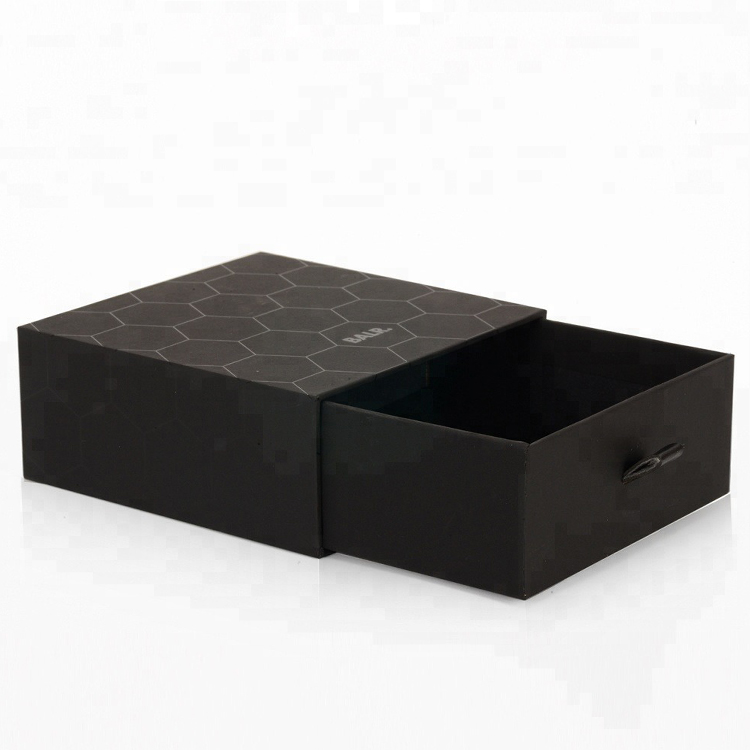
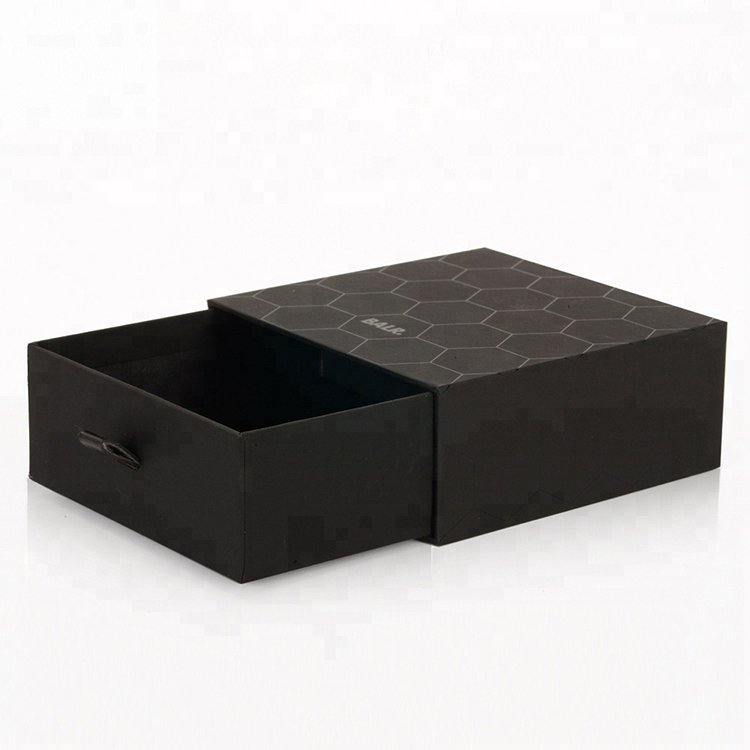
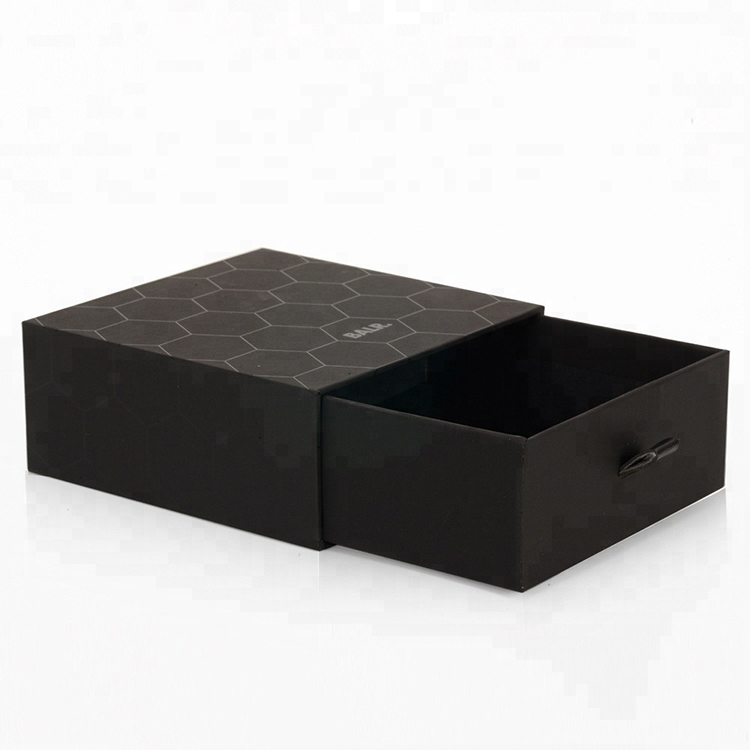
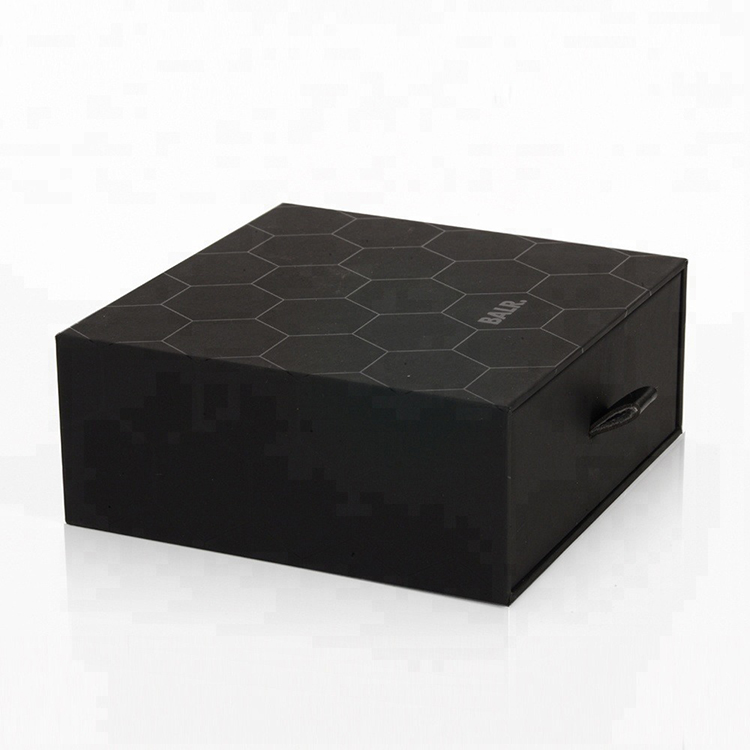
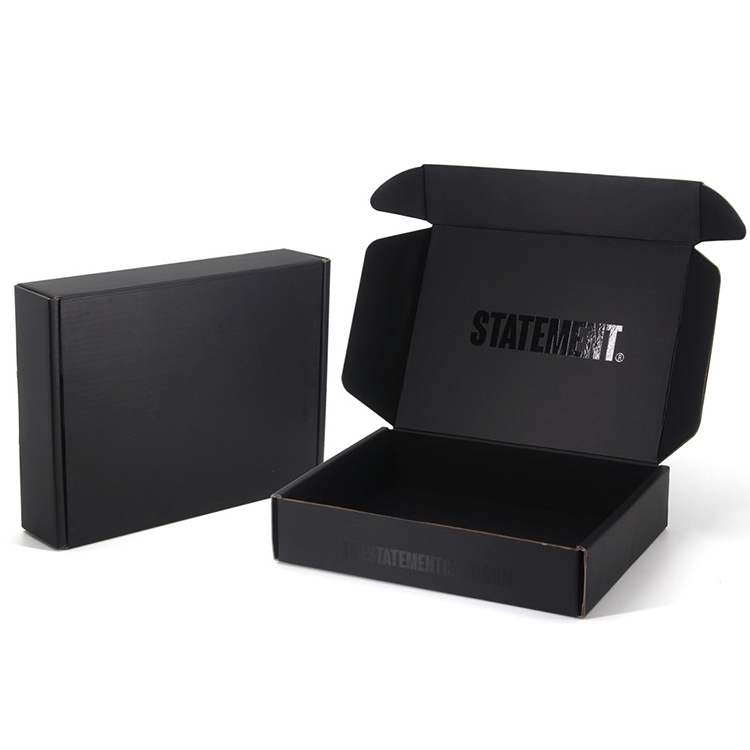
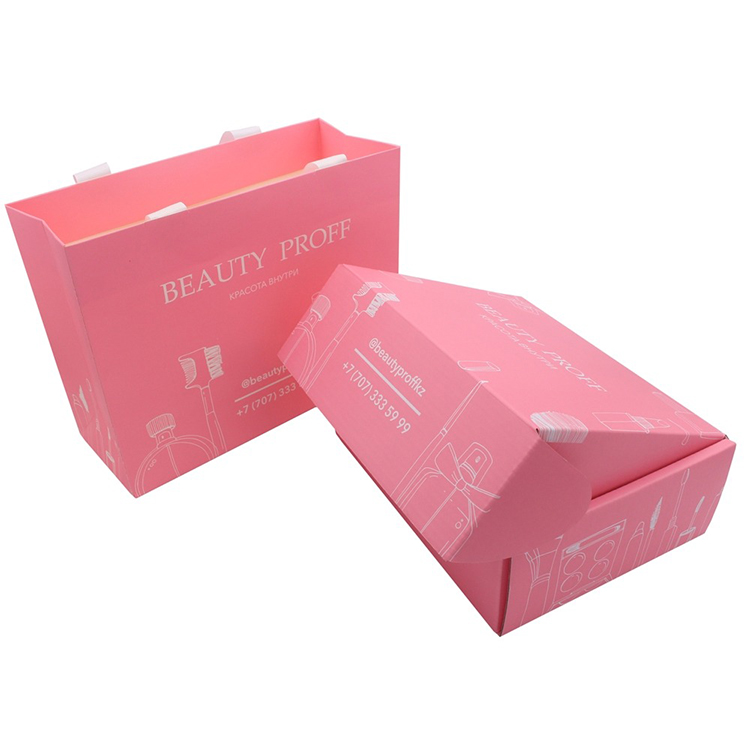
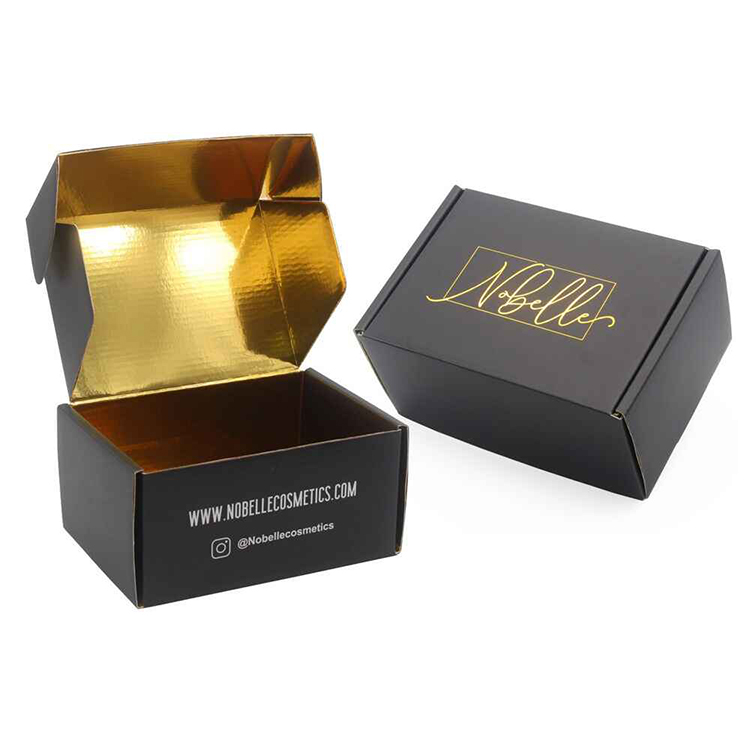
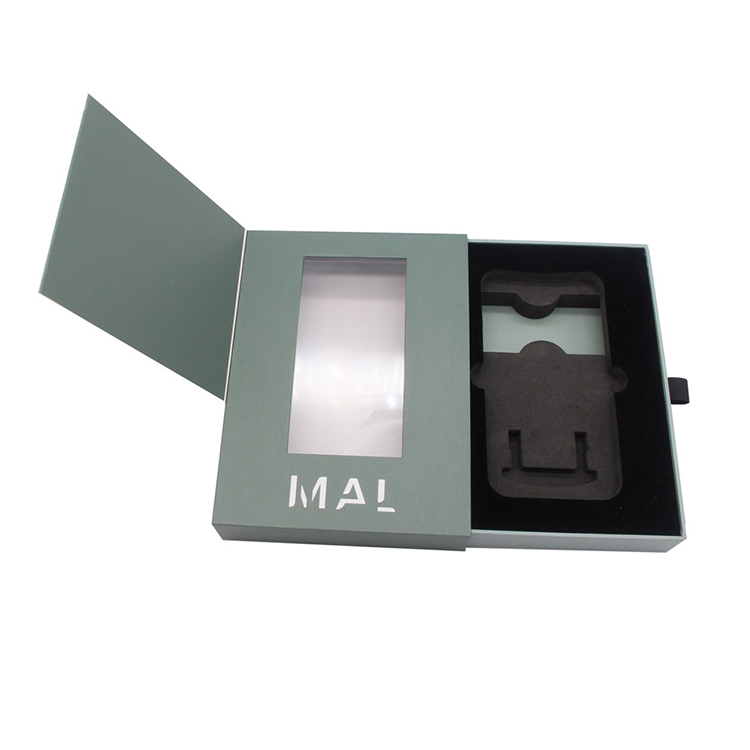
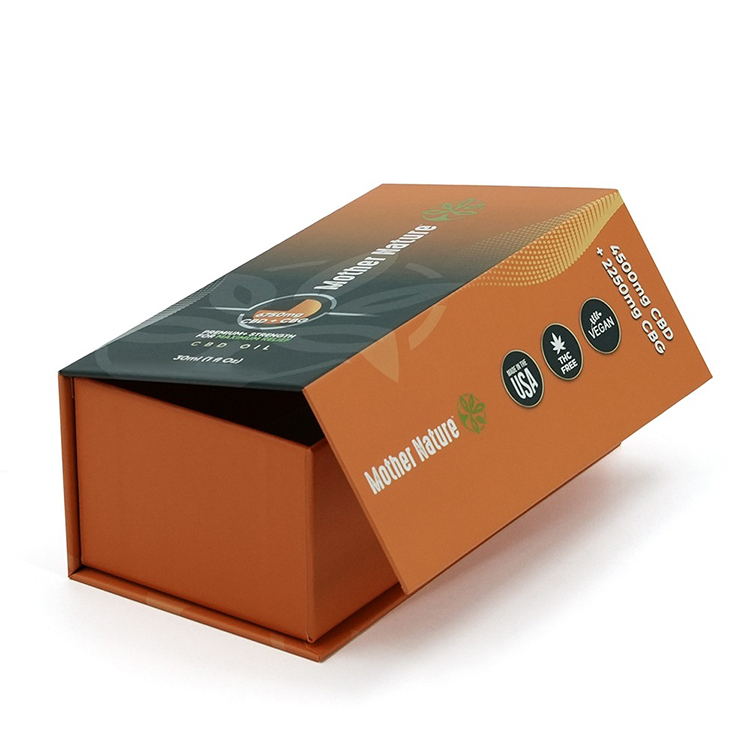
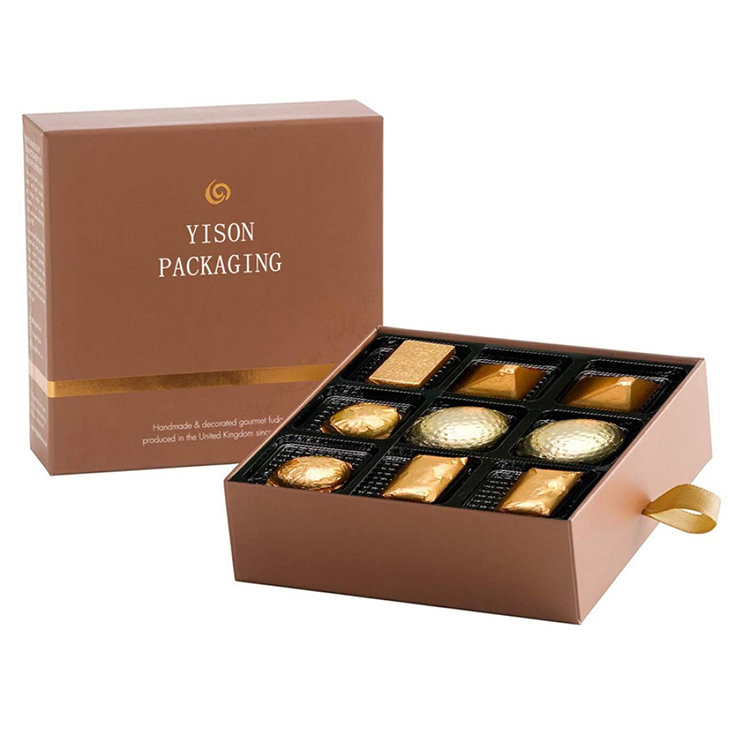
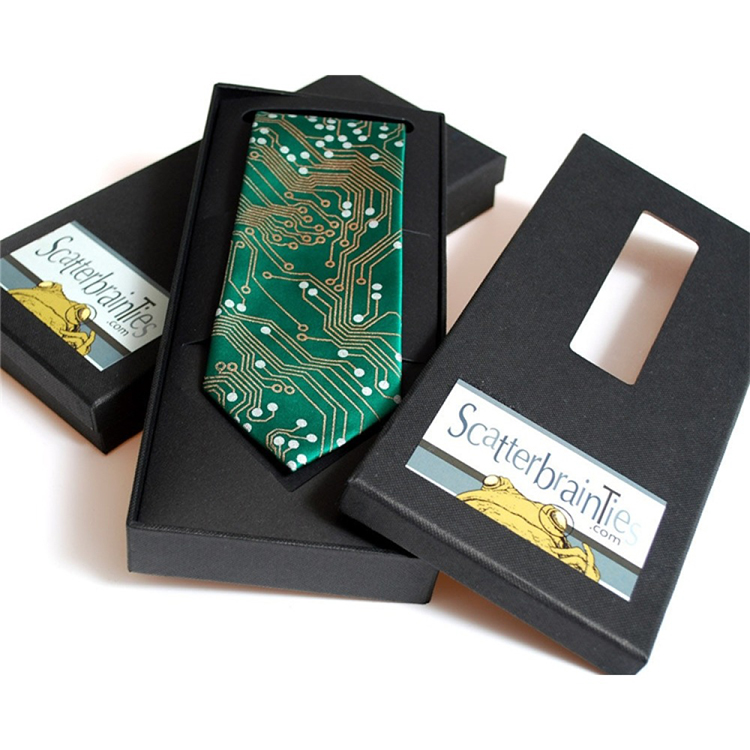
Explore custom mailer boxes, rigid gift boxes, magnetic-closure boxes, drawer boxes, and window packaging for fashion, cosmetics, food, electronics, and more. Compare structures, inserts, printing, and finishes to find the right starting point for your product.

Which Corrugate Packaging Works for Food and Beverage Products?

Food and beverage packs should manage moisture, temperature, weight, ventilation, and stacking for intended storage purposes. Produce may need vents, bottles need dividers, and baked goods need trays or coated boxes.

Material choice depends on direct contact and conditions of use. A kraft outer pack can add strength, but food-contact suitability must be assessed for every component, including coatings, inks, and adhesives. Boxes are made for direct contact only when the materials and use meet applicable requirements.

Which Ecommerce Mailer Boxes Improve Fulfillment and Transit Protection?

Online-order packs should assemble quickly, store efficiently, and limit movement. Regular slotted containers are versatile shipping boxes, while mailer boxes suit smaller goods and subscriptions.

Review boxes and shipping workflows together: closure, void fill, picking, labels, returns, and pallets. A close fit can hold items securely, protect your products, and help operators ship products safely. A return flap can improve customer experience; inside print and a logo can leave a lasting impression through the unboxing experience.

What Custom Packaging Features Support Pharmaceutical and Healthcare Products?

Healthcare packs should preserve product integrity, show interference when tamper evidence is required, and shield private information during delivery. A printed carton can organize instructions; an opaque, durable outer shipper can reduce unintended visibility.

Child-resistant features apply to certain regulated products and must be evaluated under the relevant law; a box alone does not establish compliance. Packaging supports secure handling when materials, closures, labeling, validation, and quality controls match the product and industry standards.

What Corrugated Box Design Protects Electronics and Technology?

Electronics packs should immobilize parts, absorb shock, and safeguard ESD-sensitive products with correctly specified static-control components. Plain fiber packing is not automatically static protective.

Use a fitted insert to separate devices, cables, and accessories. Heavier products may require double-wall custom corrugated structures or corrugated material selected for strength and durability. Validate performance against packed weight, drops, vibration, stacking, and the shipment route.

How Do Rigid Boxes and Folding Cartons Express Brand Identity?

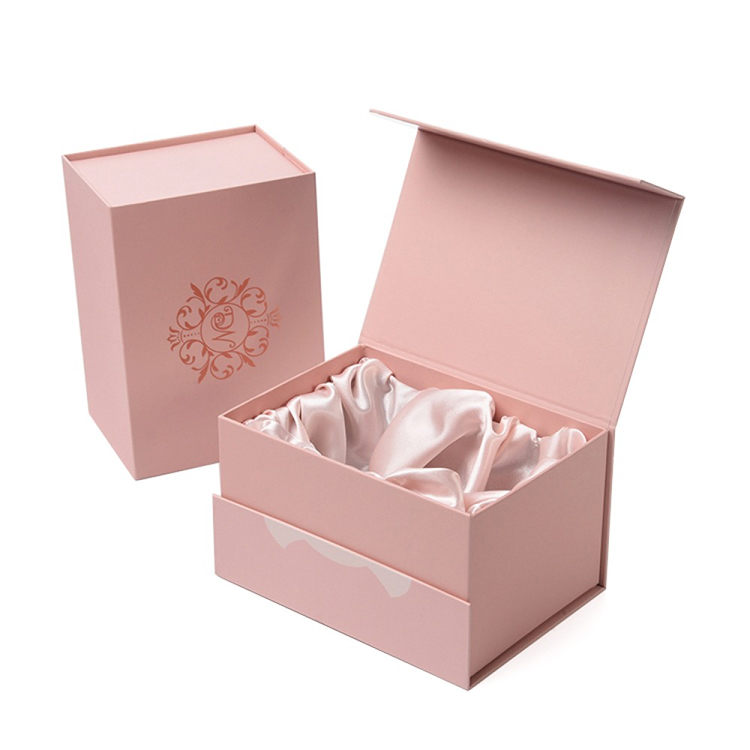
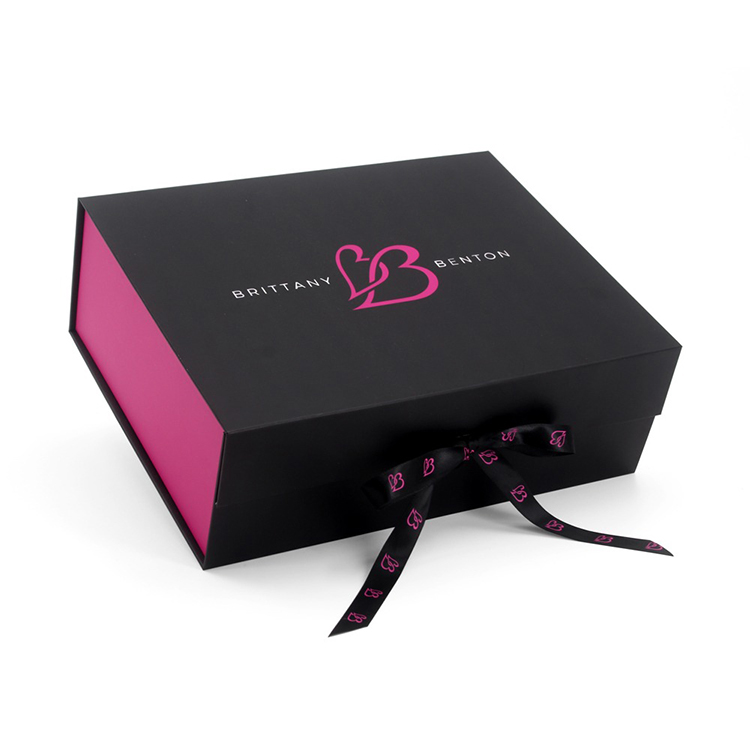
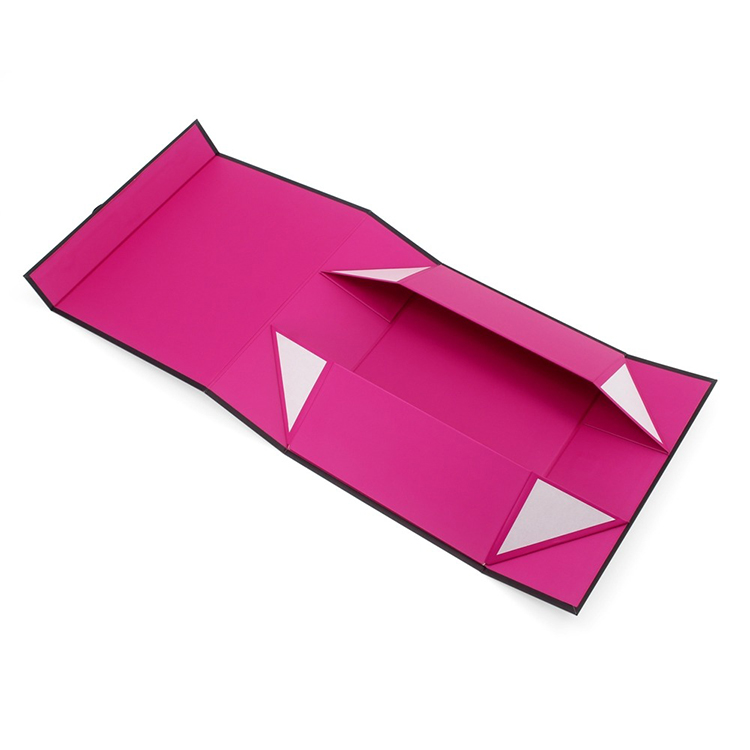
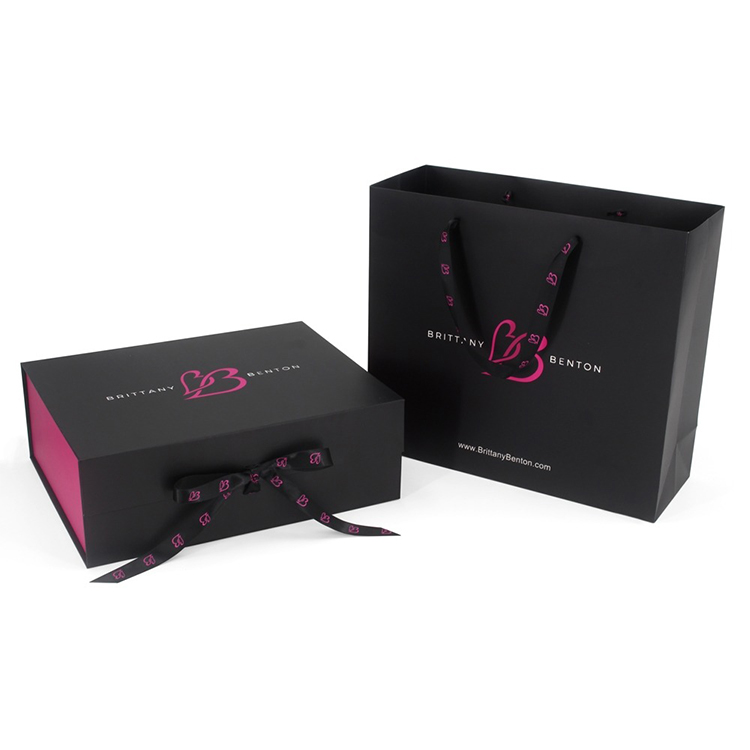
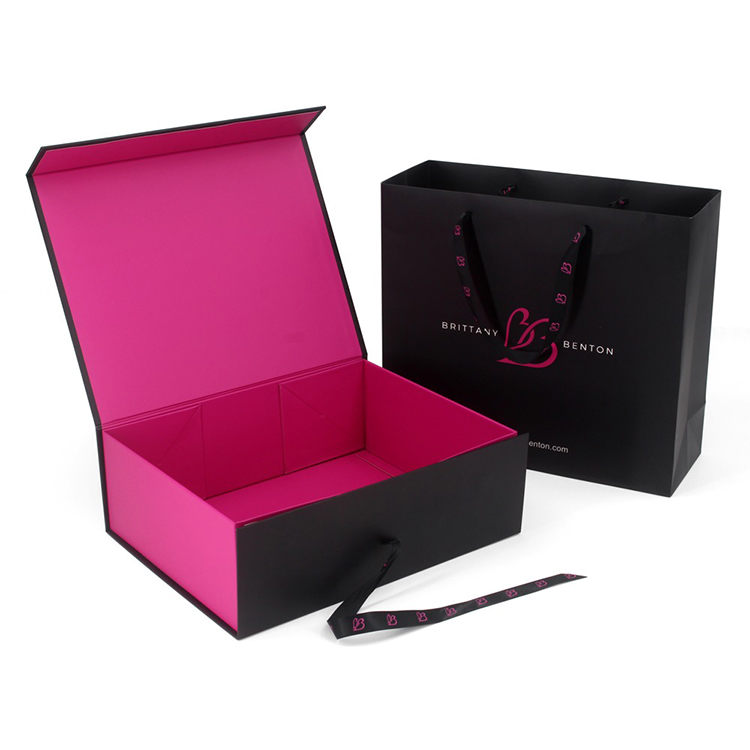
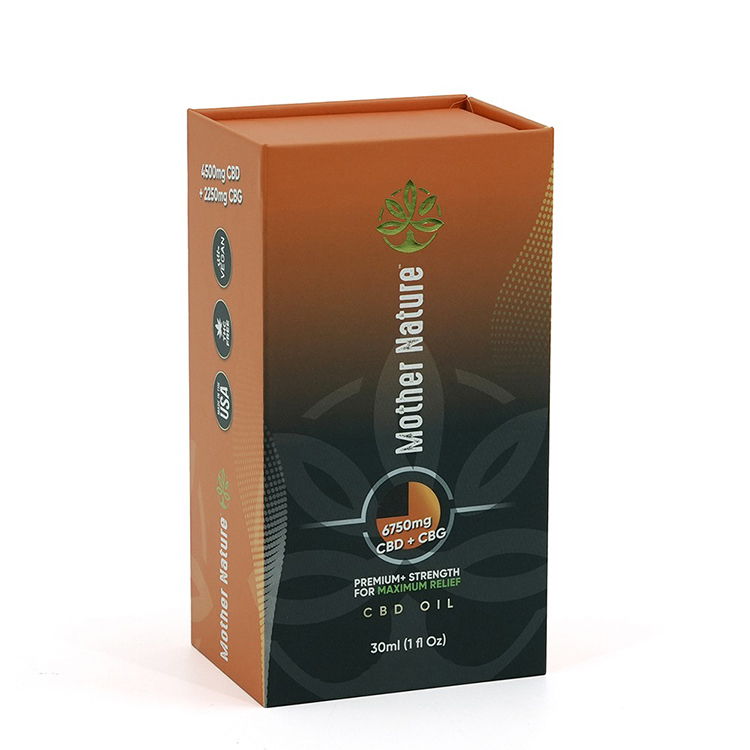
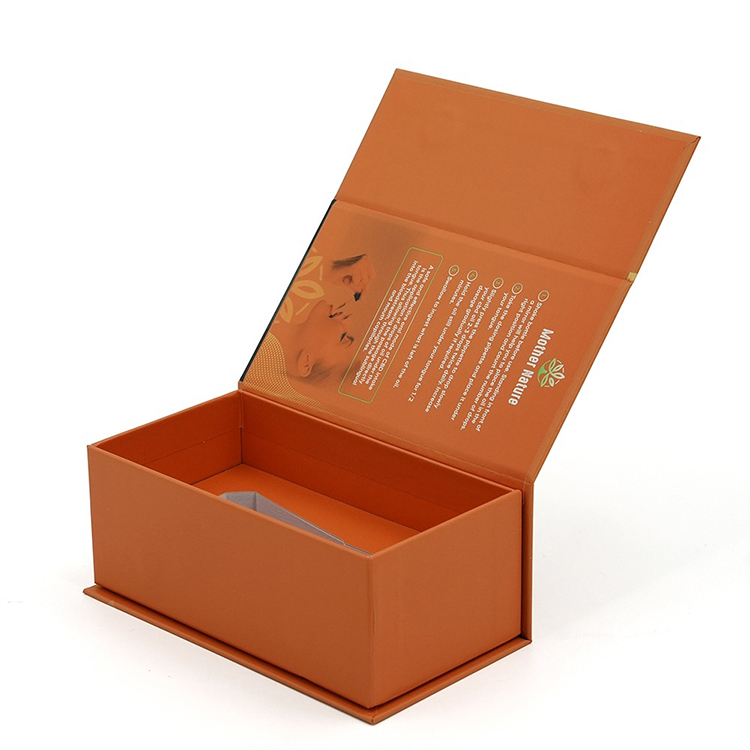
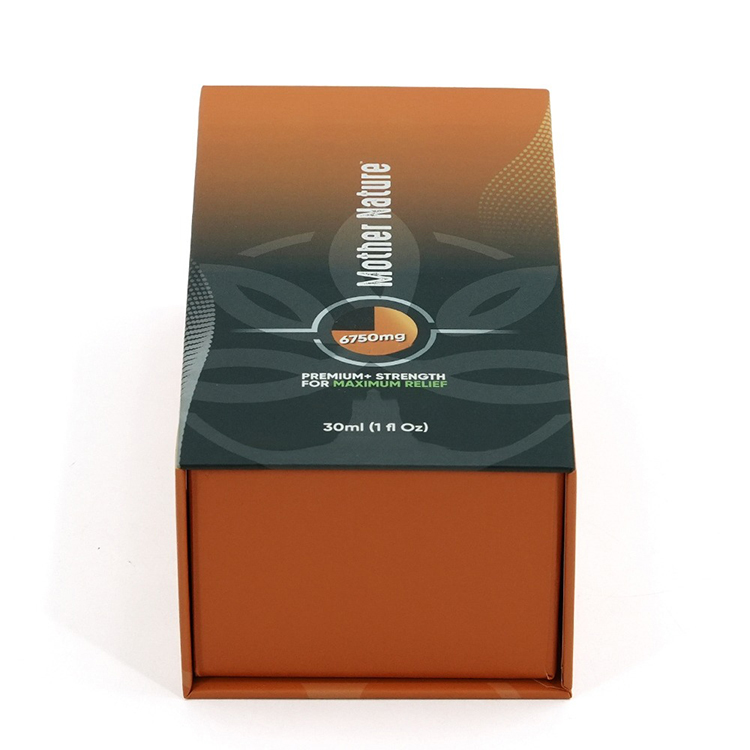
Cosmetics and luxury-goods packs should secure fragile items while matching presentation to the channel. Rigid boxes with magnetic closures offer structure; a folding carton and tuck boxes provide lighter, space-efficient formats.

Premium finishes, color, and opening sequence should reinforce product and brand without obscuring required information. Thoughtful product packaging keeps jars or bottles separated, while an outer shipper handles delivery. Customized packaging can make the reveal distinctive. Keep packaging design and box packaging coherent, then customize only what customers notice or operations need.

How Should Buyers Compare Box Style, Sustainability, and Customization?

Compare the packed product and distribution process, not appearance alone. Review:

  • Structure: Match packaging styles to fragility, weight, stacking, and assembly; compare versatility and durability.
  • Board: Select flute profile and strength for expected compression.
  • Inserts: Choose molded fiber, foam, paper, or corrugate dividers for restraint and static control.
  • Environmental factors: Reduce material; verify whether recyclable materials suit local collection. Substantiate every eco-friendly claim, especially for coatings or mixed materials.
  • Graphics: Use customizable print selectively, and customize details for identification or presentation.

Ask the supplier to create packaging samples tested under representative conditions. Apparel may favor low weight and easy returns; fragile goods may need corrugated packaging. Compare delivered cost, not unit price alone.

What type of box is best for my industry?

The best box matches your product’s weight, dimensions, fragility, moisture or static sensitivity, storage conditions, shipping route, and presentation goals. Food may need barriers or ventilation, electronics often require fitted protection, and luxury products may benefit from rigid presentation boxes.

Standard boxes work well when dimensions are flexible and presentation needs are limited. Custom boxes are more suitable when precise fit, protective inserts, branded printing, packing efficiency, or reduced empty space can improve product protection and total delivered cost.

No. A particular material or box style does not establish compliance. Food-contact components must suit the intended food and conditions of use, while child-resistant requirements apply only to specified regulated products and may involve testing and certification.

Start with right-sizing and material reduction, then assess recycled content, coatings, mixed materials, recovery options, and local recycling rules. The preferred option must still protect the product throughout storage and distribution; otherwise, damage and replacement shipments can undermine the intended benefit.

Frequently Asked Questions

Find practical answers about selecting standard or custom boxes, meeting product-specific requirements, comparing materials, and balancing protection, presentation, fulfillment, cost, and sustainability.