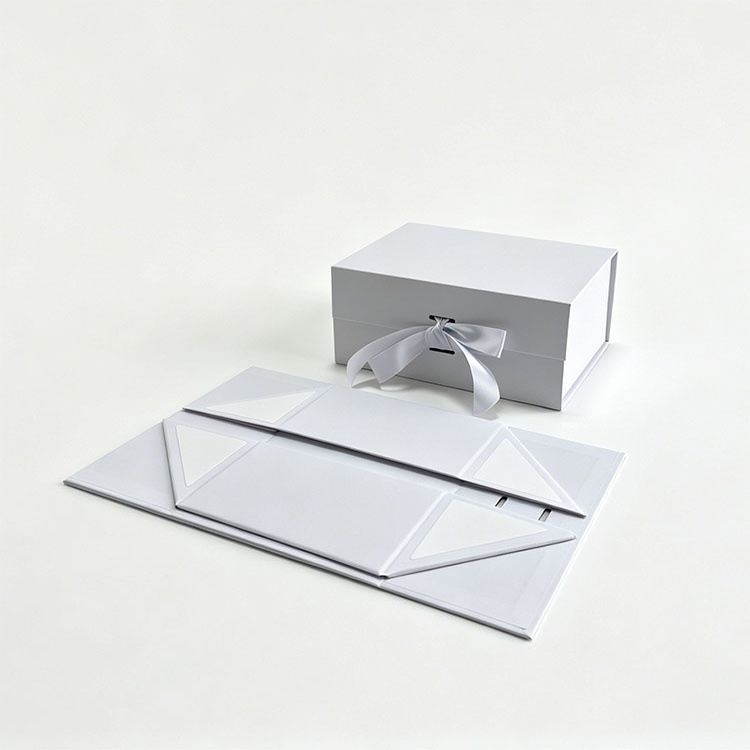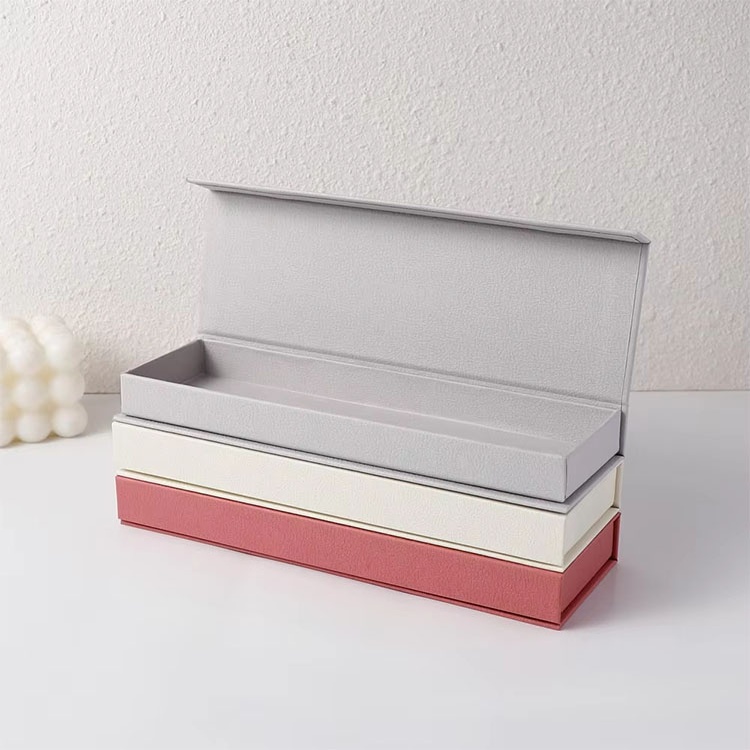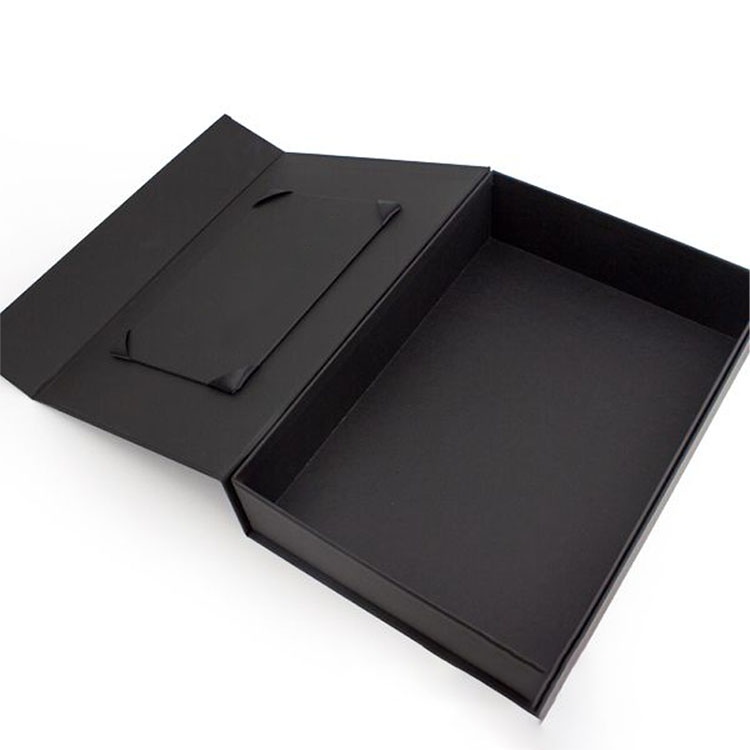




A velvet matte finish can change when it rubs against a divider or another box in transit. Here’s how to compare varnish and film on production samples and put the result into a purchase specification.
Test finished boxes. When I look at a soft touch coating spec, I want to see how the darkest printed panel wears against the material it will actually touch in transit, because a gloss streak across that panel can be visible before the customer lifts the lid. Would you approve that finish from a swatch alone?
A soft touch coating is a liquid finish applied over print and dried or cured in place. Soft touch varnish for packaging comes in water-based and UV-cured versions. actega.com Soft touch lamination uses a separate film bonded over the print. ukugi.com Ask for the coating code or the film grade and thickness on the quote so you can identify the exact finish on the sample.
Pour custom cosmetic boxes with soft touch finishes, compare the two constructions over the same stock, inks, and artwork. Include the darkest panel and any foil or embossing on a surface customers will grip. Approve the appearance on an assembled box with your product inside.
A Sutherland Rub Tester such as the Sutherland 2000 rubs a flat printed specimen against a standardized contact surface called a receptor. Labs can compare the abrasion resistance of printed labels, carton panels, coatings, and laminates on this instrument or an equivalent under ASTM D5264-98(2019).
Pour custom printed folding cartons, take flat specimens from the same printed stock and finish as the assembled samples. Ask the lab to record the receptor, block weight, speed, stroke count, rub direction, conditioning, and time since finishing. Photograph both surfaces. Inspect the panel under angled light for burnishing, the shiny patch that can appear on matte print, and check the receptor against an unused one for ink transfer.
Choose a test based on the mark you need to reproduce. If a hard point scores the varnish, ask the lab whether your coated stock is suitable for a constant-load stylus test under ISO 1518-1:2023.
| Failure to investigate | Test or inspection | What to record |
|---|---|---|
| Shiny rub marks or ink transfer | Dry Sutherland rub test on flat print | Gloss change on the panel and transfer onto the receptor |
| A narrow scratch from hard contact | Loaded-stylus scratch test | Stylus and load, with visible marking and coating penetration scored separately |
| A pale crease or a lifting edge | Inspect a production-creased carton or wrapped rigid box | Exposed fibres, film or wrap lift, and exact defect location |
| Scuffs after shipping | Inspect filled boxes after a transit test suited to the route | Mark locations and the contacting divider, carton, or shipper wall |
Look at the corners before the transit test and again afterward. A white line already present at assembly can point to a fractured wrap or exposed board. Compare the defect with these examples of white corners and exposed edges on rigid boxes.
250 cycles on soft touch film. Dunmore reports that its 12 µm Dura Soft Touch Film, made with polyethylene terephthalate (PET, repeat unit C₁₀H₈O₄), showed no visible surface change after 250 ASTM D5264 rub cycles in the supplier’s product test results. Dunmore I’d ask for the load and receptor before comparing that number with a result for a finished carton.
200 strokes in a retail specification. Sam’s Club calls for a Sutherland rub test when an ISTA trial uses unprinted samples. It specifies a 4 lb block and 200 back-and-forth strokes at 42 cycles per minute, with transfer from less than 2% of the printed area on each of five specimens, in its Structural Packaging Standards.
A photo record for printed paperboard. At TAPPICON 2025, Grant and colleagues compared visual scoring with ImageJ analysis of rub-tested, offset-printed solid bleached sulfate (SBS) board. They included water-based and UV-cured finishes and tested samples after conditioning at 23 °C and −80 °C, as described in the University of Limerick’s research record. University of Limerick For a purchase test, I’d hold the lighting, camera angle, and exposure constant so the before-and-after images can support a decision.
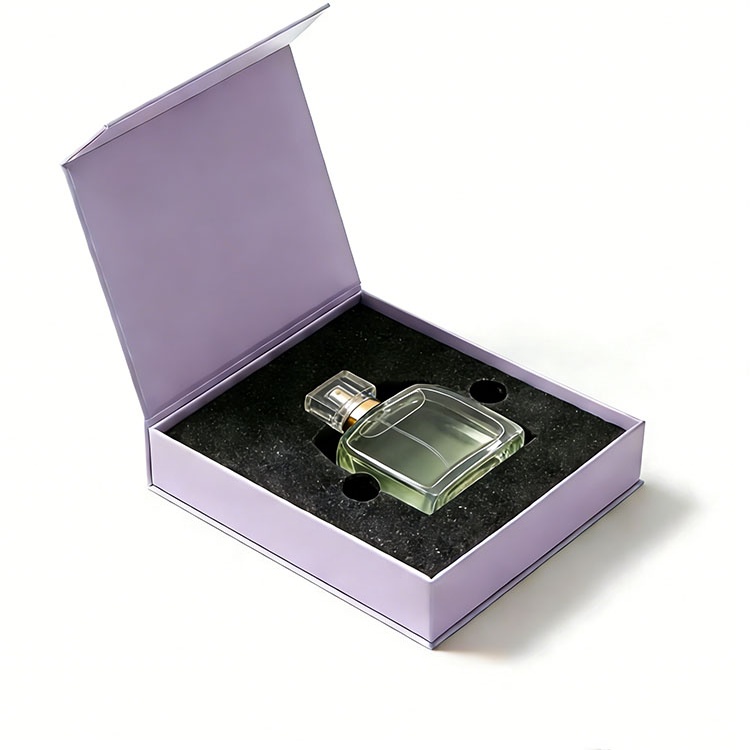
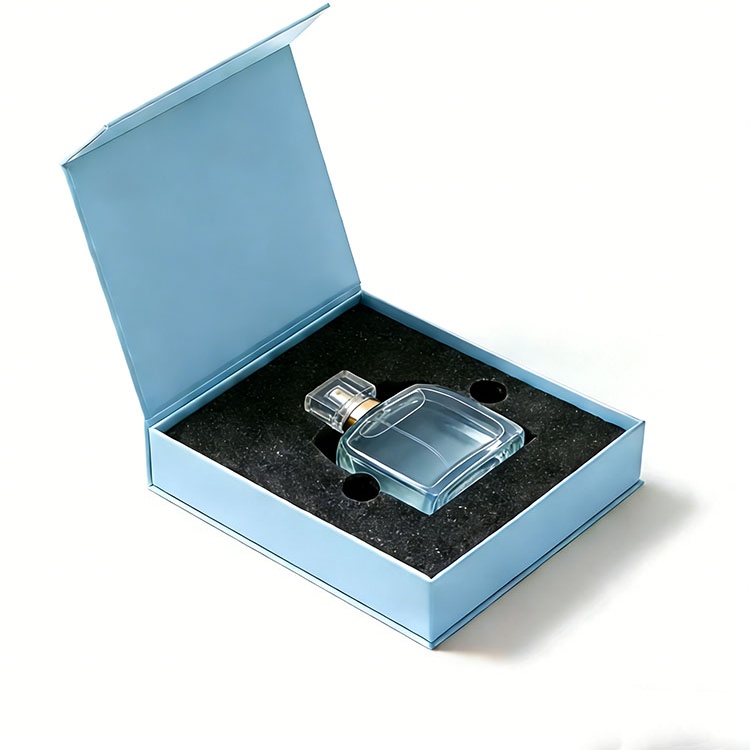
For a matte-black fragrance box, I’d specify that after the agreed dry rub test, the front panel shows no visible gloss streak or exposed board at a viewing distance of 30 cm under agreed lighting, and the receptor shows no visible ink transfer. Attach a photo of the approved panel and define separate limits for creases and corners. Have the supplier retain an untouched reference from the échantillons d'emballage prêts pour la production.
A film quoted at an extra $0.08 per box would add $800 on a 10,000-unit order. I’d put both test reports beside the quotes and pay for the upgrade if it clears a finish requirement the lower-cost option misses.
Some soft touch coatings resist light scratching, and scratch resistance for a given box is the ability of its actual finish, ink, and board combination to withstand a defined contact load without a visible score or penetration when inspected under the conditions agreed with the buyer.
An ASTM D5264 rub test measures the relative abrasion resistance of flat printed packaging samples by rubbing each specimen against a standardized receptor on a Sutherland Rub Tester or equivalent, then examining the specimen and receptor for surface degradation and transfer of ink or coating.
The best abrasion tests for soft touch packaging combine a controlled dry rub comparison on production-printed specimens with an inspection of filled boxes after a representative transit test, so the buyer can measure repeatable flat-panel wear and identify scuffs where cartons contact dividers, neighboring boxes, or the shipper.
Soft touch packaging should pass the stroke count in the buyer’s specification, which defines how many back-and-forth rubs a printed sample must withstand at an agreed load and speed against a named receptor while staying within the wear and ink transfer limits set for its distribution conditions.
Ask for matched varnish and laminate samples on the same printed stock, along with a proposed test setup and written pass criteria for the panels, folds, and corners. Send your box dimensions, artwork, order quantity, and shipping configuration through XD Packaging’s printed sample inquiry form.