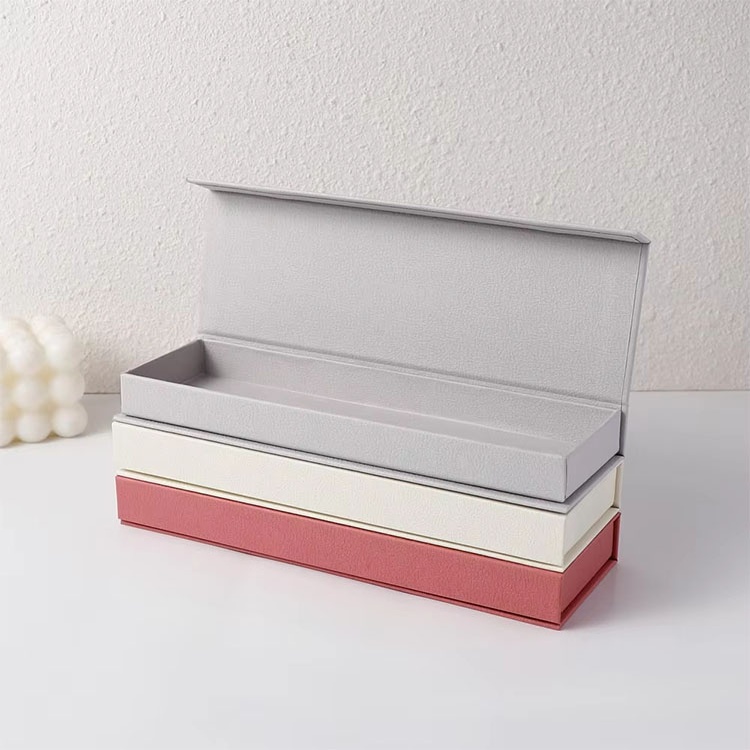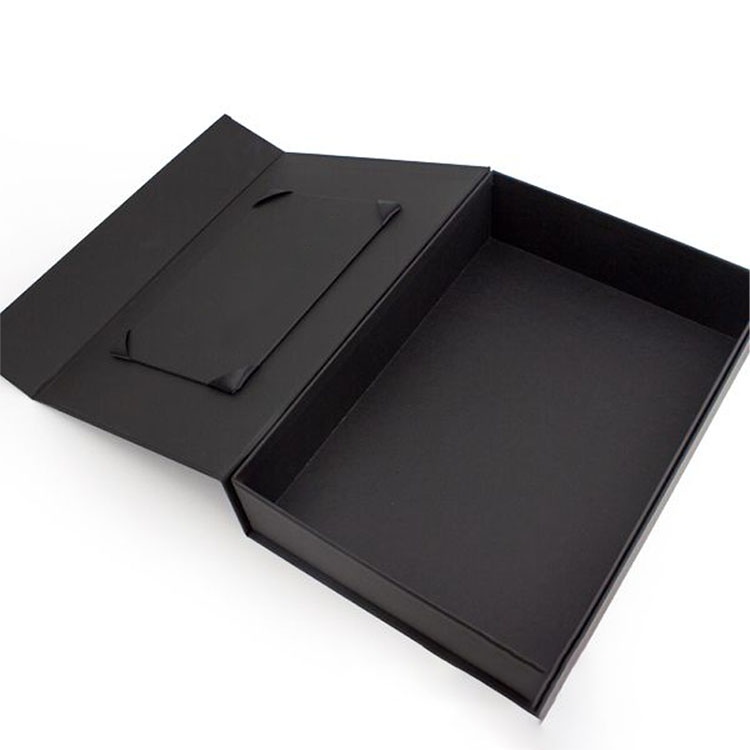




A shiny streak across a logo can put a shipment on hold. Here’s what to test on trial films, finished cartons, and packed cases before you approve production.
Boxes rub together. When a brand signs off on a pristine black carton, packs the boxes face-to-face in a master case, and leaves cosmetic limits off the purchase order, the receiving team has to decide on the spot whether a shiny stripe across the logo is enough to hold the shipment. What did the signature on that sample actually buy?
I’d approve matte lamination after three checks. Compare the films in a controlled rub test, repeat the check with the actual surfaces that touch the carton, and inspect a filled case after a transit test.
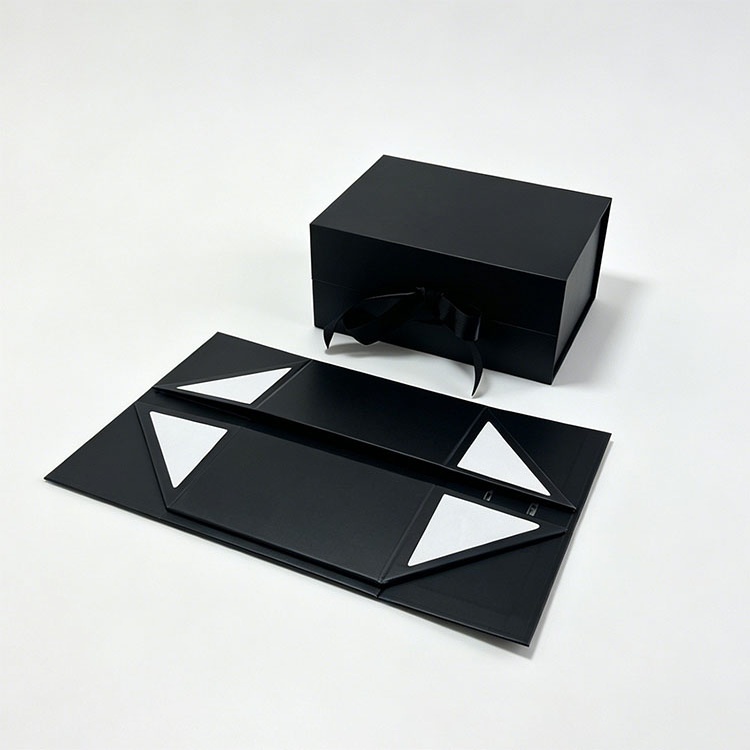
Matte lamination gives a printed surface a low-gloss finish. Rubbing can polish a patch until it reflects more light than the surrounding film, an effect called burnishing. Tilt a dark carton under a lamp and you may see a shiny patch appear and disappear as you turn it.
| Defect | What to look for | What to record |
|---|---|---|
| Burnishing | A shiny patch or stripe on the matte surface | Location, affected area, and gloss change |
| Scuff or haze | A pale or cloudy rubbed area | Visibility and size on the display panel |
| Scratch | A narrow line or a cut through the film | Length and any exposed ink or board |
| Material transfer | Fibers or color deposited on either contact surface | Which material transferred and how much area it covers |
If you use a numerical gloss limit, mark the test area and measure it before and after rubbing with the same instrument and angle. Choose a geometry for the film using ASTM D2457’s plastic-film gloss method.
Print the same artwork on the same board for the standard matte control and the anti-scuff matte lamination film trial. Apply each grade at its specified production settings. Record the film supplier, grade, thickness in micrometers, and base film, such as biaxially oriented polypropylene (BOPP) or polyethylene terephthalate (PET). Put the darkest display panel on both trial sheets, especially when qualifying matte-laminated folding cartons.
For controlled packaging abrasion resistance testing, compare flat printed specimens on a Sutherland Rub Tester or equivalent with the standardized receptor specified for the method. Agree on block weight, speed, cycle count, rub direction, sample conditioning, and the number of specimens before the lab runs the ASTM D5264 abrasion test for printed materials.
When printed samples are unavailable for International Safe Transit Association (ISTA) testing, Sam’s Club’s January 31, 2025 standard calls for a 4 lb (1.8 kg) block, 200 back-and-forth cycles at 42 cycles per minute, and ink transfer affecting less than 2% of the printed surface on each of five specimens, per the Sam’s Club Structural Packaging Standards.
Run a separate contact trial with the surfaces that bear on the display panel. That could be the next laminated carton, the cut edge of a corrugated divider, or a paper insert. Record the pair and where the mark appears. I’d ask the converter to trial a divider change if the damage tracks a single contact edge.
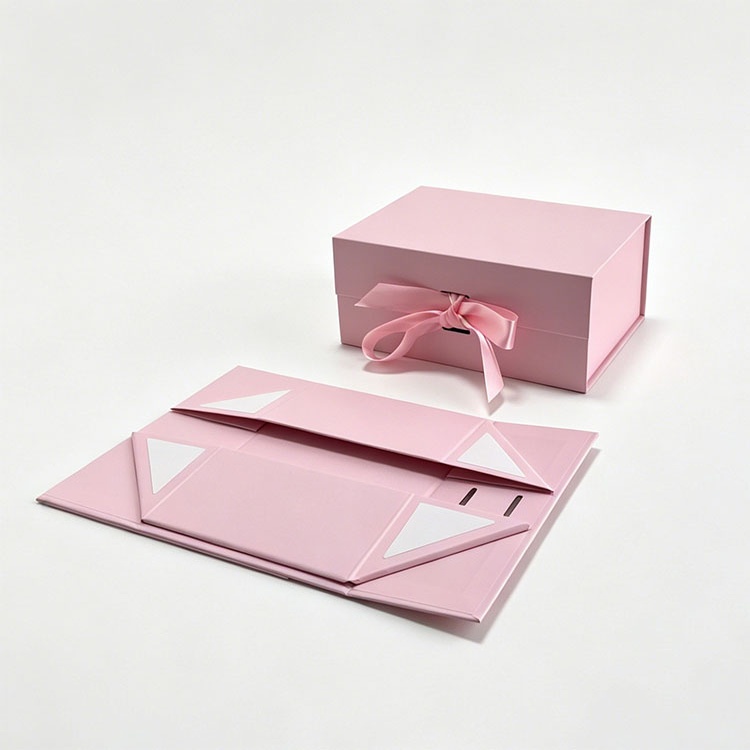
Photograph the display panels, folds, corners, and any lid contact points before packing. Use the production unit count, product weight, orientation, and dividers in a distribution test suited to the shipping route. Inspect the cartons as unpacked and record each damaged unit’s position in the case. A white line already present at a bend calls for a closer look at rigid box corner wrapping and exposed edges.
Test the complete production finish. Perricone MD’s dark-blue Acne Relief carton specifies anti-scuff lamination and spot gloss alongside PMS 2766 in its 2022 carton artwork published by DailyMed.
If your design includes spot UV over matte film, rub across the varnish edge and check it for lifting. Check the alignment on the same sample using the spot UV registration tolerance guide.
Write a criterion a receiving inspector can apply. For a logo panel, one example is to reject any scuff visible across the logo at 30 cm under an agreed light and viewing angle. Specify a separate limit for burnishing, either an approved borderline sample or a maximum change in gloss units. Record the test setup, film grade, and who signs off on a film substitution.
Keep before-and-after photos with the test report and fix the light, camera angle, exposure, and distance. At TAPPICon 2025, Michael J. Grant and colleagues compared an expert’s visual assessment with ImageJ grayscale pixel counts from rub-tested coated solid bleached sulfate (SBS) paperboard after exposure at either 23°C or −80°C, as described in the University of Limerick’s rub-testing study.
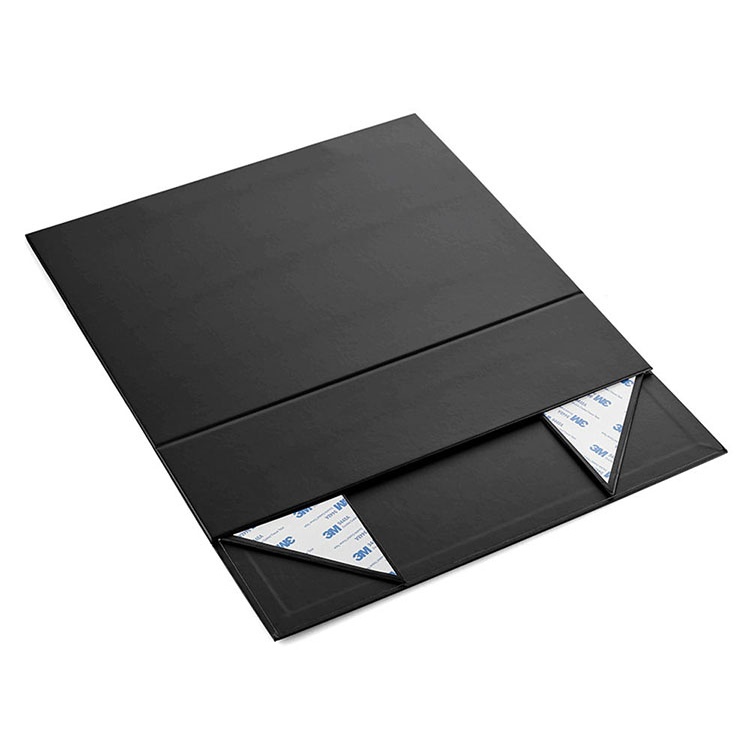
Standard matte lamination can scuff visibly where cartons rub repeatedly, especially over dark, solid artwork, with the risk of pale marks and shiny burnishing depending on the film grade, the surface touching it, and the pressure applied during packing and shipping.
Matte lamination scuff resistance is tested by rubbing a flat specimen made with the production ink, board, and film against a defined receptor under a specified load for a set number of cycles, then grading visible marks and gloss change on the film and checking both surfaces for transfer.
The best matte lamination film for scuff resistance is the grade that meets your limits for visible scuffing, burnishing, and transfer on the finished package, keeps the approved appearance at folds and decorative accents, and passes inspection after the loaded case goes through a distribution test suited to its route.
Send XD Packaging your dieline, final artwork, board or wrap specification, and case-pack details when you request production-ready packaging samples. Ask for standard and anti-scuff matte versions on the same artwork, then confirm the film grades, rub-test conditions, and cosmetic pass limits in writing before you release the production run.