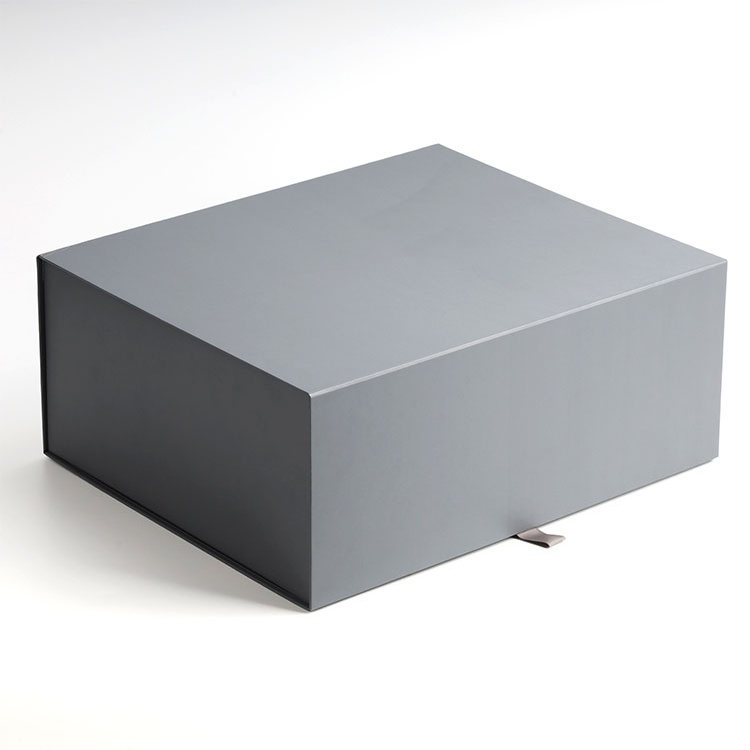




A convincing snap tells you little about repeatable closure performance. Here is how I would specify, test and approve a magnetic box before committing to bulk production.
The snap misleads.
Before I would approve magnetic closure boxes for production, I would want measurements from finished samples containing the actual product and insert, because the combined effects of wrapping, adhesive, hinge geometry and magnet placement cannot be reduced to a component specification.
What does a reassuring click prove if the loaded lid lifts after shipment?
My position is straightforward: approve a repeatable opening-force range, reliable closing action and secure magnet installation. A request for “stronger magnets” leaves too much of that decision unresolved.
Three properties deserve separate lines on the specification:
A box can pass one check and fail another. Strong attraction cannot compensate for a magnet pulling out of its pocket. And moving the test hook farther from the hinge changes the leverage, making opening-force readings difficult to compare.
In its published magnet strength testing procedures, K&J Magnetics distinguishes magnet-to-steel testing from magnet-to-magnet testing and explains how gaps and test geometry affect results. That is why I would question any supplier report that presents a bare magnet’s pull rating as the finished box’s opening force. K&J Magnetics Blog
Pour custom magnetic closure boxes, record the magnet grade, dimensions, quantity, polarity and mating arrangement alongside the board, wrap and insert specification. “N52 magnets” alone is an incomplete purchasing requirement.
A useful magnetic box pull force test starts with a calibrated force gauge, a fixture that holds the base without distorting it, and a repeatable attachment point on the lid.
For an assembled-box test, I would require the following:
The reading describes that assembled opening method. It includes the influence of the hinge and structure; it does not isolate magnetic attraction.
For early development, I would start with 10 independently assembled samples spread across the pilot build. That is a practical screening proposal, not a statistical guarantee or a substitute for an agreed production sampling plan.
Too little retention allows unintended opening. Excessive opening force can make the package awkward to use or stress its construction. Have representative users evaluate samples, then connect the acceptable experience to measured values.
Considérons un hypothetical sample that measures 5.0 N initially and 4.0 N after cycling: its opening force has fallen by 20%. If the project’s agreed lower limit were 4.5 N, that sample would fail even though the closure still clicks. These figures illustrate a decision rule; they are not universal acceptance limits.
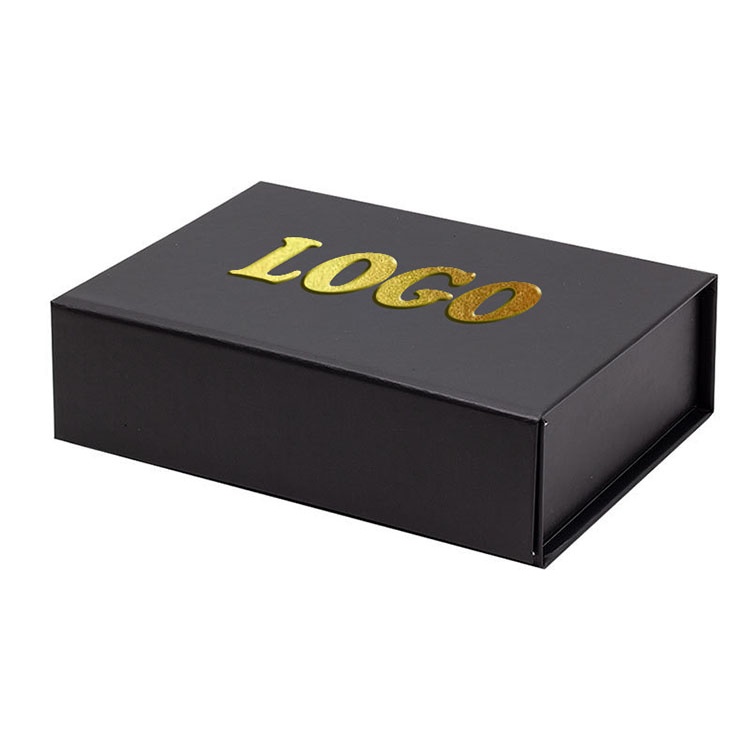
This is the pre-production magnetic box testing matrix I would put in front of a supplier before discussing batch release.
| Check | What to measure or inspect | What the approval record should establish |
|---|---|---|
| Finished-box opening force | Peak force at the documented grip point, direction and speed | A product-specific lower and upper limit, with individual results |
| Rigid box magnet alignment | Magnet position, polarity, closing gap and corner lift | Position tolerances and complete closing without hand correction |
| Magnetic closure durability testing | Opening force and structural condition before and after cycling | Agreed cycle count, opening angle, rate and acceptable final condition |
| Magnet attachment strength | Pocket, adhesive and board integrity on separate test specimens | A defined attachment test and rejection of loose or exposed magnets |
| Temperature and humidity exposure | Force, lid shape and closing gap before and after conditioning | Recorded exposure conditions, recovery period and acceptance limits |
| Loaded transit performance | Closure, insert and product condition after the agreed distribution test | Acceptance of the complete shipping configuration |
Check the left, center and right portions of the closing edge. Does the lid sit flat? Does it close without being pushed sideways? Does the insert prevent full seating?
For a concealed closure, the wrap and other nonmagnetic layers contribute to the separation between magnetic components. A shifted pocket or altered material thickness can change the effective geometry even when the magnet part number remains identical.
This belongs in packaging structural design and engineering. I would ask for a section drawing showing magnet depth, material layers and the intended mating position before authorizing an upgrade in magnet strength.
“Opened several times” is a poor durability record. Specify the number of cycles, opening angle, rate and inspection intervals, then repeat the original force measurement.
If the team proposes 500 cycles, document why that count represents the intended use. It is a project choice, not a universal standard for magnetic packaging. Watch for hinge cracking, wrap separation, pocket movement and a lid that gradually stops seating correctly.
Use production-ready packaging samples and prototypes for this approval stage. A structural mock-up can answer fit questions; final materials and assembly are needed to evaluate the specified closure construction.
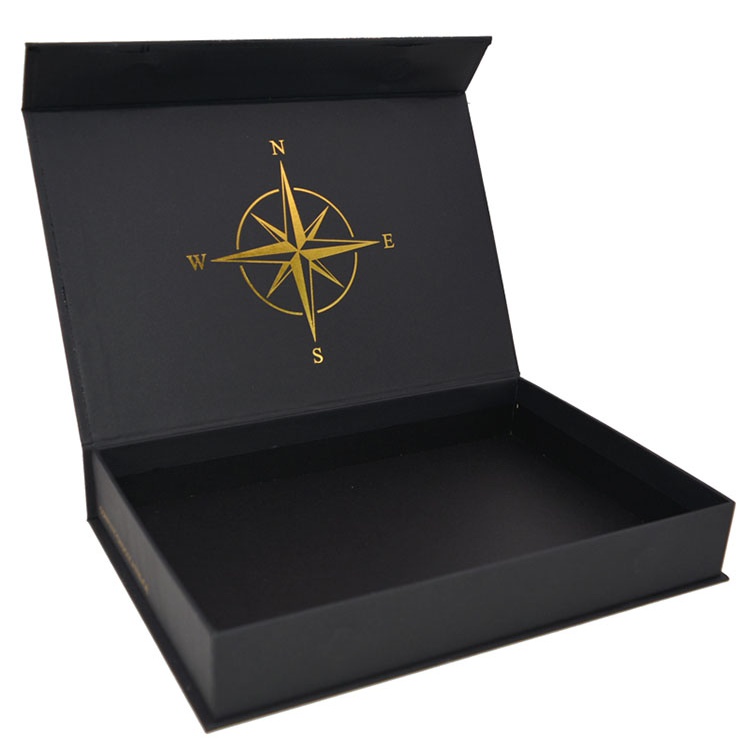
The box does not live permanently on a dry sample-room desk.
A 2023 study published in BioResources, hosted by NC State University, used numerical homogenization and sensitivity analysis to examine how humidity and temperature affect the bending, compression and shear stiffness of three- and five-layer corrugated board. Its scope was corrugated board; rigid-box acceptance limits still require testing of the actual construction. Numerical investigation :: BioResources
The practical implication I draw is to measure closure performance after relevant environmental exposure, alongside changes in lid shape and gap. Record temperature in °C, relative humidity in %, exposure duration and recovery time. The test plan should also state whether measurements happen immediately after exposure, after recovery, or both.
Then test the loaded shipping configuration. Define the product, insert, protective wrap, outer carton and closure method before selecting a distribution test with the laboratory. Repeat the opening-force check afterward and inspect for unintended opening, magnet movement and product damage.
For direct-to-consumer orders, develop the presentation box together with its protective shipping mailer box. A secure magnetic lid is only one part of protecting the shipment.
I would reject the argument that concealed magnets are automatically secure. The attachment has to survive the specified conditions of use.
On August 13, 2026, the U.S. Consumer Product Safety Commission announced a recall of approximately 213,500 Goody King magnetic building toy sets. The notice reported at least 27 instances of cubes breaking or opening and two children requiring surgery after ingesting released magnets. CPSC.gov
That was a toy recall, so it supplies no failure-rate estimate for gift boxes. It does illustrate why magnet retention deserves its own test: strong magnets can remain hazardous when the surrounding assembly releases them.
Use separate specimens for destructive attachment testing, and define conditioning, load direction and failure criteria with the engineer or laboratory. Photograph where failure occurs—adhesive interface, paper layer, board or pocket—because the location determines what needs to change.
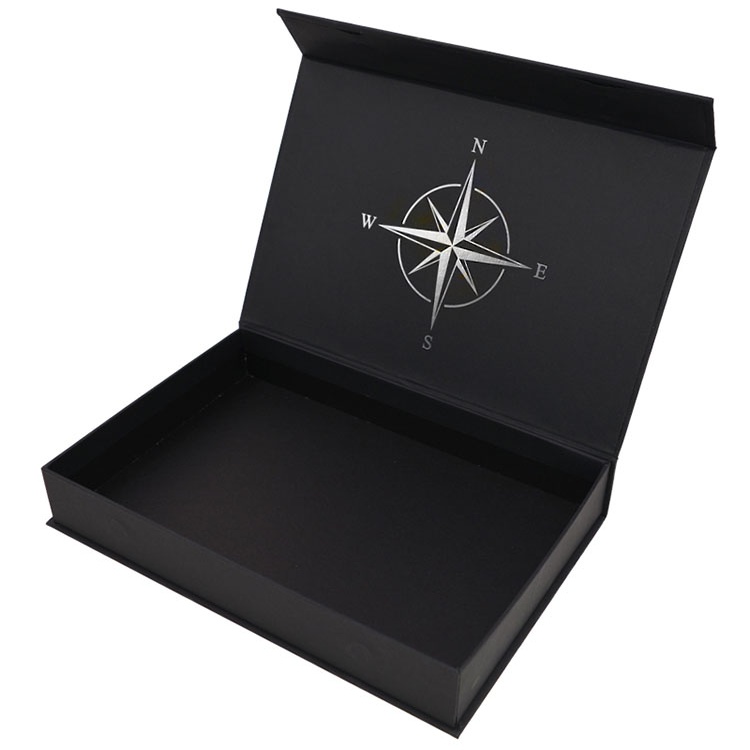
A magnetic box closure should have a product-specific opening-force range that holds the finished package closed during intended handling while allowing comfortable opening, with limits established from representative user trials and verified on loaded samples before and after the agreed durability, environmental and transport tests.
I would require both limits in writing rather than accept a single “strong enough” judgment.
A magnetic box pull force test is a controlled measurement of the force needed to separate specified magnetic components or open an assembled box, using a force gauge and documented geometry, with the report identifying which configuration was tested so component ratings and finished-package results remain distinguishable.
For procurement comparisons, keep the fixture, grip location and pulling motion consistent.
Stronger magnets are a possible remedy for insufficient magnetic attraction, but a magnetic box that will not stay closed may instead have misaligned pockets, excessive separation between magnetic components, hinge spring-back, a warped lid or an insert that prevents seating, so the assembled structure needs diagnosis first.
My first request would be an alignment check and a section drawing.
Pre-production magnetic closure strength testing is the evaluation of finished, representative boxes for opening force, magnet alignment, repeated-use performance, attachment integrity and behavior after relevant environmental and transport exposure, with documented methods, product-specific acceptance limits and traceable sample identities that can guide subsequent production inspections.
Retain an approved reference sample, but keep its measured results and specification with it.
Before placing a bulk order, send XD Packaging your magnetic box sampling brief with product dimensions and weight, box style, insert requirements, destination markets, expected reuse and delivery route. Ask to agree on the sample construction, opening-force method, acceptance range and durability checks before approving production.
Make the next approval a documented decision: request the sample, agree on the tests and review the results before releasing the order.