




Personalized product packaging offers brand names regulate over measurements, products, printing, and presentation, while stock product packaging can lower ahead of time expense and preparation. This overview contrasts both alternatives with price, volume, branding, sustainability, and product-fit factors to consider.
Product packaging decisions rarely fall short due to the fact that someone picked the wrong box design. They fall short because the box was picked without looking at the business economics behind it.
I have seen brands consume over aluminum foil marking, magnetic closures, and custom inserts while overlooking the more awkward concern: the amount of systems will actually sell?
That number changes every little thing. A startup buying 500 systems has an extremely different packaging problem from an established brand relocating 50,000 devices a month. Include item measurements, shipping costs, rack presentation, sustainability demands, minimum order amounts, and tooling, and the apparently simple choice between custom-made packaging and supply product packaging becomes an economic decision disguised as a style decision.
And that is the part lots of product packaging write-ups conveniently miss.
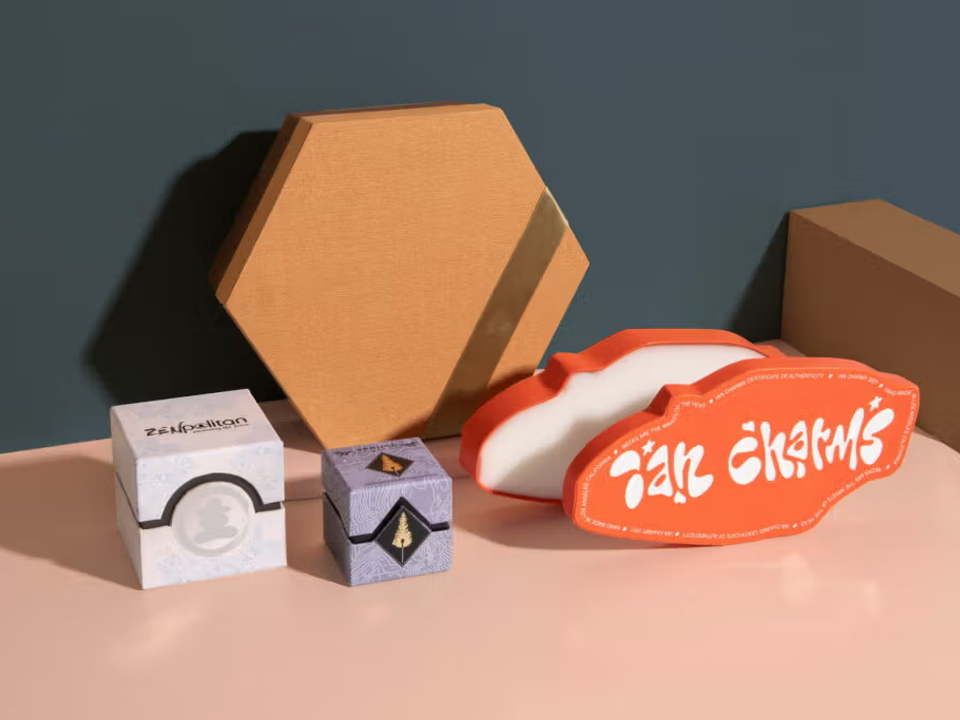
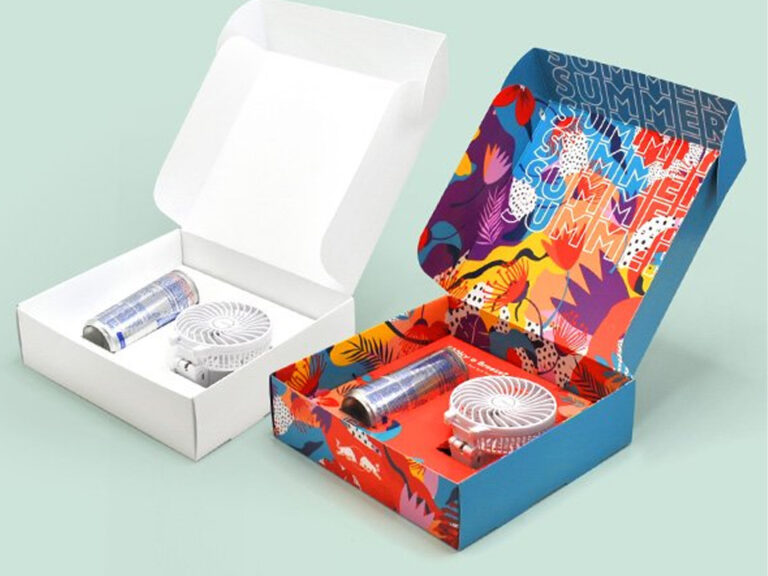
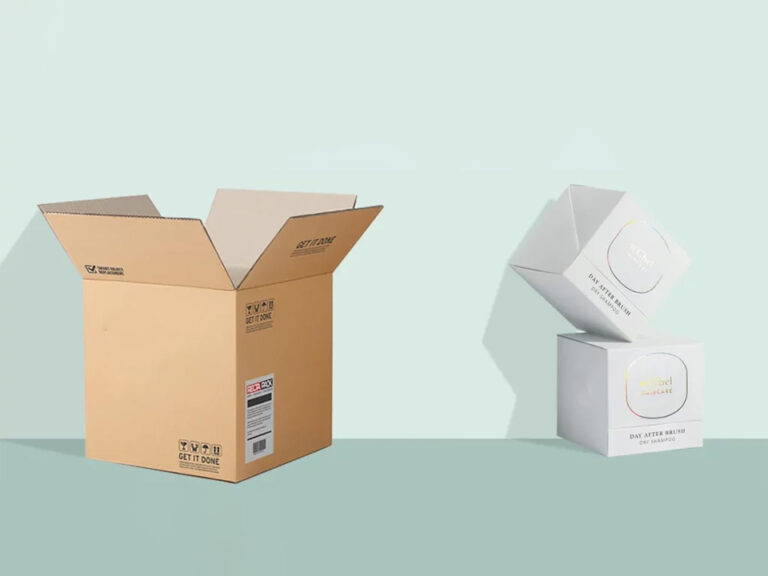
Customized product packaging is produced or substantially changed around a details product, brand name, structural requirement, or discussion principle. Stock packaging, by comparison, makes use of an existing standard dimension and construction that can typically be purchased with less style or tooling commitments.
The distinction appears straightforward. The business economics are not.
With stock packaging, you typically trade some control for speed and simplicity. The measurements currently exist. The manufacturing process is established. You might only require printing, labels, sleeves, sticker labels, or other reasonably minimal personalization.
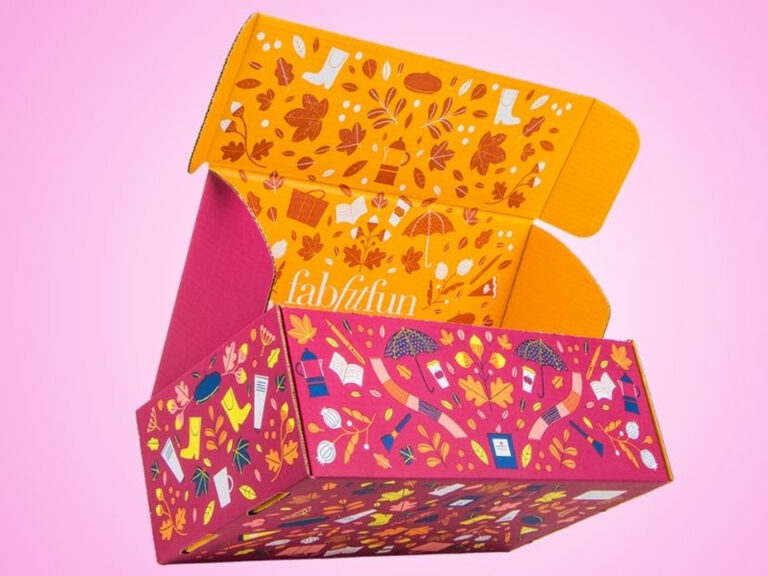
Personalized product packaging turns around that trade-off. You can control the internal measurements, board grade, closure, insert geometry, print protection, finishing, and unboxing sequence– but those choices can introduce tooling prices, sampling cycles, minimal order quantities, and much longer production schedules.
That makes custom-made packaging vs stock packaging less about aesthetics and more about where you wish to take in intricacy.
Customized product packaging is not immediately expensive.
Improperly planned personalized packaging is.
A custom-made box that decreases item motion, gets rid of unnecessary filler, enhances pallet application, reduces dimensional shipping weight, and boosts viewed product value can validate its extra production expense. Alternatively, an elaborate box that includes 40% more material and creates no quantifiable business benefit is simply a costly container.
I would certainly look at five cost layers:
The last two are regularly undervalued.
A box that costs slightly more per unit however decreases damage can be less expensive at the order degree. A box that is beautiful but 20 mm bigger everywhere can additionally increase logistics prices across hundreds of deliveries.
So what is the most inexpensive box?
Generally, it is the box that produces the lowest complete packaging price per efficiently supplied product, not always the most affordable factory quote.
Supply packaging has one substantial advantage: rep.
Producers already have the structure. That can minimize growth complexity and make smaller sized purchasing quantities more functional, although actual MOQs and pricing depend heavily on the distributor, product, measurements, printing method, and modification degree.
For brand-new items, seasonal collections, test launches, and uncertain need, that flexibility issues.
Visualize introducing a candle light line with six scents. You do not yet know whether one fragrance will sell 10,000 devices or 800.
Ordering an extremely specialized box for every single SKU can secure funding right into stock prior to need has been validated.
A standard container with brand name tags or printed artwork may be less distinct, yet it gives the business room to discover.
That is among the greatest supply product packaging benefits: optionality.
Custom-made packaging becomes much easier to validate when volume, item value, or brand positioning increases.
Think about a costs scent brand. The packaging is not simply securing a glass container; it is taking part in the item experience.
A stiff building with an equipped insert can protect against activity while making the product really feel deliberate as opposed to mass-produced. A comparable reasoning relates to high-end candle lights, watches, cosmetics, spirits, electronic devices, and present products.
For instance, a magnetic red wine gift box with container and stemware inserts demonstrates just how product packaging can be created around both the item and the occasion.
That is various from putting the very same container inside the nearby available carton.
The distinction matters.
Branding is just one factor to choose custom product packaging.
The architectural benefit can be just as crucial.
Customized product packaging can permit you to define:
A reed diffuser, as an example, develops an extremely different product packaging issue from a fragrance container or a taper candle.
A kraft reed diffuser folding container box with display screen window reveals the sort of product-specific building and construction that supply packaging may battle to reproduce without concessions.
The question comes to be less “Can I put the item in a box?” and a lot more “What should the box accomplish?”
Supply packaging obtains rejected as cheap-looking.
That slouches evaluation.
For some businesses, standard packaging is the sensible option due to the fact that the consumer cares more concerning cost, delivery speed, capability, or ease than an extremely engineered unboxing experience.
Stock product packaging can function specifically well when:
There is one more benefit: less architectural trial and error.
Every custom dimension produces one more variable. Every unusual insert develops an additional manufacturing need. Every unique surface introduces one more possible production issue.
Simple can be operationally powerful.
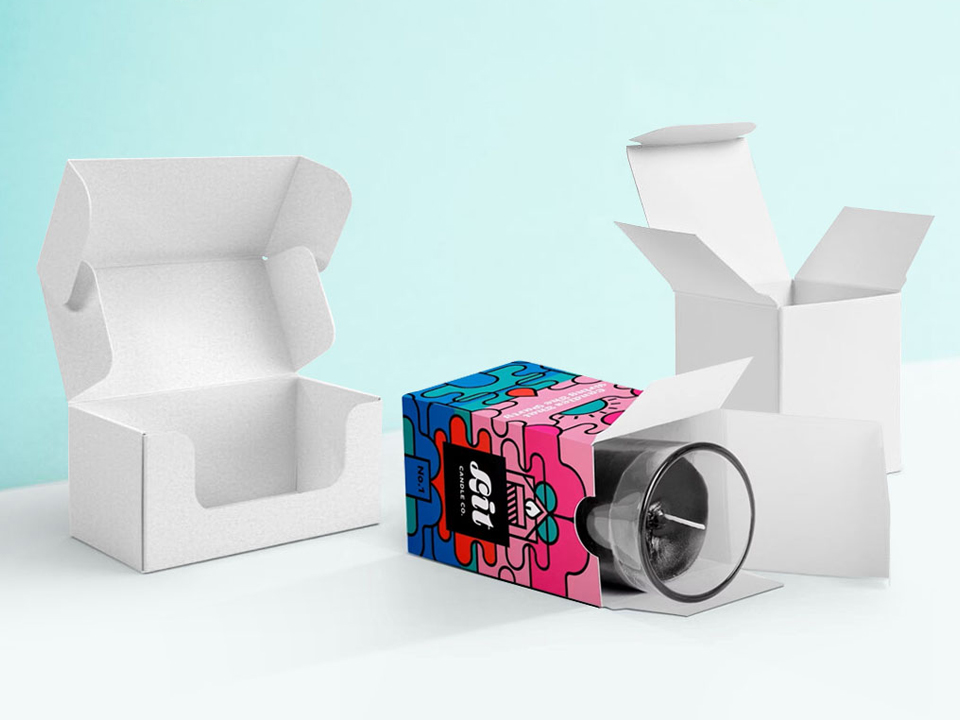
There is no global price at which custom-made packaging ends up being “worth it.” Vendor quotations differ drastically by board material, dimensions, printing, completing, order amount, tooling, freight, and geographic sourcing.
So I would certainly avoid generic online insurance claims such as “personalized boxes cost X cents a lot more.”
They are generally worthless without specifications.
| Factor | Customized Product packaging | Stock Packaging |
|---|---|---|
| First development | Greater | Lower |
| Architectural flexibility | Very high | Limited |
| Branding control | Really high | Low to moderate |
| Minimum-order exposure | Often higher | Typically lower |
| Rate to market | Usually slower | Typically quicker |
| Product-specific fit | Outstanding | Variable |
| Tooling/design needs | Feasible | Usually minimal |
| Premium discussion | Solid potential | A lot more restricted |
| SKU versatility | Can end up being complex | Typically simpler |
| Long-lasting optimization | High prospective | Modest |
| Ideal fit | Established items, premium brands, distinguished discussion | Evaluating, asset products, unsure demand |
The right comparison is for that reason not simply custom-made product packaging cost vs supply product packaging price.
It is:
Product packaging expense + logistics + damage + supply + labor + conversion effect + brand demands.
That computation generates a lot more honest answer.
Here is where product packaging design gets interesting.
Expect a product determines 90 × 90 × 180 mm.
A supply carton may fit it– but probably with 30 mm of extra area around the item.
That additional space might call for paper filler, foam, cells, or an additional safety part. It can additionally boost the delivery impact.
A custom insert can eliminate several of that squandered quantity.
The same concept shows up in costs present product packaging. A black rigid perfume present box with lift-off cover and insert is created around a details presentation style as opposed to treating the item as a second thought.
This is why I favor to evaluate packaging as a system.
The box is only one part.
Packaging sustainability is no more simply an advertising conversation.
It is significantly a compliance and layout problem.
Eurostat information for 2023 show that the European Union created 79.7 million tonnes of packaging waste, equivalent to 177.8 kg per citizen. Paper and cardboard represented 40.4%, while plastic made up 19.8% of product packaging waste. European Compensation +1
Those numbers matter due to the fact that unnecessary material, large frameworks, and difficult-to-recycle mixes are ending up being tougher to safeguard operationally and readily.
The European Payment’s Product packaging and Packaging Waste Regulation is likewise relocating the conversation toward product packaging that uses much less product, improves recyclability, and decreases unnecessary empty space, with the policy beginning to apply from mid-2026. Environment
That does not instantly make supply product packaging more lasting.
Neither does it instantly make customized product packaging much better.
A specifically engineered personalized carton can eliminate excess product. A badly designed personalized package can do precisely the contrary.
The product specification issues. The structure matters. The product-to-package proportion matters.
This is one of the sector’s more bothersome truths.
Modification does not naturally suggest excess as candle lights, packaging geometry ends up being specifically important due to the fact that glass, wax, lids, and accessories can develop a number of prospective movement and.
A customized package can be engineered around the real product measurements, decreasing void area and potentially eliminating secondary protective materials. It can likewise specify recyclable paperboard structures or simplify product combinations where appropriate.
For items such as candles, packaging geometry becomes specifically important because glass, wax, covers, and devices can produce numerous possible movement and defense factors.
A kraft paper drawer taper candle light box with gold foil marking shows another compromise: the framework can offer a premium presentation while the kraft-paper visual interacts a materially various brand name position.
Yet aluminum foil does not magically make product packaging sustainable.
Neither does the word “kraft.”
The full material system has to be examined.
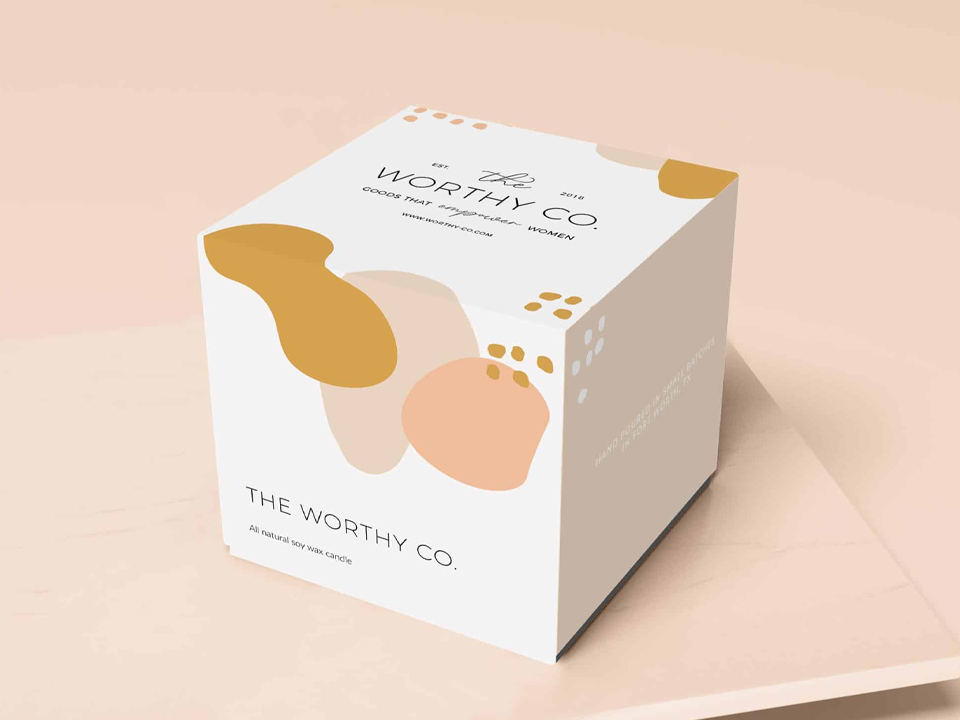
Scaling changes the formula.
At 500 devices, investing greatly on structural advancement might be difficult to warrant. At 50,000 devices, nevertheless, a little per-unit optimization can become substantial.
For instance, a hypothetical $0.20 per-unit reduction at 50,000 systems stands for $10,000 in packaging cost savings per production run.
That is why quantity should be discussed prior to aesthetic appeals.
A product packaging provider asking about yearly amount is not just attempting to price quote a cost. The quantity forecast identifies which manufacturing business economics are available.
And if you can not forecast need precisely?
Start with a packaging architecture that protects flexibility.
I utilize a rather blunt decision series.
Initially, specify the product dimensions and fragility.
Second, develop realistic regular monthly and annual quantity.
Third, identify the product packaging’s business role. Is it simply defense, or is it component of the product experience?
4th, determine total provided expense as opposed to unit product packaging cost.
Fifth, identify whether your market requires specific product, recyclability, labeling, or packaging-waste factors to consider.
Sixth, model before dedicating to a big manufacturing run.
A drawer-style framework can be especially effective when discussion and accessibility issue. As an example, a published rigid cabinet sock product packaging box with lug take care of combines structural discussion with portability.
However I would certainly not advise that building and construction simply since it looks costs.
The product has to gain the complexity.
There is no global victor.
For a new organization confirming need, I would prioritize adaptability and resources conservation. That typically directs towards supply or lightly customized product packaging.
For a recognized brand with predictable volume, the computation changes. Customized packaging can justify its advancement expense when the item fit, logistics, differentiation, and client experience supply quantifiable worth.
For a premium gift classification, the packaging itself might work practically like part of the product.
An inflexible drawer scrunchie packaging box with ribbon pull tab is a good example of packaging being created as an interaction instead of just a container.
Pull the ribbon. Open up the drawer. Reveal the item.
That series is deliberate.
The Genuine Decision: Systematize discussion, specialized defense, or strong brand name control, while stock product packaging is generally much better suited to organizations focusing on speed, flexibility, lower advancement product packaging can have greater upfront prices due to the fact that structural advancement, tasting, tooling, specialized materials, and minimum manufacturing amounts might be involved. However, the last financial contrast must include shipping, protective products, storage, product damage, labor, and product packaging performance instead of contrasting just the quoted possible since the basic bundle structure already exists. It is especially beneficial for products with uncertain need, often transforming SKUs, minimal product packaging spending plans, or circumstances where product packaging or Distinguish?
Below is the inquiry I would place in front of a buying supervisor:
Do you need product packaging to make your item less complicated to manufacture, or much easier to offer?
Often those goals point parallel.
Occasionally they definitely do not.
Supply packaging typically prioritizes manufacturing simplicity, availability, and flexibility. Custom-made product packaging prioritizes control over framework, look, fit, and brand name experience.
Neither is inherently exceptional.
The correct selection depends on where the financial worth sits in your specific item.
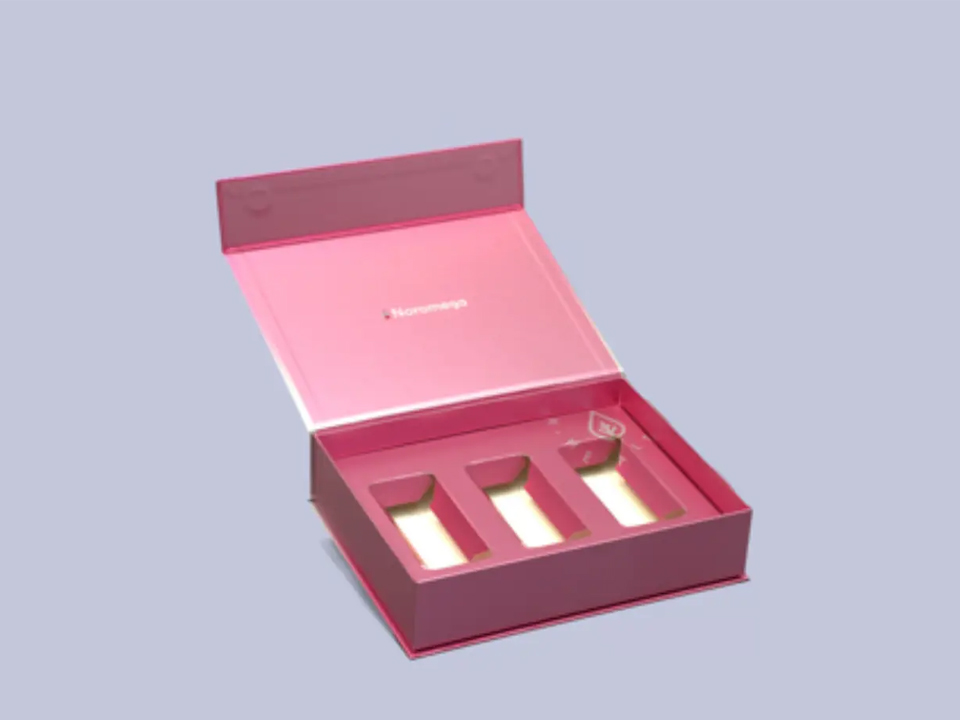
Customized product packaging is better matched to products that require specific fit, distinguished discussion, specialized protection, or solid brand control, while supply packaging is generally much better matched to organizations prioritizing speed, flexibility, lower advancement intricacy, or uncertain demand. The proper choice relies on volume, item demands, logistics, and the role packaging plays in the sale.
Personalized packaging is created or produced around details product and brand requirements, whereas stock product packaging utilizes an existing standard structure that may obtain limited customization. Custom product packaging gives higher control over dimensions, inserts, materials, printing, and presentation, while stock product packaging usually uses easier purchase and faster deployment.
Customized packaging can have greater in advance costs since structural development, tasting, tooling, specialized products, and minimum production amounts might be entailed. Nonetheless, the last economic comparison needs to include shipping, protective products, storage, product damages, labor, and product packaging effectiveness as opposed to contrasting just the estimated box rate.
Stock product packaging can minimize development intricacy, reduce buying timelines, and make smaller sized or even more adaptable buying programs possible due to the fact that the basic plan structure currently exists. It is specifically valuable for products with uncertain need, frequently changing SKUs, restricted packaging spending plans, or situations where product packaging distinction has reasonably little influence on the consumer’s acquiring decision.
Pick product packaging by evaluating product dimensions, fragility, sales volume, shipping requirements, brand name positioning, sustainability goals, governing needs, and total provided product packaging cost. Begin with the item’s practical requirements, after that identify just how much added architectural and aesthetic customization creates measurable industrial worth instead of materials, or inefficient product usage. However, customization itself does not assure sustainability; product choice, recyclability, producing processes product packaging can be beneficial for small businesses when packaging strongly affects perceived value, item defense, gifting, or brand distinction, however high growth expenses and minimum quantities can produce unneeded financial direct exposure. Smaller businesses ought to normally confirm item demand, packaging requirements, and manufacturing amounts before committing to a very objective. That seems noticeable, however packaging choices regularly get made in reverse: someone loves a structure first picking a bundle solely since it looks premium.
Customized packaging can minimize waste when its dimensions and framework are engineered to remove unneeded empty space, excess safety products, or inefficient product use. Nevertheless, customization itself does not ensure sustainability; product option, recyclability, producing processes, package-to-product proportion, transportation, and end-of-life taking care of all affect the ecological outcome.
Custom-made product packaging can be beneficial for small businesses when product packaging highly influences viewed worth, product security, gifting, or brand name distinction, however high growth prices and minimum quantities can produce unnecessary financial exposure. Smaller sized organizations should typically verify product need, packaging needs, and manufacturing amounts prior to dedicating to an extremely specialized framework.
Customized product packaging is not instantly premium.
Supply product packaging is not immediately economical.
The smarter decision comes from matching the bundle to the product, quantity, consumer, logistics design, and commercial goal. That sounds apparent, yet packaging choices routinely obtain made in reverse: a person loves a framework initially and inquires about the business economics later.
We must do the opposite.
Beginning with the item. Define the volume. Compute the overall expense. Prototype the framework. After that determine how much customization actually gains its area.
If you are reviewing a new packaging program, discover examples such as the magnetic a glass of wine present box with container and stemware inserts and compare the construction versus your product’s real defense and presentation demands.
For brand names that need a more specific option, the next step is not thinking between “customized” and “supply.” It is defining the product measurements, yearly volume, materials, printing demands, insert requirements, target discussion, and delivery conditions so the packaging can be engineered around actual commercial restraints.
That is where the useful discussion starts.