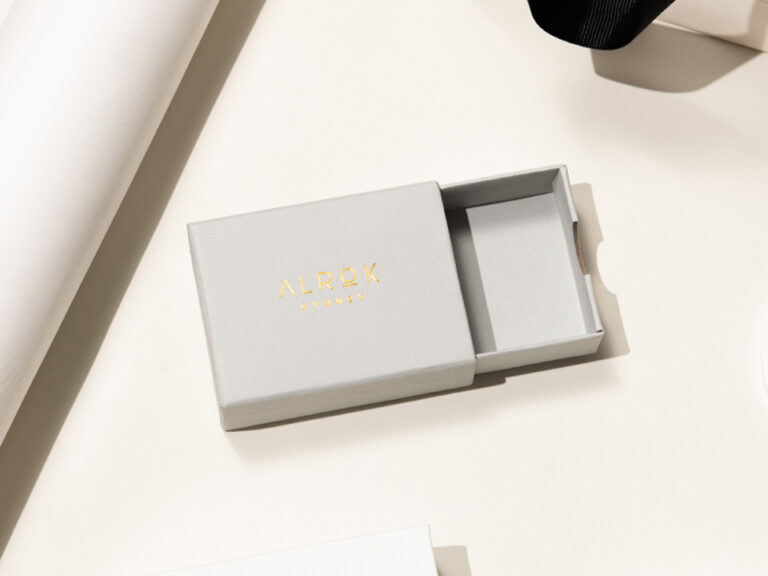





The best a glass of wine packaging can transform a conventional bottle into a costs item, gift, or brand declaration. Right here are six cutting-edge strategies, backed by product packaging research study and genuine industry examples.
When I check out a glass of wine packaging, I start with a simple question: what does the client experience before the cork, screw cap, or pull-tab is ever opened? The answer is frequently package, the texture, the weight, the closure, the insert, and the little aesthetic cues that tell a person whether the container is common, costs, giftable, lasting, or worth remembering.
Which issues since red wine product packaging is lugging a lot more business responsibility than it made use of to.
Research released in 2023 discovered that product packaging style itself is an important chauffeur of red wine selection, while glass remains the preferred style and options such as bag-in-box and lower-carbon styles have specific possibility amongst specific customer sections.
So what should a winery actually do?
Here are 6 a glass of wine packaging ideas that relocate past put simply a bottle inside a cardboard container.
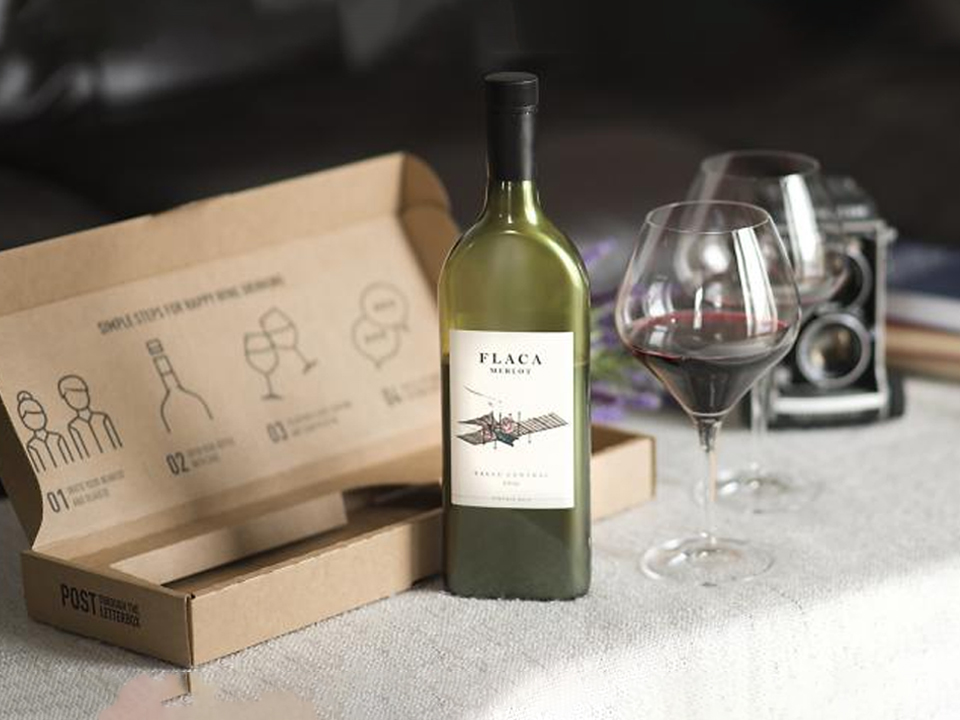
Start with package.
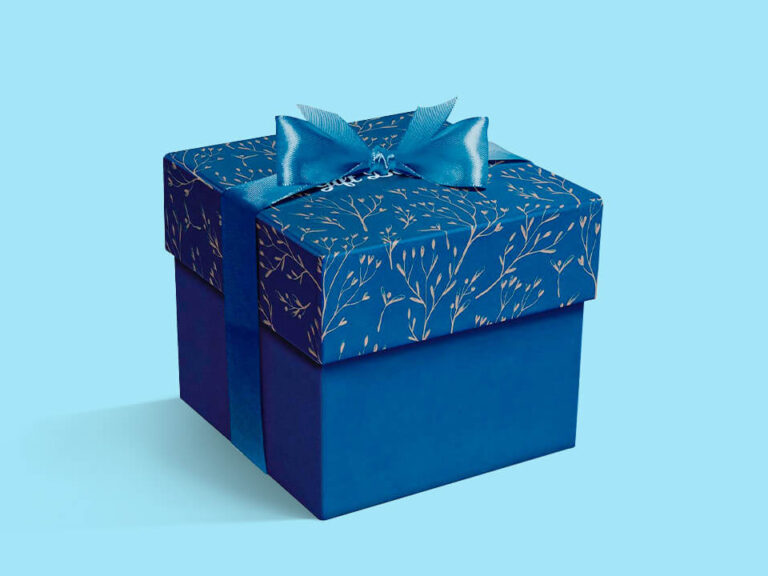
A conventional delivery carton safeguards a wine bottle. A premium stiff gift box does something else: it creates an experience before the container is even removed.
For costs a glass of wine, minimal versions, business gifting, wedding event glass of wines, vacation collections, and cellar-door acquisitions, I would think about a rigid presentation box with an equipped insert, magnetic closure, bow pull, foil stamping, embossing, or a precision-cut inside.
The distinction is very important. You’re not just safeguarding glass; you’re controlling the series of exploration.
Open. Expose. Raise. Inspect. Pour.
That series is part of the brand.
A personalized white wine product packaging framework can also be designed around a single bottle or a two- or three-bottle collection. A container presented inside an inflexible structure with a specific insert instantly feels various from one surrounded by loose filler.
For ideas, a framework such as this two-piece home window sweet present box with metallic gold print demonstrates exactly how a window, metallic finish, and rigid construction can create visual disclose without calling for an excessively complex box.
However here’s the difficult fact: gold aluminum foil does not immediately make packaging costs. Poor typography, too much decoration, or an oversized box can make expensive a glass of wine resemble cheap promotional merchandise.
The framework has to make the decor.
Magnetic closure is an additional alternative when the product packaging needs to connect exclusivity without depending totally on graphics.
The mechanism creates a tactile minute. You hear the closure. You really feel the resistance. The lid aligns. The container appears.
Small detail. Huge understanding.
For get glass of wines, enthusiast releases, luxury gift collections, and corporate white wine presents, a magnetic inflexible box can provide the type of controlled opening experience that conventional folding containers rarely deliver.
I would specifically consider this approach when the white wine itself already commands an exceptional price. If the container costs substantially greater than an entry-level product, the product packaging should not look like an afterthought.
A good white wine product packaging layout ought to make the product hierarchy obvious.
Premium bottle? Premium framework.
Restricted edition? Limited-edition presentation.
Company present? Controlled, polished opening experience.
The same architectural principle can be adjusted from a rigid magnetic supplement box with cardboard divider panel insert. Although the recommendation structure is created for one more item category, its magnetic closure and interior division show just how rigid product packaging can incorporate presentation with organized product protection.
And that’s where lots of white wine brand names misunderstand.
Package isn’t taking on the bottle. It is organizing it.
Often concealing the product is the wrong strategy.
A home window can allow clients to see the container, tag, color, foil pill, or other aesthetic information before acquisition. This is especially valuable when the container itself has distinctive branding.
Think of the product packaging as a frame instead of a container.
A thoroughly positioned home window can create aesthetic pecking order while reducing the quantity of published info needed on the outer box. Instead of covering every square centimeter with copy, you allow the actual product to lug component of the interaction.
This works particularly well for gift-oriented wine packaging.
A clear or cut-out home window can disclose:
The trick is restriction.
If the window is as well big, package can lose structural toughness. If it is as well little, the attribute comes to be pointless. If the bottle is unpleasant, exposing it does not resolve the problem.
For brand names try out creative red wine product packaging concepts, home window frameworks can consequently work– however just when the container itself deserves to be seen.
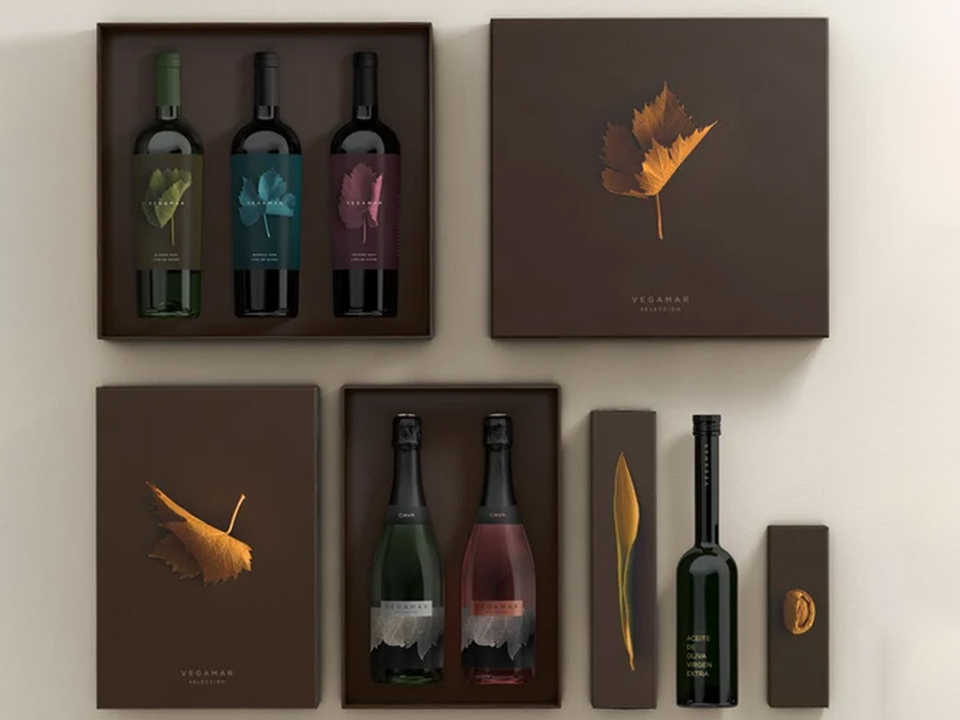
One bottle is basic.
3 containers are a packaging trouble.
A multi-bottle collection presents movement, weight circulation, bottle-to-bottle call, raising forces, and a much better threat of damage throughout transportation. The service is not just including even more cardboard around whatever.
Usage internal separation deliberately.
Divider panels can create specific compartments for different a glass of wine varieties, vintages, or container formats. They can also turn a collection into a curated tasting experience.
For example:
| Packaging approach | Finest usage | Costs perception | Security | Sustainability factors to consider |
|---|---|---|---|---|
| Criterion folding container | Daily retail red wine | Medium | Tool | Reduced product usage |
| Inflexible single-bottle box | Costs gifts | High | High | Greater material usage |
| Magnetic inflexible box | Luxury/limited editions | Very high | High | Depends on materials |
| Window present box | Retail gifting | High | Tool– High | Home window product should be considered |
| Multi-bottle divider panel box | Red wine collections | High | High | Reliable if developed for reuse |
| Multiple-use presentation box | Collector/corporate gifting | Very high | High | Toughest when recycled consistently |
A divider panel additionally gives the developer an additional chance.
Make each area component of the tale.
You could identify a Cabernet Sauvignon, Chardonnay, and Pinot Noir independently, or use the insert to connect tasting notes, vineyard information, vintage information, or offering suggestions.
A matte black inflexible VIP card box with precision-cut EVA insert highlights the underlying principle: a precision-cut insert can hold an item in a controlled placement while making the interior appearance intentional as opposed to simply functional.
For red wine, nevertheless, the insert product needs to be picked around the container’s weight, dimensions, surface area finish, and transport requirements.
Pretty isn’t sufficient.
The container needs to arrive intact.
“Lasting” has actually turned into one of the most over used words in product packaging.
I would certainly beware with it.
A recycled-paper outer box does not instantly make a whole wine plan sustainable. The full system matters: product sourcing, producing, transport weight, recyclability, reuse, layers, inserts, adhesives, and end-of-life handling.
A 2023 case study of a Hungarian vineyard contrasted glass and family pet wine-bottle situations and discovered considerable distinctions in designed greenhouse-gas exhausts depending upon the mix of recycled and reused materials. One situation making use of 70% recycled Bordeaux glass and 30% recycled PET was calculated at 64% reduced GHG emissions than the study’s all-glass standard.
That’s a useful warning.
The question isn’t merely, “Is this material eco-friendly?”
The far better inquiry is, “What takes place throughout the entire product packaging system?”
A glass of wine product packaging study has actually likewise determined glass as the dominant typical style while keeping in mind alternatives including bag-in-box, paper-based cartons, ANIMAL, aluminum containers, and steel kegs. Their viability relies on the application, logistics, reuse design, and consumer context.
For secondary product packaging, practical sustainable wine product packaging ideas consist of:
Germany supplies an interesting real-world instance. In 2024, Weincampus Neustadt reported market tests entailing returnable bottle across picked Globus and Edeka stores to review the feasibility and customer acceptance of reusable a glass of wine product packaging.
That’s the instructions I locate much more intriguing: test the system rather than just printing a sustainability claim on the container.
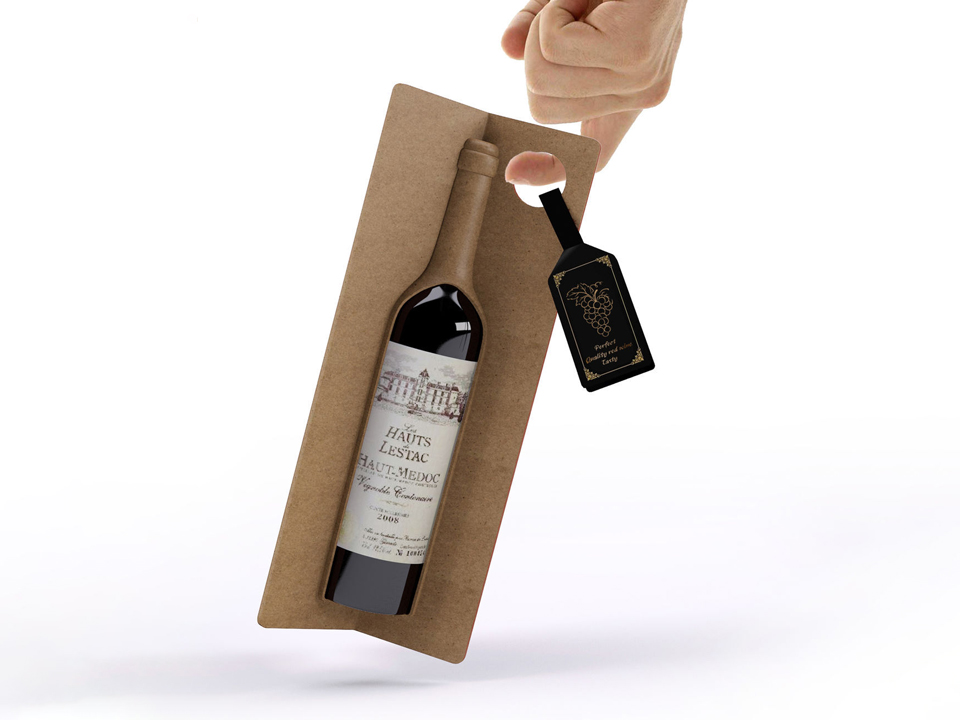
Luxury packaging has one job that normal product packaging does not.
It needs to justify itself.
For limited-edition a glass of wine, wedding anniversary launches, company presents, and premium seasonal collections, tactile finishes can produce differentiation that common electronic printing can not.
Aluminum foil marking can highlight a logo or vintage.
Embossing can provide a crest or winery picture physical deepness.
Area coatings can produce comparison between matte and reflective surface areas.
An inflexible hinged box can produce an intentional reveal.
However restriction matters greater than the number of finishing techniques.
I would rather see one magnificently embossed vineyard mark on a silent black bundle than five metal colors, 3 typefaces, a giant logo, and a paragraph concerning heritage.
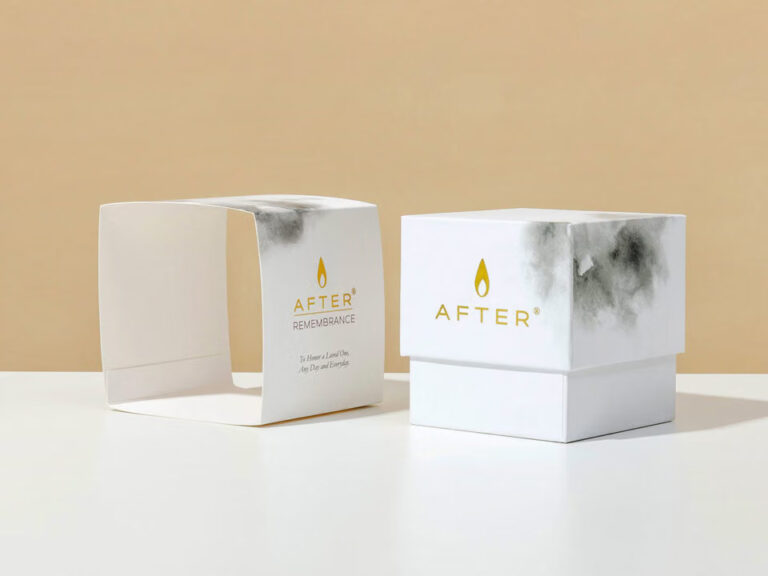
For an associated architectural referral, this foil-stamped inflexible hinged-lid box with gold insert shows exactly how aluminum foil, a hinged framework, and an inner discussion insert can collaborate. The very same design logic can be adapted for a glass of wine, supplied the measurements and insert are engineered specifically for the container.
There is real criterion for design-led a glass of wine product packaging. In 2023, the Global A glass of wine Masters presented a dedicated design and product packaging component, with evaluating that thought about visual style, coating top quality, and sustainability.
And the development is not restricted to high-end boxes. The 2023 Decanter Globe Wine Awards formally identified alternative red wine layouts including cans, containers, pouches, PET bottles, and bag-in-box product packaging.
That informs us something essential.
Development does not always mean making a more elaborate container box.
In some cases it suggests questioning the container itself.
There is no universal “finest” a glass of wine packaging format.
The correct choice depends on the item’s cost point, circulation channel, bottle dimensions, target consumer, shipping problems, sustainability goals, and whether the packaging is meant for single use or duplicated use.
A EUR10 supermarket white wine does not require a EUR30 presentation box.
A EUR150 enthusiast’s bottle may require something completely different.
That’s where product packaging strategy ends up being commercial approach.
Beginning with the container.
Step it exactly. Then define the product packaging goal.
Is package primarily for delivery? Gifting? Retail discussion? Collection agency storage space? Corporate gifting? A seasonal campaign?
Each response alters the structure.
For a gift item, I would focus on opening up experience and aesthetic presentation. For ecommerce, I would focus on security, dimensional performance, and delivery durability. For a sustainability-led product, I would examine product weight, recycled content, reuse, and end-of-life options prior to adding ornamental elements.
The greatest mistake is creating the outside first.
Construct the functional system first.
Then make it beautiful.
The interesting packaging story isn’t that glass is vanishing.
It isn’t.
A 2023 research checking out customer choices discovered that glass continued to be one of the most favored format, while bag-in-box and low-carbon choices appearing like glass showed stronger possible for adoption. The researchers also located that alternate packaging was more probable to be selected for mid- to low-priced wines.
That distinction matters.
Customers don’t always reject development. They review it via the context of the product.
A premium container may still demand traditional glass.
A laid-back white wine taken in swiftly may work completely in a container, bag, container, PET bottle, or bag-in-box style.
A present wine might benefit from a fancy additional bundle also when the container itself remains traditional.
To put it simply, development needs to resolve a problem.
Not simply announce that the brand is innovative.
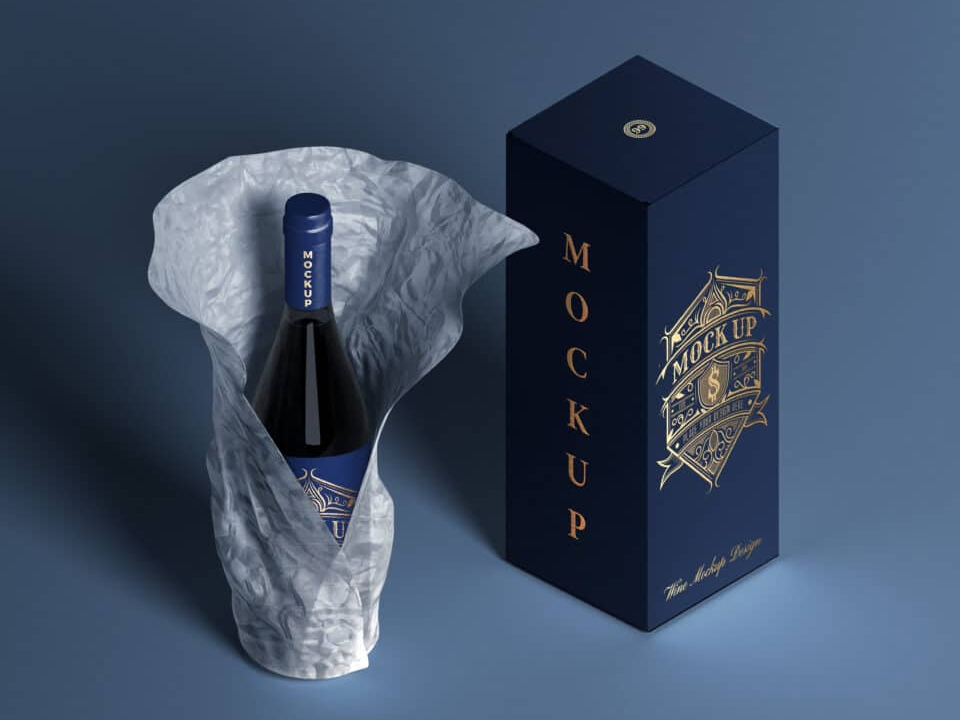
The very best a glass of wine product packaging concepts are packaging concepts that match the a glass of wine’s cost, audience, sales channel, defense needs, and brand positioning, such as inflexible gift boxes, magnetic boxes, home window cartons, multi-bottle boxes, multiple-use structures, and lasting paper-based secondary product packaging.
Red wine products for gifting are commonly packaged in presentation-focused frameworks that integrate bottle protection with an intentional unboxing experience, using stiff boxes, equipped inserts, magnetic or hinged closures, windows, ribbons, foil stamping, embossing, or various other costs ending up methods where readily warranted.
Cutting-edge red wine product packaging is a wine container or additional bundle that presents a significant renovation in style, usability, sustainability, logistics, discussion, or consumer experience instead of simply including ornamental attributes to conventional packaging.
Lasting red wine product packaging can not be judged entirely by whether it changes glass, due to the fact that environmental performance relies on products, manufacturing, transport range, reuse, recycled material, and disposal systems; 2023 lifecycle research found significant differences between packaging scenarios making use of recycled and alternate products.
Personalized red wine product packaging can increase perceived worth by controlling the physical discussion of the container through customized measurements, exceptional materials, inserts, coatings, closures, and opening up series that make the plan feel particularly created for the product rather than adapted from a generic carton.
A glass of wine packaging style ought to focus on product protection, suitable product selection, efficient measurements, brand communication, consumer experience, logistics, regulatory demands, and end-of-life factors to consider prior to adding decorative features that increase expense without enhancing the package’s real business feature.
Great red wine packaging secures the container.
Fantastic a glass of wine product packaging gives the bottle a factor to be born in mind.
That’s the distinction.
The most effective red wine packaging ideas are not necessarily the most expensive. A specifically engineered insert can matter more than one more layer of aluminum foil. A multiple-use framework can create extra lasting worth than a sophisticated non reusable carton. And a lighter, better-designed plan can outperform a heavier luxury box when transport and sustainability are part of the purchasing decision.
So before getting one more generic wine carton, ask the uneasy concern:
What job is this bundle actually doing?
If the answer is only “holding the container,” there is probably area to reassess it.
For brand names discovering superior presentation structures, alternatives such as inflexible magnetic product packaging with customized inserts or a magnetic present box with a removable paperboard insert can offer valuable structural starting factors for creating a bottle-specific idea.
The next action is easy: define the container, the customer, the cost factor, and the distribution atmosphere– and after that construct the bundle around those truths.