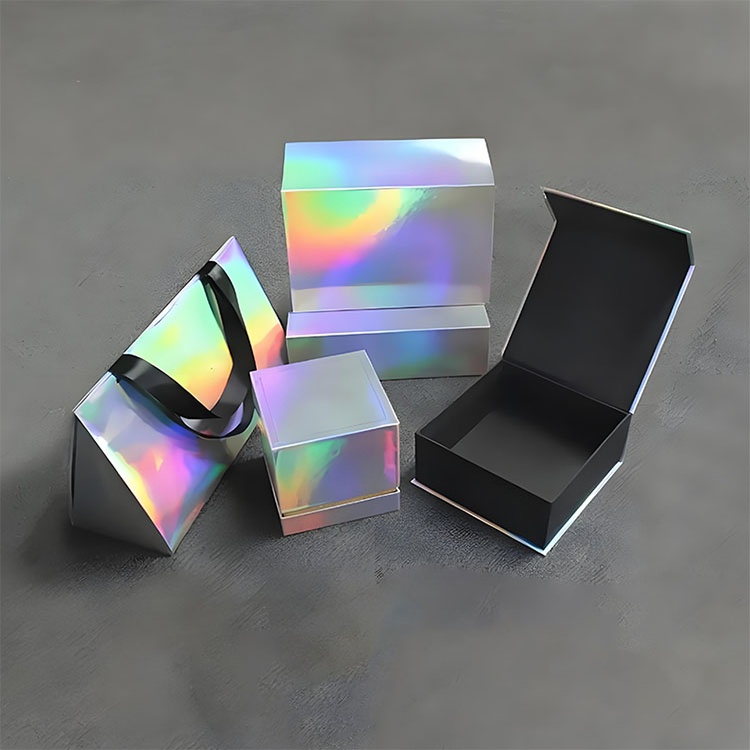




A beautiful swatch proves very little about a finished box. Here is how to evaluate pearlescent paper using documented research, stock-specific production guidance, and practical approval checks.
Shimmer hides defects. When I review a proposed pearlescent paper specification, I want the supplier to show how the coating, ink system, drying method, and finishing sequence will reproduce the artwork on the actual production stock. Why approve a photograph when customers will handle a box?
Check pearlescent paper print quality by comparing the actual printed stock with an approved physical reference for color, sheen, fine detail, ink adhesion, drying or curing, rub resistance, and fold integrity. Repeat the inspection after the specified finishing and box assembly.
My position is simple: a premium material needs a stricter approval process. The shimmer is part of the specification, and so is what happens when somebody touches it.
“Pearlescent” describes an appearance. It does not identify a universal printable coating.
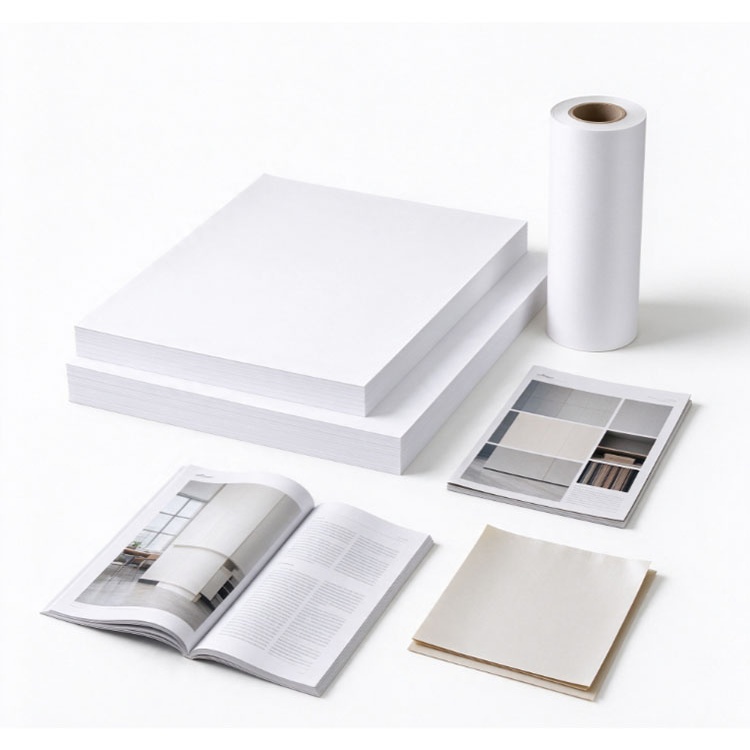
Before choosing pearlescent paper for custom packaging, request the manufacturer, grade, shade, grammage in g/m², caliper, printable side, grain direction, and supported printing process. Record any primer or surface treatment. “White pearl, 120 gsm” leaves too much unresolved.
Here is a revealing historical example. RIT’s May 25, 2015 HP Indigo evaluation of 284 g/m² ESSE® Digital Smooth Digital Pearlized Silver 105 Cover recorded passing adhesion results, but a two-star blanket-compatibility rating because of a slight small-dot transfer issue.
That archival record describes one tested configuration. Its useful lesson is the separation of results: adhesion passed while another aspect of print performance needed qualification.
I would therefore ask two questions independently: Does the ink stay attached, and does the press reproduce the image properly?
Use the following as a proposed inspection plan. Agree on test conditions and acceptance limits with the supplier before production; the table does not prescribe universal tolerances.
| Проверить | What to inspect | What should stop approval |
|---|---|---|
| Paper and sheen | Compare unprinted sheets and printed panels with the signed stock reference under fixed lighting | Unapproved shade changes, coating streaks, or patchy shimmer |
| Color accuracy | Measure agreed brand-color patches and compare visually with a reference on the same stock | Results outside the agreed tolerance or a visibly unacceptable match |
| Fine detail | Inspect the smallest text, reversed lettering, fine rules, and highlight dots with a loupe | Filled counters, broken strokes, missing dots, or unreadable copy |
| Ink adhesion | Perform an agreed adhesion test after the specified drying or curing interval | Ink or toner detachment beyond the agreed limit |
| Drying and set-off | Check printed faces and contacting surfaces under representative stacking conditions | Smearing, blocking, or ink transfer |
| Rub resistance | Test with a defined contact material, load, and number of cycles | Unacceptable scuffing, color transfer, or loss of legibility |
| Converting quality | Examine actual creases, wrapped corners, foil areas, and assembled panels | Cracking, lifting, delamination, or damaged graphics |
A thumb rub can flag trouble. Without a recorded force, contact material, and cycle count, it gives you a weak basis for comparing suppliers.
And check production samples from the beginning, middle, and end of the run. One carefully selected sheet cannot establish batch consistency.
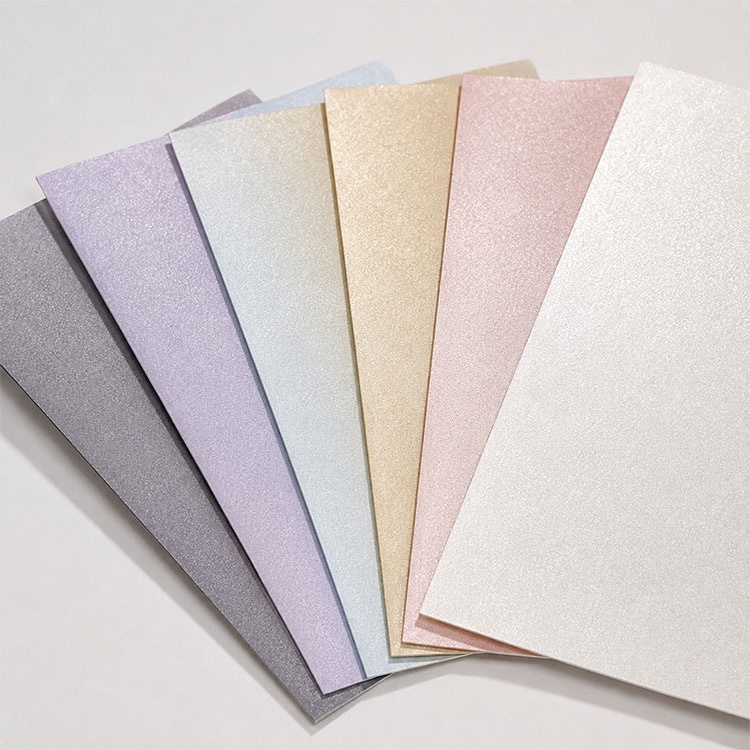
A CMYK recipe alone cannot define the finished appearance.
В Hu and colleagues’ 2017 inkjet study, published in BioResources, changing paper whiteness from 6 to 95 increased the yellow print’s measured lightness from 58 to 88. The researchers used an Epson Stylus C88+ and measured printed color under D50 illumination.
The experiment used dye-treated inkjet papers. I use it here as evidence of substrate sensitivity; those numbers are not acceptance limits for pearl-coated packaging.
For pearlescent paper color accuracy, specify the physical reference, instrument geometry, measurement condition, backing, and color-difference formula. If you use ΔE00, record the agreed limit and which patches it covers. A bare “ΔE below 3” leaves the formula and measurement setup unresolved.
Use a packaging color approval checklist to document that agreement before the press run.
NIST’s 2004 research on pearlescent coatings characterized angle-dependent color using several geometries, including illumination angles of 15°, 45°, and 65°.
That research concerns interference-pigmented coatings. My practical inference for packaging approval is to compare reference and production samples under consistent illumination, then tilt both together to inspect the change in appearance.
Start in a D50 viewing booth and repeat the comparison under the intended retail lighting. Keep sample orientation consistent.
If white ink is available, request paired samples with and without the proposed underprint. Judge opacity, color, and retained shimmer together.
For artwork review, I would include unprinted stock, selected tints, solid colors, and the smallest reversed type in one test panel. This gives the packaging artwork design team something specific to revise when a pale logo disappears or a dark panel overwhelms the intended effect.
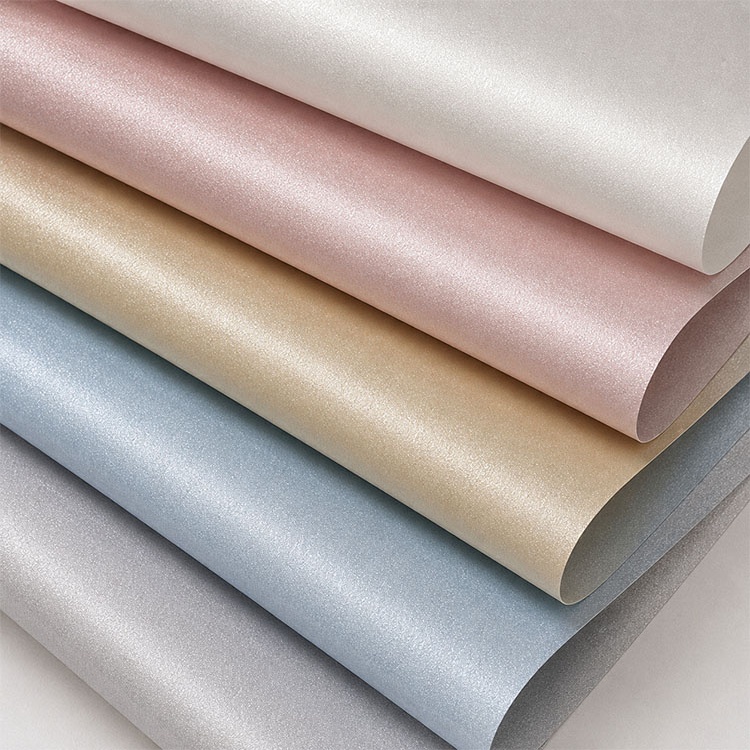
The best printer settings for pearlescent paper depend on the grade, press, and ink system.
Например, Neenah’s ESSE® Pearlized production guidance, carrying a 2022 copyright, recommends fully oxidizing inks for its sealed surface, total ink coverage below 260%, and a screen ruling of 150–200 lpi in its offset guidance. It also calls for at least 24 hours of paper acclimatization before opening.
Use those figures only within the guide’s stated scope. Other grades and printing systems need their own specifications.
For pearlized paper printing, ask the operator to record the actual press model, media setting, ink or toner system, profile, speed, and relevant drying or curing parameters. Any later substitution needs review.
That 24-hour instruction concerns paper conditioning. Pearlescent paper ink drying time needs a separate release decision.
I would require the printer to confirm when the job can be stacked, printed on the reverse, coated, folded, and packed. Record the conditions and test results supporting each release.
A surface that feels dry has passed one observation. The agreed adhesion, set-off, and handling checks still need results.
A flat sheet leaves the creases, corners, and assembly untested.
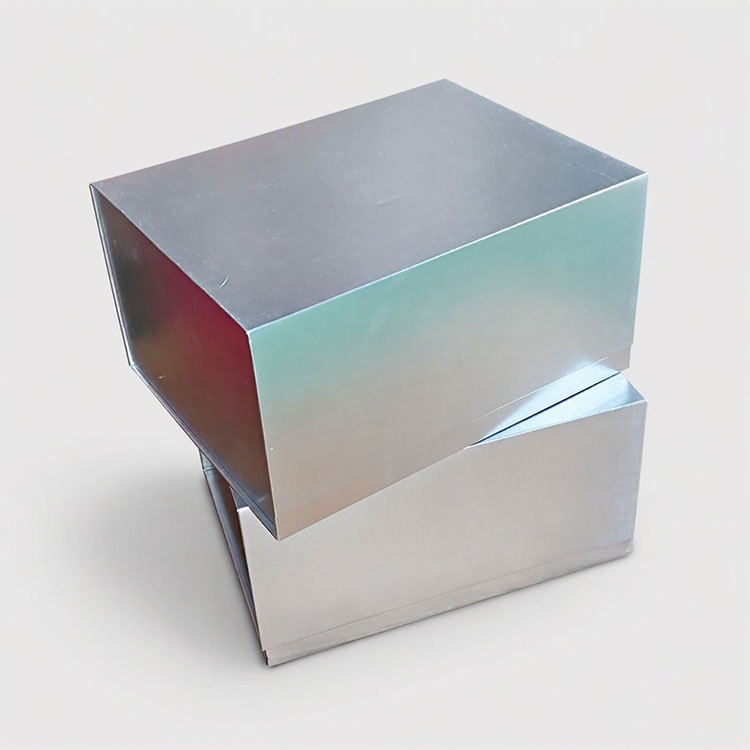
Ask for a printed packaging sample or prototype with the specified paper, decoration, and finishing sequence. Confirm how it was produced and which differences from bulk production remain.
Open it. Close it. Examine the printed surface around folds and wrapped edges. Compare any protective finish with an unfinished control so you can judge whether the appearance is still acceptable.
Then retain a signed reference with the artwork revision, paper grade, production method, finishing specification, and agreed tolerances. Keep matching copies with the buyer and supplier.
My strongest objection to vague approvals is practical: “looks good” gives neither party a usable standard when the next batch looks different.
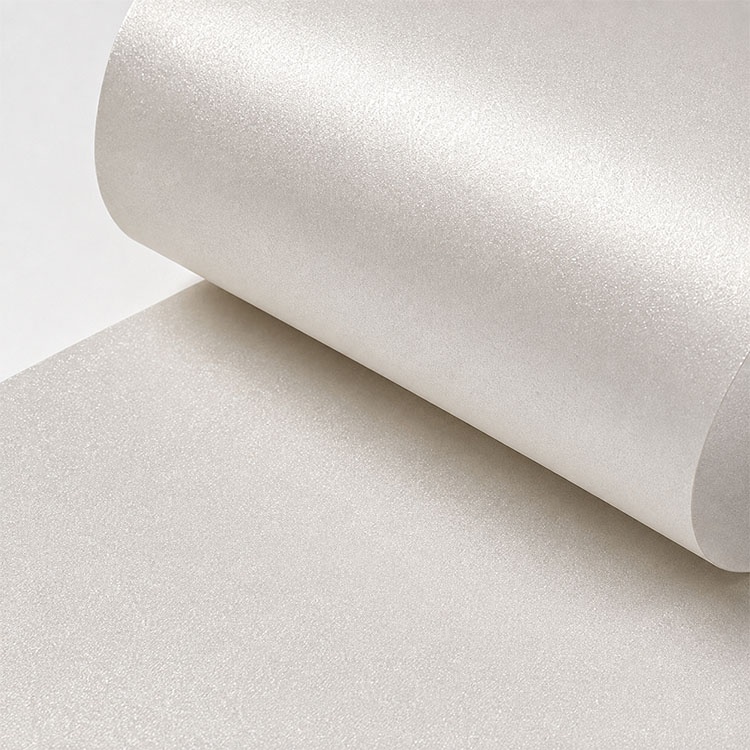
A pearlescent paper print-quality check is an inspection of the actual printed stock for uniform sheen, brand-color consistency, readable fine detail, secure ink adhesion, adequate drying or curing, resistance to handling, and clean folds, judged against an approved physical reference under agreed lighting conditions.
Printing on pearlescent paper with an inkjet or laser printer is possible when the exact grade is approved for that technology, its weight and thickness meet the printer’s limits, and a test confirms drying or toner fixing, image quality, feed reliability, and resistance to ordinary handling.
Pearlescent paper ink drying time is the interval a particular ink-and-paper combination needs before the printed surface can withstand the agreed handling, stacking, and finishing operations, with the required interval depending on coating absorbency, ink chemistry, coverage, environmental conditions, and the drying or curing process.
Pearlescent paper color variation is the change in perceived or measured print color caused by the stock’s base shade, reflective coating, ink transparency, and viewing conditions, so identical CMYK values can produce different appearances across paper grades, lighting arrangements, and observation angles even when the artwork file remains unchanged.
Send XD Packaging your artwork, box dimensions, target quantity, preferred paper shade, brand-color reference, and intended finishes. Ask for a sampling proposal that identifies the print method, approval checks, and any differences between the sample and bulk production.
Request a pearlescent packaging sample and quotation before approving the production run.