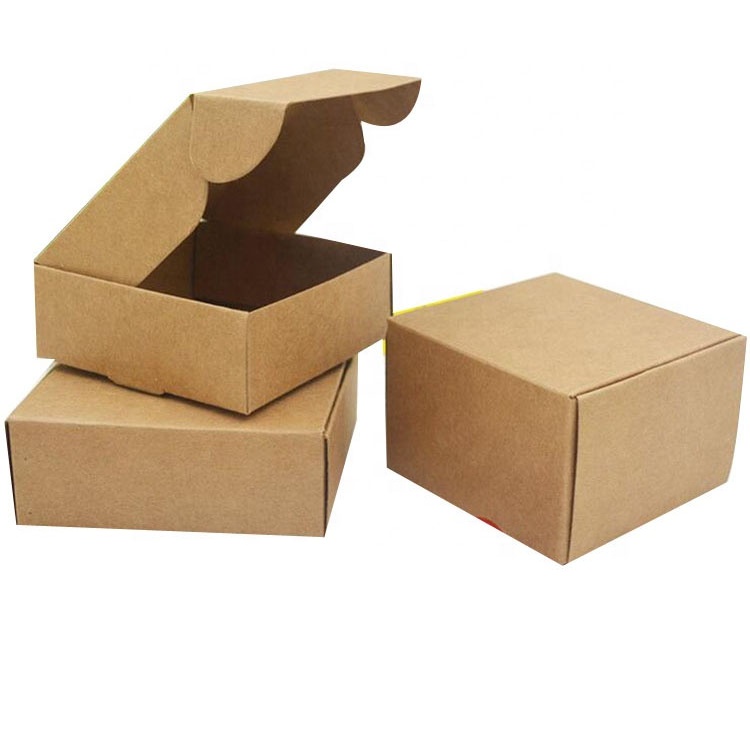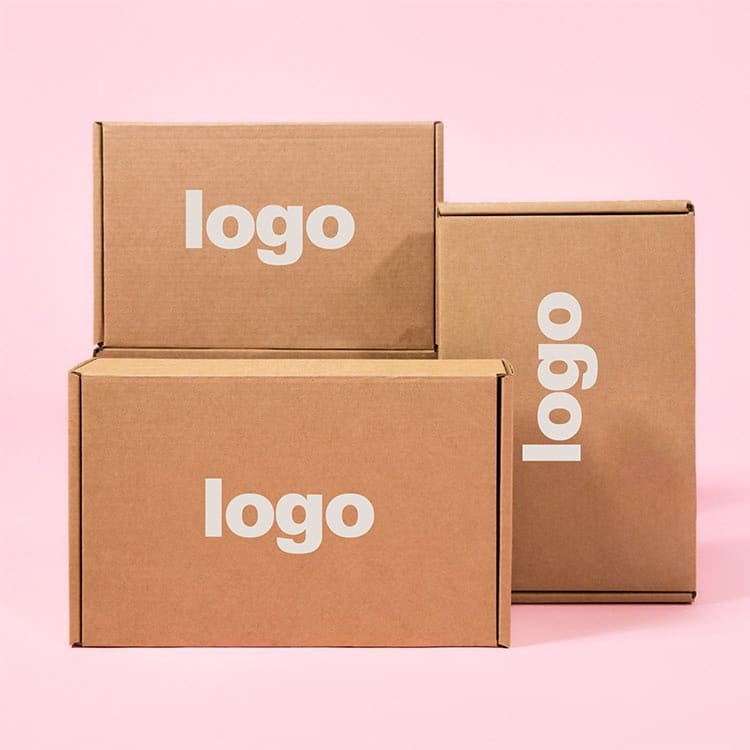




A drop test becomes useful when everyone agrees what failure means. Here is how to specify measurable damage limits, test the production configuration, and use field evidence to challenge an apparently reassuring result.
Define failure first.
When I evaluate a packaging drop test, I want the acceptance criteria written before the first sample leaves the operator’s hands, because an intact outer box can conceal a cracked product, a displaced insert, or a closure that has lost its seal.
What, exactly, did the package pass?
Для custom shipping mailer boxes, the answer needs five things: an identified test protocol, a defined shipping configuration, measurable damage limits, a sampling plan, and a written decision rule. Agree on all five before testing starts.
My position is simple: “looks okay” belongs in a conversation. A purchase specification needs something two inspectors can apply consistently.
Two familiar references serve different purposes:
A supplier performing a carton drop test should identify the method, edition, package classification, packed mass, conditioning, impact surface, drop heights, orientations, and sequence. For a named protocol, take those requirements from the applicable full procedure.
A drop-only demonstration cannot establish that the complete ISTA 3A sequence was performed. Ask for the report’s actual scope before accepting a compliance claim.
ISTA’s guidelines for selecting and using test procedures put the definition of acceptable product damage and packaging degradation with the relevant stakeholders. They also recommend quantitative criteria where possible. The standard supplies a testing framework; your team still has to define acceptable arrival condition.
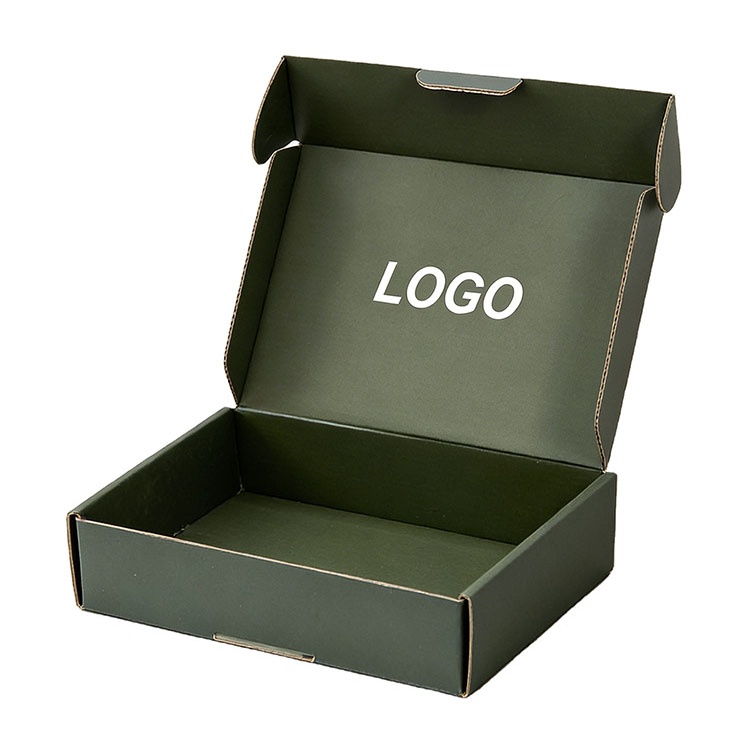
I would approve the following categories separately. That prevents a cosmetic disagreement from obscuring a broken product—and prevents a working product from excusing an opened shipping box.
The table below is an illustrative buyer specification for a nonhazardous cosmetic gift set. Its numerical tolerances are proposed purchasing requirements, not limits prescribed by ISTA or ASTM. Adapt them to the product and validate the inspection methods before approval.
| Inspection category | Example acceptance criterion | How to verify |
|---|---|---|
| Product integrity | No new cracks, chips, leakage, or loss of specified function | Compare every unit with its recorded pretest condition; perform the approved functional and leak checks |
| Mailer closure | Lid remains retained; no failed lock or adhesive joint that permits the box to open | Photograph closure condition before unpacking; inspect every specified locking and sealing feature |
| Удержание клиентов | Each item remains in its assigned cavity; no contact between adjacent glass containers | Photograph contents immediately after opening and before removing components |
| Container containment | No through-holes, burst seams, or exposed contents | Inspect all faces, edges, corners, and joints |
| Outer-box deformation | Corner deformation no greater than 5 mm at the location marked on the inspection drawing | Measure against the agreed datum and annotated reference photograph |
| Presentation surfaces | No new tears; no new scuff longer than 3 mm on the marked logo panel | Compare with the approved reference under specified lighting |
| Identification | Required shipping and product codes remain readable | Use the documented scanner, settings, distance, and reading procedure |
Define whether the outer mailer itself is a presentation surface. A plain shipping outer and a gift-ready printed mailer can reasonably have different appearance limits.
For this example, I would require every tested specimen to meet every applicable criterion after the complete specified sequence. One failed closure means the configuration fails this approval plan, even if the other samples look excellent.
Record any repair, interrupted sequence, replacement specimen, or deviation. Investigate failures, document corrective action, and agree on the retest scope. Quietly substituting another sample makes the result difficult to trust.
Custom mailer box drop testing evaluates an assembled system. Identify:
Review corrugated box flute types for mailers during material selection, then validate the chosen construction with the actual contents. “E flute” alone does not identify every material or converting detail that affects the finished package.
Использование образцы и прототипы индивидуальной упаковки to resolve fit and assembly before approval testing. Confirm which prototype materials and processes match production; a visual proof may serve a different purpose from a specimen intended to validate shipping performance.
The published ISTA 3A overview encourages five or more repetitions using fresh samples to improve statistical significance. Repetitions mean complete tests with new samples, rather than five drops on one box.
But five passes offer limited statistical assurance. For illustration, if independent specimens had a 10% probability of failing the same laboratory test, five would all pass 59.0% of the time, because 0.9⁵ = 0.59049. This calculation concerns the assumed laboratory test model; it does not estimate delivery damage.
Choose sample quantities around product variability, fragility, failure consequences, and the decision being made. Keep design qualification separate from the inspection plan used to release production lots.
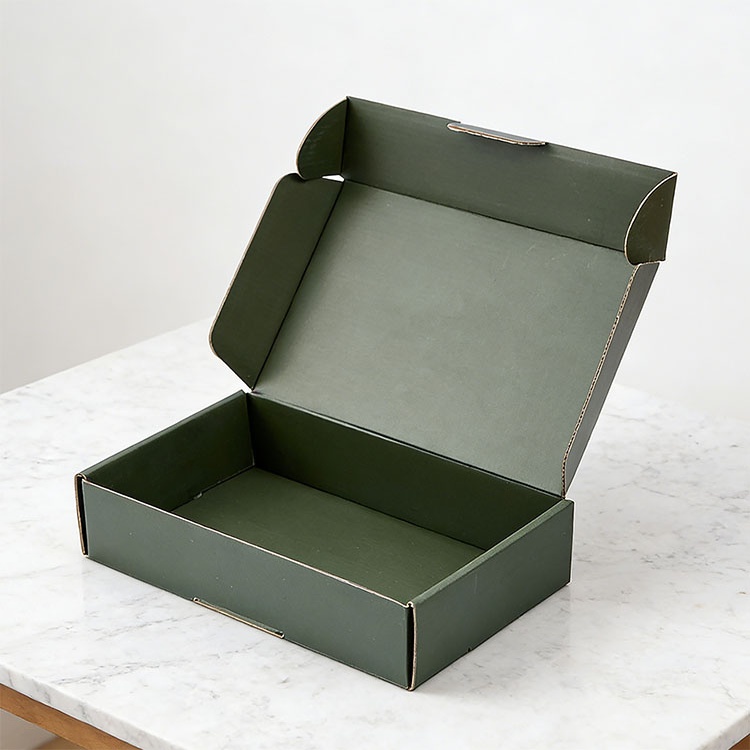
Three documented studies explain why a convincing report still needs careful interpretation.
A Virginia Tech packaging research project reported in 2023 investigated a beverage-packaging supplier whose existing ISTA 3A/6A testing did not reproduce customer-reported shipping damage. Researchers built eight instrumented decoy boxes, calibrated them, and shipped them back and forth to Texas.
The project found that most recorded shocks and drops occurred on parcels’ lower halves, with differences between package shapes and couriers. My takeaway: recurring field damage should trigger a review of whether the test represents the shipment.
В 2025 BioResources study by Martin Holmvall and Mats Holmgren, researchers conducted 10 shipments of 10 boxes each between Sundsvall, Sweden, and Stuttgart, Germany, from December 2023 to May 2024. The study’s puncture-related design equation correlated better with assessed damage than burst strength or box compression strength.
That finding supports examining puncture resistance when holes are a field problem. It does not establish a universal drop height or show that one board-strength number predicts every failure mode.
A Исследование Лаборатории лесопродуктов Министерства сельского хозяйства США (USDA) 2026 года провели испытания двух гофрокартонных листов и обнаружили, что различия в нарезке приводили к примерно 10% variation in box compression strength for one board, with less variation for the other; some aggressively scored specimens developed cracks and lower compression strength.
This was compression research. My inference for drop-test approvals is narrower: record converting details and review changes that could affect performance. Keeping the same nominal board grade does not preserve every feature of the tested box.
When a sample fails, map the evidence to a mechanism: inadequate restraint, cushioning that bottoms out, a released lock, or a punctured panel. Use structural packaging design and engineering to revise the relevant geometry or material, then document and test the changed configuration.
Retain the signed criteria, sample identities, before-and-after photographs, inspection results, and test report under the same specification revision. Track pilot-shipment damage separately so field experience can inform the next review.
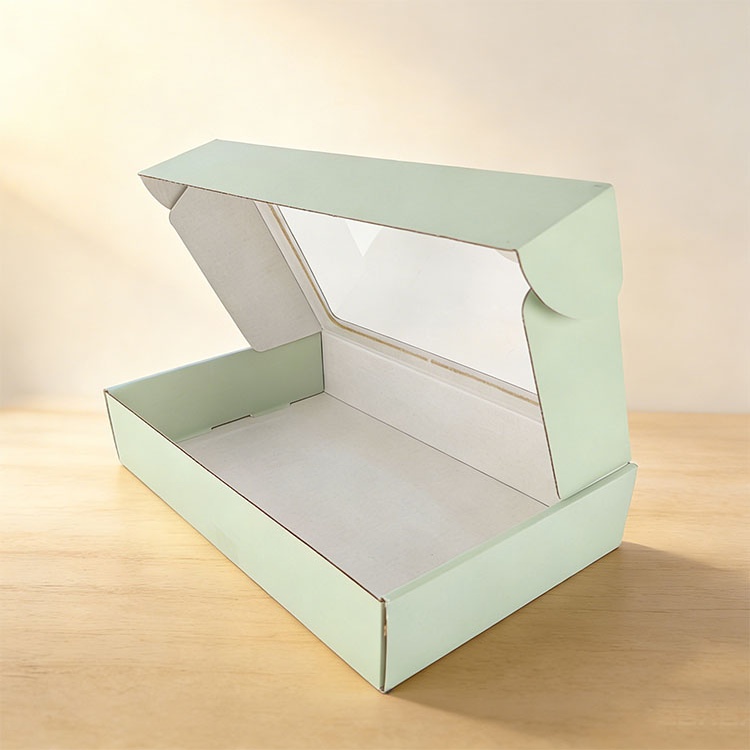
Packaging drop test acceptance criteria are the documented, preapproved limits used to judge a tested product and its packaging, covering functional damage, leakage, closure security, product retention, cosmetic condition, and identification, together with the inspection methods and sample decision rules that determine whether the configuration passes.
Agree on these limits before submitting samples to the laboratory.
The correct mailer box drop height is the height required by the selected test protocol for the applicable package classification and packed mass, or a separately justified engineering level based on measured distribution hazards, with the chosen value, orientations, and sequence recorded before testing.
Ask the laboratory to identify the source of the height and any departure from the named procedure.
A crushed corner is a packaging defect whose pass or fail status depends on the agreed limits for structural damage, containment, appearance, and product condition, so a measured deformation can be acceptable for a shipping outer while the same damage is unacceptable for a presentation box.
Apply the dimensions and reference photographs approved before testing.
An empty carton drop test is a structural screening exercise that evaluates the unloaded container under specified impacts, while product protection validation requires testing the filled shipping configuration because the product mass, insert, cushioning, closures, and internal movement determine how impact loads reach the contents.
For shipping approval, identify the complete packed configuration in the report.
Send XD Packaging your product dimensions, packed weight, shipping route, proposed board and insert specification, and photographs of any delivery damage. Request a custom mailer box sample and engineering review and ask for a written test scope, acceptance matrix, sample quantity, and retest triggers before approving the production specification.