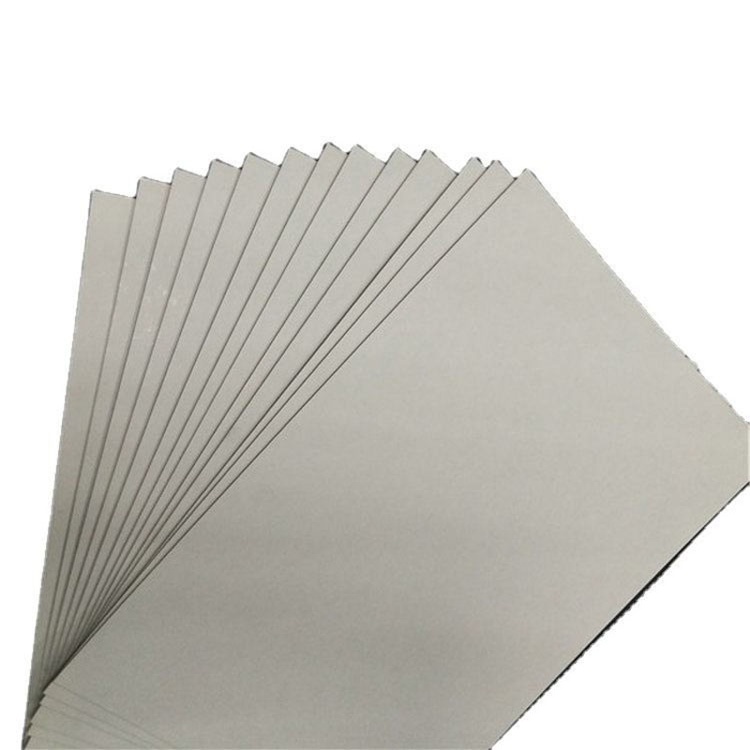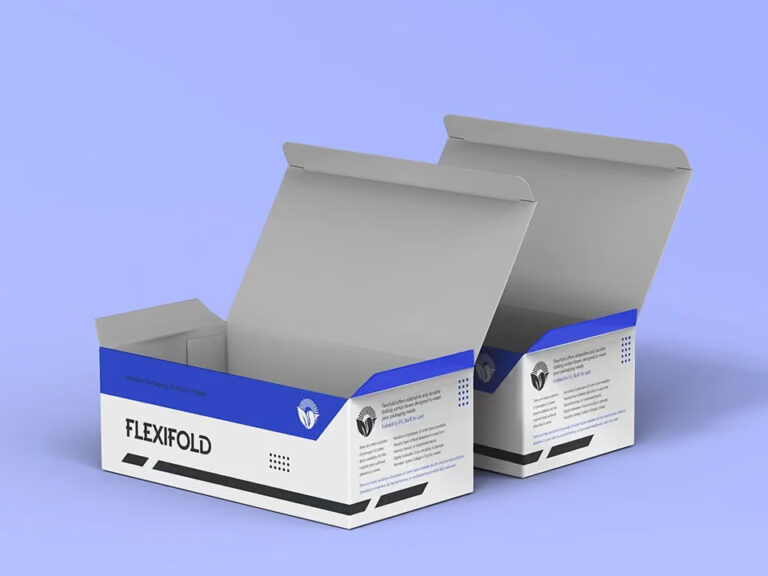




A heavier sheet does not guarantee a better gift box. Compare actual mill specifications, separate folding carton board from rigid box greyboard, and define the material, tolerances and tests that make supplier quotations comparable.
Weight hides weaknesses.
When a supplier quotes paperboard GSM without identifying the board grade, measured caliper and box construction, the number gives us a material weight to compare, while leaving the properties that determine folding, fit and panel stiffness frustratingly undefined.
Why pay for a heavier sheet if the crease splits or the base opens?
For smaller folding gift boxes, 250–350 GSM is a useful starting range for sampling; for compact rigid gift boxes, compare 1.5–2.0 mm greyboard cores and specify the decorative wrap separately. These are trial specifications, not load ratings. Product weight, box dimensions, inserts and distribution conditions decide what survives.
My position is simple: buy a defined material and an approved box, rather than trusting a weight number to explain both.
Paperboard GSM means grams per square metre: a 300 GSM sheet weighs 300 grams for each square metre of material. Caliper measures thickness, usually in micrometres (µm), millimetres (mm) or points.
They answer different questions.
GSM tells us how much material mass covers an area. Thickness tells us how much space that material occupies. Fibre composition, sheet structure, coating and compression during manufacture affect the relationship between them.
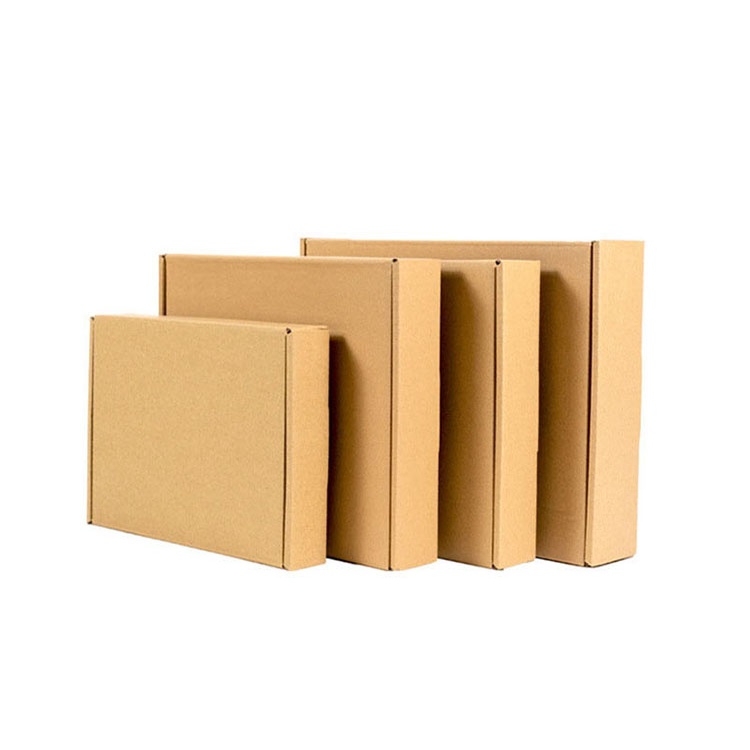
The following figures come from Holmen’s published specifications for Invercote G solid bleached board そして Incada Exel folding boxboard.
| Named paperboard grade | Grammage | Nominal thickness | Thickness in mm |
|---|---|---|---|
| Invercote G | 300 GSM | 395 µm | 0.395 mm |
| Incada Exel | 300 GSM | 540 µm | 0.540 mm |
| Invercote G | 350 GSM | 465 µm | 0.465 mm |
| Incada Exel | 350 GSM | 640 µm | 0.640 mm |
At 300 GSM, Incada Exel is approximately 37% thicker than Invercote G, calculated from those nominal values. The grammage is identical. The thickness is not.
That does not establish which finished box is stronger. It establishes why a generic “350 GSM equals X mm” conversion is unreliable.
For reference, 1 point = 0.001 inch = 0.0254 mm. Points measure thickness, so “20 pt” cannot be converted into GSM without information about the grade.
If bulk is supplied, the numerical relationship is:
Thickness (µm) = GSM × bulk (cm³/g).
Without a bulk value for the specified grade or measured caliper, we are guessing.
The question “What is the best GSM for gift boxes?” skips a decision: are we buying a folding carton or a rigid box?
A folding carton gets its structure from a cut and creased sheet. A conventional rigid gift box uses a thicker structural core covered with a separate paper wrap. Comparing their headline GSM numbers confuses different components.
For compact folding carton gift boxes, I would begin by sampling named grades around 250–350 GSM. For broader panels or a heavier presentation, I would compare a higher-caliper grade, a heavier available grade, or a different structure.
Do not turn that sampling range into a promise that “300 GSM holds 1 kg.” A narrow carton with an engineered base and fitted insert behaves differently from a wide carton with tuck flaps made from the same sheet.
Two commercial examples make the point:
Both received Gold Awards at the European Carton Excellence Awards announced in Berlin on 19 September 2024, according to Metsä Board’s published case details.
These are real premium packaging applications at substantially different grammages. An award is not a transit test report, but the cases undermine the idea that premium gift packaging begins at one universal GSM threshold.
~について magnetic closure gift boxes, lid-and-base boxes and rigid drawers, I want the core thickness stated in millimetres before discussing the surface paper.
For an initial sampling brief, I would compare:
Those are candidates to test, not automatic assignments by product category. Increasing the footprint can expose panel flex even when the contents weigh very little.
If a quotation says “2.0 mm greyboard + 157 GSM art paper,” those numbers describe two separate layers. Finished gift box paperboard thickness also reflects the wrap, lining, adhesive and assembly.
When selecting coated paper for rigid box wraps, specify its grade, grammage and finish separately. The core supports the structure; the wrap has its own printing, folding and adhesion requirements.
And confirm whether dimensions refer to the inside or outside of the finished box. A thicker wall can reduce usable space or change lid fit if the geometry is not revised.
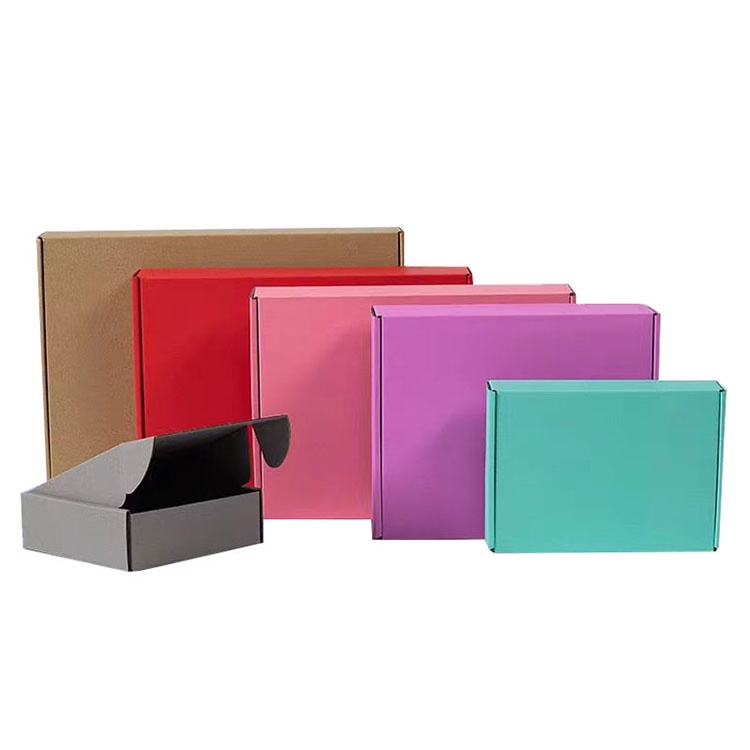
I would not approve “350 GSM premium card” as a complete material description. It leaves too much room for substitution.
Give every supplier the same information:
Bring gift box structural design and engineering into the discussion before artwork is locked. Moving a crease or changing a base can be more useful than adding another 50 GSM.
Holmen’s technical guidance distinguishes ISO 536 for grammage from ISO 534 for thickness and reports its mill property measurements at 23°C and 50% relative humidity. It also distinguishes stiffness in MD and CD.
That matters when comparing reports. A result without a method, direction or conditioning information can look precise while remaining difficult to compare.
For approval, request gift box samples and material prototypes with the actual contents and insert. Record which materials and processes match bulk production and which are substitutes used for sampling.
Check the folds for visible cracking, the panels for bowing, the base for opening, and the closure for interference. Agree acceptable defects before inspection. Then assess the complete shipping configuration under the handling, stacking and climate conditions relevant to the route.
A beautiful empty box proves very little about a packed order.
Here is an illustrative comparison, assuming each finished carton contains 0.08 m² of board:
That is a 14.3% reduction in board mass, not a 14.3% reduction in the finished box price. Printing, die-cutting, finishing, labour, inserts, scrap and freight still affect the quotation.
I would ask suppliers to itemize those costs and identify any change in sheet yield. A cheaper price per tonne can disappear when a different sheet size produces more waste.
There is also a reason to question unnecessary material. Eurostat’s packaging waste statistics, with data extracted on 10 October 2025, report 32.3 million tonnes of paper and cardboard packaging waste in the EU in 2023, representing 40.4% of total packaging waste.
Those figures cover the whole packaging category, not gift boxes specifically. My buying conclusion is narrower: additional fibre needs a demonstrated purpose. Reduce material only after the revised pack passes the agreed tests; avoid treating either heavier board or lighter board as proof of better environmental performance.
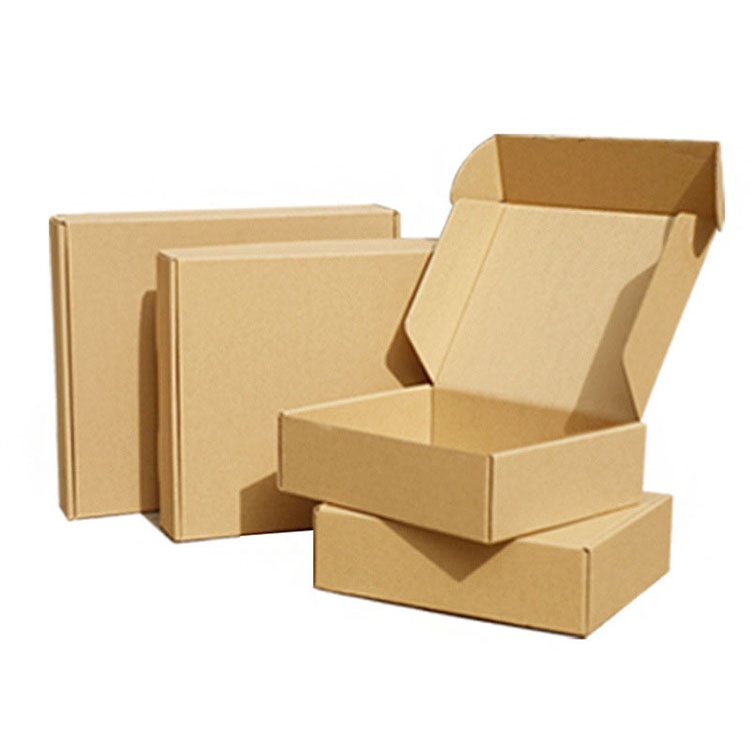
Paperboard GSM is the mass, in grams, of one square metre of paperboard, a measurement used to specify sheet weight and compare material consumption within a defined grade, while thickness, bending stiffness, moisture response and finished box strength remain separate properties that require their own specifications.
Ask for both grammage and caliper on the material datasheet.
The best GSM for gift boxes is the lowest grammage that meets the approved structure, print finish and handling requirements, with 250–350 GSM offering a useful sampling range for smaller folding cartons and rigid gift boxes requiring a separate greyboard thickness specification rather than a single paper weight.
Validate the selection with the product inside the finished pack.
The thickness of 350 GSM paperboard is specific to its grade and bulk, with Holmen’s published examples showing 465 µm for Invercote G and 640 µm for Incada Exel, so a purchase order must identify the actual material instead of relying on a universal GSM conversion.
Use the selected grade’s datasheet and agreed tolerance.
Greyboard thickness for rigid gift boxes is the specified caliper of the structural core, with 1.5–2.0 mm useful candidates for compact formats and 2.5–3.0 mm worth sampling for larger formats, provided the final selection is approved against product weight, panel span, inserts, closure fit and transport conditions.
Keep the core thickness separate from wrap-paper GSM in the quotation.
Send XD Packaging your product dimensions, packed weight, preferred box style, order quantity, destination and finish requirements, then request a gift box material comparison and quotation.
Ask for two proposed constructions, each identifying the board grade, GSM, caliper, wrap, insert and itemized costs. Request physical samples and agree the acceptance criteria before authorizing production.
Choose the specification that earns approval with evidence. The biggest GSM number has not earned it by itself.